
m6A Regulator Information
General Information of the m6A Regulator (ID: REG00012)
| Regulator Name | Insulin-like growth factor 2 mRNA-binding protein 1 (IGF2BP1) | ||||
|---|---|---|---|---|---|
| Synonyms |
IGF2 mRNA-binding protein 1; IMP-1; IMP1; Coding region determinant-binding protein; CRD-BP; IGF-II mRNA-binding protein 1; VICKZ family member 1; Zipcode-binding protein 1; ZBP-1; CRDBP; VICKZ1; ZBP1
Click to Show/Hide
|
||||
| Gene Name | IGF2BP1 | ||||
| Sequence |
MNKLYIGNLNESVTPADLEKVFAEHKISYSGQFLVKSGYAFVDCPDEHWAMKAIETFSGK
VELQGKRLEIEHSVPKKQRSRKIQIRNIPPQLRWEVLDSLLAQYGTVENCEQVNTESETA VVNVTYSNREQTRQAIMKLNGHQLENHALKVSYIPDEQIAQGPENGRRGGFGSRGQPRQG SPVAAGAPAKQQQVDIPLRLLVPTQYVGAIIGKEGATIRNITKQTQSKIDVHRKENAGAA EKAISVHSTPEGCSSACKMILEIMHKEAKDTKTADEVPLKILAHNNFVGRLIGKEGRNLK KVEQDTETKITISSLQDLTLYNPERTITVKGAIENCCRAEQEIMKKVREAYENDVAAMSL QSHLIPGLNLAAVGLFPASSSAVPPPPSSVTGAAPYSSFMQAPEQEMVQVFIPAQAVGAI IGKKGQHIKQLSRFASASIKIAPPETPDSKVRMVIITGPPEAQFKAQGRIYGKLKEENFF GPKEEVKLETHIRVPASAAGRVIGKGGKTVNELQNLTAAEVVVPRDQTPDENDQVIVKII GHFYASQMAQRKIRDILAQVKQQHQKGQSNQAQARRK Click to Show/Hide
|
||||
| Family | RRM IMP/VICKZ family | ||||
| Function |
RNA-binding factor that recruits target transcripts to cytoplasmic protein-RNA complexes (mRNPs). This transcript 'caging' into mRNPs allows mRNA transport and transient storage. It also modulates the rate and location at which target transcripts encounter the translational apparatus and shields them from endonuclease attacks or microRNA-mediated degradation. Plays a direct role in the transport and translation of transcripts required for axonal regeneration in adult sensory neurons (By similarity). Regulates localized beta-actin/ACTB mRNA translation, a crucial process for cell polarity, cell migration and neurite outgrowth. Co-transcriptionally associates with the ACTB mRNA in the nucleus. This binding involves a conserved 54-nucleotide element in the ACTB mRNA 3'-UTR, known as the 'zipcode'. The RNP thus formed is exported to the cytoplasm, binds to a motor protein and is transported along the cytoskeleton to the cell periphery. During transport, prevents ACTB mRNA from being translated into protein. When the RNP complex reaches its destination near the plasma membrane, IGF2BP1 is phosphorylated. This releases the mRNA, allowing ribosomal 40S and 60S subunits to assemble and initiate ACTB protein synthesis. Monomeric ACTB then assembles into the subcortical actin cytoskeleton (By similarity). During neuronal development, key regulator of neurite outgrowth, growth cone guidance and neuronal cell migration, presumably through the spatiotemporal fine tuning of protein synthesis, such as that of ACTB (By similarity). May regulate mRNA transport to activated synapses (By similarity). Binds to and stabilizes ABCB1/MDR-1 mRNA (By similarity). During interstinal wound repair, interacts with and stabilizes PTGS2 transcript. PTGS2 mRNA stabilization may be crucial for colonic mucosal wound healing (By similarity). Binds to the 3'-UTR of IGF2 mRNA by a mechanism of cooperative and sequential dimerization and regulates IGF2 mRNA subcellular localization and translation. Binds to MYC mRNA, in the coding region instability determinant (CRD) of the open reading frame (ORF), hence prevents MYC cleavage by endonucleases and possibly microRNA targeting to MYC-CRD. Binds to the 3'-UTR of CD44 mRNA and stabilizes it, hence promotes cell adhesion and invadopodia formation in cancer cells. Binds to the oncofetal H19 transcript and to the neuron-specific TAU mRNA and regulates their localizations. Binds to and stabilizes BTRC/FBW1A mRNA. Binds to the adenine-rich autoregulatory sequence (ARS) located in PABPC1 mRNA and represses its translation. PABPC1 mRNA-binding is stimulated by PABPC1 protein. Prevents BTRC/FBW1A mRNA degradation by disrupting microRNA-dependent interaction with AGO2. Promotes the directed movement of tumor-derived cells by fine-tuning intracellular signaling networks. Binds to MAPK4 3'-UTR and inhibits its translation. Interacts with PTEN transcript open reading frame (ORF) and prevents mRNA decay. This combined action on MAPK4 (down-regulation) and PTEN (up-regulation) antagonizes HSPB1 phosphorylation, consequently it prevents G-actin sequestration by phosphorylated HSPB1, allowing F-actin polymerization. Hence enhances the velocity of cell migration and stimulates directed cell migration by PTEN-modulated polarization. Interacts with Hepatitis C virus (HCV) 5'-UTR and 3'-UTR and specifically enhances translation at the HCV IRES, but not 5'-cap-dependent translation, possibly by recruiting eIF3. Interacts with HIV-1 GAG protein and blocks the formation of infectious HIV-1 particles. Reduces HIV-1 assembly by inhibiting viral RNA packaging, as well as assembly and processing of GAG protein on cellular membranes. During cellular stress, such as oxidative stress or heat shock, stabilizes target mRNAs that are recruited to stress granules, including CD44, IGF2, MAPK4, MYC, PTEN, RAPGEF2 and RPS6KA5 transcripts.
Click to Show/Hide
|
||||
| Gene ID | 10642 | ||||
| Uniprot ID | |||||
| Regulator Type | WRITER ERASER READER | ||||
| Mechanism Diagram | Click to View the Original Diagram | ||||

|
|||||
| Target Genes | Click to View Potential Target Genes of This Regulator | ||||
Full List of Target Gene(s) of This m6A Regulator and Corresponding Disease/Drug Response(s)
IGF2BP1 can regulate the m6A methylation of following target genes, and result in corresponding disease/drug response(s). You can browse corresponding disease or drug response(s) resulted from the regulation of certain target gene.
Browse Target Gene related Disease
Browse Target Gene related Drug
Aldehyde dehydrogenase 1A1 (ALDH1A1)
| Representative RNA-seq result indicating the expression of this target gene regulated by IGF2BP1 | ||
| Cell Line | A549 cell line | Homo sapiens |
|
Treatment: IGF2BP1 knockout A549 cells
Control: Wild type A549 cells
|
GSE146546 | |
| Regulation |
  |
logFC: -7.78E-01 p-value: 8.37E-08 |
| More Results | Click to View More RNA-seq Results | |
Acute myeloid leukaemia [ICD-11: 2A60]
| In total 1 item(s) under this disease | ||||
| Experiment 1 Reporting the m6A-centered Disease Response of This Target Gene | [1] | |||
| Responsed Disease | Acute myeloid leukaemia [ICD-11: 2A60] | |||
| Target Regulation | Up regulation | |||
In-vitro Model |
MOLT-16 | T acute lymphoblastic leukemia | Homo sapiens | CVCL_1424 |
| Reh | B acute lymphoblastic leukemia | Homo sapiens | CVCL_1650 | |
| SKNO-1 | Myeloid leukemia with maturation | Homo sapiens | CVCL_2196 | |
| Tanoue | B acute lymphoblastic leukemia | Homo sapiens | CVCL_1852 | |
| In-vivo Model | For the engraftment experiments, 1×10³ 1×10⁶ cells were injected into tail veins of non-irradiated 6-10 week-old female mice in 100 uL of DPBS per mouse. No blinding or randomization was applied to mice experiments. Routinely, each in vivo experiment was performed with three technical replicates (three mice per group) and independently repeated two to three times for each cell line. | |||
| Response Summary | IGF2BP1 decreases leukemia cells' tumorigenicity, promotes myeloid differentiation, increases leukemia cell death, and sensitizes acute myeloid leukemia cells to chemotherapeutic drugs. IGF2BP1 affects proliferation and tumorigenic potential of leukemia cells through critical regulators of self-renewal HOXB4 and MYB and through regulation of expression of the aldehyde dehydrogenase, Aldehyde dehydrogenase 1A1 (ALDH1A1). | |||
Apoptosis regulator Bcl-2 (BCL2)
| Representative RNA-seq result indicating the expression of this target gene regulated by IGF2BP1 | ||
| Cell Line | ES-2 cell line | Homo sapiens |
|
Treatment: siIGF2BP1 ES-2 cells
Control: siControl ES-2 cells
|
GSE109604 | |
| Regulation |
  |
logFC: -7.97E-01 p-value: 9.99E-03 |
| More Results | Click to View More RNA-seq Results | |
Malignant haematopoietic neoplasm [ICD-11: 2B33]
| In total 1 item(s) under this disease | ||||
| Experiment 1 Reporting the m6A-centered Disease Response of This Target Gene | [2] | |||
| Responsed Disease | Myeloid leukaemia [ICD-11: 2B33.1] | |||
| Target Regulation | Up regulation | |||
| Cell Process | Cell apoptosis | |||
In-vitro Model |
Leukemia stem cell line (Leukemia stem cell line) | |||
| Kasumi-1 | Myeloid leukemia with maturation | Homo sapiens | CVCL_0589 | |
| MOLM-13 | Adult acute myeloid leukemia | Homo sapiens | CVCL_2119 | |
| THP-1 | Childhood acute monocytic leukemia | Homo sapiens | CVCL_0006 | |
| MV4-11 | Childhood acute monocytic leukemia | Homo sapiens | CVCL_0064 | |
| BV-173 | Chronic myelogenous leukemia | Homo sapiens | CVCL_0181 | |
| NOMO-1 | Adult acute monocytic leukemia | Homo sapiens | CVCL_1609 | |
| K-562 | Chronic myelogenous leukemia | Homo sapiens | CVCL_0004 | |
| KG-1a | Adult acute myeloid leukemia | Homo sapiens | CVCL_1824 | |
| Response Summary | YBX1 selectively functions in regulating survival of myeloid leukemia cells. YBX1 interacts with insulin-like growth factor 2 messenger RNA (mRNA)-binding proteins (IGF2BPs) and stabilizes m6A-tagged RNA. YBX1 deficiency dysregulates the expression of apoptosis-related genes and promotes mRNA decay of MYC and Apoptosis regulator Bcl-2 (BCL2) in an m6A-dependent manner, which contributes to the defective survival that results from deletion of YBX1. | |||
Cyclin-dependent kinase 4 (CDK4)
| Representative RNA-seq result indicating the expression of this target gene regulated by IGF2BP1 | ||
| Cell Line | PANC-1 cell line | Homo sapiens |
|
Treatment: siIGF2BP1 PANC-1 cells
Control: siControl PANC-1 cells
|
GSE161087 | |
| Regulation |
  |
logFC: -1.19E+00 p-value: 3.49E-04 |
| More Results | Click to View More RNA-seq Results | |
Lung cancer [ICD-11: 2C25]
| In total 1 item(s) under this disease | ||||
| Experiment 1 Reporting the m6A-centered Disease Response of This Target Gene | [3] | |||
| Responsed Disease | Lung cancer [ICD-11: 2C25] | |||
| Cell Process | Cell apoptosis | |||
In-vitro Model |
A-549 | Lung adenocarcinoma | Homo sapiens | CVCL_0023 |
| NCI-H520 | Lung squamous cell carcinoma | Homo sapiens | CVCL_1566 | |
| HBE (Human bronchial epithelial cell line) | ||||
| LTEP-a2 | Endocervical adenocarcinoma | Homo sapiens | CVCL_6929 | |
| SK-MES-1 | Lung squamous cell carcinoma | Homo sapiens | CVCL_0630 | |
| Response Summary | GSEA revealed that KIAA1429, METTL3, and IGF2BP1 were significantly related to multiple biological behaviors, including proliferation, apoptosis, metastasis, energy metabolism, drug resistance, and recurrence, and that KIAA1429 and IGF2BP1 had potential target genes, including E2F3, WTAP, CCND1, Cyclin-dependent kinase 4 (CDK4), EGR2, YBX1, and TLX, which were associated with lung cancers. | |||
Cystine/glutamate transporter (SLC7A11)
| Representative RNA-seq result indicating the expression of this target gene regulated by IGF2BP1 | ||
| Cell Line | MV3 cell line | Homo sapiens |
|
Treatment: siIGF2BP1 MV3 cells
Control: siControl MV3 cells
|
GSE146803 | |
| Regulation |
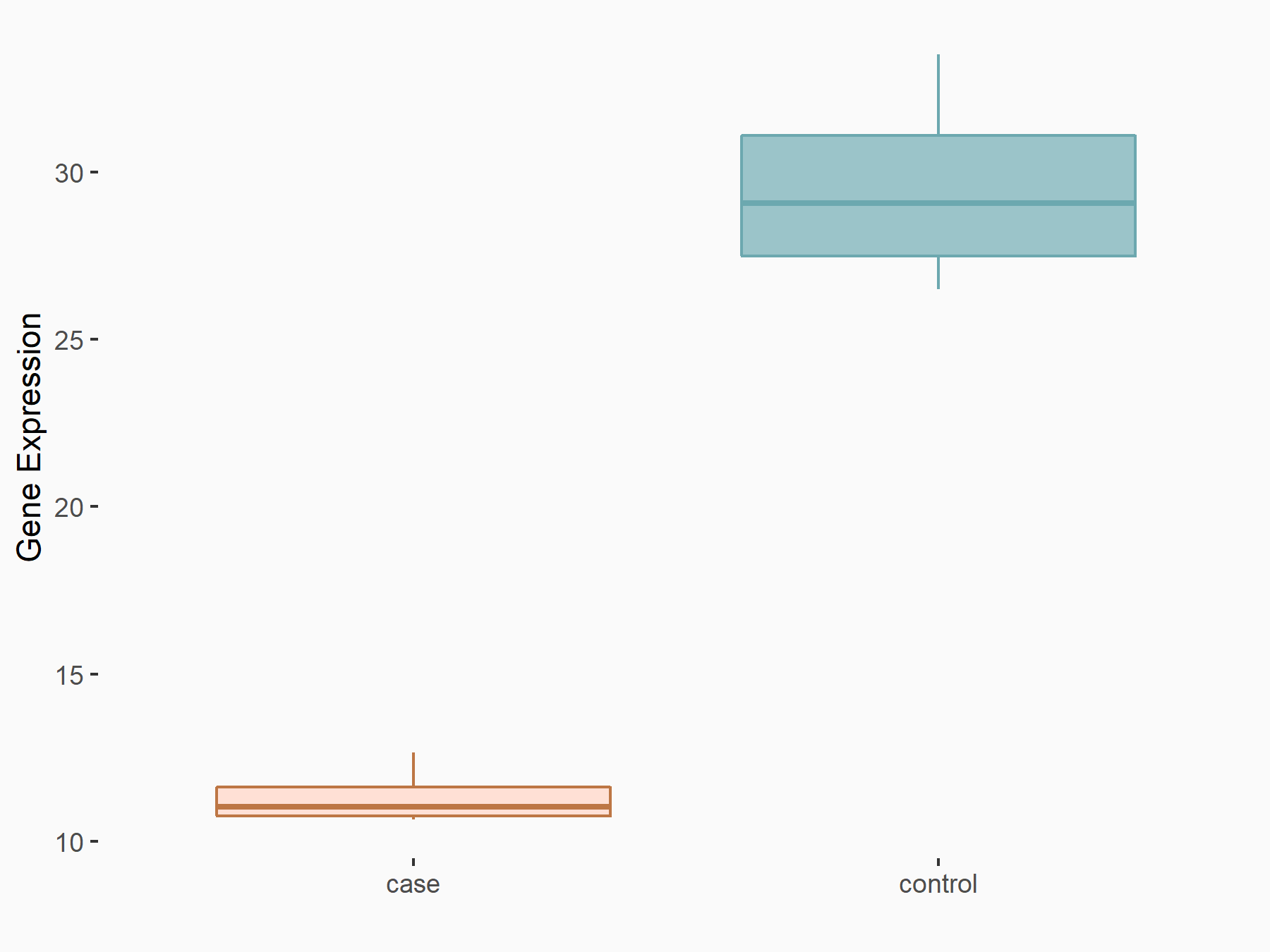 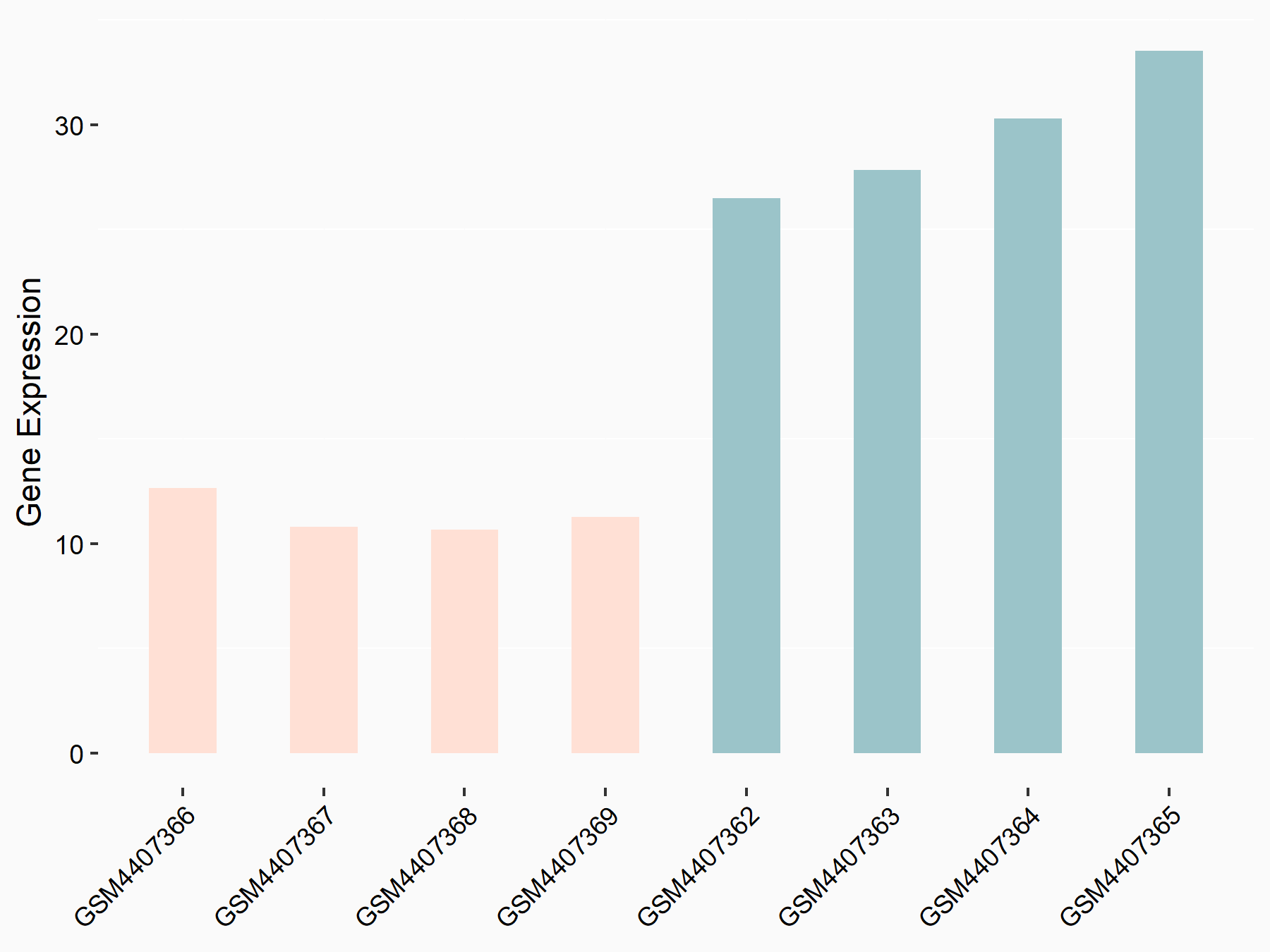 |
logFC: -1.30E+00 p-value: 3.62E-06 |
| More Results | Click to View More RNA-seq Results | |
Liver cancer [ICD-11: 2C12]
| In total 1 item(s) under this disease | ||||
| Experiment 1 Reporting the m6A-centered Disease Response of This Target Gene | [4] | |||
| Responsed Disease | Hepatoblastoma [ICD-11: 2C12.01] | |||
| Target Regulation | Up regulation | |||
| Pathway Response | Ferroptosis | hsa04216 | ||
| Cell Process | Ferroptosis | |||
In-vitro Model |
HuH-6 | Hepatoblastoma | Homo sapiens | CVCL_4381 |
| Hep-G2 | Hepatoblastoma | Homo sapiens | CVCL_0027 | |
| HEK293T | Normal | Homo sapiens | CVCL_0063 | |
| Response Summary | METTL3-mediated Cystine/glutamate transporter (SLC7A11) m6A modification enhances hepatoblastoma ferroptosis resistance. The METTL3/IGF2BP1/m6A modification promotes SLC7A11 mRNA stability and upregulates its expression by inhibiting the deadenylation process. | |||
Unspecific body region injury [ICD-11: ND56]
| In total 1 item(s) under this disease | ||||
| Experiment 1 Reporting the m6A-centered Disease Response of This Target Gene | [22] | |||
| Responsed Disease | Peripheral nerve injury [ICD-11: ND56.4] | |||
| Target Regulation | Up regulation | |||
Fascin (FSCN1)
| Representative RNA-seq result indicating the expression of this target gene regulated by IGF2BP1 | ||
| Cell Line | HepG2 cell line | Homo sapiens |
|
Treatment: siIGF2BP1 HepG2 cells
Control: siControl HepG2 cells
|
GSE161086 | |
| Regulation |
  |
logFC: 9.48E-01 p-value: 8.70E-06 |
| More Results | Click to View More RNA-seq Results | |
Liver cancer [ICD-11: 2C12]
| In total 1 item(s) under this disease | ||||
| Experiment 1 Reporting the m6A-centered Disease Response of This Target Gene | [5] | |||
| Responsed Disease | Hepatocellular carcinoma [ICD-11: 2C12.02] | |||
| Cell Process | RNA decay | |||
In-vitro Model |
Hep-G2 | Hepatoblastoma | Homo sapiens | CVCL_0027 |
| HEK293T | Normal | Homo sapiens | CVCL_0063 | |
| HeLa | Endocervical adenocarcinoma | Homo sapiens | CVCL_0030 | |
| Hep-G2 | Hepatoblastoma | Homo sapiens | CVCL_0027 | |
| Response Summary | In contrast to the mRNA-decay-promoting function of YTH domain-containing family protein 2, IGF2BPs promote the stability and storage of their target mRNAs (for example, MYC) in an m6A-dependent manner under normal and stress conditions and therefore affect gene expression output. Four representative high confidence targets, including MYC, Fascin (FSCN1), TK1, and MARCKSL1, exhibit strong binding with IGF2BPs around their m6A motifs in control cells. Knocking down of each individual IGF2BPs in Hela (cervical cancer) and HepG2 (liver cancer) cells significantly repressed MYC expression. | |||
Cervical cancer [ICD-11: 2C77]
| In total 1 item(s) under this disease | ||||
| Experiment 1 Reporting the m6A-centered Disease Response of This Target Gene | [5] | |||
| Responsed Disease | Cervical cancer [ICD-11: 2C77] | |||
| Cell Process | RNA decay | |||
In-vitro Model |
Hep-G2 | Hepatoblastoma | Homo sapiens | CVCL_0027 |
| HEK293T | Normal | Homo sapiens | CVCL_0063 | |
| HeLa | Endocervical adenocarcinoma | Homo sapiens | CVCL_0030 | |
| Hep-G2 | Hepatoblastoma | Homo sapiens | CVCL_0027 | |
| Response Summary | In contrast to the mRNA-decay-promoting function of YTH domain-containing family protein 2, IGF2BPs promote the stability and storage of their target mRNAs (for example, MYC) in an m6A-dependent manner under normal and stress conditions and therefore affect gene expression output. Four representative high confidence targets, including MYC, Fascin (FSCN1), TK1, and MARCKSL1, exhibit strong binding with IGF2BPs around their m6A motifs in control cells. Knocking down of each individual IGF2BPs in Hela (cervical cancer) and HepG2 (liver cancer) cells significantly repressed MYC expression. | |||
Histone-lysine N-methyltransferase EZH2 (EZH2)
| Representative RNA-seq result indicating the expression of this target gene regulated by IGF2BP1 | ||
| Cell Line | PANC-1 cell line | Homo sapiens |
|
Treatment: siIGF2BP1 PANC-1 cells
Control: siControl PANC-1 cells
|
GSE161087 | |
| Regulation |
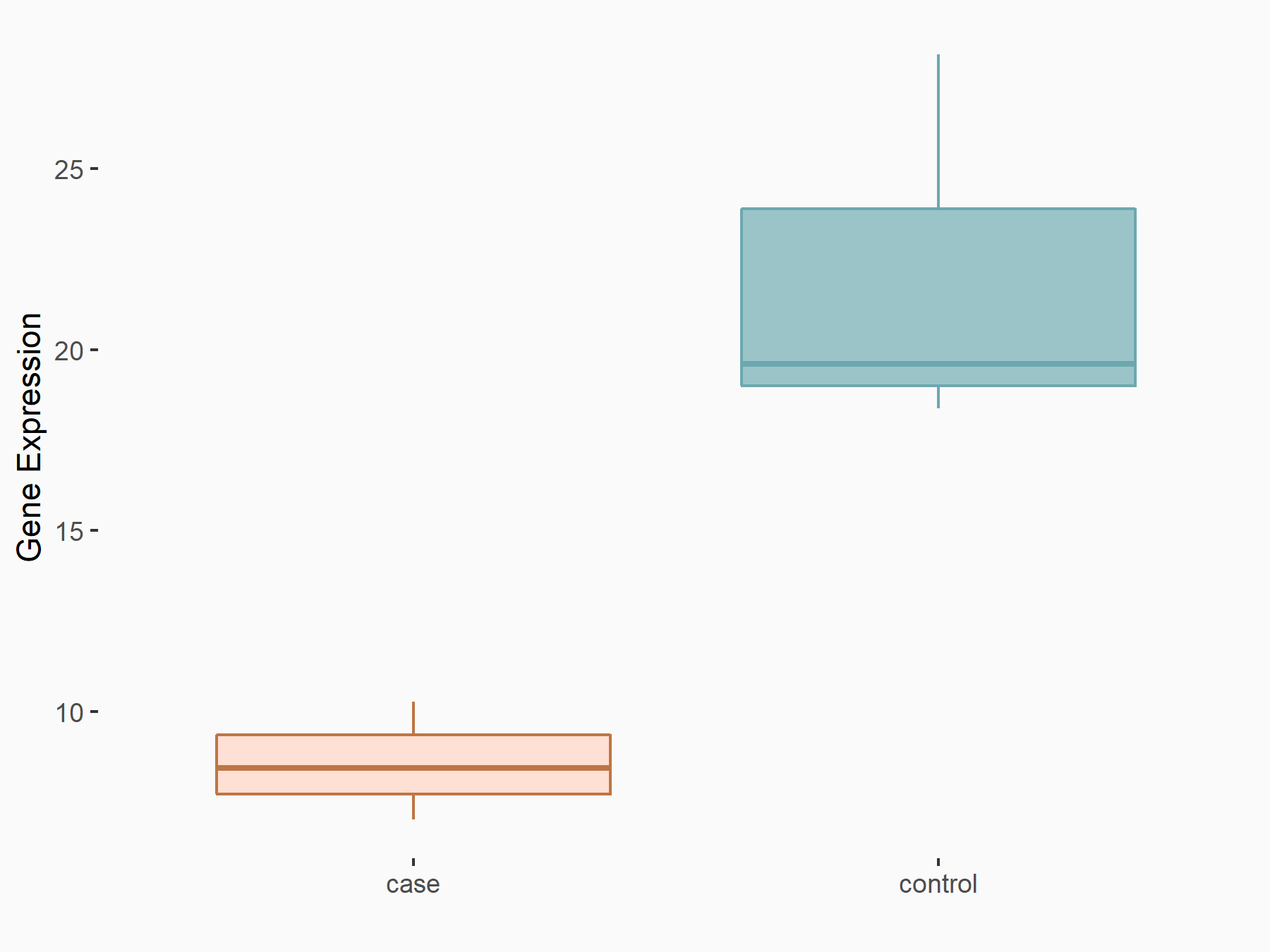 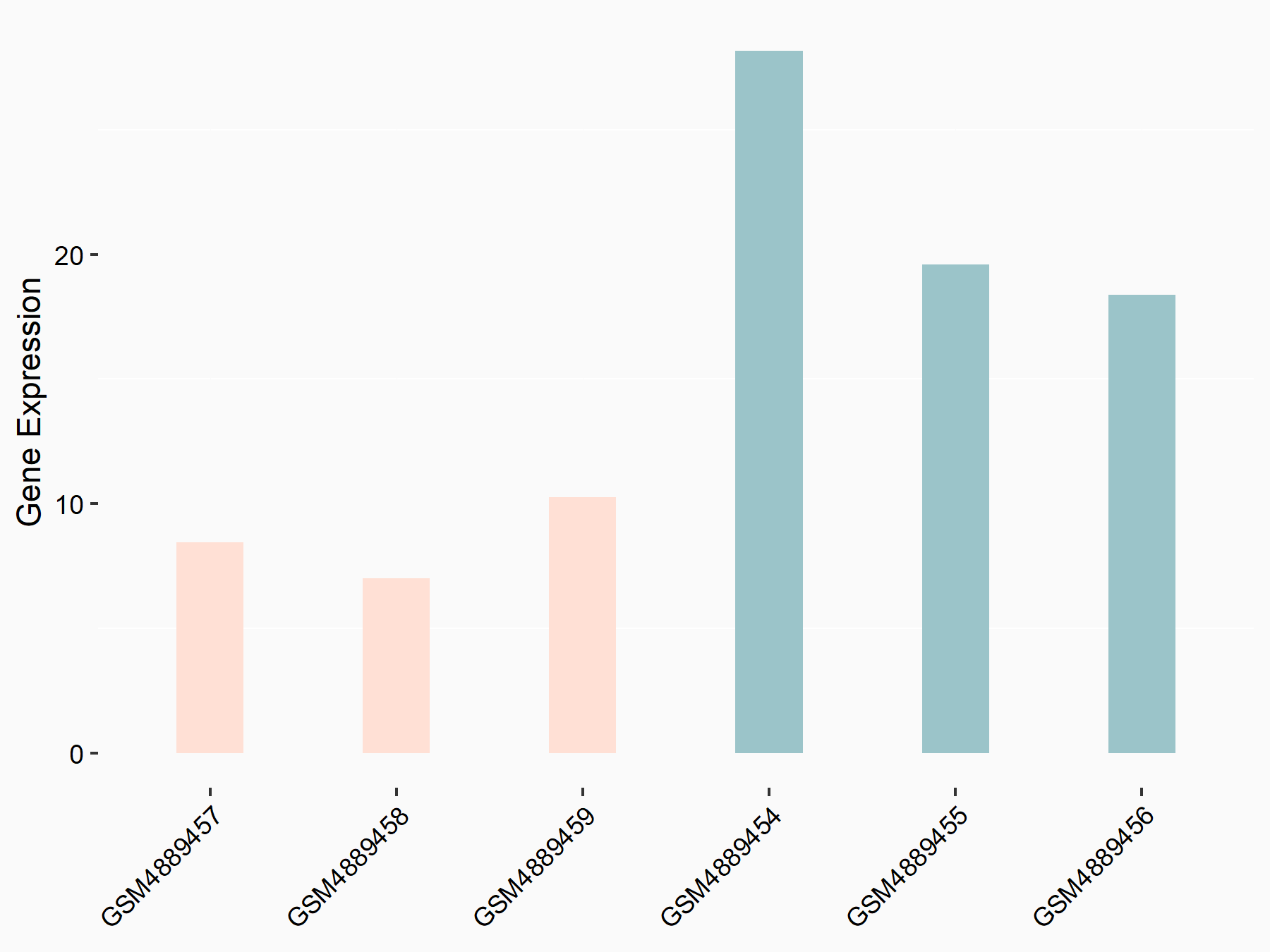 |
logFC: -1.26E+00 p-value: 4.20E-03 |
| More Results | Click to View More RNA-seq Results | |
Neuroendocrine neoplasms [ICD-11: 2D4Y]
| In total 1 item(s) under this disease | ||||
| Experiment 1 Reporting the m6A-centered Disease Response of This Target Gene | [6] | |||
| Responsed Disease | Neuroendocrine neoplasms [ICD-11: 2D4Y] | |||
| Target Regulation | Up regulation | |||
| Pathway Response | Cell cycle | hsa04110 | ||
| Cell Process | Increase in G1 and sub-G1 phases | |||
In-vitro Model |
NCI-H727 | Lung carcinoid tumor | Homo sapiens | CVCL_1584 |
| COLO 320DM | Colon adenocarcinoma | Homo sapiens | CVCL_0219 | |
| In-vivo Model | RIP1-Tag2 mice were purchased from NCI Mouse Repository (Bethesda, Rockville, MD, USA) and maintained in a C57BL/6N background. | |||
| Response Summary | This data identify IGF2BP1 as an important driver of tumor progression in NEN, and indicate that disruption of the IGF2BP1-Myc-Histone-lysine N-methyltransferase EZH2 (EZH2) axis represents a promising approach for targeted therapy of neuroendocrine neoplasms. | |||
Homeobox protein Hox-B4 (HOXB4)
| Representative RNA-seq result indicating the expression of this target gene regulated by IGF2BP1 | ||
| Cell Line | PANC-1 cell line | Homo sapiens |
|
Treatment: siIGF2BP1 PANC-1 cells
Control: siControl PANC-1 cells
|
GSE161087 | |
| Regulation |
  |
logFC: -9.62E-01 p-value: 3.85E-02 |
| More Results | Click to View More RNA-seq Results | |
Acute myeloid leukaemia [ICD-11: 2A60]
| In total 1 item(s) under this disease | ||||
| Experiment 1 Reporting the m6A-centered Disease Response of This Target Gene | [1] | |||
| Responsed Disease | Acute myeloid leukaemia [ICD-11: 2A60] | |||
| Target Regulation | Up regulation | |||
In-vitro Model |
MOLT-16 | T acute lymphoblastic leukemia | Homo sapiens | CVCL_1424 |
| Reh | B acute lymphoblastic leukemia | Homo sapiens | CVCL_1650 | |
| SKNO-1 | Myeloid leukemia with maturation | Homo sapiens | CVCL_2196 | |
| Tanoue | B acute lymphoblastic leukemia | Homo sapiens | CVCL_1852 | |
| In-vivo Model | For the engraftment experiments, 1×10³ 1×10⁶ cells were injected into tail veins of non-irradiated 6-10 week-old female mice in 100 uL of DPBS per mouse. No blinding or randomization was applied to mice experiments. Routinely, each in vivo experiment was performed with three technical replicates (three mice per group) and independently repeated two to three times for each cell line. | |||
| Response Summary | IGF2BP1 decreases leukemia cells' tumorigenicity, promotes myeloid differentiation, increases leukemia cell death, and sensitizes acute myeloid leukemia cells to chemotherapeutic drugs. IGF2BP1 affects proliferation and tumorigenic potential of leukemia cells through critical regulators of self-renewal Homeobox protein Hox-B4 (HOXB4) and MYB and through regulation of expression of the aldehyde dehydrogenase, ALDH1A1. | |||
Interleukin enhancer-binding factor 3 (ILF3)
| Representative RNA-seq result indicating the expression of this target gene regulated by IGF2BP1 | ||
| Cell Line | PANC-1 cell line | Homo sapiens |
|
Treatment: siIGF2BP1 PANC-1 cells
Control: siControl PANC-1 cells
|
GSE161087 | |
| Regulation |
  |
logFC: -9.14E-01 p-value: 4.02E-03 |
| More Results | Click to View More RNA-seq Results | |
Liver cancer [ICD-11: 2C12]
| In total 1 item(s) under this disease | ||||
| Experiment 1 Reporting the m6A-centered Disease Response of This Target Gene | [7] | |||
| Responsed Disease | Hepatocellular carcinoma [ICD-11: 2C12.02] | |||
| Target Regulation | Up regulation | |||
In-vitro Model |
Huh-7 | Adult hepatocellular carcinoma | Homo sapiens | CVCL_0336 |
| Hep 3B2.1-7 | Childhood hepatocellular carcinoma | Homo sapiens | CVCL_0326 | |
| HEK293T | Normal | Homo sapiens | CVCL_0063 | |
| In-vivo Model | Approximately 5 × 10⁶ control and ILF3-AS1 silencing Huh7 cells were subcutaneously implanted into the right flank of nude mice.Xenograft size was measured every 7 days and calculated using the equation V(mm3)=(length×width2)/2. 35 days later, the mice were sacrificed, and the tumor tissues were isolated and weighed. | |||
| Response Summary | ILF3-AS1 expression was significantly elevated in HCC tissues,mechanistically, ILF3-AS1 associated with Interleukin enhancer-binding factor 3 (ILF3) mRNA and inhibited its degradation. ILF3-AS1 increased ILF3 m6A level via recruiting N6-methyladenosine (m6A) RNA methyltransferase METTL3. Moreover, IFL3-AS1 enhanced the interaction between ILF3 mRNA and m6A reader IGF2BP1. | |||
Leukocyte surface antigen CD47 (CD47)
| Representative RNA-seq result indicating the expression of this target gene regulated by IGF2BP1 | ||
| Cell Line | PANC-1 cell line | Homo sapiens |
|
Treatment: siIGF2BP1 PANC-1 cells
Control: siControl PANC-1 cells
|
GSE161087 | |
| Regulation |
  |
logFC: -8.42E-01 p-value: 5.16E-03 |
| More Results | Click to View More RNA-seq Results | |
Liver cancer [ICD-11: 2C12]
| In total 1 item(s) under this disease | ||||
| Experiment 1 Reporting the m6A-centered Disease Response of This Target Gene | [8] | |||
| Responsed Disease | Hepatocellular carcinoma [ICD-11: 2C12.02] | |||
| Target Regulation | Up regulation | |||
| Cell Process | Epithelial-mesenchymal transition | |||
In-vitro Model |
Huh-7 | Adult hepatocellular carcinoma | Homo sapiens | CVCL_0336 |
| HCCLM3 | Adult hepatocellular carcinoma | Homo sapiens | CVCL_6832 | |
| Response Summary | METTL3/IGF2BP1/Leukocyte surface antigen CD47 (CD47) mediated EMT transition contributes to the incomplete ablation induced metastasis in HCC cells. | |||
MARCKS-related protein (MARCKSL1)
| Representative RNA-seq result indicating the expression of this target gene regulated by IGF2BP1 | ||
| Cell Line | A549 cell line | Homo sapiens |
|
Treatment: IGF2BP1 knockout A549 cells
Control: Wild type A549 cells
|
GSE146546 | |
| Regulation |
  |
logFC: -9.80E-01 p-value: 8.88E-07 |
| More Results | Click to View More RNA-seq Results | |
Liver cancer [ICD-11: 2C12]
| In total 1 item(s) under this disease | ||||
| Experiment 1 Reporting the m6A-centered Disease Response of This Target Gene | [5] | |||
| Responsed Disease | Hepatocellular carcinoma [ICD-11: 2C12.02] | |||
| Cell Process | RNA decay | |||
In-vitro Model |
Hep-G2 | Hepatoblastoma | Homo sapiens | CVCL_0027 |
| HEK293T | Normal | Homo sapiens | CVCL_0063 | |
| HeLa | Endocervical adenocarcinoma | Homo sapiens | CVCL_0030 | |
| Hep-G2 | Hepatoblastoma | Homo sapiens | CVCL_0027 | |
| Response Summary | In contrast to the mRNA-decay-promoting function of YTH domain-containing family protein 2, IGF2BPs promote the stability and storage of their target mRNAs (for example, MYC) in an m6A-dependent manner under normal and stress conditions and therefore affect gene expression output. Four representative high confidence targets, including MYC, FSCN1, TK1, and MARCKS-related protein (MARCKSL1), exhibit strong binding with IGF2BPs around their m6A motifs in control cells. Knocking down of each individual IGF2BPs in Hela (cervical cancer) and HepG2 (liver cancer) cells significantly repressed MYC expression. | |||
Cervical cancer [ICD-11: 2C77]
| In total 1 item(s) under this disease | ||||
| Experiment 1 Reporting the m6A-centered Disease Response of This Target Gene | [5] | |||
| Responsed Disease | Cervical cancer [ICD-11: 2C77] | |||
| Cell Process | RNA decay | |||
In-vitro Model |
Hep-G2 | Hepatoblastoma | Homo sapiens | CVCL_0027 |
| HEK293T | Normal | Homo sapiens | CVCL_0063 | |
| HeLa | Endocervical adenocarcinoma | Homo sapiens | CVCL_0030 | |
| Hep-G2 | Hepatoblastoma | Homo sapiens | CVCL_0027 | |
| Response Summary | In contrast to the mRNA-decay-promoting function of YTH domain-containing family protein 2, IGF2BPs promote the stability and storage of their target mRNAs (for example, MYC) in an m6A-dependent manner under normal and stress conditions and therefore affect gene expression output. Four representative high confidence targets, including MYC, FSCN1, TK1, and MARCKS-related protein (MARCKSL1), exhibit strong binding with IGF2BPs around their m6A motifs in control cells. Knocking down of each individual IGF2BPs in Hela (cervical cancer) and HepG2 (liver cancer) cells significantly repressed MYC expression. | |||
Myc proto-oncogene protein (MYC)
| Representative RNA-seq result indicating the expression of this target gene regulated by IGF2BP1 | ||
| Cell Line | HepG2 cell line | Homo sapiens |
|
Treatment: siIGF2BP1 HepG2 cells
Control: siControl HepG2 cells
|
GSE161086 | |
| Regulation |
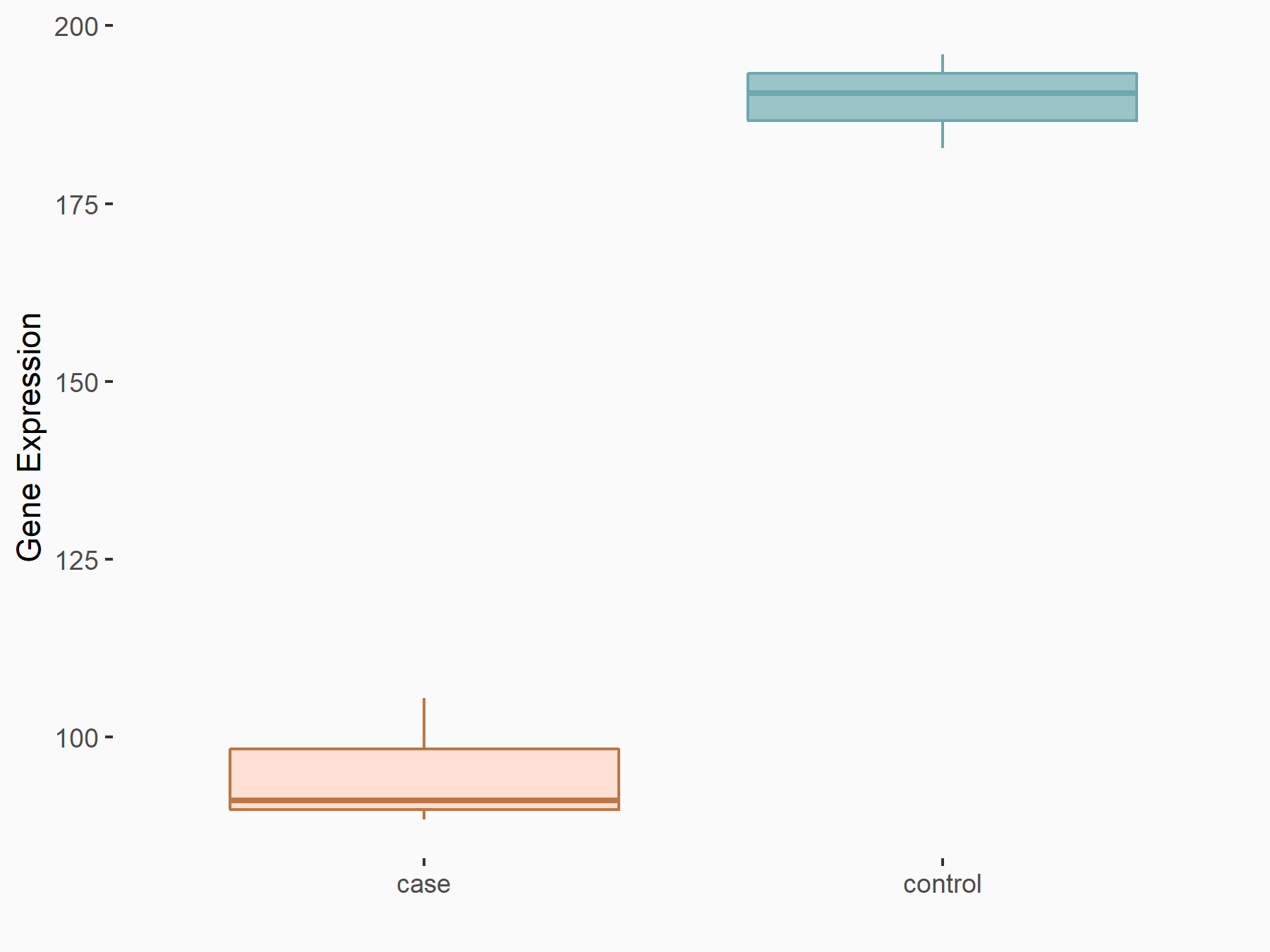 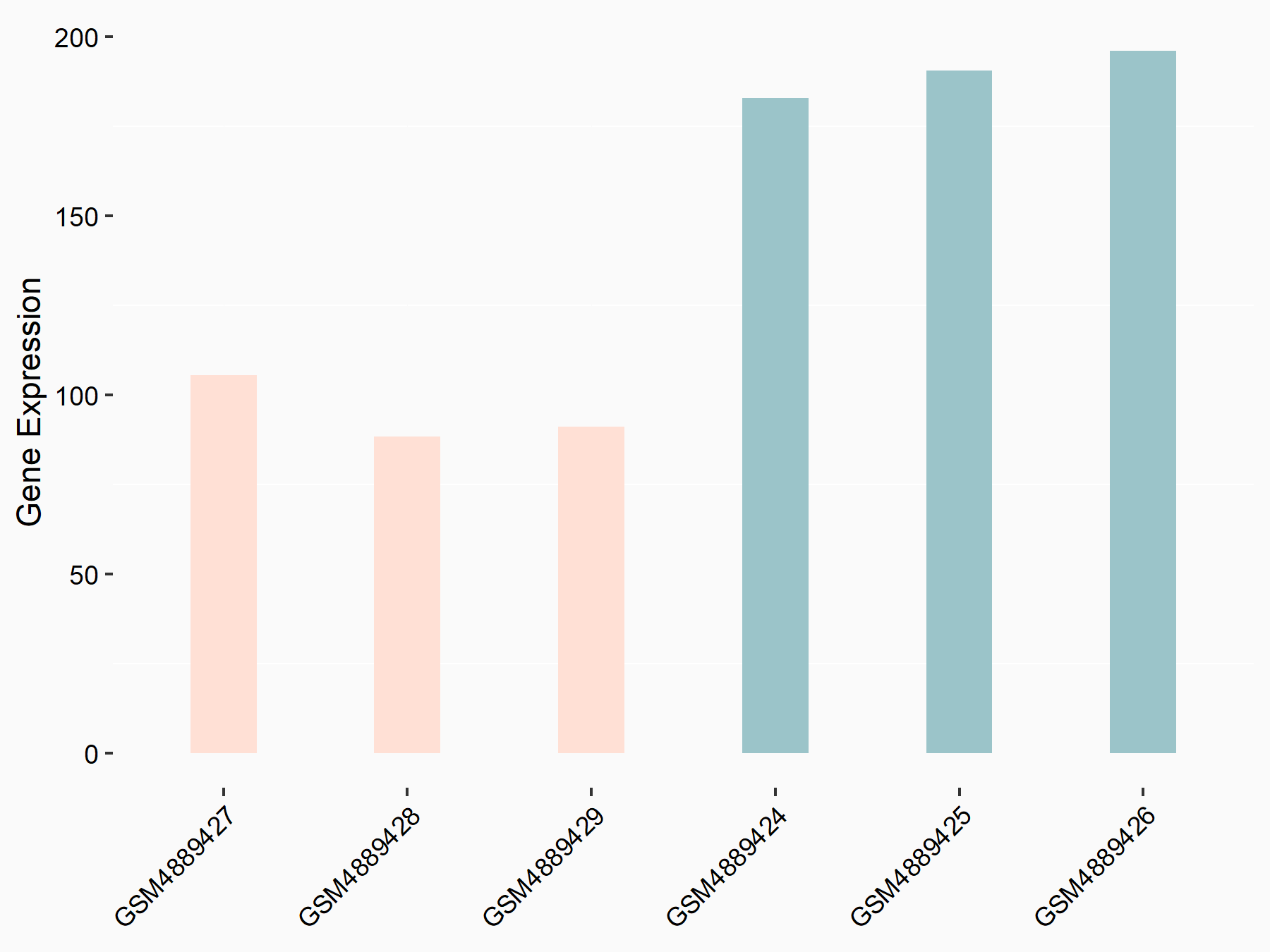 |
logFC: -9.94E-01 p-value: 1.72E-04 |
| More Results | Click to View More RNA-seq Results | |
Malignant haematopoietic neoplasm [ICD-11: 2B33]
| In total 1 item(s) under this disease | ||||
| Experiment 1 Reporting the m6A-centered Disease Response of This Target Gene | [2] | |||
| Responsed Disease | Myeloid leukaemia [ICD-11: 2B33.1] | |||
| Target Regulation | Up regulation | |||
| Cell Process | Cell apoptosis | |||
In-vitro Model |
Leukemia stem cell line (Leukemia stem cell line) | |||
| Kasumi-1 | Myeloid leukemia with maturation | Homo sapiens | CVCL_0589 | |
| MOLM-13 | Adult acute myeloid leukemia | Homo sapiens | CVCL_2119 | |
| THP-1 | Childhood acute monocytic leukemia | Homo sapiens | CVCL_0006 | |
| MV4-11 | Childhood acute monocytic leukemia | Homo sapiens | CVCL_0064 | |
| BV-173 | Chronic myelogenous leukemia | Homo sapiens | CVCL_0181 | |
| NOMO-1 | Adult acute monocytic leukemia | Homo sapiens | CVCL_1609 | |
| K-562 | Chronic myelogenous leukemia | Homo sapiens | CVCL_0004 | |
| KG-1a | Adult acute myeloid leukemia | Homo sapiens | CVCL_1824 | |
| Response Summary | YBX1 selectively functions in regulating survival of myeloid leukemia cells. YBX1 interacts with insulin-like growth factor 2 messenger RNA (mRNA)-binding proteins (IGF2BPs) and stabilizes m6A-tagged RNA. YBX1 deficiency dysregulates the expression of apoptosis-related genes and promotes mRNA decay of Myc proto-oncogene protein (MYC) and BCL2 in an m6A-dependent manner, which contributes to the defective survival that results from deletion of YBX1. | |||
Gastric cancer [ICD-11: 2B72]
| In total 1 item(s) under this disease | ||||
| Experiment 1 Reporting the m6A-centered Disease Response of This Target Gene | [9] | |||
| Responsed Disease | Gastric cancer [ICD-11: 2B72] | |||
| Target Regulation | Up regulation | |||
| Pathway Response | Central carbon metabolism in cancer | hsa05230 | ||
| Glycolysis / Gluconeogenesis | hsa00010 | |||
| Cell Process | Aerobic glycolysis | |||
In-vitro Model |
SNU-216 | Gastric tubular adenocarcinoma | Homo sapiens | CVCL_3946 |
| MKN45 | Gastric adenocarcinoma | Homo sapiens | CVCL_0434 | |
| HGC-27 | Gastric carcinoma | Homo sapiens | CVCL_1279 | |
| GES-1 | Normal | Homo sapiens | CVCL_EQ22 | |
| AGS | Gastric adenocarcinoma | Homo sapiens | CVCL_0139 | |
| In-vivo Model | A total of 5 × 10⁶ transfected MKN-45 cells, stably transfected with sh-IGF2BP1 vector or empty vector were subcutaneously injected into the flank of the mice. Tumor growth was measured every three days, and calculated using the following equation = a × b2/2 (a for longitudinal diameter; and b for latitudinal diameter). Three weeks after injection, mice were sacrificed. | |||
| Response Summary | IGF2BP1 upregulated in GC tissue and acted as a predictor of poor prognosis for GC patients. IGF2BP1 directly interacted with Myc proto-oncogene protein (MYC) mRNA via m6A-dependent manner to by stabilize its stability. | |||
Liver cancer [ICD-11: 2C12]
| In total 2 item(s) under this disease | ||||
| Experiment 1 Reporting the m6A-centered Disease Response of This Target Gene | [5] | |||
| Responsed Disease | Hepatocellular carcinoma [ICD-11: 2C12.02] | |||
| Cell Process | RNA decay | |||
In-vitro Model |
Hep-G2 | Hepatoblastoma | Homo sapiens | CVCL_0027 |
| HEK293T | Normal | Homo sapiens | CVCL_0063 | |
| HeLa | Endocervical adenocarcinoma | Homo sapiens | CVCL_0030 | |
| Hep-G2 | Hepatoblastoma | Homo sapiens | CVCL_0027 | |
| Response Summary | In contrast to the mRNA-decay-promoting function of YTH domain-containing family protein 2, IGF2BPs promote the stability and storage of their target mRNAs (for example, MYC) in an m6A-dependent manner under normal and stress conditions and therefore affect gene expression output. Four representative high confidence targets, including Myc proto-oncogene protein (MYC), FSCN1, TK1, and MARCKSL1, exhibit strong binding with IGF2BPs around their m6A motifs in control cells. Knocking down of each individual IGF2BPs in Hela (cervical cancer) and HepG2 (liver cancer) cells significantly repressed MYC expression. | |||
| Experiment 2 Reporting the m6A-centered Disease Response of This Target Gene | [33] | |||
| Responsed Disease | Intrahepatic cholangiocarcinoma [ICD-11: 2C12.10] | |||
| Responsed Drug | BTYNB | Investigative | ||
Breast cancer [ICD-11: 2C60]
| In total 1 item(s) under this disease | ||||
| Experiment 1 Reporting the m6A-centered Disease Response of This Target Gene | [10] | |||
| Responsed Disease | Breast cancer [ICD-11: 2C60] | |||
| Target Regulation | Up regulation | |||
| Pathway Response | Signaling pathways regulating pluripotency of stem cells | hsa04550 | ||
In-vitro Model |
BT-474 | Invasive breast carcinoma | Homo sapiens | CVCL_0179 |
| BT-549 | Invasive breast carcinoma | Homo sapiens | CVCL_1092 | |
| HEK293T | Normal | Homo sapiens | CVCL_0063 | |
| Hs 578T | Invasive breast carcinoma | Homo sapiens | CVCL_0332 | |
| MCF-7 | Invasive breast carcinoma | Homo sapiens | CVCL_0031 | |
| MDA-MB-231 | Breast adenocarcinoma | Homo sapiens | CVCL_0062 | |
| MDA-MB-453 | Breast adenocarcinoma | Homo sapiens | CVCL_0418 | |
| MDA-MB-468 | Breast adenocarcinoma | Homo sapiens | CVCL_0419 | |
| T-47D | Invasive breast carcinoma | Homo sapiens | CVCL_0553 | |
| In-vivo Model | The enriched mammosphere cells derived from engineered BT549 and Hs578T with silenced lncRNA KB-1980E6.3 (shKB/vector), BT549, and Hs578T with lncRNA KB-1980E6.3 knockdown combined with ectopic c-Myc (shKB/c-Myc), BT549, and Hs578T with silenced IGF2BP1 (shIGF2BP1/vector), BT549, and Hs578T with knocked down IGF2BP1 combined with ectopic c-Myc (shIGF2BP1/c-Myc), and BT549, and Hs578T/shNC/vector control cells were used in Xenograft experiments. Three doses (1 × 10⁵, 1 × 10⁴ and 1 × 10³) of spheres derived from the engineered Hs578T and 1 × 10⁵ of spheres derived from the engineered BT549 were subcutaneously inoculated into 4- to 6-week-old female nude mice (n = 5 per group). Mice were then treated with either bevacizumab (10 mg/kg every 3 days) to form a hypoxic tumor microenvironment or vehicle PBS to form a non-hypoxic condition. | |||
| Response Summary | Hypoxia-induced lncRNA KB-1980E6.3 is involved in the self-renewal and stemness maintenance of breast cancer stem cells by recruiting IGF2BP1 to regulate Myc proto-oncogene protein (MYC) mRNA stability. | |||
Cervical cancer [ICD-11: 2C77]
| In total 1 item(s) under this disease | ||||
| Experiment 1 Reporting the m6A-centered Disease Response of This Target Gene | [5] | |||
| Responsed Disease | Cervical cancer [ICD-11: 2C77] | |||
| Cell Process | RNA decay | |||
In-vitro Model |
Hep-G2 | Hepatoblastoma | Homo sapiens | CVCL_0027 |
| HEK293T | Normal | Homo sapiens | CVCL_0063 | |
| HeLa | Endocervical adenocarcinoma | Homo sapiens | CVCL_0030 | |
| Hep-G2 | Hepatoblastoma | Homo sapiens | CVCL_0027 | |
| Response Summary | In contrast to the mRNA-decay-promoting function of YTH domain-containing family protein 2, IGF2BPs promote the stability and storage of their target mRNAs (for example, MYC) in an m6A-dependent manner under normal and stress conditions and therefore affect gene expression output. Four representative high confidence targets, including Myc proto-oncogene protein (MYC), FSCN1, TK1, and MARCKSL1, exhibit strong binding with IGF2BPs around their m6A motifs in control cells. Knocking down of each individual IGF2BPs in Hela (cervical cancer) and HepG2 (liver cancer) cells significantly repressed MYC expression. | |||
Acute myeloid leukaemia [ICD-11: 2A60]
| In total 1 item(s) under this disease | ||||
| Experiment 1 Reporting the m6A-centered Disease Response of This Target Gene | [29] | |||
| Responsed Disease | Acute myeloid leukaemia [ICD-11: 2A60] | |||
| Responsed Drug | Cytarabine | Approved | ||
| Target Regulation | Up regulation | |||
In-vitro Model |
THP-1 | Childhood acute monocytic leukemia | Homo sapiens | CVCL_0006 |
| Kasumi-1 | Myeloid leukemia with maturation | Homo sapiens | CVCL_0589 | |
Pancreatic cancer [ICD-11: 2C10]
| In total 2 item(s) under this disease | ||||
| Experiment 1 Reporting the m6A-centered Disease Response of This Target Gene | [31] | |||
| Responsed Disease | Pancreatic cancer [ICD-11: 2C10] | |||
| Responsed Drug | Gemcitabine | Approved | ||
| Target Regulation | Up regulation | |||
In-vitro Model |
PANC-1 | Pancreatic ductal adenocarcinoma | Homo sapiens | CVCL_0480 |
| CFPAC-1 | Cystic fibrosis | Homo sapiens | CVCL_1119 | |
| In-vivo Model | To evaluate the effect of gemcitabine on the tumor formation ability and gemcitabine/WTAP/MYC axis in vivo, we injected 2×10⁶ PANC1 cells at logarithmic growth phase into the axilla of 4-week-old nude mice for subcutaneous tumor formation. The mice were randomly divided into phosphate buffered saline (PBS) group and gemcitabine treatment group. PBS or gemcitabine was injected into the mice via the abdominal cavity at a concentration of 50 mg/kg once every 5 days. The tumor dimension was measured every 5 days. After 30 days, the tumors were excised and weighed to compare the tumor size and volume, WTAP and MYC mRNA and protein expression was detected by real-time quantitative reverse transcription polymerase chain reaction (qRT-PCR) and immunofluorescence. | |||
| Experiment 2 Reporting the m6A-centered Disease Response of This Target Gene | [32] | |||
| Responsed Disease | Pancreatic cancer [ICD-11: 2C10] | |||
| Target Regulation | Up regulation | |||
In-vitro Model |
MCF-10A | Normal | Homo sapiens | CVCL_0598 |
| MCF-7 | Invasive breast carcinoma | Homo sapiens | CVCL_0031 | |
| In-vivo Model | Cell suspensions (2 × 10⁶ cells/mL) made with MCF-7/ADR cells stably expressing METTL3 and/or miR-221-3p inhibitor were subcutaneously implanted into each mouse. One week later, xenografted mice were injected with 0.1 mL ADR (25 mg/kg, intraperitoneal injection) twice a week. | |||
Polycomb complex protein BMI-1 (BMI1)
| Representative RNA-seq result indicating the expression of this target gene regulated by IGF2BP1 | ||
| Cell Line | PANC-1 cell line | Homo sapiens |
|
Treatment: siIGF2BP1 PANC-1 cells
Control: siControl PANC-1 cells
|
GSE161087 | |
| Regulation |
  |
logFC: -6.85E-01 p-value: 1.16E-03 |
| More Results | Click to View More RNA-seq Results | |
Head and neck squamous carcinoma [ICD-11: 2B6E]
| In total 1 item(s) under this disease | ||||
| Experiment 1 Reporting the m6A-centered Disease Response of This Target Gene | [11] | |||
| Responsed Disease | Oral squamous cell carcinoma [ICD-11: 2B6E.0] | |||
| Target Regulation | Up regulation | |||
In-vitro Model |
UM1 | Tongue squamous cell carcinoma | Homo sapiens | CVCL_VH00 |
| SCC-9 | Tongue squamous cell carcinoma | Homo sapiens | CVCL_1685 | |
| SCC-25 | Tongue squamous cell carcinoma | Homo sapiens | CVCL_1682 | |
| SCC-15 | Tongue squamous cell carcinoma | Homo sapiens | CVCL_1681 | |
| HSC-3 | Tongue squamous cell carcinoma | Homo sapiens | CVCL_1288 | |
| HOK | Normal | Hexagrammos otakii | CVCL_YE19 | |
| In-vivo Model | To construct the subcutaneous tumorigenesis model, the cells were suspended in 100 uL of PBS and Matrigel matrix (BD Biosciences, USA) (1:1) and injected into the right flanks of 6-week-old female BALB/c nude mice.To construct the lymph node metastasis model, we injected 1 × 10⁵/50 uL stably infected SCC9 cells into the left hind footpads of BALB/c mice. | |||
| Response Summary | METTL3 promotes Polycomb complex protein BMI-1 (BMI1) translation in OSCC under the cooperation with m6A reader IGF2BP1. And the study revealed that METTL3 promotes OSCC proliferation and metastasis through BMI1 m6A methylation. | |||
Pre-mRNA-splicing regulator WTAP (WTAP)
| Representative RNA-seq result indicating the expression of this target gene regulated by IGF2BP1 | ||
| Cell Line | HepG2 cell line | Homo sapiens |
|
Treatment: siIGF2BP1 HepG2 cells
Control: siControl HepG2 cells
|
GSE161086 | |
| Regulation |
  |
logFC: -7.39E-01 p-value: 8.18E-05 |
| More Results | Click to View More RNA-seq Results | |
Lung cancer [ICD-11: 2C25]
| In total 1 item(s) under this disease | ||||
| Experiment 1 Reporting the m6A-centered Disease Response of This Target Gene | [3] | |||
| Responsed Disease | Lung cancer [ICD-11: 2C25] | |||
| Cell Process | Cell apoptosis | |||
In-vitro Model |
A-549 | Lung adenocarcinoma | Homo sapiens | CVCL_0023 |
| NCI-H520 | Lung squamous cell carcinoma | Homo sapiens | CVCL_1566 | |
| HBE (Human bronchial epithelial cell line) | ||||
| LTEP-a2 | Endocervical adenocarcinoma | Homo sapiens | CVCL_6929 | |
| SK-MES-1 | Lung squamous cell carcinoma | Homo sapiens | CVCL_0630 | |
| Response Summary | GSEA revealed that KIAA1429, METTL3, and IGF2BP1 were significantly related to multiple biological behaviors, including proliferation, apoptosis, metastasis, energy metabolism, drug resistance, and recurrence, and that KIAA1429 and IGF2BP1 had potential target genes, including E2F3, Pre-mRNA-splicing regulator WTAP (WTAP), CCND1, CDK4, EGR2, YBX1, and TLX, which were associated with lung cancers. | |||
Retrotransposon-derived protein PEG10 (PEG10)
| Representative RNA-seq result indicating the expression of this target gene regulated by IGF2BP1 | ||
| Cell Line | ES-2 cell line | Homo sapiens |
|
Treatment: siIGF2BP1 ES-2 cells
Control: siControl ES-2 cells
|
GSE161087 | |
| Regulation |
  |
logFC: 1.77E+00 p-value: 9.40E-06 |
| More Results | Click to View More RNA-seq Results | |
Endometrial cancer [ICD-11: 2C76]
| In total 1 item(s) under this disease | ||||
| Experiment 1 Reporting the m6A-centered Disease Response of This Target Gene | [12] | |||
| Responsed Disease | Endometrial cancer [ICD-11: 2C76] | |||
| Target Regulation | Up regulation | |||
In-vitro Model |
RL95-2 | Endometrial adenosquamous carcinoma | Homo sapiens | CVCL_0505 |
| KLE | Endometrial adenocarcinoma | Homo sapiens | CVCL_1329 | |
| Ishikawa | Endometrial adenocarcinoma | Homo sapiens | CVCL_2529 | |
| HEC-1-B | Endometrial adenocarcinoma | Homo sapiens | CVCL_0294 | |
| HEC-1-A | Endometrial adenocarcinoma | Homo sapiens | CVCL_0293 | |
| AN3-CA | Endometrial adenocarcinoma | Homo sapiens | CVCL_0028 | |
| In-vivo Model | Six-week-old, female SCID-Berge mice were purchased from Vitalriver. EC cells with IGF2BP1 overexpression or silencing or the appropriate controls (1×10⁶) were injected into lower abdominal cavity of each mouse (n = 5 mice/group). | |||
| Response Summary | IGF2BP1 expression increased in EC, and high expression of this protein correlated with poor prognosis. IGF2BP1 can recognize m6A sites in the 3'UTR of PEG10 mRNA and recruits PABPC1 to enhance Retrotransposon-derived protein PEG10 (PEG10) mRNA stability, which consequently promotes PEG10 protein expression. | |||
Serum response factor (SRF)
| Representative RNA-seq result indicating the expression of this target gene regulated by IGF2BP1 | ||
| Cell Line | MV3 cell line | Homo sapiens |
|
Treatment: siIGF2BP1 MV3 cells
Control: siControl MV3 cells
|
GSE146803 | |
| Regulation |
  |
logFC: -9.12E-01 p-value: 4.27E-10 |
| More Results | Click to View More RNA-seq Results | |
Solid tumour/cancer [ICD-11: 2A00-2F9Z]
| In total 1 item(s) under this disease | ||||
| Experiment 1 Reporting the m6A-centered Disease Response of This Target Gene | [13] | |||
| Responsed Disease | Solid tumour/cancer [ICD-11: 2A00-2F9Z] | |||
| Target Regulation | Up regulation | |||
| Cell Process | Cell growth | |||
| Cell invasion | ||||
In-vitro Model |
A-549 | Lung adenocarcinoma | Homo sapiens | CVCL_0023 |
| Hep-G2 | Hepatoblastoma | Homo sapiens | CVCL_0027 | |
| K-562 | Chronic myelogenous leukemia | Homo sapiens | CVCL_0004 | |
| Response Summary | IGF2BP1 promotes Serum response factor (SRF) and SRF target genes at the post-transcriptional level suggesting it as a post-transcriptional enhancer of SRF itself as well as SRF-dependent gene expression in cancer cells. | |||
Signal transducer and activator of transcription 3 (STAT3)
| Representative RNA-seq result indicating the expression of this target gene regulated by IGF2BP1 | ||
| Cell Line | ES-2 cell line | Homo sapiens |
|
Treatment: siIGF2BP1 ES-2 cells
Control: siControl ES-2 cells
|
GSE161087 | |
| Regulation |
  |
logFC: 6.53E-01 p-value: 9.70E-05 |
| More Results | Click to View More RNA-seq Results | |
Atherosclerosis [ICD-11: BD40]
| In total 1 item(s) under this disease | ||||
| Experiment 1 Reporting the m6A-centered Disease Response of This Target Gene | [14] | |||
| Responsed Disease | Atherosclerosis [ICD-11: BD40.Z] | |||
| Target Regulation | Up regulation | |||
| Pathway Response | JAK-STAT signaling pathway | hsa04630 | ||
| Cell Process | Cell proliferation and migration | |||
In-vitro Model |
HUVEC-C | Normal | Homo sapiens | CVCL_2959 |
| In-vivo Model | The adeno-associated viruses (AAV) that could silence METTL3 (sh-METTL3) and the negative control adeno-associated viruses (sh-NC) were obtained from WZ Biosciences Inc. (Jinan, China). APOE-/- mice were randomly divided into AS + sh-NC and AS + sh-METTL3 groups. Each group contains five mice. Mice were fed with the standard diet for 1 week to acclimatize. After 1 week of acclimation, mice were challenged with a high-fat and high-cholesterol feed H10540 (Beijing HFK BIOSCIENCE Co., Ltd., Beijing, China). The formula of the H10540 feed was shown in Supplementary File S1. After 8 weeks of HFD feeding, sh-NC or sh-METTL3 adeno-associated virus serotype 9 (AAV9, 1012 viral genome copies per mouse) were respectively delivered into mice in AS + sh-NC or AS + sh-METTL3 group through tail vein injection. At 14 weeks after HDF feeding, mice fasted overnight. | |||
| Response Summary | METTL3 knockdown prevented Atherosclerosis progression by inhibiting JAK2/Signal transducer and activator of transcription 3 (STAT3) pathway via IGF2BP1. | |||
Thymidine kinase, cytosolic (TK1)
| Representative RNA-seq result indicating the expression of this target gene regulated by IGF2BP1 | ||
| Cell Line | MV3 cell line | Homo sapiens |
|
Treatment: siIGF2BP1 MV3 cells
Control: siControl MV3 cells
|
GSE146803 | |
| Regulation |
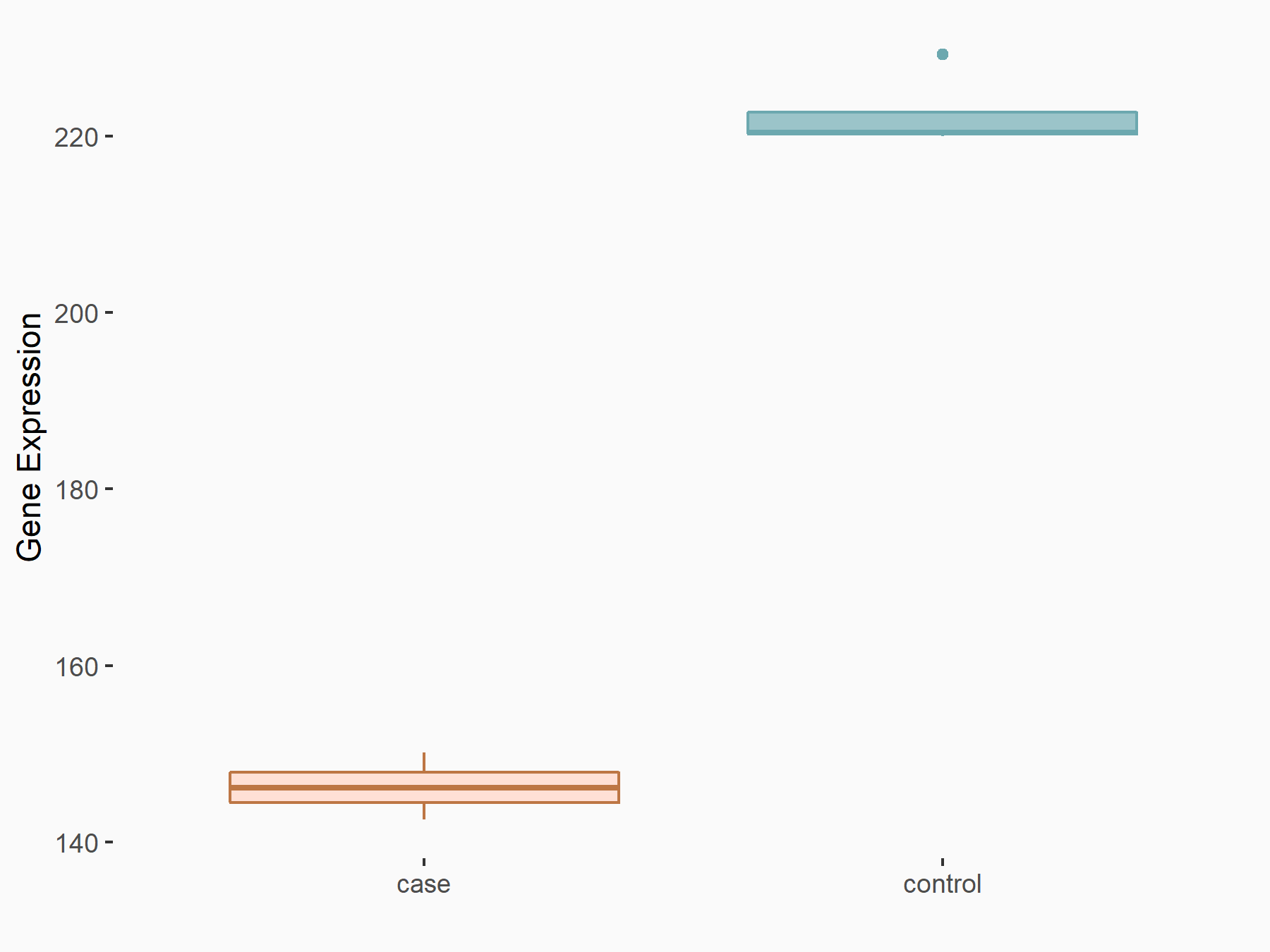 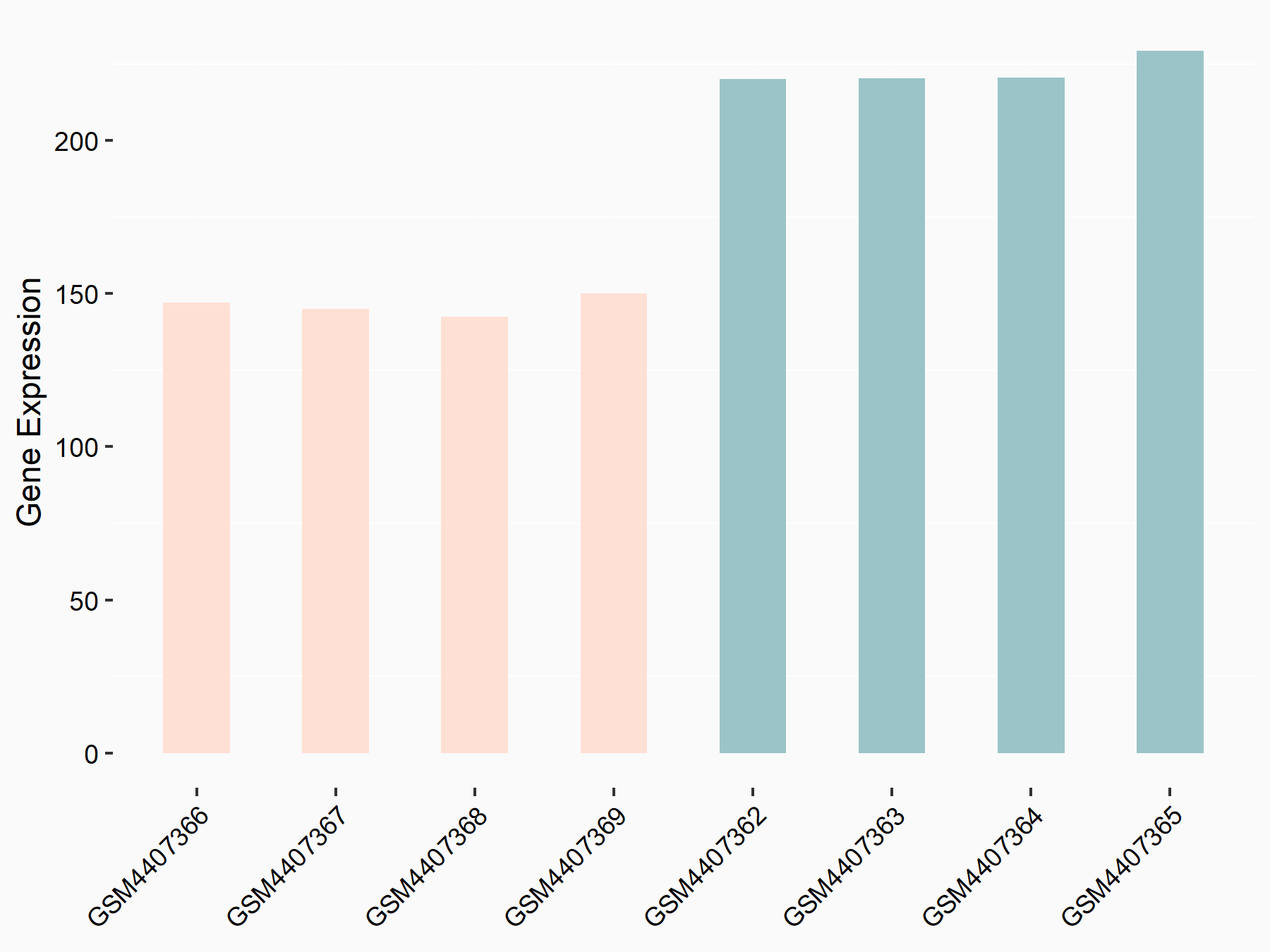 |
logFC: -6.03E-01 p-value: 6.27E-08 |
| More Results | Click to View More RNA-seq Results | |
Liver cancer [ICD-11: 2C12]
| In total 1 item(s) under this disease | ||||
| Experiment 1 Reporting the m6A-centered Disease Response of This Target Gene | [5] | |||
| Responsed Disease | Hepatocellular carcinoma [ICD-11: 2C12.02] | |||
| Cell Process | RNA decay | |||
In-vitro Model |
Hep-G2 | Hepatoblastoma | Homo sapiens | CVCL_0027 |
| HEK293T | Normal | Homo sapiens | CVCL_0063 | |
| HeLa | Endocervical adenocarcinoma | Homo sapiens | CVCL_0030 | |
| Hep-G2 | Hepatoblastoma | Homo sapiens | CVCL_0027 | |
| Response Summary | In contrast to the mRNA-decay-promoting function of YTH domain-containing family protein 2, IGF2BPs promote the stability and storage of their target mRNAs (for example, MYC) in an m6A-dependent manner under normal and stress conditions and therefore affect gene expression output. Four representative high confidence targets, including MYC, FSCN1, Thymidine kinase, cytosolic (TK1), and MARCKSL1, exhibit strong binding with IGF2BPs around their m6A motifs in control cells. Knocking down of each individual IGF2BPs in Hela (cervical cancer) and HepG2 (liver cancer) cells significantly repressed MYC expression. | |||
Cervical cancer [ICD-11: 2C77]
| In total 1 item(s) under this disease | ||||
| Experiment 1 Reporting the m6A-centered Disease Response of This Target Gene | [5] | |||
| Responsed Disease | Cervical cancer [ICD-11: 2C77] | |||
| Cell Process | RNA decay | |||
In-vitro Model |
Hep-G2 | Hepatoblastoma | Homo sapiens | CVCL_0027 |
| HEK293T | Normal | Homo sapiens | CVCL_0063 | |
| HeLa | Endocervical adenocarcinoma | Homo sapiens | CVCL_0030 | |
| Hep-G2 | Hepatoblastoma | Homo sapiens | CVCL_0027 | |
| Response Summary | In contrast to the mRNA-decay-promoting function of YTH domain-containing family protein 2, IGF2BPs promote the stability and storage of their target mRNAs (for example, MYC) in an m6A-dependent manner under normal and stress conditions and therefore affect gene expression output. Four representative high confidence targets, including MYC, FSCN1, Thymidine kinase, cytosolic (TK1), and MARCKSL1, exhibit strong binding with IGF2BPs around their m6A motifs in control cells. Knocking down of each individual IGF2BPs in Hela (cervical cancer) and HepG2 (liver cancer) cells significantly repressed MYC expression. | |||
Transcription factor AP-2 gamma (TFAP2C)
| Representative RNA-seq result indicating the expression of this target gene regulated by IGF2BP1 | ||
| Cell Line | A549 cell line | Homo sapiens |
|
Treatment: IGF2BP1 knockout A549 cells
Control: Wild type A549 cells
|
GSE146546 | |
| Regulation |
  |
logFC: 6.39E-01 p-value: 1.76E-04 |
| More Results | Click to View More RNA-seq Results | |
Testicular cancer [ICD-11: 2C80]
| In total 1 item(s) under this disease | ||||
| Experiment 1 Reporting the m6A-centered Disease Response of This Target Gene | [15] | |||
| Responsed Disease | Testicular cancer [ICD-11: 2C80] | |||
| Responsed Drug | Cisplatin | Approved | ||
| Target Regulation | Up regulation | |||
| Pathway Response | Nucleotide excision repair | hsa03420 | ||
| Cell Process | DNA repair | |||
In-vitro Model |
TCam-2 | Testicular seminoma | Homo sapiens | CVCL_T012 |
| In-vivo Model | Male mice were subcutaneously injected with tumour cells near the limbs to establish xenografts (1 × 10⁶/mouse, 0.2 mL for each injection site; METTL3-overexpressing TCam-2/CDDP cells were inoculated once at the initial time and IGF2BP1-inhibited TCam-2/CDDP cells were inoculated every 3 days). | |||
| Response Summary | METTL3 potentiates resistance to cisplatin through m6A modification of Transcription factor AP-2 gamma (TFAP2C) in seminoma. Enhanced stability of TFAP2C mRNA promoted seminoma cell survival under cisplatin treatment burden probably through up-regulation of DNA repair-related genes. IGF2BP1 binds to TFAP2C and enhances TFAP2C mRNA stability. | |||
Transcription factor E2F3 (E2F3)
| Representative RNA-seq result indicating the expression of this target gene regulated by IGF2BP1 | ||
| Cell Line | HepG2 cell line | Homo sapiens |
|
Treatment: siIGF2BP1 HepG2 cells
Control: siControl HepG2 cells
|
GSE161086 | |
| Regulation |
  |
logFC: -8.52E-01 p-value: 2.50E-03 |
| More Results | Click to View More RNA-seq Results | |
Lung cancer [ICD-11: 2C25]
| In total 1 item(s) under this disease | ||||
| Experiment 1 Reporting the m6A-centered Disease Response of This Target Gene | [3] | |||
| Responsed Disease | Lung cancer [ICD-11: 2C25] | |||
| Cell Process | Cell apoptosis | |||
In-vitro Model |
A-549 | Lung adenocarcinoma | Homo sapiens | CVCL_0023 |
| NCI-H520 | Lung squamous cell carcinoma | Homo sapiens | CVCL_1566 | |
| HBE (Human bronchial epithelial cell line) | ||||
| LTEP-a2 | Endocervical adenocarcinoma | Homo sapiens | CVCL_6929 | |
| SK-MES-1 | Lung squamous cell carcinoma | Homo sapiens | CVCL_0630 | |
| Response Summary | GSEA revealed that KIAA1429, METTL3, and IGF2BP1 were significantly related to multiple biological behaviors, including proliferation, apoptosis, metastasis, energy metabolism, drug resistance, and recurrence, and that KIAA1429 and IGF2BP1 had potential target genes, including Transcription factor E2F3 (E2F3), WTAP, CCND1, CDK4, EGR2, YBX1, and TLX, which were associated with lung cancers. | |||
Transcription factor SOX-2 (SOX2)
| Representative RNA-seq result indicating the expression of this target gene regulated by IGF2BP1 | ||
| Cell Line | A549 cell line | Homo sapiens |
|
Treatment: IGF2BP1 knockout A549 cells
Control: Wild type A549 cells
|
GSE146546 | |
| Regulation |
  |
logFC: -2.55E+00 p-value: 6.23E-05 |
| More Results | Click to View More RNA-seq Results | |
Endometrial cancer [ICD-11: 2C76]
| In total 1 item(s) under this disease | ||||
| Experiment 1 Reporting the m6A-centered Disease Response of This Target Gene | [16] | |||
| Responsed Disease | Endometrial cancer [ICD-11: 2C76] | |||
| Target Regulation | Up regulation | |||
| Cell Process | RNA stability | |||
In-vitro Model |
Ishikawa | Endometrial adenocarcinoma | Homo sapiens | CVCL_2529 |
| ECC-1 | Endometrial Cancer | Homo sapiens | CVCL_7260 | |
| In-vivo Model | Nude mice were subcutaneously injected with 1 × 10⁷ PADI2 depleted or IGF2BP1 depleted Ishikawa cells on the left flanks, and the corresponding control cells on the right flanks. | |||
| Response Summary | Dysregulation of IGF2BP1 by PADI2/MEK1/ERK signaling results in abnormal accumulation of oncogenic Transcription factor SOX-2 (SOX2) expression, therefore supporting the malignant state of EC. | |||
Translocation protein SEC62 (SEC62)
| Representative RNA-seq result indicating the expression of this target gene regulated by IGF2BP1 | ||
| Cell Line | HepG2 cell line | Homo sapiens |
|
Treatment: siIGF2BP1 HepG2 cells
Control: siControl HepG2 cells
|
GSE161086 | |
| Regulation |
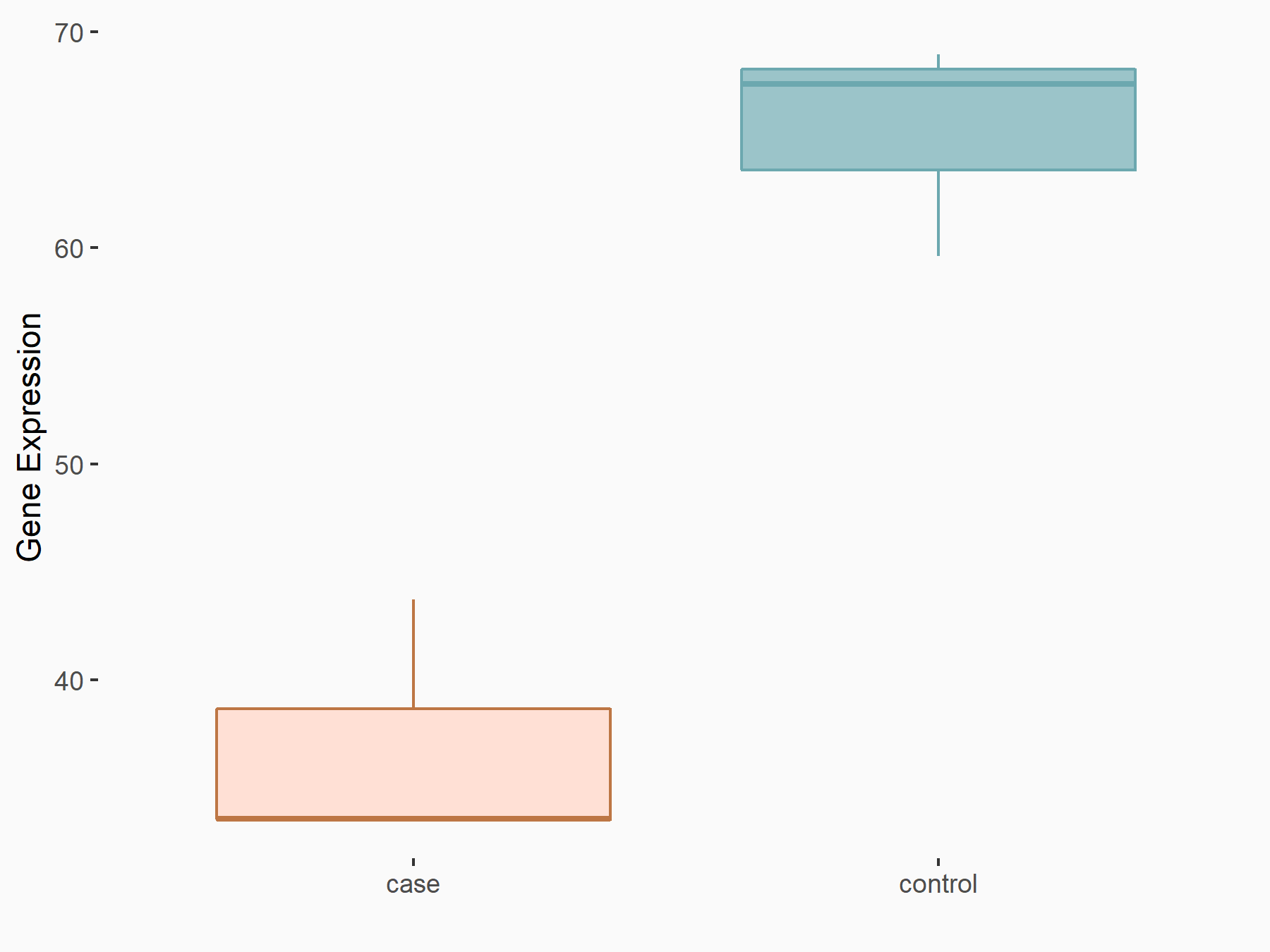 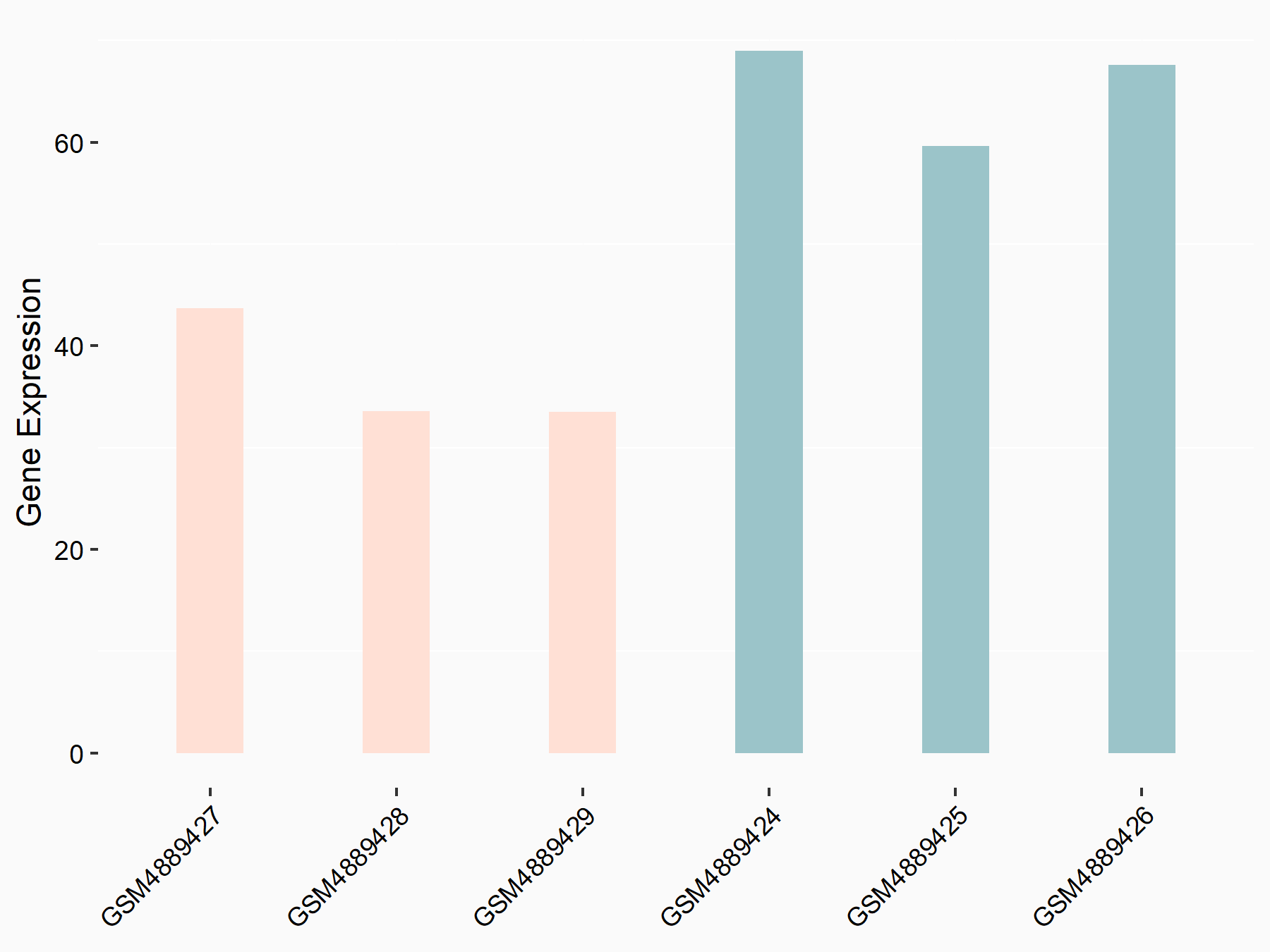 |
logFC: -8.16E-01 p-value: 3.16E-03 |
| More Results | Click to View More RNA-seq Results | |
Gastric cancer [ICD-11: 2B72]
| In total 1 item(s) under this disease | ||||
| Experiment 1 Reporting the m6A-centered Disease Response of This Target Gene | [17] | |||
| Responsed Disease | Gastric cancer [ICD-11: 2B72] | |||
| Target Regulation | Up regulation | |||
| Pathway Response | Protein processing in endoplasmic reticulum | hsa04141 | ||
| Cell Process | RNA stability | |||
| Cell apoptosis | ||||
In-vitro Model |
GES-1 | Normal | Homo sapiens | CVCL_EQ22 |
| HGC-27 | Gastric carcinoma | Homo sapiens | CVCL_1279 | |
| MGC-803 | Gastric mucinous adenocarcinoma | Homo sapiens | CVCL_5334 | |
| MKN45 | Gastric adenocarcinoma | Homo sapiens | CVCL_0434 | |
| MKN45 | Gastric adenocarcinoma | Homo sapiens | CVCL_0434 | |
| Response Summary | MiR-4429 prevented gastric cancer progression through targeting METTL3 to inhibit m6A-caused stabilization of Translocation protein SEC62 (SEC62), indicating miR-4429 as a promising target for treatment improvement for Gastric cancer. METTL3 interacted with SEC62 to induce the m6A on SEC62 mRNA, therefore facilitated the stabilizing effect of IGF2BP1 on SEC62 mRNA. | |||
Tyrosine-protein kinase JAK2 (JAK2)
| Representative RNA-seq result indicating the expression of this target gene regulated by IGF2BP1 | ||
| Cell Line | HepG2 cell line | Homo sapiens |
|
Treatment: siIGF2BP1 HepG2 cells
Control: siControl HepG2 cells
|
GSE161086 | |
| Regulation |
  |
logFC: -1.30E+00 p-value: 1.73E-03 |
| More Results | Click to View More RNA-seq Results | |
Atherosclerosis [ICD-11: BD40]
| In total 1 item(s) under this disease | ||||
| Experiment 1 Reporting the m6A-centered Disease Response of This Target Gene | [14] | |||
| Responsed Disease | Atherosclerosis [ICD-11: BD40.Z] | |||
| Target Regulation | Up regulation | |||
| Pathway Response | JAK-STAT signaling pathway | hsa04630 | ||
| Cell Process | Cell proliferation and migration | |||
In-vitro Model |
HUVEC-C | Normal | Homo sapiens | CVCL_2959 |
| In-vivo Model | The adeno-associated viruses (AAV) that could silence METTL3 (sh-METTL3) and the negative control adeno-associated viruses (sh-NC) were obtained from WZ Biosciences Inc. (Jinan, China). APOE-/- mice were randomly divided into AS + sh-NC and AS + sh-METTL3 groups. Each group contains five mice. Mice were fed with the standard diet for 1 week to acclimatize. After 1 week of acclimation, mice were challenged with a high-fat and high-cholesterol feed H10540 (Beijing HFK BIOSCIENCE Co., Ltd., Beijing, China). The formula of the H10540 feed was shown in Supplementary File S1. After 8 weeks of HFD feeding, sh-NC or sh-METTL3 adeno-associated virus serotype 9 (AAV9, 1012 viral genome copies per mouse) were respectively delivered into mice in AS + sh-NC or AS + sh-METTL3 group through tail vein injection. At 14 weeks after HDF feeding, mice fasted overnight. | |||
| Response Summary | METTL3 knockdown prevented Atherosclerosis progression by inhibiting Tyrosine-protein kinase JAK2 (JAK2)/STAT3 pathway via IGF2BP1. | |||
Ubiquitin-like modifier-activating enzyme 6 (UBA6)
| Representative RNA-seq result indicating the expression of this target gene regulated by IGF2BP1 | ||
| Cell Line | PANC-1 cell line | Homo sapiens |
|
Treatment: siIGF2BP1 PANC-1 cells
Control: siControl PANC-1 cells
|
GSE161087 | |
| Regulation |
  |
logFC: -1.00E+00 p-value: 7.50E-03 |
| More Results | Click to View More RNA-seq Results | |
Ovarian cancer [ICD-11: 2C73]
| In total 1 item(s) under this disease | ||||
| Experiment 1 Reporting the m6A-centered Disease Response of This Target Gene | [18] | |||
| Responsed Disease | Ovarian cancer [ICD-11: 2C73] | |||
| Target Regulation | Up regulation | |||
In-vitro Model |
SK-OV-3 | Ovarian serous cystadenocarcinoma | Homo sapiens | CVCL_0532 |
| OVCAR-3 | Ovarian serous adenocarcinoma | Homo sapiens | CVCL_0465 | |
| Response Summary | IGF2BP1 was identified as the m6A reader protein of UBA6-AS1-RBM15-mediated m6A modification of Ubiquitin-like modifier-activating enzyme 6 (UBA6) mRNA, which enhanced the stability of UBA6 mRNA. UBA6-AS1 suppressed the proliferation, migration and invasion of OC cells via UBA6. | |||
Y-box-binding protein 1 (YBX1)
| Representative RNA-seq result indicating the expression of this target gene regulated by IGF2BP1 | ||
| Cell Line | PANC-1 cell line | Homo sapiens |
|
Treatment: siIGF2BP1 PANC-1 cells
Control: siControl PANC-1 cells
|
GSE161087 | |
| Regulation |
  |
logFC: -6.25E-01 p-value: 4.95E-03 |
| More Results | Click to View More RNA-seq Results | |
Malignant haematopoietic neoplasm [ICD-11: 2B33]
| In total 1 item(s) under this disease | ||||
| Experiment 1 Reporting the m6A-centered Disease Response of This Target Gene | [2] | |||
| Responsed Disease | Myeloid leukaemia [ICD-11: 2B33.1] | |||
| Target Regulation | Up regulation | |||
| Cell Process | Cell apoptosis | |||
In-vitro Model |
Leukemia stem cell line (Leukemia stem cell line) | |||
| Kasumi-1 | Myeloid leukemia with maturation | Homo sapiens | CVCL_0589 | |
| MOLM-13 | Adult acute myeloid leukemia | Homo sapiens | CVCL_2119 | |
| THP-1 | Childhood acute monocytic leukemia | Homo sapiens | CVCL_0006 | |
| MV4-11 | Childhood acute monocytic leukemia | Homo sapiens | CVCL_0064 | |
| BV-173 | Chronic myelogenous leukemia | Homo sapiens | CVCL_0181 | |
| NOMO-1 | Adult acute monocytic leukemia | Homo sapiens | CVCL_1609 | |
| K-562 | Chronic myelogenous leukemia | Homo sapiens | CVCL_0004 | |
| KG-1a | Adult acute myeloid leukemia | Homo sapiens | CVCL_1824 | |
| Response Summary | Y-box-binding protein 1 (YBX1) selectively functions in regulating survival of myeloid leukemia cells. YBX1 interacts with insulin-like growth factor 2 messenger RNA (mRNA)-binding proteins (IGF2BPs) and stabilizes m6A-tagged RNA. YBX1 deficiency dysregulates the expression of apoptosis-related genes and promotes mRNA decay of MYC and BCL2 in an m6A-dependent manner, which contributes to the defective survival that results from deletion of YBX1. | |||
Lung cancer [ICD-11: 2C25]
| In total 1 item(s) under this disease | ||||
| Experiment 1 Reporting the m6A-centered Disease Response of This Target Gene | [3] | |||
| Responsed Disease | Lung cancer [ICD-11: 2C25] | |||
| Cell Process | Cell apoptosis | |||
In-vitro Model |
A-549 | Lung adenocarcinoma | Homo sapiens | CVCL_0023 |
| NCI-H520 | Lung squamous cell carcinoma | Homo sapiens | CVCL_1566 | |
| HBE (Human bronchial epithelial cell line) | ||||
| LTEP-a2 | Endocervical adenocarcinoma | Homo sapiens | CVCL_6929 | |
| SK-MES-1 | Lung squamous cell carcinoma | Homo sapiens | CVCL_0630 | |
| Response Summary | GSEA revealed that KIAA1429, METTL3, and IGF2BP1 were significantly related to multiple biological behaviors, including proliferation, apoptosis, metastasis, energy metabolism, drug resistance, and recurrence, and that KIAA1429 and IGF2BP1 had potential target genes, including E2F3, WTAP, CCND1, CDK4, EGR2, Y-box-binding protein 1 (YBX1), and TLX, which were associated with lung cancers. | |||
Bone morphogenetic protein 2 (BMP2)
Ossification of spinal ligaments [ICD-11: FA83]
| In total 1 item(s) under this disease | ||||
| Experiment 1 Reporting the m6A-centered Disease Response of This Target Gene | [19] | |||
| Responsed Disease | Ossification of spinal ligaments [ICD-11: FA83] | |||
| Target Regulation | Up regulation | |||
Cadherin-1 (CDH1)
Esophageal cancer [ICD-11: 2B70]
| In total 1 item(s) under this disease | ||||
| Experiment 1 Reporting the m6A-centered Disease Response of This Target Gene | [20] | |||
| Responsed Disease | Esophageal Squamous Cell Carcinoma [ICD-11: 2B70.1] | |||
In-vitro Model |
Eca-109 | Esophageal squamous cell carcinoma | Homo sapiens | CVCL_6898 |
| KYSE-30 | Esophageal squamous cell carcinoma | Homo sapiens | CVCL_1351 | |
Complex I-AGGG (NDUFB2)
Lung cancer [ICD-11: 2C25]
| In total 1 item(s) under this disease | ||||
| Experiment 1 Reporting the m6A-centered Disease Response of This Target Gene | [21] | |||
| Responsed Disease | Non-small-cell lung carcinoma [ICD-11: 2C25.Y] | |||
| Target Regulation | Down regulation | |||
| Pathway Response | Ubiquitin mediated proteolysis | hsa04120 | ||
| Cell Process | Tumour immunology | |||
| Ubiquitination degradation | ||||
In-vitro Model |
A-549 | Lung adenocarcinoma | Homo sapiens | CVCL_0023 |
| BEAS-2B | Normal | Homo sapiens | CVCL_0168 | |
| NCI-H1299 | Lung large cell carcinoma | Homo sapiens | CVCL_0060 | |
| NCI-H1650 | Minimally invasive lung adenocarcinoma | Homo sapiens | CVCL_1483 | |
| NCI-H1703 | Lung squamous cell carcinoma | Homo sapiens | CVCL_1490 | |
| NCI-H1975 | Lung adenocarcinoma | Homo sapiens | CVCL_1511 | |
| NCI-H460 | Lung large cell carcinoma | Homo sapiens | CVCL_0459 | |
| HCC827 | Lung adenocarcinoma | Homo sapiens | CVCL_2063 | |
| LL/2 (LLC1) | Malignant tumors | Mus musculus | CVCL_4358 | |
| In-vivo Model | A549 cells were transfected with the pZW1-FCS-circNDUFB2 plasmid or pZW1-FCS-Vector plasmid, and selected with G418 (800 ug/ml) for 4 weeks, and then 2 × 10⁶ A549 cells were subcutaneously injected into the right flank of each mouse. | |||
| Response Summary | Complex I-AGGG (NDUFB2) interacts with IGF2BP1/2/3 in NSCLC cells. circNDUFB2 participates in the degradation of IGF2BPs and activation of anti-tumor immunity during NSCLC progression via the modulation of both protein ubiquitination and degradation, as well as cellular immune responses. | |||
Cytochrome P450 1B1 (CYP1B1)
Osteoarthritis [ICD-11: FA05]
| In total 1 item(s) under this disease | ||||
| Experiment 1 Reporting the m6A-centered Disease Response of This Target Gene | [23] | |||
| Responsed Disease | Osteoarthritis [ICD-11: FA05] | |||
| Target Regulation | Up regulation | |||
| In-vivo Model | An anterior cruciate ligament transection (ACLT)-induced OA model was constructed in mice. Briefly, 10-week-old male C57BL/6 mice were anesthetized, and the skin was prepared. The knee joint capsule was opened, and the ACL was carefully transected with microsurgical scissors under a microscope. For the sham operation, the right knee joints were exposed, but the ligament was not transected. At 1 week, 3 weeks, 5 weeks and 7 weeks after the operation, 10 μl of DMEM containing 1 * 10^5 control MSCs or ALKBH5-overexpressing MSCs was injected into the knee joint with an insulin syringe (BD Bioscience, 324702), with 10 μl of DMEM as a control. | |||
E3 SUMO-protein ligase EGR2 (EGR2)
Lung cancer [ICD-11: 2C25]
| In total 1 item(s) under this disease | ||||
| Experiment 1 Reporting the m6A-centered Disease Response of This Target Gene | [3] | |||
| Responsed Disease | Lung cancer [ICD-11: 2C25] | |||
| Cell Process | Cell apoptosis | |||
In-vitro Model |
A-549 | Lung adenocarcinoma | Homo sapiens | CVCL_0023 |
| NCI-H520 | Lung squamous cell carcinoma | Homo sapiens | CVCL_1566 | |
| HBE (Human bronchial epithelial cell line) | ||||
| LTEP-a2 | Endocervical adenocarcinoma | Homo sapiens | CVCL_6929 | |
| SK-MES-1 | Lung squamous cell carcinoma | Homo sapiens | CVCL_0630 | |
| Response Summary | GSEA revealed that KIAA1429, METTL3, and IGF2BP1 were significantly related to multiple biological behaviors, including proliferation, apoptosis, metastasis, energy metabolism, drug resistance, and recurrence, and that KIAA1429 and IGF2BP1 had potential target genes, including E2F3, WTAP, CCND1, CDK4, E3 SUMO-protein ligase EGR2 (EGR2), YBX1, and TLX, which were associated with lung cancers. | |||
E3 ubiquitin-protein ligase TRIM11 (TRIM11)
Cervical cancer [ICD-11: 2C77]
| In total 1 item(s) under this disease | ||||
| Experiment 1 Reporting the m6A-centered Disease Response of This Target Gene | [24] | |||
| Responsed Disease | Cervical cancer [ICD-11: 2C77] | |||
| Target Regulation | Up regulation | |||
G1/S-specific cyclin-D1 (CCND1)
Lung cancer [ICD-11: 2C25]
| In total 1 item(s) under this disease | ||||
| Experiment 1 Reporting the m6A-centered Disease Response of This Target Gene | [3] | |||
| Responsed Disease | Lung cancer [ICD-11: 2C25] | |||
| Cell Process | Cell apoptosis | |||
In-vitro Model |
A-549 | Lung adenocarcinoma | Homo sapiens | CVCL_0023 |
| NCI-H520 | Lung squamous cell carcinoma | Homo sapiens | CVCL_1566 | |
| HBE (Human bronchial epithelial cell line) | ||||
| LTEP-a2 | Endocervical adenocarcinoma | Homo sapiens | CVCL_6929 | |
| SK-MES-1 | Lung squamous cell carcinoma | Homo sapiens | CVCL_0630 | |
| Response Summary | GSEA revealed that KIAA1429, METTL3, and IGF2BP1 were significantly related to multiple biological behaviors, including proliferation, apoptosis, metastasis, energy metabolism, drug resistance, and recurrence, and that KIAA1429 and IGF2BP1 had potential target genes, including E2F3, WTAP, G1/S-specific cyclin-D1 (CCND1), CDK4, EGR2, YBX1, and TLX, which were associated with lung cancers. | |||
High mobility group protein B1 (HMGB1)
Diabetic [ICD-11: 5A14]
| In total 1 item(s) under this disease | ||||
| Experiment 1 Reporting the m6A-centered Disease Response of This Target Gene | [25] | |||
| Responsed Disease | Diabetic [ICD-11: 5A14] | |||
| Target Regulation | Up regulation | |||
In-vitro Model |
HUVEC-C | Normal | Homo sapiens | CVCL_2959 |
Interleukin-11 (IL11)
Liver cancer [ICD-11: 2C12]
| In total 1 item(s) under this disease | ||||
| Experiment 1 Reporting the m6A-centered Disease Response of This Target Gene | [26] | |||
| Responsed Disease | Liver hepatocellular carcinoma [ICD-11: 2C12.02] | |||
| Target Regulation | Up regulation | |||
In-vitro Model |
THLE-2 | Normal | Homo sapiens | CVCL_3803 |
| SNU-398 | Adult hepatocellular carcinoma | Homo sapiens | CVCL_0077 | |
| Huh-7 | Adult hepatocellular carcinoma | Homo sapiens | CVCL_0336 | |
| Hep 3B2.1-7 | Childhood hepatocellular carcinoma | Homo sapiens | CVCL_0326 | |
| HCCLM3 | Adult hepatocellular carcinoma | Homo sapiens | CVCL_6832 | |
| In-vivo Model | Indicated HCC cells were intrasplenically injected into 5-week-old male BALB/C athymic nude mice (SpePharm Biotechnology, Beijing, China). After being fed in specific pathogen free condition for 35 days, the mice were euthanized and the livers were resected and subjected to HE staining. | |||
Kinesin-like protein KIF3C (KIF3C)
Prostate cancer [ICD-11: 2C82]
| In total 1 item(s) under this disease | ||||
| Experiment 1 Reporting the m6A-centered Disease Response of This Target Gene | [27] | |||
| Responsed Disease | Prostate cancer [ICD-11: 2C82] | |||
| Target Regulation | Up regulation | |||
Lactate dehydrogenase A (LDHA)
Renal cell carcinoma [ICD-11: 2C90]
| In total 1 item(s) under this disease | ||||
| Experiment 1 Reporting the m6A-centered Disease Response of This Target Gene | [28] | |||
| Responsed Disease | Renal cell carcinoma [ICD-11: 2C90] | |||
| Target Regulation | Up regulation | |||
In-vitro Model |
HK2 | Normal | Acipenser baerii | CVCL_YE28 |
| 786-O | Renal cell carcinoma | Homo sapiens | CVCL_1051 | |
Nuclear receptor subfamily 2 group E member 1 (TLX/NR2E1)
Lung cancer [ICD-11: 2C25]
| In total 1 item(s) under this disease | ||||
| Experiment 1 Reporting the m6A-centered Disease Response of This Target Gene | [3] | |||
| Responsed Disease | Lung cancer [ICD-11: 2C25] | |||
| Cell Process | Cell apoptosis | |||
In-vitro Model |
A-549 | Lung adenocarcinoma | Homo sapiens | CVCL_0023 |
| NCI-H520 | Lung squamous cell carcinoma | Homo sapiens | CVCL_1566 | |
| HBE (Human bronchial epithelial cell line) | ||||
| LTEP-a2 | Endocervical adenocarcinoma | Homo sapiens | CVCL_6929 | |
| SK-MES-1 | Lung squamous cell carcinoma | Homo sapiens | CVCL_0630 | |
| Response Summary | GSEA revealed that KIAA1429, METTL3, and IGF2BP1 were significantly related to multiple biological behaviors, including proliferation, apoptosis, metastasis, energy metabolism, drug resistance, and recurrence, and that KIAA1429 and IGF2BP1 had potential target genes, including E2F3, WTAP, CCND1, CDK4, EGR2, YBX1, and Nuclear receptor subfamily 2 group E member 1 (TLX/NR2E1), which were associated with lung cancers. | |||
Programmed cell death 1 ligand 1 (CD274/PD-L1)
Gastric cancer [ICD-11: 2B72]
| In total 1 item(s) under this disease | ||||
| Experiment 1 Reporting the m6A-centered Disease Response of This Target Gene | [36] | |||
| Responsed Disease | Gastric cancer [ICD-11: 2B72] | |||
| Target Regulation | Up regulation | |||
In-vitro Model |
AGS | Gastric adenocarcinoma | Homo sapiens | CVCL_0139 |
| HGC-27 | Gastric carcinoma | Homo sapiens | CVCL_1279 | |
| MKN45 | Gastric adenocarcinoma | Homo sapiens | CVCL_0434 | |
| SNU-216 | Gastric tubular adenocarcinoma | Homo sapiens | CVCL_3946 | |
| GES-1 | Normal | Homo sapiens | CVCL_EQ22 | |
| In-vivo Model | Approximately 1 × 10⁶ cells with IGF2BP1 transfection plasmids were suspended in 100 μL PBS were injected in the flank of 4-weeks old male BALB/c nude mice. After 22 days observation, the tumor size was measured with vernier caliper and calculated using V = (width2 × length × 0.5), then, mice were anesthetized and sacrificed for tumors tissue gaining. | |||
Colon cancer [ICD-11: 2B90]
| In total 1 item(s) under this disease | ||||
| Experiment 1 Reporting the m6A-centered Disease Response of This Target Gene | [38] | |||
| Responsed Disease | Colon cancer [ICD-11: 2B90] | |||
| Target Regulation | Up regulation | |||
In-vitro Model |
HCT 116 | Colon carcinoma | Homo sapiens | CVCL_0291 |
| DLD-1 | Colon adenocarcinoma | Homo sapiens | CVCL_0248 | |
| SW620 | Colon adenocarcinoma | Homo sapiens | CVCL_0547 | |
| HCT 8 | Colon adenocarcinoma | Homo sapiens | CVCL_2478 | |
| Caco-2 | Colon adenocarcinoma | Homo sapiens | CVCL_0025 | |
| In-vivo Model | A total of 106 cells transfected with the IGF2BP1 silencing (sh-IGF2BP1-2) or control (sh-NC) constructs were injected subcutaneously into nude mice. | |||
Runt-related transcription factor 2 (Runx2)
Maxillofacial bone defect is a critical obstacle for maxillofacial tumors and periodontal diseases. [ICD-11: NA02]
| In total 1 item(s) under this disease | ||||
| Experiment 1 Reporting the m6A-centered Disease Response of This Target Gene | [39] | |||
| Responsed Disease | Maxillofacial bone defect is a critical obstacle for maxillofacial tumors and periodontal diseases. [ICD-11: NA02] | |||
| Target Regulation | Up regulation | |||
Transcription factor E2F1 (E2F1)
Acute kidney failure [ICD-11: GB60]
| In total 1 item(s) under this disease | ||||
| Experiment 1 Reporting the m6A-centered Disease Response of This Target Gene | [40] | |||
| Responsed Disease | Acute kidney failure [ICD-11: GB60] | |||
| Target Regulation | Up regulation | |||
In-vitro Model |
HK2 | Normal | Acipenser baerii | CVCL_YE28 |
| In-vivo Model | Each mouse was intraperitoneally administered according to body weight (20 μg/g of ISO-1 for the CLP+ISO-1 group and the same quantity of 1% DMSO for the CLP+DMSO group) 4-6 h prior to the CLP surgery. Injection of renal parenchyma (5×10⁷ TU/mouse) facilitated lentivirus-mediated gene transfer in the kidneys. The CLP operation was conducted one week after the injection. In vivo tests were conducted in accordance with Chinese regulations on the use and care of laboratory animals. | |||
Transcriptional activator Myb (MYB)
Acute myeloid leukaemia [ICD-11: 2A60]
| In total 1 item(s) under this disease | ||||
| Experiment 1 Reporting the m6A-centered Disease Response of This Target Gene | [1] | |||
| Responsed Disease | Acute myeloid leukaemia [ICD-11: 2A60] | |||
| Target Regulation | Up regulation | |||
In-vitro Model |
MOLT-16 | T acute lymphoblastic leukemia | Homo sapiens | CVCL_1424 |
| Reh | B acute lymphoblastic leukemia | Homo sapiens | CVCL_1650 | |
| SKNO-1 | Myeloid leukemia with maturation | Homo sapiens | CVCL_2196 | |
| Tanoue | B acute lymphoblastic leukemia | Homo sapiens | CVCL_1852 | |
| In-vivo Model | For the engraftment experiments, 1×10³ 1×10⁶ cells were injected into tail veins of non-irradiated 6-10 week-old female mice in 100 uL of DPBS per mouse. No blinding or randomization was applied to mice experiments. Routinely, each in vivo experiment was performed with three technical replicates (three mice per group) and independently repeated two to three times for each cell line. | |||
| Response Summary | IGF2BP1 decreases leukemia cells' tumorigenicity, promotes myeloid differentiation, increases leukemia cell death, and sensitizes acute myeloid leukemia cells to chemotherapeutic drugs. IGF2BP1 affects proliferation and tumorigenic potential of leukemia cells through critical regulators of self-renewal HOXB4 and Transcriptional activator Myb (MYB) and through regulation of expression of the aldehyde dehydrogenase, ALDH1A1. | |||
Prostate cancer associated transcript 6 (PCAT6)
Brain cancer [ICD-11: 2A00]
| In total 1 item(s) under this disease | ||||
| Experiment 1 Reporting the m6A-centered Disease Response of This Target Gene | [41] | |||
| Responsed Disease | Glioblastoma [ICD-11: 2A00.00] | |||
In-vitro Model |
LN-229 | Glioblastoma | Homo sapiens | CVCL_0393 |
| A-172 | Glioblastoma | Homo sapiens | CVCL_0131 | |
UBA6 divergent transcript (UBA6-DT/UBA6-AS1)
Ovarian cancer [ICD-11: 2C73]
| In total 1 item(s) under this disease | ||||
| Experiment 1 Reporting the m6A-centered Disease Response of This Target Gene | [18] | |||
| Responsed Disease | Ovarian cancer [ICD-11: 2C73] | |||
| Target Regulation | Up regulation | |||
In-vitro Model |
SK-OV-3 | Ovarian serous cystadenocarcinoma | Homo sapiens | CVCL_0532 |
| OVCAR-3 | Ovarian serous adenocarcinoma | Homo sapiens | CVCL_0465 | |
| Response Summary | IGF2BP1 was identified as the m6A reader protein of UBA6 divergent transcript (UBA6-DT/UBA6-AS1)-RBM15-mediated m6A modification of UBA6 mRNA, which enhanced the stability of UBA6 mRNA. UBA6-AS1 suppressed the proliferation, migration and invasion of OC cells via UBA6. | |||
A disintegrin and metalloproteinase with thrombospondin motifs 15 (ADAMTS15)
Rheumatoid arthritis [ICD-11: FA20]
| In total 1 item(s) under this disease | ||||
| Experiment 1 Reporting the m6A-centered Disease Response of This Target Gene | [42] | |||
| Responsed Disease | Rheumatoid arthritis [ICD-11: FA20] | |||
| In-vivo Model | Male Wistar rats were injected at approximately 1.5 cm distal to the base of the tail with emulsion consisting of collagen (2 mg/ml, Chondrex, USA) and complete Freund's adjuvant(CFA) (5 mg/ml, Chondrex, USA) (at the ratio of 1:1) in a volume of 200 μl per rat. 7 days later, a booster immunization was performed by injecting the same concentration of emulsion as the first immunization in a volume of 100 μl per rat. Subsequently, twice intra-articular injection of adenovirus (Control vector or shFTO, 2 × 10⁸ PFU, 50 μl) (Genechem, Shanghai, China) were prescribed to rats at 8 and 15 days after the primary immunization. Arthritis progression was monitored every three days according to the previously described scoring system ranging from 0 to 4 (0, normal; 1, swelling or redness of paw or a single digit; 2, 2 joints involved; 3, 3 joints involved; 4, severe arthritis of the entire paw and digits). The arthritic score was independently calculated in a blinded manner and defined as the average score of hind paws. | |||
Baculoviral IAP repeat-containing protein 5 (BIRC5)
Ovarian cancer [ICD-11: 2C73]
| In total 1 item(s) under this disease | ||||
| Experiment 1 Reporting the m6A-centered Disease Response of This Target Gene | [43] | |||
| Responsed Disease | Ovarian cancer [ICD-11: 2C73] | |||
| Responsed Drug | Cisplatin | Approved | ||
| Target Regulation | Up regulation | |||
In-vitro Model |
SK-OV-3 | Ovarian serous cystadenocarcinoma | Homo sapiens | CVCL_0532 |
| A2780 | Ovarian endometrioid adenocarcinoma | Homo sapiens | CVCL_0134 | |
| In-vivo Model | Four weeks old female BALB/c nude mice were purchased from SJA Laboratory Animal Co, Ltd (Changsha, China), and acclimated in a specific pathogen free environment for 1 week. SKOV3/DDP cells treated with shBIRC5, or shBIRC5 combined with pcDNA-IGF2BP1 plasmid (IGF2BP1) or corresponding negative control were suspended in 100 μL McCoy's 5A medium and implanted subcutaneously into the left frank of mice in 1 × 10⁷ cells/mice. After 7 days incubation, three groups of mice received 10 mg/kg cisplatin respectively, sacrificing and tumor collecting after 30 days. | |||
C-terminal-binding protein 1 (CTBP1)
Clear cell renal cell carcinoma [ICD-11: XH46F1]
| In total 1 item(s) under this disease | ||||
| Experiment 1 Reporting the m6A-centered Disease Response of This Target Gene | [44] | |||
| Responsed Disease | Clear cell renal cell carcinoma [ICD-11: XH46F1] | |||
In-vitro Model |
Caki-1 | Clear cell renal cell carcinoma | Homo sapiens | CVCL_0234 |
| 786-O | Renal cell carcinoma | Homo sapiens | CVCL_1051 | |
Carnitine O-palmitoyltransferase 1, liver isoform (CPT1A)
Breast cancer [ICD-11: 2C60]
| In total 1 item(s) under this disease | ||||
| Experiment 1 Reporting the m6A-centered Disease Response of This Target Gene | [45] | |||
| Responsed Disease | Breast cancer [ICD-11: 2C60] | |||
| Target Regulation | Up regulation | |||
In-vitro Model |
HEK293T | Normal | Homo sapiens | CVCL_0063 |
| MDA-MB-468 | Breast adenocarcinoma | Homo sapiens | CVCL_0419 | |
| HCC1806 | Breast squamous cell carcinoma | Homo sapiens | CVCL_1258 | |
| Human Pancreatic Nestin-Expressing cells (Human Pancreatic Nestin-Expressing cells) | ||||
| In-vivo Model | Female BALB/c nude mice (4-5 weeks, 18-20 g) were purchased from GemPharmatech (Nanjing, China) and raised in a specific pathogen-free (SPF) experimental animal room. Treated cells (1×10⁶/100 μl PBS) were injected through the tail vein of the nude mice. Pulmonary metastasis was evaluated by bioluminescence imaging at 4 or 8 weeks. Then, the mice were sacrificed, and the lung tissues were imaged and fixed in 4% paraformaldehyde for further analyses. | |||
Circ_ASXL1
Ovarian cancer [ICD-11: 2C73]
| In total 1 item(s) under this disease | ||||
| Experiment 1 Reporting the m6A-centered Disease Response of This Target Gene | [46] | |||
| Responsed Disease | Ovarian cancer [ICD-11: 2C73] | |||
| Target Regulation | Up regulation | |||
In-vitro Model |
SK-OV-3 | Ovarian serous cystadenocarcinoma | Homo sapiens | CVCL_0532 |
| OVCAR-3 | Ovarian serous adenocarcinoma | Homo sapiens | CVCL_0465 | |
| ES-2 | Ovarian clear cell adenocarcinoma | Homo sapiens | CVCL_3509 | |
| HEY | Ovarian serous adenocarcinoma | Homo sapiens | CVCL_0297 | |
| A2780 | Ovarian endometrioid adenocarcinoma | Homo sapiens | CVCL_0134 | |
| COV362 | Ovarian serous adenocarcinoma | Homo sapiens | CVCL_2420 | |
| In-vivo Model | SKOV3 cells were treated with sh-NC or sh-circASXL1. 100 μL of PBS containing 1 × 10⁶ cells were implanted into mice. Tumor volume was measured every 5 days. After 30 days, mice were euthanized. The tumor was excised and weighed. | |||
Circ_MAP3K4
Liver cancer [ICD-11: 2C12]
| In total 1 item(s) under this disease | ||||
| Experiment 1 Reporting the m6A-centered Disease Response of This Target Gene | [47] | |||
| Responsed Disease | Hepatocellular carcinoma [ICD-11: 2C12.02] | |||
| Responsed Drug | Cisplatin | Approved | ||
| Target Regulation | Up regulation | |||
| Pathway Response | Ubiquitin mediated proteolysis | hsa04120 | ||
| Cell Process | Proteasome pathway degradation | |||
In-vitro Model |
Huh-7 | Adult hepatocellular carcinoma | Homo sapiens | CVCL_0336 |
| Hep-G2 | Hepatoblastoma | Homo sapiens | CVCL_0027 | |
| PLC/PRF/5 | Adult hepatocellular carcinoma | Homo sapiens | CVCL_0485 | |
| Response Summary | Driven by m6A modification, Circ_MAP3K4 encoded circMAP3K4-455aa, protected HCC cells from cisplatin exposure, and predicted worse prognosis of HCC patients. IGF2BP1 facilitates circMAP3K4 peptide translation, then the circMAP3K4 peptide inhibits AIF cleavage and nuclear distribution. | |||
Circ_PTPRA
Bladder cancer [ICD-11: 2C94]
| In total 1 item(s) under this disease | ||||
| Experiment 1 Reporting the m6A-centered Disease Response of This Target Gene | [48] | |||
| Responsed Disease | Bladder cancer [ICD-11: 2C94] | |||
| Target Regulation | Up regulation | |||
| Cell Process | Cell proliferation | |||
| Cell migration | ||||
| Cell invasion | ||||
In-vitro Model |
T24T | Bladder carcinoma | Homo sapiens | CVCL_M892 |
| EJ (Human bladder cancer cells) | ||||
| In-vivo Model | For melittin treatment study, 4-week-old female BALB/c nude mice were subcutaneously injected with 1 × 10⁷ T24 or BIU87 cells. | |||
| Response Summary | IGF2BP1 was predominantly binded with Circ_PTPRA in the cytoplasm in BC cells. | |||
Disintegrin and metalloproteinase domain-containing protein 10 (ADAM10)
BackgroundAllergic rhinitis [ICD-11: CA08]
| In total 1 item(s) under this disease | ||||
| Experiment 1 Reporting the m6A-centered Disease Response of This Target Gene | [49] | |||
| Responsed Disease | BackgroundAllergic rhinitis [ICD-11: CA08.0] | |||
| Target Regulation | Up regulation | |||
| In-vivo Model | Briefly, the mice were intraperitoneally injected with 25 μg OVA mixed with 1 mg aluminum hydroxide gel was intraperitoneally injected into mice once a week for three weeks. Subsequently, nostril challenge with 500 μg OVA was performed once a day for one week. The control mice were exposed to PBS (vehicle). LV-sh-NC or LV-sh-circMIRLET7BHG (1 × 10⁷ TU/mL, GenePharma) were injected into mice via the tail vein two days before the nostril challenge. | |||
E3 ubiquitin-protein ligase CHIP (STUB1)
Alzheimer disease [ICD-11: 8A20]
| In total 1 item(s) under this disease | ||||
| Experiment 1 Reporting the m6A-centered Disease Response of This Target Gene | [50] | |||
| Responsed Disease | Alzheimer disease [ICD-11: 8A20] | |||
| Target Regulation | Up regulation | |||
In-vitro Model |
SH-SY5Y | Neuroblastoma | Homo sapiens | CVCL_0019 |
| HT22 | Normal | Mus musculus | CVCL_0321 | |
E3 ubiquitin-protein ligase synoviolin (SYVN1)
Cervical cancer [ICD-11: 2C77]
| In total 1 item(s) under this disease | ||||
| Experiment 1 Reporting the m6A-centered Disease Response of This Target Gene | [51] | |||
| Responsed Disease | Cervical cancer [ICD-11: 2C77] | |||
| Target Regulation | Up regulation | |||
In-vitro Model |
C-33 A | Cervical squamous cell carcinoma | Homo sapiens | CVCL_1094 |
| HeLa | Endocervical adenocarcinoma | Homo sapiens | CVCL_0030 | |
| SiHa | Cervical squamous cell carcinoma | Homo sapiens | CVCL_0032 | |
| Ca Ski | Cervical squamous cell carcinoma | Homo sapiens | CVCL_1100 | |
| ME-180 | Human papillomavirus-related cervical squamous cell carcinoma | Homo sapiens | CVCL_1401 | |
| In-vivo Model | Mice were blindly grouped into sh-NC, sh-LRRC75A-AS1, OE-NC, and OE-LRRC75A-AS1 groups (n = 7 per group). sh-NC or sh-LRRC75A-AS1-transfected HeLa cells and OE-NC or OE-LRRC75A-AS1-transfected CaSki cells were subcutaneously injected into the right flank (1 × 10⁶ cells in 200 μL PBS/mouse). | |||
Ephrin type-A receptor 3 (EPHA3)
Liver cancer [ICD-11: 2C12]
| In total 1 item(s) under this disease | ||||
| Experiment 1 Reporting the m6A-centered Disease Response of This Target Gene | [52] | |||
| Responsed Disease | Liver hepatocellular carcinoma [ICD-11: 2C12.02] | |||
In-vitro Model |
Huh-7 | Adult hepatocellular carcinoma | Homo sapiens | CVCL_0336 |
| SNU-449 | Adult hepatocellular carcinoma | Homo sapiens | CVCL_0454 | |
| Hep 3B2.1-7 | Childhood hepatocellular carcinoma | Homo sapiens | CVCL_0326 | |
Ferritin heavy chain (FTH1)
Ovarian cancer [ICD-11: 2C73]
| In total 1 item(s) under this disease | ||||
| Experiment 1 Reporting the m6A-centered Disease Response of This Target Gene | [53] | |||
| Responsed Disease | Ovarian cancer [ICD-11: 2C73] | |||
| Target Regulation | Up regulation | |||
In-vitro Model |
SK-OV-3 | Ovarian serous cystadenocarcinoma | Homo sapiens | CVCL_0532 |
| A2780 | Ovarian endometrioid adenocarcinoma | Homo sapiens | CVCL_0134 | |
| In-vivo Model | Ten BALB/c nude mice (21 days) were randomly divided into two groups (NC group and si-CACNA1G-AS1 group). In the NC group, we performed subcutaneous injection with 0.2 ml SKOV3 cells (2 × 10⁷/ml) on the back of each mouse, while in the si-CACNA1G-AS1 group, we chose 0.2 ml CACNA1G-AS1 knockout SKOV3 cells (2 × 10⁷/ml) for injection. During this process, we set the puncture point 1.0 cm from the injection site. Each mouse was injected once, and the next day was marked as the first day after inoculation. Meanwhile, 1 ml PBS buffer supplemented with ferric ammonium citrate (FAC, with 100 μmol/L Fe2+) was injected alongside the tumor borders at 0, 6, 12, 18 and 24 days after subcutaneous inoculation of ovarian cancer cells. We chose 6, 12, 18, 24, 30, 36, 42 and 48 days post tumor cell injection as assessment points, where we measured the long/short diameter of tumors with calipers and then calculated tumor volume according to the formula: length × width2/2. All tumor-bearing mice were euthanized by intraperitoneal injection with pentobarbital sodium (150-200 mg/kg) on the 50th day, and then these subcutaneous transplant tumors were removed, weighed and analyzed. | |||
Ferroptosis suppressor protein 1 (AIFM2)
Colorectal cancer [ICD-11: 2B91]
| In total 1 item(s) under this disease | ||||
| Experiment 1 Reporting the m6A-centered Disease Response of This Target Gene | [54] | |||
| Responsed Disease | Colorectal cancer [ICD-11: 2B91] | |||
| Target Regulation | Up regulation | |||
Frizzled-6 (FZD6)
Colorectal cancer [ICD-11: 2B91]
| In total 1 item(s) under this disease | ||||
| Experiment 1 Reporting the m6A-centered Disease Response of This Target Gene | [55] | |||
| Responsed Disease | Colorectal cancer [ICD-11: 2B91] | |||
| Target Regulation | Up regulation | |||
In-vitro Model |
FHC | Normal | Homo sapiens | CVCL_3688 |
| SW480 | Colon adenocarcinoma | Homo sapiens | CVCL_0546 | |
| DLD-1 | Colon adenocarcinoma | Homo sapiens | CVCL_0248 | |
| HCT 116 | Colon carcinoma | Homo sapiens | CVCL_0291 | |
| HT-29 | Colon adenocarcinoma | Homo sapiens | CVCL_0320 | |
| LoVo | Colon adenocarcinoma | Homo sapiens | CVCL_0399 | |
| SW620 | Colon adenocarcinoma | Homo sapiens | CVCL_0547 | |
| In-vivo Model | Female BALB/c nude mouse (4 weeks) was used to establish a xenograft transplant model. DLD-1 cells stably transfected with sh-linc00659 or scramble were subcutaneously inoculated in the mouse with 2 × 10⁶ cells. | |||
G-protein coupled estrogen receptor 1 (GPER1)
Acute ischemic stroke [ICD-11: 8B11]
| In total 1 item(s) under this disease | ||||
| Experiment 1 Reporting the m6A-centered Disease Response of This Target Gene | [56] | |||
| Responsed Disease | Acute ischemic stroke [ICD-11: 8B11] | |||
| Target Regulation | Up regulation | |||
Homeobox protein Hox-C10 (HOXC10)
Head and neck squamous carcinoma [ICD-11: 2B6E]
| In total 1 item(s) under this disease | ||||
| Experiment 1 Reporting the m6A-centered Disease Response of This Target Gene | [57] | |||
| Responsed Disease | Head and neck squamous carcinoma [ICD-11: 2B6E] | |||
| Target Regulation | Up regulation | |||
| Pathway Response | Wnt signaling pathway | hsa04310 | ||
In-vitro Model |
FaDu | Hypopharyngeal squamous cell carcinoma | Homo sapiens | CVCL_1218 |
|
HuLa-PC
|
N.A. | Homo sapiens | CVCL_UC74 | |
| In-vivo Model | Animals had free access to standard rodent chow and water. For the subcutaneous xenograft tumor model, transfected cells (5×10⁶) were injected on the sides of the flanks of mice (n=5 per group). Subsequently, 30 days later, the mice were euthanized by cervical dislocation following anesthesia induced by intraperitoneal injection of 0.3% sodium pentobarbital (30 mg/kg). Euthanasia was confirmed by verifying respiratory and cardiac arrest, along with pupil dilation, for a minimum of 10 min. Tumor size and tumor weight were measured (max tumor diameter, 9.6 mm; max area, 82.56 mm2; max volume, 355.01 mm3). For the pulmonary metastasis model, transfected cells (2×10⁶) were injected into the mouse tail veins (n=5 per group). Subsequently, 60 days later, the mice were sacrificed, and lungs were obtained. Finally, lung and tumor tissues were available for H&E staining at room temperature for 5 min or immunohistochemistry staining. | |||
hsa-miR-383-5p
Pancreatic cancer [ICD-11: 2C10]
| In total 1 item(s) under this disease | ||||
| Experiment 1 Reporting the m6A-centered Disease Response of This Target Gene | [58] | |||
| Responsed Disease | Pancreatic cancer [ICD-11: 2C10] | |||
| Target Regulation | Up regulation | |||
In-vitro Model |
HPDE6c7 | Normal | Homo sapiens | CVCL_0P38 |
| Capan-1 | Pancreatic ductal adenocarcinoma | Homo sapiens | CVCL_0237 | |
| SW1990 | Pancreatic adenocarcinoma | Homo sapiens | CVCL_1723 | |
| CFPAC-1 | Cystic fibrosis | Homo sapiens | CVCL_1119 | |
Hydroxymethylglutaryl-CoA synthase, mitochondrial (HMGCS2)
Colorectal cancer [ICD-11: 2B91]
| In total 1 item(s) under this disease | ||||
| Experiment 1 Reporting the m6A-centered Disease Response of This Target Gene | [59] | |||
| Responsed Disease | Colorectal cancer [ICD-11: 2B91] | |||
| Target Regulation | Up regulation | |||
In-vitro Model |
SW480 | Colon adenocarcinoma | Homo sapiens | CVCL_0546 |
| SW620 | Colon adenocarcinoma | Homo sapiens | CVCL_0547 | |
| HT29 | Colon cancer | Mus musculus | CVCL_A8EZ | |
| HCT 116 | Colon carcinoma | Homo sapiens | CVCL_0291 | |
| LoVo | Colon adenocarcinoma | Homo sapiens | CVCL_0399 | |
| DLD-1 | Colon adenocarcinoma | Homo sapiens | CVCL_0248 | |
| FHC | Normal | Homo sapiens | CVCL_3688 | |
| HUVEC-C | Normal | Homo sapiens | CVCL_2959 | |
| In-vivo Model | For the xenograft model, 100μL cell suspensions containing 1× 10⁶ CRC cells sin 100 μLPBS were injected into the armpits of the mouse limbs which divided into six groups (shNC, shHMGCS2, shLOC+OE-HMGCS2, shLOC, shHMGCS2+OE-IGF2BP1, shLOC+OE-GF2BP1). | |||
JmjC domain-containing protein 8 (JMJD8)
Colorectal cancer [ICD-11: 2B91]
| In total 1 item(s) under this disease | ||||
| Experiment 1 Reporting the m6A-centered Disease Response of This Target Gene | [60] | |||
| Responsed Disease | Colorectal cancer [ICD-11: 2B91] | |||
In-vitro Model |
SW480 | Colon adenocarcinoma | Homo sapiens | CVCL_0546 |
| SW620 | Colon adenocarcinoma | Homo sapiens | CVCL_0547 | |
KB-1980E6.3
Breast cancer [ICD-11: 2C60]
| In total 1 item(s) under this disease | ||||
| Experiment 1 Reporting the m6A-centered Disease Response of This Target Gene | [10] | |||
| Responsed Disease | Breast cancer [ICD-11: 2C60] | |||
| Target Regulation | Up regulation | |||
| Pathway Response | Signaling pathways regulating pluripotency of stem cells | hsa04550 | ||
In-vitro Model |
BT-474 | Invasive breast carcinoma | Homo sapiens | CVCL_0179 |
| BT-549 | Invasive breast carcinoma | Homo sapiens | CVCL_1092 | |
| HEK293T | Normal | Homo sapiens | CVCL_0063 | |
| Hs 578T | Invasive breast carcinoma | Homo sapiens | CVCL_0332 | |
| MCF-7 | Invasive breast carcinoma | Homo sapiens | CVCL_0031 | |
| MDA-MB-231 | Breast adenocarcinoma | Homo sapiens | CVCL_0062 | |
| MDA-MB-453 | Breast adenocarcinoma | Homo sapiens | CVCL_0418 | |
| MDA-MB-468 | Breast adenocarcinoma | Homo sapiens | CVCL_0419 | |
| T-47D | Invasive breast carcinoma | Homo sapiens | CVCL_0553 | |
| In-vivo Model | The enriched mammosphere cells derived from engineered BT549 and Hs578T with silenced lncRNA KB-1980E6.3 (shKB/vector), BT549, and Hs578T with lncRNA KB-1980E6.3 knockdown combined with ectopic c-Myc (shKB/c-Myc), BT549, and Hs578T with silenced IGF2BP1 (shIGF2BP1/vector), BT549, and Hs578T with knocked down IGF2BP1 combined with ectopic c-Myc (shIGF2BP1/c-Myc), and BT549, and Hs578T/shNC/vector control cells were used in Xenograft experiments. Three doses (1 × 10⁵, 1 × 10⁴ and 1 × 10³) of spheres derived from the engineered Hs578T and 1 × 10⁵ of spheres derived from the engineered BT549 were subcutaneously inoculated into 4- to 6-week-old female nude mice (n = 5 per group). Mice were then treated with either bevacizumab (10 mg/kg every 3 days) to form a hypoxic tumor microenvironment or vehicle PBS to form a non-hypoxic condition. | |||
| Response Summary | Hypoxia-induced lncRNA KB-1980E6.3 is involved in the self-renewal and stemness maintenance of breast cancer stem cells by recruiting IGF2BP1 to regulate c-Myc mRNA stability. | |||
Kremen protein 2 (KREMEN2)
Ovarian cancer [ICD-11: 2C73]
| In total 1 item(s) under this disease | ||||
| Experiment 1 Reporting the m6A-centered Disease Response of This Target Gene | [61] | |||
| Responsed Disease | Ovarian cancer [ICD-11: 2C73] | |||
| Target Regulation | Down regulation | |||
In-vitro Model |
OVCAR-3 | Ovarian serous adenocarcinoma | Homo sapiens | CVCL_0465 |
| Caov-3 | Ovarian serous adenocarcinoma | Homo sapiens | CVCL_0201 | |
| In-vivo Model | 1 × 10⁵ treated cells were subcutaneously injected into mice with normal drinking water. When the volume of subcutaneous tumors was about 150 mm3, the mice were kept with drinking water containing 1 mg/mL of Dox. After 3 weeks, the xenograft tumors were collected and used for follow-up experiments. | |||
long intergenic non-protein coding RNA 839 (LINC00839)
Nasopharyngeal carcinoma [ICD-11: 2B6B]
| In total 1 item(s) under this disease | ||||
| Experiment 1 Reporting the m6A-centered Disease Response of This Target Gene | [62] | |||
| Responsed Disease | Nasopharyngeal carcinoma [ICD-11: 2B6B] | |||
| Target Regulation | Up regulation | |||
In-vitro Model |
NP69SV40T
|
N.A. | Homo sapiens | CVCL_F755 |
| N2Tert (The human immortalized nasopharyngeal epithelial cell lines) | ||||
| HONE-1 | Nasopharyngeal carcinoma | Homo sapiens | CVCL_8706 | |
| SUNE1 | Nasopharyngeal carcinoma | Homo sapiens | CVCL_6946 | |
| C666 | Nasopharyngeal carcinoma | Homo sapiens | CVCL_M597 | |
| HNE-1 | Nasopharyngeal carcinoma | Homo sapiens | CVCL_0308 | |
| 5-8F | Nasopharyngeal carcinoma | Homo sapiens | CVCL_C528 | |
| 6-10B | Nasopharyngeal carcinoma | Homo sapiens | CVCL_C529 | |
| S18 | Nasopharyngeal carcinoma | Homo sapiens | CVCL_B0U9 | |
| S26 | Nasopharyngeal carcinoma | Homo sapiens | CVCL_B0UB | |
| CNE-1 | Normal | Homo sapiens | CVCL_6888 | |
| CNE-2 | Nasopharyngeal carcinoma | Homo sapiens | CVCL_6889 | |
| HK-1 | Lung large cell carcinoma | Homo sapiens | CVCL_7047 | |
| In-vivo Model | For xenograft growth model, 1 × 10⁶ SUNE-1 cells stably expressing scrambled or sh-LINC00839 were inoculated subcutaneously into the axillas of nude mice. The tumor volumes were measured every 3 days. After 21 days, the mice were sacrificed. Simultaneously, the subcutaneous tumors were excised and weighed. For the lung metastatic colonization model, 1 × 10⁶ SUNE-1 cells stably expressing scrambled or sh-LINC00839 were injected into the tail veins of nude mice. After 5 weeks, the mice were sacrificed, with their lung tissues dissected. All subcutaneous tumors and lung tissues were paraffin embedded and sectioned for subsequent analyses. | |||
Microtubule cross-linking factor 2 (SOGA1)
Colorectal cancer [ICD-11: 2B91]
| In total 1 item(s) under this disease | ||||
| Experiment 1 Reporting the m6A-centered Disease Response of This Target Gene | [63] | |||
| Responsed Disease | Colorectal cancer [ICD-11: 2B91] | |||
| Target Regulation | Up regulation | |||
In-vitro Model |
NCM460 | Normal | Homo sapiens | CVCL_0460 |
| SW620 | Colon adenocarcinoma | Homo sapiens | CVCL_0547 | |
| LoVo | Colon adenocarcinoma | Homo sapiens | CVCL_0399 | |
| HCT 8 | Colon adenocarcinoma | Homo sapiens | CVCL_2478 | |
| HCT 15 | Colon adenocarcinoma | Homo sapiens | CVCL_0292 | |
| HCT 116 | Colon carcinoma | Homo sapiens | CVCL_0291 | |
| HT29 | Colon cancer | Mus musculus | CVCL_A8EZ | |
| SW480 | Colon adenocarcinoma | Homo sapiens | CVCL_0546 | |
| In-vivo Model | 2 × 10⁶ SW620 cells stably overexpressed or silencing METTL16 were injected into the right flank of mice to observe tumor growth. Tumor volumes were monitored once a week after injection and calculated using the formula 0.5 × a2 × b. | |||
MIR4435-2 host gene (MIR4435-2HG)
Liver cancer [ICD-11: 2C12]
| In total 1 item(s) under this disease | ||||
| Experiment 1 Reporting the m6A-centered Disease Response of This Target Gene | [64] | |||
| Responsed Disease | Liver cancer [ICD-11: 2C12] | |||
| Target Regulation | Up regulation | |||
Mitotic checkpoint serine/threonine-protein kinase BUB1 beta (BUB1B)
Lung cancer [ICD-11: 2C25]
| In total 1 item(s) under this disease | ||||
| Experiment 1 Reporting the m6A-centered Disease Response of This Target Gene | [65] | |||
| Responsed Disease | Non-small cell lung cancer [ICD-11: 2C25.Y] | |||
| Target Regulation | Up regulation | |||
In-vitro Model |
HBEC3-KT
|
N.A. | Homo sapiens | CVCL_X491 |
| NCI-H2228 | Lung adenocarcinoma | Homo sapiens | CVCL_1543 | |
| NCI-H520 | Lung squamous cell carcinoma | Homo sapiens | CVCL_1566 | |
| In-vivo Model | Wenty mice were allocated into four groups, n = 5 in each group. CSC cells transfected with sh-IGF2BP1, sh-NC, sh-IGF2BP1 + oe-BUB1B, or sh-IGF2BP1 + oe-NC were injected into mice subcutaneously (2 × 10⁶ cells per mouse). The tumor size was detected every 4 d and evaluated by the formula below: volume = (tumor length × tumor width2)/2. On day 24, the animals were euthanized by injection of overdosed barbiturate (150 mg/kg) to have the tumors collected and weighed. All operators had no idea of the grouping details when analyzing the results. | |||
NAD-dependent protein deacetylase sirtuin-3, mitochondrial (SIRT3)
Cervical cancer [ICD-11: 2C77]
| In total 1 item(s) under this disease | ||||
| Experiment 1 Reporting the m6A-centered Disease Response of This Target Gene | [66] | |||
| Responsed Disease | Cervical cancer [ICD-11: 2C77] | |||
| Target Regulation | Up regulation | |||
In-vitro Model |
Ca Ski | Cervical squamous cell carcinoma | Homo sapiens | CVCL_1100 |
| SiHa | Cervical squamous cell carcinoma | Homo sapiens | CVCL_0032 | |
| C-33 A | Cervical squamous cell carcinoma | Homo sapiens | CVCL_1094 | |
| Ect1/E6E7 | Normal | Homo sapiens | CVCL_3679 | |
| In-vivo Model | The animals were maintained in pathogen-free conditions at 21°C ± 2°C and 55% ± 5% humidity with free access to food and water. Mice were randomly divided into three groups (n = 8 per group) and received a subcutaneous injection of 2 × 10⁶ stably transfected SiHa cells containing the indicated lentivirus (empty, Lv-ALKBH5, Lv-ALKBH5 + Lv-ACC1) diluted in PBS in the left flank. The mice were sacrificed when tumours were apparent on day 30. Tumour volume was recorded 7, 14, 21 and 28 days after injection with a Vernier calliper. After euthanasia, xenografts were excised from mice and weighed. | |||
Neurotrophic factor BDNF precursor form (BDNF)
Endometrial cancer [ICD-11: 2C76]
| In total 1 item(s) under this disease | ||||
| Experiment 1 Reporting the m6A-centered Disease Response of This Target Gene | [67] | |||
| Responsed Disease | Endometrial cancer [ICD-11: 2C76] | |||
| Target Regulation | Up regulation | |||
In-vitro Model |
KLE | Endometrial adenocarcinoma | Homo sapiens | CVCL_1329 |
| AN3-CA | Endometrial adenocarcinoma | Homo sapiens | CVCL_0028 | |
| In-vivo Model | The mice were randomly divided into four groups (n=5 per group), labeled as OE-vector (caudal vein injection of 2×10⁶ AN3CA cells), OE-SLERT (caudal vein injection of 2×10⁶ SLERT-overexpressing AN3CA cells), OE-SLERT+ASO-BDNF (caudal vein injection of 2×10⁶ SLERT-overexpressing AN3CA cells transfected with ASO-BDNF), and OE-SLERT+k252a (caudal vein injection of 2×10⁶ SLERT-overexpressing AN3CA cells and intraperitoneal injection of 25μg/kg k252a). After 4 weeks, the lung tissues were dissected and weighted, followed by H&E staining. | |||
Phosphoenolpyruvate carboxykinase [GTP], mitochondrial (PCK2)
Hepatic inflammation [ICD-11: DB97]
| In total 1 item(s) under this disease | ||||
| Experiment 1 Reporting the m6A-centered Disease Response of This Target Gene | [68] | |||
| Responsed Disease | Hepatic inflammation [ICD-11: DB97] | |||
| Target Regulation | Up regulation | |||
Phospholipid hydroperoxide glutathione peroxidase GPX4 (GPX4)
Breast cancer [ICD-11: 2C60]
| In total 1 item(s) under this disease | ||||
| Experiment 1 Reporting the m6A-centered Disease Response of This Target Gene | [69] | |||
| Responsed Disease | Breast cancer [ICD-11: 2C60] | |||
| Target Regulation | Up regulation | |||
In-vitro Model |
T-47D | Invasive breast carcinoma | Homo sapiens | CVCL_0553 |
| MDA-MB-231 | Breast adenocarcinoma | Homo sapiens | CVCL_0062 | |
Probable ATP-dependent RNA helicase DDX27 (DDX27)
Colorectal cancer [ICD-11: 2B91]
| In total 1 item(s) under this disease | ||||
| Experiment 1 Reporting the m6A-centered Disease Response of This Target Gene | [70] | |||
| Responsed Disease | Colorectal cancer [ICD-11: 2B91] | |||
| Target Regulation | Up regulation | |||
In-vitro Model |
LoVo | Colon adenocarcinoma | Homo sapiens | CVCL_0399 |
| SW480 | Colon adenocarcinoma | Homo sapiens | CVCL_0546 | |
| SW620 | Colon adenocarcinoma | Homo sapiens | CVCL_0547 | |
| HCT 116 | Colon carcinoma | Homo sapiens | CVCL_0291 | |
| HCT 8 | Colon adenocarcinoma | Homo sapiens | CVCL_2478 | |
| In-vivo Model | To create a xenograft model, 1 × 10⁷ SW620 cells stably transfected shMETTL3 and shcircUHRF2 were subcutaneously injected into the nude mice. Tumor sizes were calculated by measuring the length and width (V = length × width2/2). Mice were euthanized four weeks later, and tumors were weighed. For in vivo liver metastasis assay, 1 × 10⁶ SW620 cells stably transfected shMETTL3 and shcircUHRF2 were injected into the distal tip of the spleen of mice according to previous studies. | |||
Progestin and adipoQ receptor family member 4 (PAQR4)
Liver cancer [ICD-11: 2C12]
| In total 1 item(s) under this disease | ||||
| Experiment 1 Reporting the m6A-centered Disease Response of This Target Gene | [71] | |||
| Responsed Disease | Liver hepatocellular carcinoma [ICD-11: 2C12.02] | |||
| Target Regulation | Down regulation | |||
| Pathway Response | PI3K-Akt signaling pathway | hsa04151 | ||
In-vitro Model |
LM3 | Malignant neoplasms | Mus musculus | CVCL_D269 |
| Hep-G2 | Hepatoblastoma | Homo sapiens | CVCL_0027 | |
| HEK293T | Normal | Homo sapiens | CVCL_0063 | |
| HLF | Adult hepatocellular carcinoma | Homo sapiens | CVCL_2947 | |
| Hep 3B2.1-7 | Childhood hepatocellular carcinoma | Homo sapiens | CVCL_0326 | |
| MHCC97-H | Adult hepatocellular carcinoma | Homo sapiens | CVCL_4972 | |
| In-vivo Model | For the subcutaneous xenograft model, 1 × 10⁶ tumor cells were resuspended in 100 μL of DMEM and then injected into the axilla of each mouse (n = 5 mice per group). The mice were sacrificed after 2 weeks, the tumor weight was recorded, and the tumor volume was calculated according to the following equation: volume = 1/2*(length × width2). After the experiment, the specimens were fixed with 4% formaldehyde. For the intrahepatic tumor implantation model, 1 × 10⁶ tumor cells were resuspended in 100 μL of DMEM and then inoculated under the capsule of the right lobe of the liver (n = 5 mice per group). The mice were sacrificed after 4 weeks, and the tumors were removed and subjected to HE staining. | |||
Protein c-Fos (FOS)
Gastric cancer [ICD-11: 2B72]
| In total 1 item(s) under this disease | ||||
| Experiment 1 Reporting the m6A-centered Disease Response of This Target Gene | [72] | |||
| Responsed Disease | Gastric cancer [ICD-11: 2B72] | |||
| Target Regulation | Up regulation | |||
In-vitro Model |
Akata | EBV-related Burkitt lymphoma | Homo sapiens | CVCL_0148 |
| In-vivo Model | To evaluate the tumorigenic effect of FTO, FTO knockdown or control AGS B95.8 cells (1 × 10⁷ suspended in 150 μL of PBS) were subcutaneously injected into the flanks of B-NDG mice. The diameter and width of the tumours were measured every 4 days and used to estimate the tumour volumes by the standard formula: 0.5 × length × width2. At the end stage, the tumours were removed, imaged and weighed. To investigate the peritoneal dissemination ability of EBVaGC cells, intraperitoneal injection was performed. Briefly, 1 × 10⁷ FTO silencing or control EBVaGC cells suspended in 0.4 mL of PBS were injected into the peritoneal cavity of each mouse. Eight weeks later, all the mice were sacrificed, and the abdominal and intestinal metastatic nodules were excised, counted, photographed and paraffin embedded. For the lung metastasis model, 200 μL of 1 × 10⁶ luciferase-labelled EBVaGC cells from different groups were directly injected into the tail vein of B-NDG mice, and distant and lung metastasis were evaluated using bioluminescent imaging. After 6 or 8 weeks, the mice were euthanized, and the lungs were embedded in paraffin and subjected to haematoxylin and eosin (H&E) staining to record the micrometastatic nodules using a microscope. All animal experiments were approved by our Institutional Animal Care. | |||
RNA cytidine acetyltransferase (NAT10)
Ovarian cancer [ICD-11: 2C73]
| In total 1 item(s) under this disease | ||||
| Experiment 1 Reporting the m6A-centered Disease Response of This Target Gene | [73] | |||
| Responsed Disease | Ovarian cancer [ICD-11: 2C73] | |||
| Responsed Drug | Fludarabine | Approved | ||
Serine/threonine-protein kinase SIK2 (SIK2)
Lung cancer [ICD-11: 2C25]
| In total 1 item(s) under this disease | ||||
| Experiment 1 Reporting the m6A-centered Disease Response of This Target Gene | [74] | |||
| Responsed Disease | Non-small cell lung cancer [ICD-11: 2C25.Y] | |||
| Target Regulation | Up regulation | |||
In-vitro Model |
A-549 | Lung adenocarcinoma | Homo sapiens | CVCL_0023 |
| NCI-H1299 | Lung large cell carcinoma | Homo sapiens | CVCL_0060 | |
| HCC827 | Lung adenocarcinoma | Homo sapiens | CVCL_2063 | |
| NCI-H1975 | Lung adenocarcinoma | Homo sapiens | CVCL_1511 | |
| In-vivo Model | Male BALB/C nude mice that were four weeks old were acquired from Hunan SJA Experimental Animal Co., Ltd. and then arbitrarily categorized into four groups. These groups included NC (inoculation with A549 cells transfected with si-NC and oe-NC plasmids), si-IGF2BP2 (inoculation with A549 cells transfected with si-IGF2BP2 and oe-NC plasmid), oe-SIK (inoculation with A549 cells transfected with oe-SIK and si-NC plasmid), and si-IGF2BP2+oe-SIK2 (inoculation with A549 cells transfected with si-IGF2BP2 and oe-SIK2 plasmids). Subcutaneous injection of roughly 1 × 10⁶ cells per nude mouse was utilized to establish the xenograft tumor in each group. Every 7 days, tumor volume was assessed using the following formula: 1/2 × length × width2. Tumor weight, on the other hand, was recorded 24 days after inoculation . | |||
Toll-like receptor 2 (TLR2)
Intervertebral disc degeneration [ICD-11: FA80]
| In total 1 item(s) under this disease | ||||
| Experiment 1 Reporting the m6A-centered Disease Response of This Target Gene | [75] | |||
| Responsed Disease | Intervertebral disc degeneration [ICD-11: FA80] | |||
| In-vivo Model | Rats were anesthetized with 40 mg/kg sodium pentobarbital. A 21G needle was used to puncture discs 7-8 (Co7-8) from the back through the skin of the tail. The length of the needle was predetermined to ensure a puncture depth of approximately 5 mm. After penetrating the annulus, the needle was rotated 360° and held for 31 seconds to injure the annulus. The sham group underwent the same procedure but without puncture injury to the caudal disc. | |||
Unspecific Target Gene
Lung cancer [ICD-11: 2C25]
| In total 1 item(s) under this disease | ||||
| Experiment 1 Reporting the m6A-centered Disease Response of This Target Gene | [76] | |||
| Responsed Disease | Lung cancer [ICD-11: 2C25] | |||
| Pathway Response | Chemical carcinogenesis - DNA adducts | hsa05204 | ||
| Cell Process | Malignant transformation | |||
In-vitro Model |
BEAS-2B | Normal | Homo sapiens | CVCL_0168 |
| In-vivo Model | Twenty 5-week-old male nude mice were randomly divided into two groups and injected with either 2B-NNK or 2B-C cells. Tumor growth was measured every 3 days. | |||
| Response Summary | NNK is a Group 1 human carcinogen, as classified by the International Agency for Research of Cancer (IARC), and plays a significant role in lung carcinogenesis. However IGF2BP1 is involved in the NNK-induced malignant transformation of Beas-2B cells, via m6A modification. | |||
Single episode depressive disorder, severe, without psychotic symptoms [ICD-11: 6A70]
| In total 1 item(s) under this disease | ||||
| Experiment 1 Reporting the m6A-centered Disease Response of This Target Gene | [77] | |||
| Responsed Disease | Major depressive disorder [ICD-11: 6A70.3] | |||
Transcription factor AP-2 gamma (TFAP2C)
| Representative RNA-seq result indicating the expression of this target gene regulated by IGF2BP1 | ||
| Cell Line | A549 cell line | Homo sapiens |
|
Treatment: IGF2BP1 knockout A549 cells
Control: Wild type A549 cells
|
GSE146546 | |
| Regulation |
|
logFC: 6.39E-01 p-value: 1.76E-04 |
| More Results | Click to View More RNA-seq Results | |
Cisplatin
[Approved]
| In total 1 item(s) under this drug | ||||
| Experiment 1 Reporting the m6A-centered Drug Response of This Target Gene | [15] | |||
| Responsed Disease | Testicular cancer | ICD-11: 2C80 | ||
| Target Regulation | Up regulation | |||
| Pathway Response | Nucleotide excision repair | hsa03420 | ||
| Cell Process | DNA repair | |||
| In-vitro Model | TCam-2 | Testicular seminoma | Homo sapiens | CVCL_T012 |
| In-vivo Model | Male mice were subcutaneously injected with tumour cells near the limbs to establish xenografts (1 × 10⁶/mouse, 0.2 mL for each injection site; METTL3-overexpressing TCam-2/CDDP cells were inoculated once at the initial time and IGF2BP1-inhibited TCam-2/CDDP cells were inoculated every 3 days). | |||
| Response Summary | METTL3 potentiates resistance to cisplatin through m6A modification of Transcription factor AP-2 gamma (TFAP2C) in seminoma. Enhanced stability of TFAP2C mRNA promoted seminoma cell survival under cisplatin treatment burden probably through up-regulation of DNA repair-related genes. IGF2BP1 binds to TFAP2C and enhances TFAP2C mRNA stability. | |||
Myc proto-oncogene protein (MYC)
Cytarabine
[Approved]
| In total 1 item(s) under this drug | ||||
| Experiment 1 Reporting the m6A-centered Drug Response of This Target Gene | [29] | |||
| Responsed Disease | Acute myeloid leukaemia | ICD-11: 2A60 | ||
| Target Regulation | Up regulation | |||
| In-vitro Model | THP-1 | Childhood acute monocytic leukemia | Homo sapiens | CVCL_0006 |
| Kasumi-1 | Myeloid leukemia with maturation | Homo sapiens | CVCL_0589 | |
Gemcitabine
[Approved]
| In total 1 item(s) under this drug | ||||
| Experiment 1 Reporting the m6A-centered Drug Response of This Target Gene | [31] | |||
| Responsed Disease | Pancreatic cancer | ICD-11: 2C10 | ||
| Target Regulation | Up regulation | |||
| In-vitro Model | PANC-1 | Pancreatic ductal adenocarcinoma | Homo sapiens | CVCL_0480 |
| CFPAC-1 | Cystic fibrosis | Homo sapiens | CVCL_1119 | |
| In-vivo Model | To evaluate the effect of gemcitabine on the tumor formation ability and gemcitabine/WTAP/MYC axis in vivo, we injected 2×10⁶ PANC1 cells at logarithmic growth phase into the axilla of 4-week-old nude mice for subcutaneous tumor formation. The mice were randomly divided into phosphate buffered saline (PBS) group and gemcitabine treatment group. PBS or gemcitabine was injected into the mice via the abdominal cavity at a concentration of 50 mg/kg once every 5 days. The tumor dimension was measured every 5 days. After 30 days, the tumors were excised and weighed to compare the tumor size and volume, WTAP and MYC mRNA and protein expression was detected by real-time quantitative reverse transcription polymerase chain reaction (qRT-PCR) and immunofluorescence. | |||
BTYNB
[Investigative]
| In total 1 item(s) under this drug | ||||
| Experiment 1 Reporting the m6A-centered Drug Response of This Target Gene | [33] | |||
| Responsed Disease | Intrahepatic cholangiocarcinoma | ICD-11: 2C12.10 | ||
Baculoviral IAP repeat-containing protein 5 (BIRC5)
Cisplatin
[Approved]
| In total 1 item(s) under this drug | ||||
| Experiment 1 Reporting the m6A-centered Drug Response of This Target Gene | [43] | |||
| Responsed Disease | Ovarian cancer | ICD-11: 2C73 | ||
| Target Regulation | Up regulation | |||
| In-vitro Model | SK-OV-3 | Ovarian serous cystadenocarcinoma | Homo sapiens | CVCL_0532 |
| A2780 | Ovarian endometrioid adenocarcinoma | Homo sapiens | CVCL_0134 | |
| In-vivo Model | Four weeks old female BALB/c nude mice were purchased from SJA Laboratory Animal Co, Ltd (Changsha, China), and acclimated in a specific pathogen free environment for 1 week. SKOV3/DDP cells treated with shBIRC5, or shBIRC5 combined with pcDNA-IGF2BP1 plasmid (IGF2BP1) or corresponding negative control were suspended in 100 μL McCoy's 5A medium and implanted subcutaneously into the left frank of mice in 1 × 10⁷ cells/mice. After 7 days incubation, three groups of mice received 10 mg/kg cisplatin respectively, sacrificing and tumor collecting after 30 days. | |||
Circ_MAP3K4
Cisplatin
[Approved]
| In total 1 item(s) under this drug | ||||
| Experiment 1 Reporting the m6A-centered Drug Response of This Target Gene | [47] | |||
| Responsed Disease | Hepatocellular carcinoma | ICD-11: 2C12.02 | ||
| Target Regulation | Up regulation | |||
| Pathway Response | Ubiquitin mediated proteolysis | hsa04120 | ||
| Cell Process | Proteasome pathway degradation | |||
| In-vitro Model | Huh-7 | Adult hepatocellular carcinoma | Homo sapiens | CVCL_0336 |
| Hep-G2 | Hepatoblastoma | Homo sapiens | CVCL_0027 | |
| PLC/PRF/5 | Adult hepatocellular carcinoma | Homo sapiens | CVCL_0485 | |
| Response Summary | Driven by m6A modification, Circ_MAP3K4 encoded circMAP3K4-455aa, protected HCC cells from cisplatin exposure, and predicted worse prognosis of HCC patients. IGF2BP1 facilitates circMAP3K4 peptide translation, then the circMAP3K4 peptide inhibits AIF cleavage and nuclear distribution. | |||
RNA cytidine acetyltransferase (NAT10)
Fludarabine
[Approved]
| In total 1 item(s) under this drug | ||||
| Experiment 1 Reporting the m6A-centered Drug Response of This Target Gene | [73] | |||
| Responsed Disease | Ovarian cancer | ICD-11: 2C73 | ||
Full List of Crosstalk(s) between m6A Modification and Epigenetic Regulation Related to This Regulator
RNA modification
m6A Target: MIR4435-2 host gene (MIR4435-2HG)
| In total 1 item(s) under this m6A target | ||
| Crosstalk ID: M6ACROT00059 | ||
| Epigenetic Regulator | Nucleolar protein 58 (NOP58) | |
| Regulated Target | rRNA | |
| Crosstalk relationship | m6A → 2'-O-methylation | |
| Disease | Liver cancer | |
m6A Target: RNA cytidine acetyltransferase (NAT10)
| In total 1 item(s) under this m6A target | ||
| Crosstalk ID: M6ACROT00075 | ||
| Epigenetic Regulator | RNA cytidine acetyltransferase (NAT10) | |
| Regulated Target | Acyl-CoA thioesterase 7 (ACOT7) | |
| Crosstalk relationship | m6A → ac4C | |
| Disease | Ovarian cancer | |
| Drug | Fludarabine | |
m6A Target: Myc proto-oncogene protein (MYC)
| In total 1 item(s) under this m6A target | ||
| Crosstalk ID: M6ACROT00228 | ||
| Epigenetic Regulator | Y-box-binding protein 1 (YBX1) | |
| Regulated Target | Myc proto-oncogene protein (MYC) | |
| Crosstalk relationship | m6A → m5C | |
| Drug | AVI-5126 | |
m6A Target: Mutated in multiple advanced cancers 1 (PTEN)
| In total 4 item(s) under this m6A target | ||
| Crosstalk ID: M6ACROT00409 | ||
| Epigenetic Regulator | Double-stranded RNA-specific editase 1 (ADARB1) | |
| Regulated Target | MicroRNA 21 (MIR21) | |
| Crosstalk relationship | A-to-I → m6A | |
| Crosstalk ID: M6ACROT00410 | ||
| Epigenetic Regulator | Interferon-inducible protein 4 (ADAR1) | |
| Regulated Target | MicroRNA 21 (MIR21) | |
| Crosstalk relationship | A-to-I → m6A | |
| Crosstalk ID: M6ACROT00446 | ||
| Epigenetic Regulator | Double-stranded RNA-specific editase 1 (ADARB1) | |
| Regulated Target | MicroRNA 214 (MIR214) | |
| Crosstalk relationship | A-to-I → m6A | |
| Crosstalk ID: M6ACROT00510 | ||
| Epigenetic Regulator | Interferon-inducible protein 4 (ADAR1) | |
| Regulated Target | hsa-mir-18a | |
| Crosstalk relationship | A-to-I → m6A | |
m6A Target: Insulin-like growth factor 2 (IGF2)
| In total 1 item(s) under this m6A target | ||
| Crosstalk ID: M6ACROT00537 | ||
| Epigenetic Regulator | Interferon-inducible protein 4 (ADAR1) | |
| Regulated Target | MicroRNA 432 (MIR432) | |
| Crosstalk relationship | A-to-I → m6A | |
m6A Target: Fascin (FSCN1)
| In total 2 item(s) under this m6A target | ||
| Crosstalk ID: M6ACROT00544 | ||
| Epigenetic Regulator | Interferon-inducible protein 4 (ADAR1) | |
| Regulated Target | MicroRNA 200b (MIR200B) | |
| Crosstalk relationship | A-to-I → m6A | |
| Crosstalk ID: M6ACROT00545 | ||
| Epigenetic Regulator | Y-box-binding protein 1 (YBX1) | |
| Regulated Target | MicroRNA 200b (MIR200B) | |
| Crosstalk relationship | m5C → m6A | |
DNA modification
m6A Target: Myc proto-oncogene protein (MYC)
| In total 5 item(s) under this m6A target | ||
| Crosstalk ID: M6ACROT02075 | ||
| Epigenetic Regulator | Cysteine methyltransferase DNMT3A (DNMT3A) | |
| Regulated Target | Protein tyrosine phosphatase non-receptor type 13 (PTPN13) | |
| Crosstalk relationship | DNA modification → m6A | |
| Disease | Liver cancer | |
| Crosstalk ID: M6ACROT02194 | ||
| Epigenetic Regulator | Cysteine methyltransferase DNMT3A (DNMT3A) | |
| Regulated Target | Protein tyrosine phosphatase non-receptor type 13 (PTPN13) | |
| Crosstalk relationship | DNA modification → m6A | |
| Disease | Liver cancer | |
| Crosstalk ID: M6ACROT05864 | ||
| Epigenetic Regulator | Cysteine methyltransferase DNMT3A (DNMT3A) | |
| Regulated Target | Long intergenic non-protein coding RNA 261 (LINC00261) | |
| Crosstalk relationship | DNA modification → m6A | |
| Disease | Pancreatic cancer | |
| Crosstalk ID: M6ACROT05865 | ||
| Epigenetic Regulator | DNA (cytosine-5)-methyltransferase 3B (DNMT3B) | |
| Regulated Target | Long intergenic non-protein coding RNA 261 (LINC00261) | |
| Crosstalk relationship | DNA modification → m6A | |
| Disease | Pancreatic cancer | |
| Crosstalk ID: M6ACROT05866 | ||
| Epigenetic Regulator | DNA (cytosine-5)-methyltransferase 1 (DNMT1) | |
| Regulated Target | Long intergenic non-protein coding RNA 261 (LINC00261) | |
| Crosstalk relationship | DNA modification → m6A | |
| Disease | Pancreatic cancer | |
m6A Target: Phosphoenolpyruvate carboxykinase [GTP], mitochondrial (PCK2)
| In total 1 item(s) under this m6A target | ||
| Crosstalk ID: M6ACROT02115 | ||
| Epigenetic Regulator | Methylcytosine dioxygenase TET2 (TET2) | |
| Regulated Target | Phosphoenolpyruvate carboxykinase [GTP], mitochondrial (PCK2) | |
| Crosstalk relationship | DNA modification → m6A | |
| Disease | Hepatic inflammation | |
m6A Target: Thymidine kinase, cytosolic (TK1)
| In total 1 item(s) under this m6A target | ||
| Crosstalk ID: M6ACROT02193 | ||
| Epigenetic Regulator | Cysteine methyltransferase DNMT3A (DNMT3A) | |
| Regulated Target | Protein tyrosine phosphatase non-receptor type 13 (PTPN13) | |
| Crosstalk relationship | DNA modification → m6A | |
| Disease | Liver cancer | |
m6A Target: Fascin (FSCN1)
| In total 1 item(s) under this m6A target | ||
| Crosstalk ID: M6ACROT02195 | ||
| Epigenetic Regulator | Cysteine methyltransferase DNMT3A (DNMT3A) | |
| Regulated Target | Protein tyrosine phosphatase non-receptor type 13 (PTPN13) | |
| Crosstalk relationship | DNA modification → m6A | |
| Disease | Liver cancer | |
m6A Target: MARCKS-related protein (MARCKSL1)
| In total 1 item(s) under this m6A target | ||
| Crosstalk ID: M6ACROT02196 | ||
| Epigenetic Regulator | Cysteine methyltransferase DNMT3A (DNMT3A) | |
| Regulated Target | Protein tyrosine phosphatase non-receptor type 13 (PTPN13) | |
| Crosstalk relationship | DNA modification → m6A | |
| Disease | Liver cancer | |
m6A Target: Leukocyte surface antigen CD47 (CD47)
| In total 1 item(s) under this m6A target | ||
| Crosstalk ID: M6ACROT02197 | ||
| Epigenetic Regulator | Cysteine methyltransferase DNMT3A (DNMT3A) | |
| Regulated Target | Protein tyrosine phosphatase non-receptor type 13 (PTPN13) | |
| Crosstalk relationship | DNA modification → m6A | |
| Disease | Liver cancer | |
m6A Target: Circ_MAP3K4
| In total 1 item(s) under this m6A target | ||
| Crosstalk ID: M6ACROT02198 | ||
| Epigenetic Regulator | Cysteine methyltransferase DNMT3A (DNMT3A) | |
| Regulated Target | Protein tyrosine phosphatase non-receptor type 13 (PTPN13) | |
| Crosstalk relationship | DNA modification → m6A | |
| Disease | Liver cancer | |
| Drug | Cisplatin | |
m6A Target: Interleukin enhancer-binding factor 3 (ILF3)
| In total 1 item(s) under this m6A target | ||
| Crosstalk ID: M6ACROT02199 | ||
| Epigenetic Regulator | Cysteine methyltransferase DNMT3A (DNMT3A) | |
| Regulated Target | Protein tyrosine phosphatase non-receptor type 13 (PTPN13) | |
| Crosstalk relationship | DNA modification → m6A | |
| Disease | Liver cancer | |
m6A Target: Interleukin-11 (IL11)
| In total 1 item(s) under this m6A target | ||
| Crosstalk ID: M6ACROT02200 | ||
| Epigenetic Regulator | Cysteine methyltransferase DNMT3A (DNMT3A) | |
| Regulated Target | Protein tyrosine phosphatase non-receptor type 13 (PTPN13) | |
| Crosstalk relationship | DNA modification → m6A | |
| Disease | Liver cancer | |
m6A Target: Progestin and adipoQ receptor family member 4 (PAQR4)
| In total 1 item(s) under this m6A target | ||
| Crosstalk ID: M6ACROT02201 | ||
| Epigenetic Regulator | Cysteine methyltransferase DNMT3A (DNMT3A) | |
| Regulated Target | Protein tyrosine phosphatase non-receptor type 13 (PTPN13) | |
| Crosstalk relationship | DNA modification → m6A | |
| Disease | Liver cancer | |
m6A Target: Ephrin type-A receptor 3 (EPHA3)
| In total 1 item(s) under this m6A target | ||
| Crosstalk ID: M6ACROT02202 | ||
| Epigenetic Regulator | Cysteine methyltransferase DNMT3A (DNMT3A) | |
| Regulated Target | Protein tyrosine phosphatase non-receptor type 13 (PTPN13) | |
| Crosstalk relationship | DNA modification → m6A | |
| Disease | Liver cancer | |
Histone modification
m6A Target: Bone morphogenetic protein 2 (BMP2)
| In total 1 item(s) under this m6A target | ||
| Crosstalk ID: M6ACROT03045 | ||
| Epigenetic Regulator | Lactate dehydrogenase A (LDHA) | |
| Regulated Target | Histone H3 lysine 18 lactylation (H3K18la) | |
| Crosstalk relationship | Histone modification → m6A | |
| Disease | Ossification of spinal ligaments | |
m6A Target: JmjC domain-containing protein 8 (JMJD8)
| In total 3 item(s) under this m6A target | ||
| Crosstalk ID: M6ACROT03101 | ||
| Epigenetic Regulator | Histone deacetylase 2 (HDAC2) | |
| Regulated Target | Histone H3 lysine 27 acetylation (H3K27ac) | |
| Crosstalk relationship | Histone modification → m6A | |
| Disease | Colorectal cancer | |
| Crosstalk ID: M6ACROT03464 | ||
| Epigenetic Regulator | Histone deacetylase 1 (HDAC1) | |
| Regulated Target | Histone H3 lysine 27 acetylation (H3K27ac) | |
| Crosstalk relationship | Histone modification → m6A | |
| Disease | Colorectal cancer | |
| Crosstalk ID: M6ACROT05853 | ||
| Epigenetic Regulator | Histone deacetylase 1 (HDAC1) | |
| Regulated Target | Histone H3 lysine 27 acetylation (H3K27ac) | |
| Crosstalk relationship | Histone modification → m6A | |
| Disease | Colorectal cancer | |
m6A Target: Ferroptosis suppressor protein 1 (AIFM2)
| In total 4 item(s) under this m6A target | ||
| Crosstalk ID: M6ACROT03126 | ||
| Epigenetic Regulator | Histone deacetylase 1 (HDAC1) | |
| Regulated Target | Histone H3 lysine 27 acetylation (H3K27ac) | |
| Crosstalk relationship | Histone modification → m6A | |
| Disease | Colorectal cancer | |
| Drug | Vorinostat | |
| Crosstalk ID: M6ACROT05850 | ||
| Epigenetic Regulator | Histone deacetylase 1 (HDAC1) | |
| Regulated Target | Histone H3 lysine 27 acetylation (H3K27ac) | |
| Crosstalk relationship | Histone modification → m6A | |
| Disease | Colorectal cancer | |
| Drug | Vorinostat | |
| Crosstalk ID: M6ACROT06044 | ||
| Epigenetic Regulator | Histone deacetylase 1 (HDAC1) | |
| Regulated Target | Histone H3 lysine 27 acetylation (H3K27ac) | |
| Crosstalk relationship | Histone modification → m6A | |
| Disease | Colorectal cancer | |
| Drug | Trichostatin A | |
| Crosstalk ID: M6ACROT06045 | ||
| Epigenetic Regulator | Histone deacetylase 1 (HDAC1) | |
| Regulated Target | Histone H3 lysine 27 acetylation (H3K27ac) | |
| Crosstalk relationship | Histone modification → m6A | |
| Disease | Colorectal cancer | |
| Drug | Trichostatin A | |
m6A Target: Myc proto-oncogene protein (MYC)
| In total 2 item(s) under this m6A target | ||
| Crosstalk ID: M6ACROT03155 | ||
| Epigenetic Regulator | Histone acetyltransferase p300 (P300) | |
| Regulated Target | Histone H3 lysine 27 acetylation (H3K27ac) | |
| Crosstalk relationship | Histone modification → m6A | |
| Disease | Intrahepatic cholangiocarcinoma | |
| Crosstalk ID: M6ACROT05863 | ||
| Epigenetic Regulator | Histone-lysine N-methyltransferase EZH2 (EZH2) | |
| Regulated Target | Histone H3 lysine 27 trimethylation (H3K27me3) | |
| Crosstalk relationship | Histone modification → m6A | |
| Disease | Pancreatic cancer | |
m6A Target: Histone-lysine N-methyltransferase EZH2 (EZH2)
| In total 1 item(s) under this m6A target | ||
| Crosstalk ID: M6ACROT03200 | ||
| Epigenetic Regulator | Histone-lysine N-methyltransferase EZH2 (EZH2) | |
| Regulated Target | Histone H3 lysine 27 trimethylation (H3K27me3) | |
| Crosstalk relationship | m6A → Histone modification | |
| Disease | Neuroendocrine neoplasms | |
Non-coding RNA
m6A Target: Myc proto-oncogene protein (MYC)
| In total 7 item(s) under this m6A target | ||
| Crosstalk ID: M6ACROT05004 | ||
| Epigenetic Regulator | Long intergenic non-protein coding RNA 261 (LINC00261) | |
| Regulated Target | Insulin like growth factor 2 mRNA binding protein 1 (IGF2BP1) | |
| Crosstalk relationship | ncRNA → m6A | |
| Disease | Pancreatic cancer | |
| Crosstalk ID: M6ACROT05008 | ||
| Epigenetic Regulator | Neuroblastoma associated transcript 1 (NBAT1) | |
| Regulated Target | Insulin like growth factor 2 mRNA binding protein 1 (IGF2BP1) | |
| Crosstalk relationship | ncRNA → m6A | |
| Disease | Liver cancer | |
| Crosstalk ID: M6ACROT05058 | ||
| Epigenetic Regulator | Septin 14 pseudogene 20 (SEPTIN14P20/LINC00266-1) | |
| Regulated Target | Insulin like growth factor 2 mRNA binding protein 1 (IGF2BP1) | |
| Crosstalk relationship | ncRNA → m6A | |
| Crosstalk ID: M6ACROT05172 | ||
| Epigenetic Regulator | FERM, ARH/RhoGEF and pleckstrin domain protein 1 (FARP1) | |
| Regulated Target | Insulin like growth factor 2 mRNA binding protein 1 (IGF2BP1) | |
| Crosstalk relationship | ncRNA → m6A | |
| Disease | Acute myeloid leukaemia | |
| Drug | Cytarabine | |
| Crosstalk ID: M6ACROT05366 | ||
| Epigenetic Regulator | KB-1980E6.3 | |
| Regulated Target | Insulin like growth factor 2 mRNA binding protein 1 (IGF2BP1) | |
| Crosstalk relationship | ncRNA → m6A | |
| Disease | Breast cancer | |
| Crosstalk ID: M6ACROT05867 | ||
| Epigenetic Regulator | Long intergenic non-protein coding RNA 261 (LINC00261) | |
| Regulated Target | Insulin like growth factor 2 mRNA binding protein 1 (IGF2BP1) | |
| Crosstalk relationship | m6A → ncRNA | |
| Disease | Pancreatic cancer | |
| Crosstalk ID: M6ACROT05891 | ||
| Epigenetic Regulator | Testis associated oncogenic lncRNA (THORLNC) | |
| Regulated Target | Insulin like growth factor 2 mRNA binding protein 1 (IGF2BP1) | |
| Crosstalk relationship | ncRNA → m6A | |
| Disease | Nasopharyngeal carcinoma | |
| Drug | Triptonide | |
m6A Target: C-terminal-binding protein 1 (CTBP1)
| In total 1 item(s) under this m6A target | ||
| Crosstalk ID: M6ACROT05005 | ||
| Epigenetic Regulator | Long intergenic non-protein coding RNA 1426 (LINC01426) | |
| Regulated Target | Insulin like growth factor 2 mRNA binding protein 1 (IGF2BP1) | |
| Crosstalk relationship | ncRNA → m6A | |
| Disease | Clear cell renal cell carcinoma | |
m6A Target: Hydroxymethylglutaryl-CoA synthase, mitochondrial (HMGCS2)
| In total 1 item(s) under this m6A target | ||
| Crosstalk ID: M6ACROT05192 | ||
| Epigenetic Regulator | LOC101928222 | |
| Regulated Target | Insulin like growth factor 2 mRNA binding protein 1 (IGF2BP1) | |
| Crosstalk relationship | ncRNA → m6A | |
| Disease | Colorectal cancer | |
m6A Target: E3 ubiquitin-protein ligase synoviolin (SYVN1)
| In total 1 item(s) under this m6A target | ||
| Crosstalk ID: M6ACROT05210 | ||
| Epigenetic Regulator | Small nucleolar RNA host gene 29 (SNHG29) | |
| Regulated Target | Insulin like growth factor 2 mRNA binding protein 1 (IGF2BP1) | |
| Crosstalk relationship | ncRNA → m6A | |
| Disease | Cervical cancer | |
m6A Target: Frizzled-6 (FZD6)
| In total 1 item(s) under this m6A target | ||
| Crosstalk ID: M6ACROT05302 | ||
| Epigenetic Regulator | Long intergenic non-protein coding RNA 659 (LINC00659) | |
| Regulated Target | Insulin like growth factor 2 mRNA binding protein 1 (IGF2BP1) | |
| Crosstalk relationship | ncRNA → m6A | |
| Disease | Colorectal cancer | |
m6A Target: Interleukin enhancer-binding factor 3 (ILF3)
| In total 1 item(s) under this m6A target | ||
| Crosstalk ID: M6ACROT05306 | ||
| Epigenetic Regulator | ILF3 divergent transcript (ILF3-DT) | |
| Regulated Target | Methyltransferase-like protein 3 (METTL3) | |
| Crosstalk relationship | ncRNA → m6A | |
| Disease | Liver cancer | |
m6A Target: Translocation protein SEC62 (SEC62)
| In total 1 item(s) under this m6A target | ||
| Crosstalk ID: M6ACROT05313 | ||
| Epigenetic Regulator | hsa-miR-4429 | |
| Regulated Target | Methyltransferase-like protein 3 (METTL3) | |
| Crosstalk relationship | ncRNA → m6A | |
| Disease | Gastric cancer | |
m6A Target: Ferritin heavy chain (FTH1)
| In total 1 item(s) under this m6A target | ||
| Crosstalk ID: M6ACROT05326 | ||
| Epigenetic Regulator | CACNA1G antisense RNA 1 (CACNA1G-AS1) | |
| Regulated Target | Insulin like growth factor 2 mRNA binding protein 1 (IGF2BP1) | |
| Crosstalk relationship | ncRNA → m6A | |
| Disease | Ovarian cancer | |
m6A Target: Neurotrophic factor BDNF precursor form (BDNF)
| In total 1 item(s) under this m6A target | ||
| Crosstalk ID: M6ACROT05337 | ||
| Epigenetic Regulator | SnoRNA-ended lncRNA Enhances pre-Ribosomal RNA Transcription (SLERT) | |
| Regulated Target | Methyltransferase-like protein 3 (METTL3) | |
| Crosstalk relationship | ncRNA → m6A | |
| Disease | Endometrial cancer | |
m6A Target: Ubiquitin-like modifier-activating enzyme 6 (UBA6)
| In total 1 item(s) under this m6A target | ||
| Crosstalk ID: M6ACROT05340 | ||
| Epigenetic Regulator | UBA6 divergent transcript (UBA6-DT/UBA6-AS1) | |
| Regulated Target | RNA binding motif protein 15 (RBM15) | |
| Crosstalk relationship | ncRNA → m6A | |
| Disease | Ovarian cancer | |
m6A Target: Kinesin-like protein KIF3C (KIF3C)
| In total 1 item(s) under this m6A target | ||
| Crosstalk ID: M6ACROT05344 | ||
| Epigenetic Regulator | hsa-miR-320d | |
| Regulated Target | Methyltransferase-like protein 3 (METTL3) | |
| Crosstalk relationship | ncRNA → m6A | |
| Disease | Prostate cancer | |
m6A Target: Ephrin type-A receptor 3 (EPHA3)
| In total 1 item(s) under this m6A target | ||
| Crosstalk ID: M6ACROT05361 | ||
| Epigenetic Regulator | VIM antisense RNA 1 (VIM-AS1) | |
| Regulated Target | Insulin like growth factor 2 mRNA binding protein 1 (IGF2BP1) | |
| Crosstalk relationship | ncRNA → m6A | |
| Disease | Liver cancer | |
m6A Target: Septin 14 pseudogene 20 (SEPTIN14P20/LINC00266-1)
| In total 1 item(s) under this m6A target | ||
| Crosstalk ID: M6ACROT05429 | ||
| Epigenetic Regulator | Septin 14 pseudogene 20 (SEPTIN14P20/LINC00266-1) | |
| Regulated Target | Septin 14 pseudogene 20 (SEPTIN14P20/LINC00266-1) | |
| Crosstalk relationship | m6A → ncRNA | |
m6A Target: KB-1980E6.3
| In total 1 item(s) under this m6A target | ||
| Crosstalk ID: M6ACROT05468 | ||
| Epigenetic Regulator | KB-1980E6.3 | |
| Regulated Target | Insulin like growth factor 2 mRNA binding protein 1 (IGF2BP1) | |
| Crosstalk relationship | m6A → ncRNA | |
| Disease | Breast cancer | |
m6A Target: Circ_PTPRA
| In total 1 item(s) under this m6A target | ||
| Crosstalk ID: M6ACROT05581 | ||
| Epigenetic Regulator | Circ_PTPRA | |
| Regulated Target | Insulin like growth factor 2 mRNA binding protein 1 (IGF2BP1) | |
| Crosstalk relationship | m6A → ncRNA | |
| Disease | Bladder cancer | |
m6A Target: Circ_MAP3K4
| In total 1 item(s) under this m6A target | ||
| Crosstalk ID: M6ACROT05588 | ||
| Epigenetic Regulator | Circ_MAP3K4 | |
| Regulated Target | Apoptosis inducing factor mitochondria associated 1 (AIFM1) | |
| Crosstalk relationship | m6A → ncRNA | |
| Disease | Liver cancer | |
| Drug | Cisplatin | |
m6A Target: UBA6 divergent transcript (UBA6-DT/UBA6-AS1)
| In total 1 item(s) under this m6A target | ||
| Crosstalk ID: M6ACROT05592 | ||
| Epigenetic Regulator | UBA6 divergent transcript (UBA6-DT/UBA6-AS1) | |
| Regulated Target | Ubiquitin-like modifier-activating enzyme 6 (UBA6) | |
| Crosstalk relationship | m6A → ncRNA | |
| Disease | Ovarian cancer | |
m6A Target: Long intergenic non-protein coding RNA 839 (LINC00839)
| In total 1 item(s) under this m6A target | ||
| Crosstalk ID: M6ACROT05741 | ||
| Epigenetic Regulator | Long intergenic non-protein coding RNA 839 (LINC00839) | |
| Regulated Target | TATA-box binding protein associated factor 15 (TAF15) | |
| Crosstalk relationship | m6A → ncRNA | |
| Disease | Nasopharyngeal carcinoma | |
m6A Target: Circ_ASXL1
| In total 2 item(s) under this m6A target | ||
| Crosstalk ID: M6ACROT05765 | ||
| Epigenetic Regulator | Circ_ASXL1 | |
| Regulated Target | hsa-miR-320d | |
| Crosstalk relationship | m6A → ncRNA | |
| Disease | Ovarian cancer | |
| Crosstalk ID: M6ACROT05897 | ||
| Epigenetic Regulator | hsa-miR-320d | |
| Regulated Target | Rac GTPase-activating protein 1 (RACGAP1) | |
| Crosstalk relationship | m6A → ncRNA | |
| Disease | Ovarian cancer | |
m6A Target: hsa-miR-383-5p
| In total 1 item(s) under this m6A target | ||
| Crosstalk ID: M6ACROT05776 | ||
| Epigenetic Regulator | hsa-miR-383-5p | |
| Regulated Target | Integrin subunit alpha 3 (ITGA3) | |
| Crosstalk relationship | m6A → ncRNA | |
| Disease | Pancreatic cancer | |
m6A Target: hepatocellular carcinoma up-regulated long non-coding RNA (HULC)
| In total 1 item(s) under this m6A target | ||
| Crosstalk ID: M6ACROT05778 | ||
| Epigenetic Regulator | Hepatocellular carcinoma up-regulated long non-coding RNA (HULC) | |
| Regulated Target | Programmed cell death 4 (PDCD4) | |
| Crosstalk relationship | m6A → ncRNA | |
m6A Target: Prostate cancer associated transcript 6 (PCAT6)
| In total 4 item(s) under this m6A target | ||
| Crosstalk ID: M6ACROT05803 | ||
| Epigenetic Regulator | Prostate cancer associated transcript 6 (PCAT6) | |
| Regulated Target | MiR-513 family | |
| Crosstalk relationship | m6A → ncRNA | |
| Disease | Glioblastoma | |
| Crosstalk ID: M6ACROT05882 | ||
| Epigenetic Regulator | MicroRNA 513a-1 (MIR513A1) | |
| Regulated Target | Insulin like growth factor 2 mRNA binding protein 1 (IGF2BP1) | |
| Crosstalk relationship | m6A → ncRNA | |
| Disease | Glioblastoma | |
| Crosstalk ID: M6ACROT05883 | ||
| Epigenetic Regulator | Prostate cancer associated transcript 6 (PCAT6) | |
| Regulated Target | MiR-513 family | |
| Crosstalk relationship | ncRNA → m6A | |
| Disease | Glioblastoma | |
| Crosstalk ID: M6ACROT05884 | ||
| Epigenetic Regulator | MicroRNA 513a-1 (MIR513A1) | |
| Regulated Target | Insulin like growth factor 2 mRNA binding protein 1 (IGF2BP1) | |
| Crosstalk relationship | ncRNA → m6A | |
| Disease | Glioblastoma | |
m6A Target: Zinc finger protein GLI1 (GLI1)
| In total 2 item(s) under this m6A target | ||
| Crosstalk ID: M6ACROT05889 | ||
| Epigenetic Regulator | Long intergenic non-protein coding RNA 1093 (LINC01093) | |
| Regulated Target | Insulin like growth factor 2 mRNA binding protein 1 (IGF2BP1) | |
| Crosstalk relationship | ncRNA → m6A | |
| Disease | Hepatocellular carcinoma | |
| Crosstalk ID: M6ACROT05893 | ||
| Epigenetic Regulator | Testis associated oncogenic lncRNA (THORLNC) | |
| Regulated Target | Insulin like growth factor 2 mRNA binding protein 1 (IGF2BP1) | |
| Crosstalk relationship | ncRNA → m6A | |
| Disease | Nasopharyngeal carcinoma | |
| Drug | Triptonide | |
m6A Target: Insulin-like growth factor 2 (IGF2)
| In total 1 item(s) under this m6A target | ||
| Crosstalk ID: M6ACROT05892 | ||
| Epigenetic Regulator | Testis associated oncogenic lncRNA (THORLNC) | |
| Regulated Target | Insulin like growth factor 2 mRNA binding protein 1 (IGF2BP1) | |
| Crosstalk relationship | ncRNA → m6A | |
| Disease | Nasopharyngeal carcinoma | |
| Drug | Triptonide | |
m6A Target: Parkinson disease protein 7 (PARK7)
| In total 1 item(s) under this m6A target | ||
| Crosstalk ID: M6ACROT05899 | ||
| Epigenetic Regulator | Circ_CMTM3 | |
| Regulated Target | Insulin like growth factor 2 mRNA binding protein 1 (IGF2BP1) | |
| Crosstalk relationship | ncRNA → m6A | |
| Disease | Hepatocellular carcinoma | |
m6A Target: Disintegrin and metalloproteinase domain-containing protein 10 (ADAM10)
| In total 1 item(s) under this m6A target | ||
| Crosstalk ID: M6ACROT05919 | ||
| Epigenetic Regulator | Circ_MIRLET7BHG | |
| Regulated Target | Insulin like growth factor 2 mRNA binding protein 1 (IGF2BP1) | |
| Crosstalk relationship | ncRNA → m6A | |
| Disease | Allergic rhinitis | |
m6A Target: Probable ATP-dependent RNA helicase DDX27 (DDX27)
| In total 1 item(s) under this m6A target | ||
| Crosstalk ID: M6ACROT05920 | ||
| Epigenetic Regulator | Circ_UHRF2 | |
| Regulated Target | Insulin like growth factor 2 mRNA binding protein 1 (IGF2BP1) | |
| Crosstalk relationship | ncRNA → m6A | |
| Disease | Colorectal cancer | |
m6A Target: MIR4435-2 host gene (MIR4435-2HG)
| In total 1 item(s) under this m6A target | ||
| Crosstalk ID: M6ACROT05969 | ||
| Epigenetic Regulator | MIR4435-2 host gene (MIR4435-2HG) | |
| Regulated Target | Nucleolar protein 58 (NOP58) | |
| Crosstalk relationship | m6A → ncRNA | |
| Disease | Liver cancer | |
Xenobiotics Compound(s) Regulating the m6A Methylation Regulator
| Compound Name | Betaine | Approved |
|---|---|---|
| Synonyms |
Cystadane
Click to Show/Hide
|
|
| External link | ||
| Description |
MiR-670-3p functions as the regulator of Igf2bp1 expression and plays a crucial role inparthenogenetic activation development through m6A modification. The treatment with betaine could significantly restore the m6A level.
|
[78] |
| Compound Name | PMID34895045-Compound-7773 | Investigative |
| Activity |
IC50 = 30.45 uM
|
[79] |
References