
m6A Regulator Information
General Information of the m6A Regulator (ID: REG00014)
| Regulator Name | Insulin-like growth factor 2 mRNA-binding protein 3 (IGF2BP3) | ||||
|---|---|---|---|---|---|
| Synonyms |
IGF2 mRNA-binding protein 3; IMP-3; IGF-II mRNA-binding protein 3; KH domain-containing protein overexpressed in cancer; hKOC; VICKZ family member 3; IMP3; KOC1; VICKZ3
Click to Show/Hide
|
||||
| Gene Name | IGF2BP3 | ||||
| Sequence |
MNKLYIGNLSENAAPSDLESIFKDAKIPVSGPFLVKTGYAFVDCPDESWALKAIEALSGK
IELHGKPIEVEHSVPKRQRIRKLQIRNIPPHLQWEVLDSLLVQYGVVESCEQVNTDSETA VVNVTYSSKDQARQALDKLNGFQLENFTLKVAYIPDEMAAQQNPLQQPRGRRGLGQRGSS RQGSPGSVSKQKPCDLPLRLLVPTQFVGAIIGKEGATIRNITKQTQSKIDVHRKENAGAA EKSITILSTPEGTSAACKSILEIMHKEAQDIKFTEEIPLKILAHNNFVGRLIGKEGRNLK KIEQDTDTKITISPLQELTLYNPERTITVKGNVETCAKAEEEIMKKIRESYENDIASMNL QAHLIPGLNLNALGLFPPTSGMPPPTSGPPSAMTPPYPQFEQSETETVHLFIPALSVGAI IGKQGQHIKQLSRFAGASIKIAPAEAPDAKVRMVIITGPPEAQFKAQGRIYGKIKEENFV SPKEEVKLEAHIRVPSFAAGRVIGKGGKTVNELQNLSSAEVVVPRDQTPDENDQVVVKIT GHFYACQVAQRKIQEILTQVKQHQQQKALQSGPPQSRRK Click to Show/Hide
|
||||
| Family | RRM IMP/VICKZ family | ||||
| Function |
RNA-binding factor that may recruit target transcripts to cytoplasmic protein-RNA complexes (mRNPs). This transcript 'caging' into mRNPs allows mRNA transport and transient storage. It also modulates the rate and location at which target transcripts encounter the translational apparatus and shields them from endonuclease attacks or microRNA-mediated degradation. Binds to the 3'-UTR of CD44 mRNA and stabilizes it, hence promotes cell adhesion and invadopodia formation in cancer cells. Binds to beta-actin/ACTB and MYC transcripts. Binds to the 5'-UTR of the insulin-like growth factor 2 (IGF2) mRNAs.
Click to Show/Hide
|
||||
| Gene ID | 10643 | ||||
| Uniprot ID | |||||
| Regulator Type | WRITER ERASER READER | ||||
| Mechanism Diagram | Click to View the Original Diagram | ||||

|
|||||
| Target Genes | Click to View Potential Target Genes of This Regulator | ||||
Full List of Target Gene(s) of This m6A Regulator and Corresponding Disease/Drug Response(s)
IGF2BP3 can regulate the m6A methylation of following target genes, and result in corresponding disease/drug response(s). You can browse corresponding disease or drug response(s) resulted from the regulation of certain target gene.
Browse Target Gene related Disease
Browse Target Gene related Drug
ATP-dependent translocase ABCB1 (ABCB1)
| Representative RNA-seq result indicating the expression of this target gene regulated by IGF2BP3 | ||
| Cell Line | ES-2 cell line | Homo sapiens |
|
Treatment: siIGF2BP3 ES-2 cells
Control: siControl ES-2 cells
|
GSE109604 | |
| Regulation |
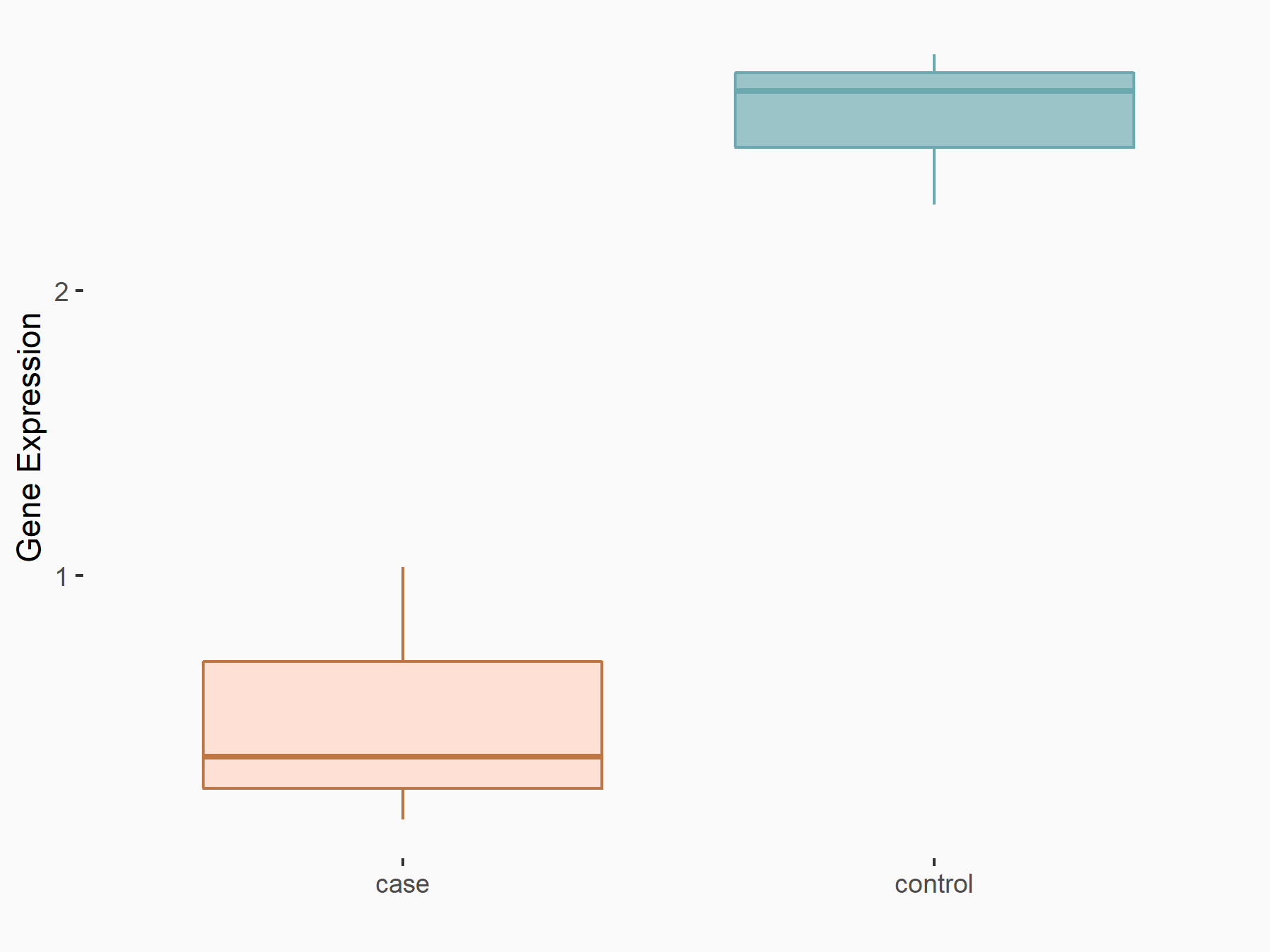 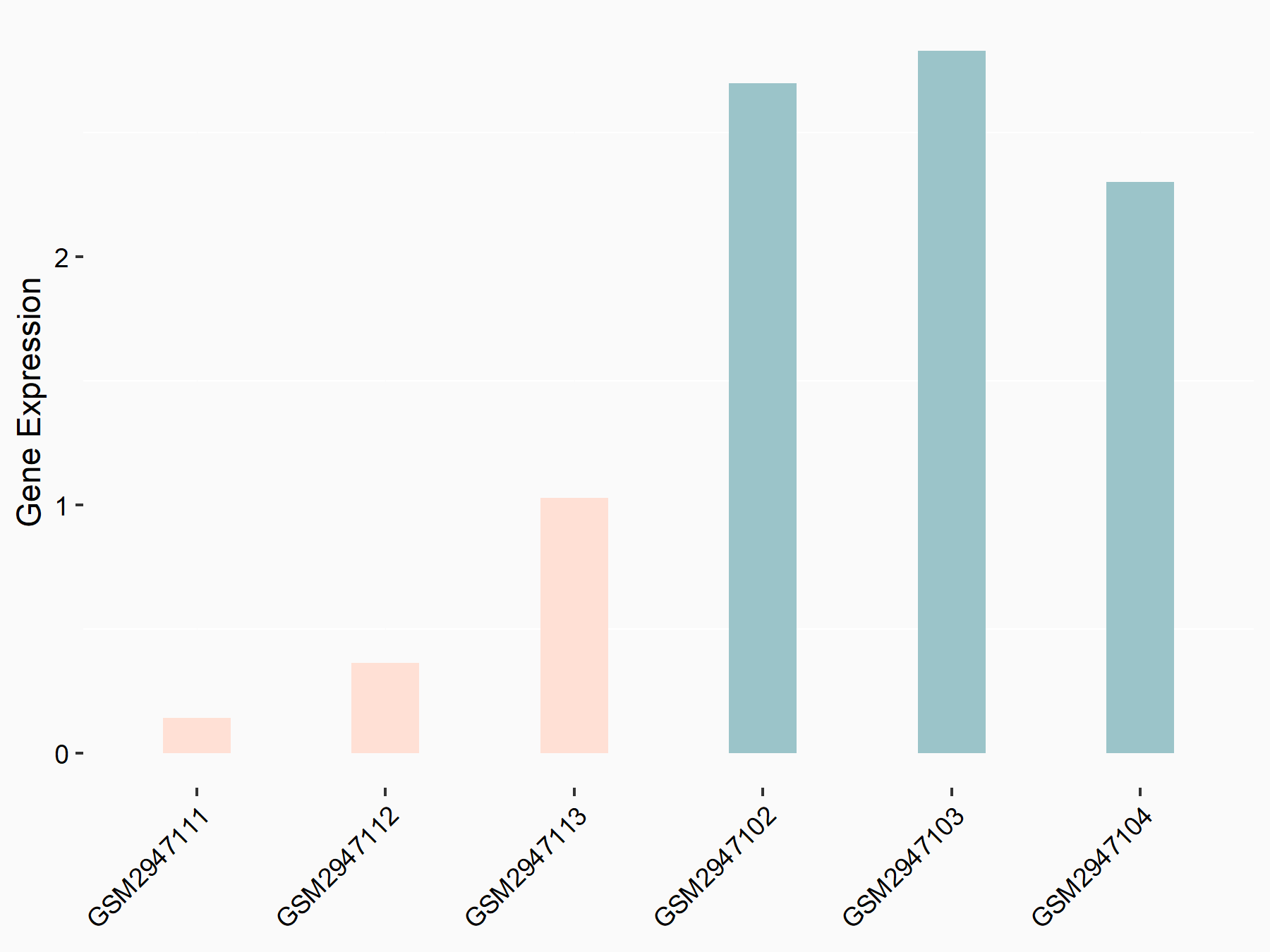 |
logFC: -1.30E+00 p-value: 4.65E-03 |
| More Results | Click to View More RNA-seq Results | |
Colorectal cancer [ICD-11: 2B91]
| In total 1 item(s) under this disease | ||||
| Experiment 1 Reporting the m6A-centered Disease Response of This Target Gene | [1] | |||
| Responsed Disease | Colorectal cancer [ICD-11: 2B91] | |||
| Responsed Drug | Doxil | Approved | ||
| Target Regulation | Up regulation | |||
| Pathway Response | ABC transporters | hsa02010 | ||
| Cell Process | RNA stability | |||
In-vitro Model |
DLD-1 | Colon adenocarcinoma | Homo sapiens | CVCL_0248 |
| HCT 116 | Colon carcinoma | Homo sapiens | CVCL_0291 | |
| HCT 15 | Colon adenocarcinoma | Homo sapiens | CVCL_0292 | |
| HCT 8 | Colon adenocarcinoma | Homo sapiens | CVCL_2478 | |
| HT29 | Colon cancer | Mus musculus | CVCL_A8EZ | |
| SW1463 | Rectal adenocarcinoma | Homo sapiens | CVCL_1718 | |
| SW480 | Colon adenocarcinoma | Homo sapiens | CVCL_0546 | |
| SW620 | Colon adenocarcinoma | Homo sapiens | CVCL_0547 | |
| In-vivo Model | HCT8/T xenografts derived from shNC or shIGF2BP3-1 HCT8/T cells were established through subcutaneous inoculation of cells (6×10⁶) into nude mice. | |||
| Response Summary | IGF2BP3, directly bound to the m6A-modified region of ATP-dependent translocase ABCB1 (ABCB1) mRNA, thereby promoting the stability and expression of ABCB1 mRNA. The expression of IGF2BP3 and ABCB1 was strongly correlated with DOX sensitivity. Targeting IGF2BP3 was an important chemotherapeutic strategy for preventing MDR development in colorectal cancer. | |||
Bax inhibitor 1 (TMBIM6)
| Representative RNA-seq result indicating the expression of this target gene regulated by IGF2BP3 | ||
| Cell Line | ES-2 cell line | Homo sapiens |
|
Treatment: siIGF2BP3 ES-2 cells
Control: siControl ES-2 cells
|
GSE109604 | |
| Regulation |
  |
logFC: -8.65E-01 p-value: 2.88E-02 |
| More Results | Click to View More RNA-seq Results | |
Laryngeal cancer [ICD-11: 2C23]
| In total 1 item(s) under this disease | ||||
| Experiment 1 Reporting the m6A-centered Disease Response of This Target Gene | [2] | |||
| Responsed Disease | Laryngeal cancer [ICD-11: 2C23] | |||
| Target Regulation | Up regulation | |||
| Cell Process | RNA stability | |||
| Cell apoptosis | ||||
In-vitro Model |
AMC-HN-8 | Laryngeal squamous cell carcinoma | Homo sapiens | CVCL_5966 |
| NHBEC (Normal human bronchial epithelial cell) | ||||
| Tu 177 | Laryngeal squamous cell carcinoma | Homo sapiens | CVCL_4913 | |
| Tu 212 | Head and neck squamous cell carcinoma | Homo sapiens | CVCL_4915 | |
| In-vivo Model | For tumor growth studies, whether in vivo RBM15 knockdown/overexpression experiments or in vivo rescue experiments, each group included six mice. Each mouse was injected with 100 uL of lentivirus-transfected tumor cells. | |||
| Response Summary | RBM15-mediated m6A modification of Bax inhibitor 1 (TMBIM6) mRNA enhanced TMBIM6 stability through IGF2BP3-dependent. Laryngeal squamous cell cancer cells were transfected with shRBM15 lentivirus for 48h, and the qRT-PCR data indicated that the mRNA levels of CPNE5, TMBIM6, and ATAD3A decreased after RBM15 knockdown. | |||
Hepatoma-derived growth factor (HDGF)
| Representative RNA-seq result indicating the expression of this target gene regulated by IGF2BP3 | ||
| Cell Line | ES-2 cell line | Homo sapiens |
|
Treatment: siIGF2BP3 ES-2 cells
Control: siControl ES-2 cells
|
GSE109604 | |
| Regulation |
  |
logFC: -6.81E-01 p-value: 1.47E-02 |
| More Results | Click to View More RNA-seq Results | |
Gastric cancer [ICD-11: 2B72]
| In total 1 item(s) under this disease | ||||
| Experiment 1 Reporting the m6A-centered Disease Response of This Target Gene | [3] | |||
| Responsed Disease | Gastric cancer [ICD-11: 2B72] | |||
| Target Regulation | Up regulation | |||
| Pathway Response | Glycolysis / Gluconeogenesis | hsa00010 | ||
| Cell Process | Glycolysis | |||
In-vitro Model |
HGC-27 | Gastric carcinoma | Homo sapiens | CVCL_1279 |
| NCI-N87 | Gastric tubular adenocarcinoma | Homo sapiens | CVCL_1603 | |
| SGC-7901 | Gastric carcinoma | Homo sapiens | CVCL_0520 | |
| In-vivo Model | Mice 8 weeks after splenic portal vein injection of BGC823 cells with METTL3 overexpression or vector-transfected cells. | |||
| Response Summary | Elevated METTL3 expression promotes tumour angiogenesis and glycolysis in Gastric cancer. P300-mediated H3K27 acetylation activation in the promoter of METTL3 induced METTL3 transcription, which stimulated m6A modification of Hepatoma-derived growth factor (HDGF) mRNA, and the m6A reader IGF2BP3 then directly recognised and bound to the m6A site on HDGF mRNA and enhanced HDGF mRNA stability. | |||
MARCKS-related protein (MARCKSL1)
| Representative RIP-seq result supporting the interaction between the target gene and IGF2BP3 | ||
| Cell Line | HEK293T | Homo sapiens |
| Regulation | logFC: 1.28E+00 | GSE90639 |
Liver cancer [ICD-11: 2C12]
| In total 1 item(s) under this disease | ||||
| Experiment 1 Reporting the m6A-centered Disease Response of This Target Gene | [4] | |||
| Responsed Disease | Hepatocellular carcinoma [ICD-11: 2C12.02] | |||
| Cell Process | RNA decay | |||
In-vitro Model |
Hep-G2 | Hepatoblastoma | Homo sapiens | CVCL_0027 |
| HEK293T | Normal | Homo sapiens | CVCL_0063 | |
| HeLa | Endocervical adenocarcinoma | Homo sapiens | CVCL_0030 | |
| Hep-G2 | Hepatoblastoma | Homo sapiens | CVCL_0027 | |
| Response Summary | In contrast to the mRNA-decay-promoting function of YTH domain-containing family protein 2, IGF2BPs promote the stability and storage of their target mRNAs (for example, MYC) in an m6A-dependent manner under normal and stress conditions and therefore affect gene expression output. Four representative high confidence targets, including MYC, FSCN1, TK1, and MARCKS-related protein (MARCKSL1), exhibit strong binding with IGF2BPs around their m6A motifs in control cells. Knocking down of each individual IGF2BPs in Hela (cervical cancer) and HepG2 (liver cancer) cells significantly repressed MYC expression. | |||
Cervical cancer [ICD-11: 2C77]
| In total 1 item(s) under this disease | ||||
| Experiment 1 Reporting the m6A-centered Disease Response of This Target Gene | [4] | |||
| Responsed Disease | Cervical cancer [ICD-11: 2C77] | |||
| Cell Process | RNA decay | |||
In-vitro Model |
Hep-G2 | Hepatoblastoma | Homo sapiens | CVCL_0027 |
| HEK293T | Normal | Homo sapiens | CVCL_0063 | |
| HeLa | Endocervical adenocarcinoma | Homo sapiens | CVCL_0030 | |
| Hep-G2 | Hepatoblastoma | Homo sapiens | CVCL_0027 | |
| Response Summary | In contrast to the mRNA-decay-promoting function of YTH domain-containing family protein 2, IGF2BPs promote the stability and storage of their target mRNAs (for example, MYC) in an m6A-dependent manner under normal and stress conditions and therefore affect gene expression output. Four representative high confidence targets, including MYC, FSCN1, TK1, and MARCKS-related protein (MARCKSL1), exhibit strong binding with IGF2BPs around their m6A motifs in control cells. Knocking down of each individual IGF2BPs in Hela (cervical cancer) and HepG2 (liver cancer) cells significantly repressed MYC expression. | |||
Protein RCC2 (RCC2)
| Representative RIP-seq result supporting the interaction between the target gene and IGF2BP3 | ||
| Cell Line | HEK293T | Homo sapiens |
| Regulation | logFC: 1.30E+00 | GSE90639 |
Acute myeloid leukaemia [ICD-11: 2A60]
| In total 1 item(s) under this disease | ||||
| Experiment 1 Reporting the m6A-centered Disease Response of This Target Gene | [5] | |||
| Responsed Disease | Acute myeloid leukaemia [ICD-11: 2A60] | |||
| Target Regulation | Up regulation | |||
| Cell Process | Cell apoptosis | |||
In-vitro Model |
THP-1 | Childhood acute monocytic leukemia | Homo sapiens | CVCL_0006 |
| SUP-B15 | B-lymphoblastic leukemia | Homo sapiens | CVCL_0103 | |
| KG-1 | Adult acute myeloid leukemia | Homo sapiens | CVCL_0374 | |
| K-562 | Chronic myelogenous leukemia | Homo sapiens | CVCL_0004 | |
| HL-60 | Adult acute myeloid leukemia | Homo sapiens | CVCL_0002 | |
| Response Summary | IGF2BP3 is required for maintaining AML cell survival in an m6A-dependent manner, and knockdown of IGF2BP3 dramatically suppresses the apoptosis, reduces the proliferation, and impairs the leukemic capacity of AML cells in vitro and in vivo.IGF2BP3 interacts with Protein RCC2 (RCC2) mRNA and stabilizes the expression of m6A-modified RNA. | |||
Y-box-binding protein 1 (YBX1)
| Representative RIP-seq result supporting the interaction between the target gene and IGF2BP3 | ||
| Cell Line | HEK293T | Homo sapiens |
| Regulation | logFC: 2.22E+00 | GSE90639 |
Malignant haematopoietic neoplasm [ICD-11: 2B33]
| In total 1 item(s) under this disease | ||||
| Experiment 1 Reporting the m6A-centered Disease Response of This Target Gene | [6] | |||
| Responsed Disease | Myeloid leukaemia [ICD-11: 2B33.1] | |||
| Target Regulation | Up regulation | |||
| Cell Process | Cell apoptosis | |||
In-vitro Model |
Leukemia stem cell line (Leukemia stem cell line) | |||
| Kasumi-1 | Myeloid leukemia with maturation | Homo sapiens | CVCL_0589 | |
| MOLM-13 | Adult acute myeloid leukemia | Homo sapiens | CVCL_2119 | |
| THP-1 | Childhood acute monocytic leukemia | Homo sapiens | CVCL_0006 | |
| MV4-11 | Childhood acute monocytic leukemia | Homo sapiens | CVCL_0064 | |
| BV-173 | Chronic myelogenous leukemia | Homo sapiens | CVCL_0181 | |
| NOMO-1 | Adult acute monocytic leukemia | Homo sapiens | CVCL_1609 | |
| K-562 | Chronic myelogenous leukemia | Homo sapiens | CVCL_0004 | |
| KG-1a | Adult acute myeloid leukemia | Homo sapiens | CVCL_1824 | |
| Response Summary | Y-box-binding protein 1 (YBX1) selectively functions in regulating survival of myeloid leukemia cells. YBX1 interacts with insulin-like growth factor 2 messenger RNA (mRNA)-binding proteins (IGF2BPs) and stabilizes m6A-tagged RNA. YBX1 deficiency dysregulates the expression of apoptosis-related genes and promotes mRNA decay of MYC and BCL2 in an m6A-dependent manner, which contributes to the defective survival that results from deletion of YBX1. | |||
Metastasis associated lung adenocarcinoma transcript 1 (MALAT1)
| Representative RIP-seq result supporting the interaction between the target gene and IGF2BP3 | ||
| Cell Line | HEK293T | Homo sapiens |
| Regulation | logFC: 2.96E+00 | GSE90639 |
Atopic eczema [ICD-11: EA80]
| In total 1 item(s) under this disease | ||||
| Experiment 1 Reporting the m6A-centered Disease Response of This Target Gene | [7] | |||
| Responsed Disease | Atopic eczema [ICD-11: EA80] | |||
| Target Regulation | Up regulation | |||
| Pathway Response | MAPK signaling pathway | hsa04010 | ||
| Ubiquitin mediated proteolysis | hsa04120 | |||
| Cell Process | Inflammation | |||
| Proteasome pathway degradation | ||||
In-vitro Model |
RAW 264.7 | Mouse leukemia | Mus musculus | CVCL_0493 |
| In-vivo Model | IMQ-induced psoriatic model was constructed by applying 10 mg per ear 5% IMQ for 8 consecutive days, and 6 ug macrophage-specific control or hsa_circ_0004287 plasmid was topically applied every 2 days (5 mice per group per experiment). | |||
| Response Summary | CircRNA hsa_circ_0004287 was upregulated in peripheral blood mononuclear cells of both AD and psoriasis patients. hsa_circ_0004287 reduced the stability of its host gene Metastasis associated lung adenocarcinoma transcript 1 (MALAT1) by competitively binding to IGF2BP3 with MALAT1 in an N6-methyladenosine (m6A)-dependent manner. | |||
Apoptosis regulator Bcl-2 (BCL2)
Malignant haematopoietic neoplasm [ICD-11: 2B33]
| In total 1 item(s) under this disease | ||||
| Experiment 1 Reporting the m6A-centered Disease Response of This Target Gene | [6] | |||
| Responsed Disease | Myeloid leukaemia [ICD-11: 2B33.1] | |||
| Target Regulation | Up regulation | |||
| Cell Process | Cell apoptosis | |||
In-vitro Model |
Leukemia stem cell line (Leukemia stem cell line) | |||
| Kasumi-1 | Myeloid leukemia with maturation | Homo sapiens | CVCL_0589 | |
| MOLM-13 | Adult acute myeloid leukemia | Homo sapiens | CVCL_2119 | |
| THP-1 | Childhood acute monocytic leukemia | Homo sapiens | CVCL_0006 | |
| MV4-11 | Childhood acute monocytic leukemia | Homo sapiens | CVCL_0064 | |
| BV-173 | Chronic myelogenous leukemia | Homo sapiens | CVCL_0181 | |
| NOMO-1 | Adult acute monocytic leukemia | Homo sapiens | CVCL_1609 | |
| K-562 | Chronic myelogenous leukemia | Homo sapiens | CVCL_0004 | |
| KG-1a | Adult acute myeloid leukemia | Homo sapiens | CVCL_1824 | |
| Response Summary | YBX1 selectively functions in regulating survival of myeloid leukemia cells. YBX1 interacts with insulin-like growth factor 2 messenger RNA (mRNA)-binding proteins (IGF2BPs) and stabilizes m6A-tagged RNA. YBX1 deficiency dysregulates the expression of apoptosis-related genes and promotes mRNA decay of MYC and Apoptosis regulator Bcl-2 (BCL2) in an m6A-dependent manner, which contributes to the defective survival that results from deletion of YBX1. | |||
Apoptotic chromatin condensation inducer in the nucleus (ACIN1)
Cervical cancer [ICD-11: 2C77]
| In total 1 item(s) under this disease | ||||
| Experiment 1 Reporting the m6A-centered Disease Response of This Target Gene | [8] | |||
| Responsed Disease | Cervical cancer [ICD-11: 2C77] | |||
| Target Regulation | Up regulation | |||
| Pathway Response | mRNA surveillance pathway | hsa03015 | ||
| RNA degradation | hsa03018 | |||
| Cell Process | RNA stability | |||
In-vitro Model |
SiHa | Cervical squamous cell carcinoma | Homo sapiens | CVCL_0032 |
| HeLa | Endocervical adenocarcinoma | Homo sapiens | CVCL_0030 | |
| End1/E6E7 | Normal | Homo sapiens | CVCL_3684 | |
| In-vivo Model | 2 × 10⁶ stably transfected HeLa cells were subcutaneously inoculated into the left flank of mice. | |||
| Response Summary | METTL3 interacts with IGF2BP3 to promote the mRNA stability of Apoptotic chromatin condensation inducer in the nucleus (ACIN1), the overexpression of which induces the aggressiveness of CC cells. | |||
Autophagy protein 5 (ATG5)
Osteosarcoma [ICD-11: 2B51]
| In total 1 item(s) under this disease | ||||
| Experiment 1 Reporting the m6A-centered Disease Response of This Target Gene | [9] | |||
| Responsed Disease | Osteosarcoma [ICD-11: 2B51] | |||
| Responsed Drug | Spautin 1 | Preclinical | ||
| Target Regulation | Up regulation | |||
| In-vivo Model | For tumor growth assay, 2 × 10⁶ OS cells in 100 μL medium were injected into the nude mice subcutaneously. For tumor metastasis assay, we injected medium containing 2 × 10⁶ cells through the caudal vein. An IVIS200 imaging system (Caliper Life Science, USA) was used to image and assess the OS metastasis. For pharmacological inhibition of USP13, mice bearing xenografts were treated with Spautin-1 (40 mg/kg/day i.p.) or vehicle for 2 weeks. | |||
Catenin beta-1 (CTNNB1/Beta-catenin)
Chronic kidney disease [ICD-11: GB61]
| In total 1 item(s) under this disease | ||||
| Experiment 1 Reporting the m6A-centered Disease Response of This Target Gene | [10] | |||
| Responsed Disease | Chronic kidney disease [ICD-11: GB61] | |||
In-vitro Model |
HK-2 [Human kidney] | Normal | Homo sapiens | CVCL_0302 |
| In-vivo Model | Mice were injected with empty vector (pcDNA3) or Flag-tagged METTL3 expression vector (pFlag-METTL3) at 2 days after UUO or 4 days after UIRI, respectively. The expression of transgene was validated by Western blotting or immunostaining for Flag-tagged METTL3 fusion protein. | |||
CD44 antigen (CD44)
Renal cell carcinoma [ICD-11: 2C90]
| In total 1 item(s) under this disease | ||||
| Experiment 1 Reporting the m6A-centered Disease Response of This Target Gene | [11] | |||
| Responsed Disease | Renal cell carcinoma [ICD-11: 2C90] | |||
| Responsed Drug | Sunitinib | Approved | ||
In-vitro Model |
ACHN | Papillary renal cell carcinoma | Homo sapiens | CVCL_1067 |
| A-498 | Renal cell carcinoma | Homo sapiens | CVCL_1056 | |
| Caki-1 | Clear cell renal cell carcinoma | Homo sapiens | CVCL_0234 | |
| OS-RC-2 | Clear cell renal cell carcinoma | Homo sapiens | CVCL_1626 | |
| 786-O | Renal cell carcinoma | Homo sapiens | CVCL_1051 | |
| HK-2 [Human kidney] | Normal | Homo sapiens | CVCL_0302 | |
| In-vivo Model | A total of 1 × 10⁶ ACHN cells was injected into left renal capsule (n = 5 mice/group). Then, we sutured the wound layer by layer. Tumour size was measured 4 weeks later with in-Vivo FX PRO small animal imaging system (BRUKER). After that, we executed the mice and collected tumours for immunohistochemistry (IHC) assays and Western blotting. For metastasis model construction, 1 × 10⁶ ACHN cells were injected into tail-vein of each mouse (n = 5 mice/group). | |||
Complex I-AGGG (NDUFB2)
Lung cancer [ICD-11: 2C25]
| In total 1 item(s) under this disease | ||||
| Experiment 1 Reporting the m6A-centered Disease Response of This Target Gene | [12] | |||
| Responsed Disease | Non-small-cell lung carcinoma [ICD-11: 2C25.Y] | |||
| Target Regulation | Down regulation | |||
| Pathway Response | Ubiquitin mediated proteolysis | hsa04120 | ||
| Cell Process | Tumour immunology | |||
| Ubiquitination degradation | ||||
In-vitro Model |
A-549 | Lung adenocarcinoma | Homo sapiens | CVCL_0023 |
| BEAS-2B | Normal | Homo sapiens | CVCL_0168 | |
| NCI-H1299 | Lung large cell carcinoma | Homo sapiens | CVCL_0060 | |
| NCI-H1650 | Minimally invasive lung adenocarcinoma | Homo sapiens | CVCL_1483 | |
| NCI-H1703 | Lung squamous cell carcinoma | Homo sapiens | CVCL_1490 | |
| NCI-H1975 | Lung adenocarcinoma | Homo sapiens | CVCL_1511 | |
| NCI-H460 | Lung large cell carcinoma | Homo sapiens | CVCL_0459 | |
| HCC827 | Lung adenocarcinoma | Homo sapiens | CVCL_2063 | |
| LL/2 (LLC1) | Malignant tumors | Mus musculus | CVCL_4358 | |
| In-vivo Model | A549 cells were transfected with the pZW1-FCS-circNDUFB2 plasmid or pZW1-FCS-Vector plasmid, and selected with G418 (800 ug/ml) for 4 weeks, and then 2 × 10⁶ A549 cells were subcutaneously injected into the right flank of each mouse. | |||
| Response Summary | Complex I-AGGG (NDUFB2) interacts with IGF2BP1/2/3 in NSCLC cells. circNDUFB2 participates in the degradation of IGF2BPs and activation of anti-tumor immunity during NSCLC progression via the modulation of both protein ubiquitination and degradation, as well as cellular immune responses. | |||
Cyclin-dependent kinase 4 (CDK4)
Renal cell carcinoma [ICD-11: 2C90]
| In total 1 item(s) under this disease | ||||
| Experiment 1 Reporting the m6A-centered Disease Response of This Target Gene | [13] | |||
| Responsed Disease | Renal cell carcinoma of kidney [ICD-11: 2C90.0] | |||
| Target Regulation | Up regulation | |||
| Pathway Response | Cell cycle | hsa04110 | ||
| Cell Process | Accelerating the G1-S transition | |||
| Cell invasion and metastasis | ||||
In-vitro Model |
769-P | Renal cell carcinoma | Homo sapiens | CVCL_1050 |
| 786-O | Renal cell carcinoma | Homo sapiens | CVCL_1051 | |
| ACHN | Papillary renal cell carcinoma | Homo sapiens | CVCL_1067 | |
| Caki-1 | Clear cell renal cell carcinoma | Homo sapiens | CVCL_0234 | |
| In-vivo Model | Stable DMDRMR knockdown (KD) and control cell lines were injected subcutaneously (s.c.; 1 × 10⁷ cells/inoculum) into the flanks of recipient NOD/SCID/IL2Rγ-null (NSG) mice. | |||
| Response Summary | DMDRMR is a protumorigenic lncRNA that mediates the stabilization of IGF2BP3 targets in an m6A-dependent manner in clear cell renal cell carcinoma. IGF2BP3 and DMDRMR cooperate to play oncogenic roles. IGF2BP3 cooperates with DMDRMR to regulate Cyclin-dependent kinase 4 (CDK4) by enhancing mRNA stability. | |||
Cystine/glutamate transporter (SLC7A11)
Liver cancer [ICD-11: 2C12]
| In total 1 item(s) under this disease | ||||
| Experiment 1 Reporting the m6A-centered Disease Response of This Target Gene | [14] | |||
| Responsed Disease | Liver cancer [ICD-11: 2C12] | |||
| Target Regulation | Up regulation | |||
DNA replication licensing factor MCM5 (MCM5)
Lung cancer [ICD-11: 2C25]
| In total 1 item(s) under this disease | ||||
| Experiment 1 Reporting the m6A-centered Disease Response of This Target Gene | [15] | |||
| Responsed Disease | Lung adenocarcinoma [ICD-11: 2C25.0] | |||
| Target Regulation | Up regulation | |||
In-vitro Model |
HEK293-FT | Normal | Homo sapiens | CVCL_6911 |
| In-vivo Model | Female BALB/c-nu mice (6-8 weeks of age, 18-20 g) were used to investigate the pro-invasive and pro-metastatic effects of IGF2BP3 and MCM5. To assess local invasion, indicated cells were injected subcutaneously into the flanks of mice (1 × 10⁶ cells suspended in 100 μL sterile PBS, A549-Vector left and A549-IGF2BP3 or A549-MCM5 right, n = 5), and the number of mice with local invasion was counted. To determine distant lung dissemination, 1 × 10⁶ indicated cells were injected into the lateral tail vein (n = 5), and metastases were monitored and analyzed by bioluminescent imaging assisted with Spectrum Living Image 4.0 software (Caliper Life Sciences, Hopkinton, MA, USA). Alternatively, vector control or IGF2BP3-overexpressing A549 cells (5 × 10⁵) were intracardiacally injected. At the indicated experimental endpoints, mice were anesthetized and sacrificed, and lung tissues were fixed in picric acid containing 4% formaldehyde. Subcutaneous tumors and lung tissues were resected, sectioned (5 mm in thickness) and histologically examined by H&E staining. | |||
Ephrin type-A receptor 2 (EphA2)
Colorectal cancer [ICD-11: 2B91]
| In total 1 item(s) under this disease | ||||
| Experiment 1 Reporting the m6A-centered Disease Response of This Target Gene | [16] | |||
| Responsed Disease | Colorectal cancer [ICD-11: 2B91] | |||
| Target Regulation | Up regulation | |||
| Pathway Response | PI3K-Akt signaling pathway | hsa04151 | ||
In-vitro Model |
SW620 | Colon adenocarcinoma | Homo sapiens | CVCL_0547 |
| SW480 | Colon adenocarcinoma | Homo sapiens | CVCL_0546 | |
| NCM460 | Normal | Homo sapiens | CVCL_0460 | |
| LoVo | Colon adenocarcinoma | Homo sapiens | CVCL_0399 | |
| HT29 | Colon cancer | Mus musculus | CVCL_A8EZ | |
| HCT 116 | Colon carcinoma | Homo sapiens | CVCL_0291 | |
| DLD-1 | Colon adenocarcinoma | Homo sapiens | CVCL_0248 | |
| In-vivo Model | A total of 8 × 10⁶ wild-type (WT) or METTL3-knockdown cells were injected into the dorsal flanks of 6-week-old nude mice. Seven mice were randomly selected to calculate the volume according to the following formula: V = (width2 × length)/2. Mice were euthanized three weeks after injection and tumors removed, weighed, fixed, and embedded for immunohistochemical analysis. | |||
| Response Summary | Ephrin type-A receptor 2 (EphA2) and VEGFA targeted by METTL3 via different IGF2BP3-dependent mechanisms were found to promote vasculogenic mimicry (VM) formation via PI3K/AKT/mTOR and ERK1/2 signaling in CRC. | |||
Fascin (FSCN1)
Liver cancer [ICD-11: 2C12]
| In total 1 item(s) under this disease | ||||
| Experiment 1 Reporting the m6A-centered Disease Response of This Target Gene | [4] | |||
| Responsed Disease | Hepatocellular carcinoma [ICD-11: 2C12.02] | |||
| Cell Process | RNA decay | |||
In-vitro Model |
Hep-G2 | Hepatoblastoma | Homo sapiens | CVCL_0027 |
| HEK293T | Normal | Homo sapiens | CVCL_0063 | |
| HeLa | Endocervical adenocarcinoma | Homo sapiens | CVCL_0030 | |
| Hep-G2 | Hepatoblastoma | Homo sapiens | CVCL_0027 | |
| Response Summary | In contrast to the mRNA-decay-promoting function of YTH domain-containing family protein 2, IGF2BPs promote the stability and storage of their target mRNAs (for example, MYC) in an m6A-dependent manner under normal and stress conditions and therefore affect gene expression output. Four representative high confidence targets, including MYC, Fascin (FSCN1), TK1, and MARCKSL1, exhibit strong binding with IGF2BPs around their m6A motifs in control cells. Knocking down of each individual IGF2BPs in Hela (cervical cancer) and HepG2 (liver cancer) cells significantly repressed MYC expression. | |||
Cervical cancer [ICD-11: 2C77]
| In total 1 item(s) under this disease | ||||
| Experiment 1 Reporting the m6A-centered Disease Response of This Target Gene | [4] | |||
| Responsed Disease | Cervical cancer [ICD-11: 2C77] | |||
| Cell Process | RNA decay | |||
In-vitro Model |
Hep-G2 | Hepatoblastoma | Homo sapiens | CVCL_0027 |
| HEK293T | Normal | Homo sapiens | CVCL_0063 | |
| HeLa | Endocervical adenocarcinoma | Homo sapiens | CVCL_0030 | |
| Hep-G2 | Hepatoblastoma | Homo sapiens | CVCL_0027 | |
| Response Summary | In contrast to the mRNA-decay-promoting function of YTH domain-containing family protein 2, IGF2BPs promote the stability and storage of their target mRNAs (for example, MYC) in an m6A-dependent manner under normal and stress conditions and therefore affect gene expression output. Four representative high confidence targets, including MYC, Fascin (FSCN1), TK1, and MARCKSL1, exhibit strong binding with IGF2BPs around their m6A motifs in control cells. Knocking down of each individual IGF2BPs in Hela (cervical cancer) and HepG2 (liver cancer) cells significantly repressed MYC expression. | |||
Glucose transporter type 1 (GLUT1)
Head and neck squamous carcinoma [ICD-11: 2B6E]
| In total 1 item(s) under this disease | ||||
| Experiment 1 Reporting the m6A-centered Disease Response of This Target Gene | [17] | |||
| Responsed Disease | Oral squamous cell carcinoma [ICD-11: 2B6E.0] | |||
| Target Regulation | Up regulation | |||
Colorectal cancer [ICD-11: 2B91]
| In total 1 item(s) under this disease | ||||
| Experiment 1 Reporting the m6A-centered Disease Response of This Target Gene | [18] | |||
| Responsed Disease | Colorectal cancer [ICD-11: 2B91] | |||
| Target Regulation | Up regulation | |||
| Pathway Response | Glycolysis / Gluconeogenesis | hsa00010 | ||
| Cell Process | Glucose metabolism | |||
| Response Summary | METTL3 stabilizes HK2 and Glucose transporter type 1 (SLC2A1) (GLUT1) expression in colorectal cancer through an m6A-IGF2BP2/3- dependent mechanism. | |||
Hexokinase-2 (HK2)
Colorectal cancer [ICD-11: 2B91]
| In total 1 item(s) under this disease | ||||
| Experiment 1 Reporting the m6A-centered Disease Response of This Target Gene | [18] | |||
| Responsed Disease | Colorectal cancer [ICD-11: 2B91] | |||
| Target Regulation | Up regulation | |||
| Pathway Response | Glycolysis / Gluconeogenesis | hsa00010 | ||
| Cell Process | Glucose metabolism | |||
| Response Summary | METTL3 stabilizes Hexokinase-2 (HK2) and SLC2A1 (GLUT1) expression in colorectal cancer through an m6A-IGF2BP2/3- dependent mechanism. | |||
High mobility group protein B1 (HMGB1)
Bladder cancer [ICD-11: 2C94]
| In total 1 item(s) under this disease | ||||
| Experiment 1 Reporting the m6A-centered Disease Response of This Target Gene | [19] | |||
| Responsed Disease | Bladder cancer [ICD-11: 2C94] | |||
| Target Regulation | Up regulation | |||
High mobility group protein HMGI-C (HMGA2)
Renal cell carcinoma [ICD-11: 2C90]
| In total 1 item(s) under this disease | ||||
| Experiment 1 Reporting the m6A-centered Disease Response of This Target Gene | [11] | |||
| Responsed Disease | Renal cell carcinoma [ICD-11: 2C90] | |||
| Responsed Drug | Sunitinib | Approved | ||
In-vitro Model |
ACHN | Papillary renal cell carcinoma | Homo sapiens | CVCL_1067 |
| A-498 | Renal cell carcinoma | Homo sapiens | CVCL_1056 | |
| Caki-1 | Clear cell renal cell carcinoma | Homo sapiens | CVCL_0234 | |
| OS-RC-2 | Clear cell renal cell carcinoma | Homo sapiens | CVCL_1626 | |
| 786-O | Renal cell carcinoma | Homo sapiens | CVCL_1051 | |
| HK-2 [Human kidney] | Normal | Homo sapiens | CVCL_0302 | |
| In-vivo Model | A total of 1 × 10⁶ ACHN cells was injected into left renal capsule (n = 5 mice/group). Then, we sutured the wound layer by layer. Tumour size was measured 4 weeks later with in-Vivo FX PRO small animal imaging system (BRUKER). After that, we executed the mice and collected tumours for immunohistochemistry (IHC) assays and Western blotting. For metastasis model construction, 1 × 10⁶ ACHN cells were injected into tail-vein of each mouse (n = 5 mice/group). | |||
Hypoxia-inducible factor 1-alpha (HIF-1-Alpha/HIF1A)
Gastric cancer [ICD-11: 2B72]
| In total 1 item(s) under this disease | ||||
| Experiment 1 Reporting the m6A-centered Disease Response of This Target Gene | [20] | |||
| Responsed Disease | Gastric cancer [ICD-11: 2B72] | |||
| Target Regulation | Up regulation | |||
| Cell Process | Cell migration | |||
In-vitro Model |
MKN45 | Gastric adenocarcinoma | Homo sapiens | CVCL_0434 |
| HUVEC-C | Normal | Homo sapiens | CVCL_2959 | |
| HGC-27 | Gastric carcinoma | Homo sapiens | CVCL_1279 | |
| Response Summary | IGF2BP3 positively regulated Hypoxia-inducible factor 1-alpha (HIF-1-Alpha/HIF1A) expression by directly binding to a specific m6A site in the coding region of HIF1A mRNA in gastric cancer cells. IGF2BP3 and HIF1A were highly expressed in GC tissues and hypoxia-treated GC cells. | |||
Certain specified diseases of liver [ICD-11: DB99]
| In total 1 item(s) under this disease | ||||
| Experiment 1 Reporting the m6A-centered Disease Response of This Target Gene | [21] | |||
| Responsed Disease | Certain specified diseases of liver [ICD-11: DB99.7] | |||
| Target Regulation | Up regulation | |||
In-vitro Model |
Hep-G2 | Hepatoblastoma | Homo sapiens | CVCL_0027 |
| Hep 3B2.1-7 | Childhood hepatocellular carcinoma | Homo sapiens | CVCL_0326 | |
Intercellular adhesion molecule 1 (ICAM1)
Thyroid Cancer [ICD-11: 2D10]
| In total 1 item(s) under this disease | ||||
| Experiment 1 Reporting the m6A-centered Disease Response of This Target Gene | [22] | |||
| Responsed Disease | Thyroid Cancer [ICD-11: 2D10] | |||
L-glutamine amidohydrolase (GLS2)
Cervical cancer [ICD-11: 2C77]
| In total 1 item(s) under this disease | ||||
| Experiment 1 Reporting the m6A-centered Disease Response of This Target Gene | [23] | |||
| Responsed Disease | Cervical cancer [ICD-11: 2C77] | |||
| Target Regulation | Up regulation | |||
Myc proto-oncogene protein (MYC)
Brain cancer [ICD-11: 2A00]
| In total 1 item(s) under this disease | ||||
| Experiment 1 Reporting the m6A-centered Disease Response of This Target Gene | [24] | |||
| Responsed Disease | Glioma [ICD-11: 2A00.0] | |||
| Responsed Drug | Linsitinib | Phase 3 | ||
| Target Regulation | Up regulation | |||
| Pathway Response | RNA degradation | hsa03018 | ||
| Cell Process | RNA stability | |||
In-vitro Model |
() | |||
| HNP1 (A human neural progenitor cell) | ||||
| NHA (Normal human astrocytes) | ||||
| NSC11 (Pluripotent derived neural progenitor cell) | ||||
| In-vivo Model | For in vivo drug treatment studies, intracranial xenografts were generated by implanting 5000 patient-derived GSCs (387 and 4121) into the right cerebral cortex of NSG mice as described above. | |||
| Response Summary | The m6A reader YTHDF2 stabilized Myc proto-oncogene protein (MYC) mRNA specifically in cancer stem cells. Given the challenge of targeting MYC, YTHDF2 presents a therapeutic target to perturb MYC signaling in glioblastoma. The IGF1/IGF1R inhibitor linsitinib preferentially targeted YTHDF2-expressing cells, inhibiting GSC viability without affecting NSCs and impairing in vivo glioblastoma growth. YTHDF2 links RNA epitranscriptomic modifications and GSC growth, laying the foundation for the YTHDF2-MYC-IGFBP3 axis as a specific and novel therapeutic target in glioblastoma. | |||
Malignant haematopoietic neoplasm [ICD-11: 2B33]
| In total 1 item(s) under this disease | ||||
| Experiment 1 Reporting the m6A-centered Disease Response of This Target Gene | [6] | |||
| Responsed Disease | Myeloid leukaemia [ICD-11: 2B33.1] | |||
| Target Regulation | Up regulation | |||
| Cell Process | Cell apoptosis | |||
In-vitro Model |
Leukemia stem cell line (Leukemia stem cell line) | |||
| Kasumi-1 | Myeloid leukemia with maturation | Homo sapiens | CVCL_0589 | |
| MOLM-13 | Adult acute myeloid leukemia | Homo sapiens | CVCL_2119 | |
| THP-1 | Childhood acute monocytic leukemia | Homo sapiens | CVCL_0006 | |
| MV4-11 | Childhood acute monocytic leukemia | Homo sapiens | CVCL_0064 | |
| BV-173 | Chronic myelogenous leukemia | Homo sapiens | CVCL_0181 | |
| NOMO-1 | Adult acute monocytic leukemia | Homo sapiens | CVCL_1609 | |
| K-562 | Chronic myelogenous leukemia | Homo sapiens | CVCL_0004 | |
| KG-1a | Adult acute myeloid leukemia | Homo sapiens | CVCL_1824 | |
| Response Summary | YBX1 selectively functions in regulating survival of myeloid leukemia cells. YBX1 interacts with insulin-like growth factor 2 messenger RNA (mRNA)-binding proteins (IGF2BPs) and stabilizes m6A-tagged RNA. YBX1 deficiency dysregulates the expression of apoptosis-related genes and promotes mRNA decay of Myc proto-oncogene protein (MYC) and BCL2 in an m6A-dependent manner, which contributes to the defective survival that results from deletion of YBX1. | |||
Gastric cancer [ICD-11: 2B72]
| In total 1 item(s) under this disease | ||||
| Experiment 1 Reporting the m6A-centered Disease Response of This Target Gene | [25] | |||
| Responsed Disease | Gastric cancer [ICD-11: 2B72] | |||
| Target Regulation | Up regulation | |||
In-vitro Model |
AGS | Gastric adenocarcinoma | Homo sapiens | CVCL_0139 |
| MKN1 | Gastric adenosquamous carcinoma | Homo sapiens | CVCL_1415 | |
| SGC-7901 | Gastric carcinoma | Homo sapiens | CVCL_0520 | |
| BGC-823 | Gastric carcinoma | Homo sapiens | CVCL_3360 | |
| MGC-803 | Gastric mucinous adenocarcinoma | Homo sapiens | CVCL_5334 | |
| GES-1 | Normal | Homo sapiens | CVCL_EQ22 | |
| In-vivo Model | The cell mass (5 × 10⁶) was dissolved in 200 μl PBS and subcutaneously injected into the left side of each mouse. | |||
Liver cancer [ICD-11: 2C12]
| In total 1 item(s) under this disease | ||||
| Experiment 1 Reporting the m6A-centered Disease Response of This Target Gene | [4] | |||
| Responsed Disease | Hepatocellular carcinoma [ICD-11: 2C12.02] | |||
| Cell Process | RNA decay | |||
In-vitro Model |
Hep-G2 | Hepatoblastoma | Homo sapiens | CVCL_0027 |
| HEK293T | Normal | Homo sapiens | CVCL_0063 | |
| HeLa | Endocervical adenocarcinoma | Homo sapiens | CVCL_0030 | |
| Hep-G2 | Hepatoblastoma | Homo sapiens | CVCL_0027 | |
| Response Summary | In contrast to the mRNA-decay-promoting function of YTH domain-containing family protein 2, IGF2BPs promote the stability and storage of their target mRNAs (for example, MYC) in an m6A-dependent manner under normal and stress conditions and therefore affect gene expression output. Four representative high confidence targets, including Myc proto-oncogene protein (MYC), FSCN1, TK1, and MARCKSL1, exhibit strong binding with IGF2BPs around their m6A motifs in control cells. Knocking down of each individual IGF2BPs in Hela (cervical cancer) and HepG2 (liver cancer) cells significantly repressed MYC expression. | |||
Cervical cancer [ICD-11: 2C77]
| In total 1 item(s) under this disease | ||||
| Experiment 1 Reporting the m6A-centered Disease Response of This Target Gene | [4] | |||
| Responsed Disease | Cervical cancer [ICD-11: 2C77] | |||
| Cell Process | RNA decay | |||
In-vitro Model |
Hep-G2 | Hepatoblastoma | Homo sapiens | CVCL_0027 |
| HEK293T | Normal | Homo sapiens | CVCL_0063 | |
| HeLa | Endocervical adenocarcinoma | Homo sapiens | CVCL_0030 | |
| Hep-G2 | Hepatoblastoma | Homo sapiens | CVCL_0027 | |
| Response Summary | In contrast to the mRNA-decay-promoting function of YTH domain-containing family protein 2, IGF2BPs promote the stability and storage of their target mRNAs (for example, MYC) in an m6A-dependent manner under normal and stress conditions and therefore affect gene expression output. Four representative high confidence targets, including Myc proto-oncogene protein (MYC), FSCN1, TK1, and MARCKSL1, exhibit strong binding with IGF2BPs around their m6A motifs in control cells. Knocking down of each individual IGF2BPs in Hela (cervical cancer) and HepG2 (liver cancer) cells significantly repressed MYC expression. | |||
Myt1 kinase (PKMYT1)
Gastric cancer [ICD-11: 2B72]
| In total 1 item(s) under this disease | ||||
| Experiment 1 Reporting the m6A-centered Disease Response of This Target Gene | [26] | |||
| Responsed Disease | Gastric cancer [ICD-11: 2B72] | |||
| Target Regulation | Up regulation | |||
| Cell Process | Cell invasion | |||
| Cell migration | ||||
In-vitro Model |
SGC-7901 | Gastric carcinoma | Homo sapiens | CVCL_0520 |
| HGC-27 | Gastric carcinoma | Homo sapiens | CVCL_1279 | |
| BGC-823 | Gastric carcinoma | Homo sapiens | CVCL_3360 | |
| In-vivo Model | After randomly assignment and anesthetization, nude mice were injected with 5 × 10⁶ cells suspended in 100 uL PBS into the tail vein (n = 5 per group). | |||
| Response Summary | Myt1 kinase (PKMYT1), as a downstream target of ALKBH5, promoted invasion and migration in GC. Moreover IGF2BP3 helped stabilize the mRNA stability of PKMYT1 via its m6A modification site. | |||
NAD-dependent protein deacetylase sirtuin-1 (SIRT1)
Presbycusis [ICD-11: AB54]
| In total 1 item(s) under this disease | ||||
| Experiment 1 Reporting the m6A-centered Disease Response of This Target Gene | [27] | |||
| Responsed Disease | Presbycusis [ICD-11: AB54] | |||
| Target Regulation | Up regulation | |||
Programmed cell death 1 ligand 1 (CD274/PD-L1)
Breast cancer [ICD-11: 2C60]
| In total 1 item(s) under this disease | ||||
| Experiment 1 Reporting the m6A-centered Disease Response of This Target Gene | [28] | |||
| Responsed Disease | Breast cancer [ICD-11: 2C60] | |||
| Target Regulation | Up regulation | |||
| Pathway Response | PD-L1 expression and PD-1 checkpoint pathway in cancer | hsa05235 | ||
| Cell Process | Tumor immune escape | |||
In-vitro Model |
SK-BR-3 | Breast adenocarcinoma | Homo sapiens | CVCL_0033 |
| MDA-MB-231 | Breast adenocarcinoma | Homo sapiens | CVCL_0062 | |
| MCF-10A | Normal | Homo sapiens | CVCL_0598 | |
| HCC38 | Breast ductal carcinoma | Homo sapiens | CVCL_1267 | |
| 4T1 | Normal | Mus musculus | CVCL_0125 | |
| In-vivo Model | For subcutaneous xenograft experiments in B-NDG mice, approximately 1 × 10⁶ MDA-MB-231 and there was subcutaneous injection of the cells that resuspended in 100 uL PBS into the left flank of the mice and were divided into 11 groups randomly (each containing 5 mice). After the treatment Atezolizumab (Selleck, Shanghai, China) or corresponding iso control antibody (Selleck, Shanghai, China) was injected intratumorally on day 3, 6, 9, 12, 15 post-MDA-MB-231 inoculations, and 5 × 10⁶ cytokine-induced killer (CIK) cells were injected in the tail vein on day 7, 14, 21. | |||
| Response Summary | Programmed cell death 1 ligand 1 (CD274/PD-L1) was a downstream target of METTL3-mediated m6A modification in breast cancer cells. METTL3-mediated PD-L1 mRNA activation was m6A-IGF2BP3-dependent. PD-L1 expression was also positively correlated with METTL3 and IGF2BP3 expression in breast cancer tissues. | |||
Stearoyl-CoA desaturase (SCD)
Cervical cancer [ICD-11: 2C77]
| In total 1 item(s) under this disease | ||||
| Experiment 1 Reporting the m6A-centered Disease Response of This Target Gene | [29] | |||
| Responsed Disease | Cervical cancer [ICD-11: 2C77] | |||
In-vitro Model |
HeLa | Endocervical adenocarcinoma | Homo sapiens | CVCL_0030 |
| SiHa | Cervical squamous cell carcinoma | Homo sapiens | CVCL_0032 | |
SUMO specific peptidase 1 (SENP1)
Acute myeloid leukaemia [ICD-11: 2A60]
| In total 1 item(s) under this disease | ||||
| Experiment 1 Reporting the m6A-centered Disease Response of This Target Gene | [30] | |||
| Responsed Disease | Acute myeloid leukaemia [ICD-11: 2A60] | |||
| Target Regulation | Up regulation | |||
Thymidine kinase, cytosolic (TK1)
Liver cancer [ICD-11: 2C12]
| In total 1 item(s) under this disease | ||||
| Experiment 1 Reporting the m6A-centered Disease Response of This Target Gene | [4] | |||
| Responsed Disease | Hepatocellular carcinoma [ICD-11: 2C12.02] | |||
| Cell Process | RNA decay | |||
In-vitro Model |
Hep-G2 | Hepatoblastoma | Homo sapiens | CVCL_0027 |
| HEK293T | Normal | Homo sapiens | CVCL_0063 | |
| HeLa | Endocervical adenocarcinoma | Homo sapiens | CVCL_0030 | |
| Hep-G2 | Hepatoblastoma | Homo sapiens | CVCL_0027 | |
| Response Summary | In contrast to the mRNA-decay-promoting function of YTH domain-containing family protein 2, IGF2BPs promote the stability and storage of their target mRNAs (for example, MYC) in an m6A-dependent manner under normal and stress conditions and therefore affect gene expression output. Four representative high confidence targets, including MYC, FSCN1, Thymidine kinase, cytosolic (TK1), and MARCKSL1, exhibit strong binding with IGF2BPs around their m6A motifs in control cells. Knocking down of each individual IGF2BPs in Hela (cervical cancer) and HepG2 (liver cancer) cells significantly repressed MYC expression. | |||
Cervical cancer [ICD-11: 2C77]
| In total 1 item(s) under this disease | ||||
| Experiment 1 Reporting the m6A-centered Disease Response of This Target Gene | [4] | |||
| Responsed Disease | Cervical cancer [ICD-11: 2C77] | |||
| Cell Process | RNA decay | |||
In-vitro Model |
Hep-G2 | Hepatoblastoma | Homo sapiens | CVCL_0027 |
| HEK293T | Normal | Homo sapiens | CVCL_0063 | |
| HeLa | Endocervical adenocarcinoma | Homo sapiens | CVCL_0030 | |
| Hep-G2 | Hepatoblastoma | Homo sapiens | CVCL_0027 | |
| Response Summary | In contrast to the mRNA-decay-promoting function of YTH domain-containing family protein 2, IGF2BPs promote the stability and storage of their target mRNAs (for example, MYC) in an m6A-dependent manner under normal and stress conditions and therefore affect gene expression output. Four representative high confidence targets, including MYC, FSCN1, Thymidine kinase, cytosolic (TK1), and MARCKSL1, exhibit strong binding with IGF2BPs around their m6A motifs in control cells. Knocking down of each individual IGF2BPs in Hela (cervical cancer) and HepG2 (liver cancer) cells significantly repressed MYC expression. | |||
TNF receptor-associated factor 5 (TRAF5)
Liver cancer [ICD-11: 2C12]
| In total 1 item(s) under this disease | ||||
| Experiment 1 Reporting the m6A-centered Disease Response of This Target Gene | [31] | |||
| Responsed Disease | Liver cancer [ICD-11: 2C12] | |||
| Target Regulation | Up regulation | |||
In-vitro Model |
THLE-3 | Normal | Homo sapiens | CVCL_3804 |
| HCCLM3 | Adult hepatocellular carcinoma | Homo sapiens | CVCL_6832 | |
| Hep 3B2.1-7 | Childhood hepatocellular carcinoma | Homo sapiens | CVCL_0326 | |
| Hep-G2 | Hepatoblastoma | Homo sapiens | CVCL_0027 | |
| Huh-7 | Adult hepatocellular carcinoma | Homo sapiens | CVCL_0336 | |
Vang-like protein 1 (VANGL1)
Lung cancer [ICD-11: 2C25]
| In total 1 item(s) under this disease | ||||
| Experiment 1 Reporting the m6A-centered Disease Response of This Target Gene | [32] | |||
| Responsed Disease | Lung adenocarcinoma [ICD-11: 2C25.0] | |||
| Target Regulation | Up regulation | |||
| Pathway Response | Nucleotide excision repair | hsa03420 | ||
| Cell Process | DNA repair | |||
In-vitro Model |
A-549 | Lung adenocarcinoma | Homo sapiens | CVCL_0023 |
| NCI-H1299 | Lung large cell carcinoma | Homo sapiens | CVCL_0060 | |
| In-vivo Model | Two hundred milliliters of A549 cells (1 × 10⁶) were injected into the left flank of the back of each mouse. | |||
| Response Summary | Up-regulation of Vang-like protein 1 (VANGL1) by IGF2BPs and miR-29b-3p attenuates the detrimental effect of irradiation on lung adenocarcinoma. Increased m6A level of VANGL1 and reduced miR-29b-3p took the responsibility of VANGL1 overexpression upon irradiation. | |||
Vascular endothelial growth factor A (VEGFA)
Colon cancer [ICD-11: 2B90]
| In total 1 item(s) under this disease | ||||
| Experiment 1 Reporting the m6A-centered Disease Response of This Target Gene | [33] | |||
| Responsed Disease | Colon cancer [ICD-11: 2B90] | |||
| Target Regulation | Up regulation | |||
| Pathway Response | Cell cycle | hsa04110 | ||
| VEGF signaling pathway | hsa04370 | |||
| Cell Process | Arrest cell cycle at S phase | |||
In-vitro Model |
SW620 | Colon adenocarcinoma | Homo sapiens | CVCL_0547 |
| SW480 | Colon adenocarcinoma | Homo sapiens | CVCL_0546 | |
| SW1116 | Colon adenocarcinoma | Homo sapiens | CVCL_0544 | |
| RKO | Colon carcinoma | Homo sapiens | CVCL_0504 | |
| LoVo | Colon adenocarcinoma | Homo sapiens | CVCL_0399 | |
| HT29 | Colon cancer | Mus musculus | CVCL_A8EZ | |
| HCT 116 | Colon carcinoma | Homo sapiens | CVCL_0291 | |
| In-vivo Model | All the mice (n = 12) were equally and randomly divided into the HCT-scr and HCT-shMETTL3 group. 3 × 10⁶ HCT-scr or HCT-shIGF2BP3 cells suspended in 100 uL PBS were injected subcutaneously from the axilla of each nude mice. After 1 weeks, the long (L) and short (S) diameter of the tumors were measured with vernier caliper every 3 days (tumor volume = L*S2/2). The growth curve of subcutaneous tumors was drawn on the basis of the measured tumor volume. All mice were killed after 17 days since injection of colon cancer cells and subcutaneous tumors were removed completely. | |||
| Response Summary | Knockdown of IGF2BP3 repressed DNA replication in the S phase of cell cycle and angiogenesis via reading m6A modification of CCND1 and Vascular endothelial growth factor A (VEGFA) respectively. Knockdown of IGF2BP3 repressed angiogenesis in colon cancer via regulating VEGF. | |||
Colorectal cancer [ICD-11: 2B91]
| In total 1 item(s) under this disease | ||||
| Experiment 1 Reporting the m6A-centered Disease Response of This Target Gene | [16] | |||
| Responsed Disease | Colorectal cancer [ICD-11: 2B91] | |||
| Target Regulation | Up regulation | |||
| Pathway Response | PI3K-Akt signaling pathway | hsa04151 | ||
In-vitro Model |
SW620 | Colon adenocarcinoma | Homo sapiens | CVCL_0547 |
| SW480 | Colon adenocarcinoma | Homo sapiens | CVCL_0546 | |
| NCM460 | Normal | Homo sapiens | CVCL_0460 | |
| LoVo | Colon adenocarcinoma | Homo sapiens | CVCL_0399 | |
| HT29 | Colon cancer | Mus musculus | CVCL_A8EZ | |
| HCT 116 | Colon carcinoma | Homo sapiens | CVCL_0291 | |
| DLD-1 | Colon adenocarcinoma | Homo sapiens | CVCL_0248 | |
| In-vivo Model | A total of 8 × 10⁶ wild-type (WT) or METTL3-knockdown cells were injected into the dorsal flanks of 6-week-old nude mice. Seven mice were randomly selected to calculate the volume according to the following formula: V = (width2 × length)/2. Mice were euthanized three weeks after injection and tumors removed, weighed, fixed, and embedded for immunohistochemical analysis. | |||
| Response Summary | EphA2 and Vascular endothelial growth factor A (VEGFA) targeted by METTL3 via different IGF2BP3-dependent mechanisms were found to promote vasculogenic mimicry (VM) formation via PI3K/AKT/mTOR and ERK1/2 signaling in CRC. | |||
Placental development [ICD-11: XA90F8]
| In total 1 item(s) under this disease | ||||
| Experiment 1 Reporting the m6A-centered Disease Response of This Target Gene | [34] | |||
| Responsed Disease | Placental development [ICD-11: XA90F8] | |||
In-vitro Model |
JEG-3 | Gestational choriocarcinoma | Homo sapiens | CVCL_0363 |
| BeWo | Gestational choriocarcinoma | Homo sapiens | CVCL_0044 | |
| HEK293T | Normal | Homo sapiens | CVCL_0063 | |
| In-vivo Model | Sexually mature mice (older than 8 weeks of age) were mated and the vaginal plugs were confirmed the following morning. The day that a vaginal plug was observed was considered 0.5 days post coitum (0.5 dpc) or embryonic day 0.5 (E0.5). The uterus was cut along the side bearing the embryos and then cut open on the side opposite the placenta. Forceps were used to gently separate the uterus and the maternal surface of the placenta, and then the fetal surface of the placenta and the amniotic sac were separated. Dissected placentas and fetuses were photographed and weighted individually. | |||
KCNMB2 antisense RNA 1 (KCNMB2-AS1)
Cervical cancer [ICD-11: 2C77]
| In total 1 item(s) under this disease | ||||
| Experiment 1 Reporting the m6A-centered Disease Response of This Target Gene | [35] | |||
| Responsed Disease | Cervical cancer [ICD-11: 2C77] | |||
| Target Regulation | Up regulation | |||
| Cell Process | Cell proliferation | |||
| Cell apoptosis | ||||
In-vitro Model |
HeLa | Endocervical adenocarcinoma | Homo sapiens | CVCL_0030 |
| SiHa | Cervical squamous cell carcinoma | Homo sapiens | CVCL_0032 | |
| In-vivo Model | A total of 1 × 10⁷ control or KCNMB2-AS1-depleted SiHa cells were resuspended in 0.1 ml phosphate-buffered saline and inoculated into the armpit of 5-week-old male BALB/c nude mice. | |||
| Response Summary | KCNMB2 antisense RNA 1 (KCNMB2-AS1) and IGF2BP3 formed a positive regulatory circuit that enlarged the tumorigenic effect of KCNMB2-AS1 in cervical cancer. | |||
hsa_circ_0004287
Atopic eczema [ICD-11: EA80]
| In total 1 item(s) under this disease | ||||
| Experiment 1 Reporting the m6A-centered Disease Response of This Target Gene | [7] | |||
| Responsed Disease | Atopic eczema [ICD-11: EA80] | |||
| Target Regulation | Up regulation | |||
| Pathway Response | MAPK signaling pathway | hsa04010 | ||
| Ubiquitin mediated proteolysis | hsa04120 | |||
| Cell Process | Inflammation | |||
| Proteasome pathway degradation | ||||
In-vitro Model |
RAW 264.7 | Mouse leukemia | Mus musculus | CVCL_0493 |
| In-vivo Model | IMQ-induced psoriatic model was constructed by applying 10 mg per ear 5% IMQ for 8 consecutive days, and 6 ug macrophage-specific control or hsa_circ_0004287 plasmid was topically applied every 2 days (5 mice per group per experiment). | |||
| Response Summary | hsa_circ_0004287 was upregulated in peripheral blood mononuclear cells of both AD and psoriasis patients. hsa_circ_0004287 reduced the stability of its host gene metastasis associated lung adenocarcinoma transcript 1 (MALAT1) by competitively binding to IGF2BP3 with MALAT1 in an N6-methyladenosine (m6A)-dependent manner. | |||
5-hydroxytryptamine receptor 3A (HTR3A)
Esophageal cancer [ICD-11: 2B70]
| In total 1 item(s) under this disease | ||||
| Experiment 1 Reporting the m6A-centered Disease Response of This Target Gene | [36] | |||
| Responsed Disease | Esophageal Squamous Cell Carcinoma [ICD-11: 2B70.1] | |||
| Target Regulation | Up regulation | |||
In-vitro Model |
KYSE-180 | Esophageal squamous cell carcinoma | Homo sapiens | CVCL_1349 |
| TE-5 | Esophageal squamous cell carcinoma | Homo sapiens | CVCL_1764 | |
| KYSE-150 | Esophageal squamous cell carcinoma | Homo sapiens | CVCL_1348 | |
| KYSE-510 | Esophageal squamous cell carcinoma | Homo sapiens | CVCL_1354 | |
| KYSE-140 | Esophageal squamous cell carcinoma | Homo sapiens | CVCL_1347 | |
Anillin (ANLN)
Placental development [ICD-11: XA90F8]
| In total 1 item(s) under this disease | ||||
| Experiment 1 Reporting the m6A-centered Disease Response of This Target Gene | [34] | |||
| Responsed Disease | Placental development [ICD-11: XA90F8] | |||
In-vitro Model |
JEG-3 | Gestational choriocarcinoma | Homo sapiens | CVCL_0363 |
| BeWo | Gestational choriocarcinoma | Homo sapiens | CVCL_0044 | |
| HEK293T | Normal | Homo sapiens | CVCL_0063 | |
| In-vivo Model | Sexually mature mice (older than 8 weeks of age) were mated and the vaginal plugs were confirmed the following morning. The day that a vaginal plug was observed was considered 0.5 days post coitum (0.5 dpc) or embryonic day 0.5 (E0.5). The uterus was cut along the side bearing the embryos and then cut open on the side opposite the placenta. Forceps were used to gently separate the uterus and the maternal surface of the placenta, and then the fetal surface of the placenta and the amniotic sac were separated. Dissected placentas and fetuses were photographed and weighted individually. | |||
Calpain-15 (CAPN15)
Renal cell carcinoma [ICD-11: 2C90]
| In total 1 item(s) under this disease | ||||
| Experiment 1 Reporting the m6A-centered Disease Response of This Target Gene | [11] | |||
| Responsed Disease | Renal cell carcinoma [ICD-11: 2C90] | |||
| Responsed Drug | Sunitinib | Approved | ||
In-vitro Model |
ACHN | Papillary renal cell carcinoma | Homo sapiens | CVCL_1067 |
| A-498 | Renal cell carcinoma | Homo sapiens | CVCL_1056 | |
| Caki-1 | Clear cell renal cell carcinoma | Homo sapiens | CVCL_0234 | |
| OS-RC-2 | Clear cell renal cell carcinoma | Homo sapiens | CVCL_1626 | |
| 786-O | Renal cell carcinoma | Homo sapiens | CVCL_1051 | |
| HK-2 [Human kidney] | Normal | Homo sapiens | CVCL_0302 | |
| In-vivo Model | A total of 1 × 10⁶ ACHN cells was injected into left renal capsule (n = 5 mice/group). Then, we sutured the wound layer by layer. Tumour size was measured 4 weeks later with in-Vivo FX PRO small animal imaging system (BRUKER). After that, we executed the mice and collected tumours for immunohistochemistry (IHC) assays and Western blotting. For metastasis model construction, 1 × 10⁶ ACHN cells were injected into tail-vein of each mouse (n = 5 mice/group). | |||
Claudin-4 (CLDN4)
Gallbladder cancer [ICD-11: 2C13]
| In total 1 item(s) under this disease | ||||
| Experiment 1 Reporting the m6A-centered Disease Response of This Target Gene | [37] | |||
| Responsed Disease | Gallbladder cancer [ICD-11: 2C13] | |||
| Target Regulation | Up regulation | |||
| Pathway Response | NF-kappa B signaling pathway | hsa04064 | ||
In-vitro Model |
GBC-SD | Human gallbladder | Homo sapiens | CVCL_6903 |
| NOZ | Gallbladder carcinoma | Homo sapiens | CVCL_3079 | |
| THP-1 | Childhood acute monocytic leukemia | Homo sapiens | CVCL_0006 | |
| In-vivo Model | NOZ cells (2 × 10⁶ cells) transfected with sh-IGF2BP3 or sh-NC were injected into the flanks of mice (n = 5) according to previously described criteria [23]. After 2 weeks of injection, the tumor volume was measured every 3 days. The tumor volume was calculated by volume = 1 / 2 × long × width2. On day 26, we weighed the tumor. | |||
Collagen alpha-1 (COL6A1)
Renal cell carcinoma [ICD-11: 2C90]
| In total 1 item(s) under this disease | ||||
| Experiment 1 Reporting the m6A-centered Disease Response of This Target Gene | [13] | |||
| Responsed Disease | Renal cell carcinoma of kidney [ICD-11: 2C90.0] | |||
| Target Regulation | Up regulation | |||
Cysteine methyltransferase DNMT3A (DNMT3A)
Gastric cancer [ICD-11: 2B72]
| In total 1 item(s) under this disease | ||||
| Experiment 1 Reporting the m6A-centered Disease Response of This Target Gene | [39] | |||
| Responsed Disease | Gastric cancer [ICD-11: 2B72] | |||
| Target Regulation | Up regulation | |||
DMDRMR
Renal cell carcinoma [ICD-11: 2C90]
| In total 1 item(s) under this disease | ||||
| Experiment 1 Reporting the m6A-centered Disease Response of This Target Gene | [13] | |||
| Responsed Disease | Renal cell carcinoma of kidney [ICD-11: 2C90.0] | |||
| Target Regulation | Up regulation | |||
| Pathway Response | Cell cycle | hsa04110 | ||
| Cell Process | Accelerating the G1-S transition | |||
| Cell invasion and metastasis | ||||
In-vitro Model |
769-P | Renal cell carcinoma | Homo sapiens | CVCL_1050 |
| 786-O | Renal cell carcinoma | Homo sapiens | CVCL_1051 | |
| ACHN | Papillary renal cell carcinoma | Homo sapiens | CVCL_1067 | |
| Caki-1 | Clear cell renal cell carcinoma | Homo sapiens | CVCL_0234 | |
| In-vivo Model | Stable DMDRMR knockdown (KD) and control cell lines were injected subcutaneously (s.c.; 1 × 10⁷ cells/inoculum) into the flanks of recipient NOD/SCID/IL2Rγ-null (NSG) mice. | |||
| Response Summary | DMDRMR is a protumorigenic lncRNA that mediates the stabilization of IGF2BP3 targets in an m6A-dependent manner in clear cell renal cell carcinoma. IGF2BP3 and DMDRMR cooperate to play oncogenic roles. IGF2BP3 cooperates with DMDRMR to regulate CDK4 by enhancing mRNA stability. | |||
E3 ubiquitin-protein ligase ZNRF3 (ZNRF3)
Brain cancer [ICD-11: 2A00]
| In total 1 item(s) under this disease | ||||
| Experiment 1 Reporting the m6A-centered Disease Response of This Target Gene | [40] | |||
| Responsed Disease | Brain cancer [ICD-11: 2A00] | |||
| Responsed Drug | Temozolomide | Approved | ||
| Target Regulation | Up regulation | |||
In-vitro Model |
LN-229 | Glioblastoma | Homo sapiens | CVCL_0393 |
| In-vivo Model | Mice were randomly divided into control, sh-NC, and sh-RMRP groups by a researcher who was blinded to our experimental design. Each group contains 6 mice. U251/TMZ cells (1 × 10⁷ cells/mouse), U251/TMZ cells infected with sh-NC (1 × 10⁷ cells/mouse), or U251/TMZ cells infected with sh-RMRP (1 × 10⁷ cells/mouse) were injected subcutaneously into the right-back of mice in the control, sh-NC, or sh-RMRP group, respectively. TMZ (25 mg/kg body weight) was intraperitoneally injected into mice every other day for 14 days when tumor volumes reached approximately 100 mm3. | |||
Erythropoietin receptor (EPOR)
Acute myeloid leukaemia [ICD-11: 2A60]
| In total 1 item(s) under this disease | ||||
| Experiment 1 Reporting the m6A-centered Disease Response of This Target Gene | [41] | |||
| Responsed Disease | Acute myeloid leukaemia [ICD-11: 2A60] | |||
| Target Regulation | Up regulation | |||
In-vitro Model |
KG-1a | Adult acute myeloid leukemia | Homo sapiens | CVCL_1824 |
| THP-1 | Childhood acute monocytic leukemia | Homo sapiens | CVCL_0006 | |
Fibronectin (FN1)
Renal cell carcinoma [ICD-11: 2C90]
| In total 1 item(s) under this disease | ||||
| Experiment 1 Reporting the m6A-centered Disease Response of This Target Gene | [13] | |||
| Responsed Disease | Renal cell carcinoma of kidney [ICD-11: 2C90.0] | |||
| Target Regulation | Up regulation | |||
Glutamate dehydrogenase 1, mitochondrial (GLUD1)
Cervical cancer [ICD-11: 2C77]
| In total 1 item(s) under this disease | ||||
| Experiment 1 Reporting the m6A-centered Disease Response of This Target Gene | [23] | |||
| Responsed Disease | Cervical cancer [ICD-11: 2C77] | |||
| Target Regulation | Up regulation | |||
Glutaminase kidney isoform, mitochondrial (GLS)
Gastric cancer [ICD-11: 2B72]
| In total 1 item(s) under this disease | ||||
| Experiment 1 Reporting the m6A-centered Disease Response of This Target Gene | [42] | |||
| Responsed Disease | Gastric cancer [ICD-11: 2B72] | |||
| Target Regulation | Up regulation | |||
In-vitro Model |
GES-1 | Normal | Homo sapiens | CVCL_EQ22 |
| HGC-27 | Gastric carcinoma | Homo sapiens | CVCL_1279 | |
| MKN28 | Gastric tubular adenocarcinoma | Homo sapiens | CVCL_1416 | |
| MKN45 | Gastric adenocarcinoma | Homo sapiens | CVCL_0434 | |
| AGS | Gastric adenocarcinoma | Homo sapiens | CVCL_0139 | |
| SNU-1 | Gastric adenocarcinoma | Homo sapiens | CVCL_0099 | |
| HEK293T | Normal | Homo sapiens | CVCL_0063 | |
Hexokinase-3 (HK3)
Renal cell carcinoma [ICD-11: 2C90]
| In total 1 item(s) under this disease | ||||
| Experiment 1 Reporting the m6A-centered Disease Response of This Target Gene | [43] | |||
| Responsed Disease | Renal cell carcinoma [ICD-11: 2C90] | |||
| Target Regulation | Up regulation | |||
In-vitro Model |
A-498 | Renal cell carcinoma | Homo sapiens | CVCL_1056 |
| 769-P | Renal cell carcinoma | Homo sapiens | CVCL_1050 | |
| ACHN | Papillary renal cell carcinoma | Homo sapiens | CVCL_1067 | |
| HK-2 [Human kidney] | Normal | Homo sapiens | CVCL_0302 | |
| HEK293T | Normal | Homo sapiens | CVCL_0063 | |
| THP-1 | Childhood acute monocytic leukemia | Homo sapiens | CVCL_0006 | |
| In-vivo Model | Xenograft mouse models were established by subcutaneously inoculating 1 × 10⁷ transfected ACHN cells into mouse left flank. | |||
Histone deacetylase 3 (HDAC3)
Acute ischemic stroke [ICD-11: 8B11]
| In total 1 item(s) under this disease | ||||
| Experiment 1 Reporting the m6A-centered Disease Response of This Target Gene | [44] | |||
| Responsed Disease | Acute ischemic stroke [ICD-11: 8B11] | |||
| Target Regulation | Up regulation | |||
Histone deacetylase 9 (HDAC9)
Acute laryngitis or tracheitis [ICD-11: CA05]
| In total 1 item(s) under this disease | ||||
| Experiment 1 Reporting the m6A-centered Disease Response of This Target Gene | [45] | |||
| Responsed Disease | Acute laryngitis or tracheitis [ICD-11: CA05] | |||
In-vitro Model |
TPC-1 | Thyroid gland papillary carcinoma | Homo sapiens | CVCL_6298 |
| B-CPAP | Thyroid gland carcinoma | Homo sapiens | CVCL_0153 | |
Histone-lysine N-methyltransferase SETMAR (SETMAR)
Thyroid Cancer [ICD-11: 2D10]
| In total 1 item(s) under this disease | ||||
| Experiment 1 Reporting the m6A-centered Disease Response of This Target Gene | [46] | |||
| Responsed Disease | Thyroid Cancer [ICD-11: 2D10] | |||
| Target Regulation | Up regulation | |||
Homeobox protein Hox-C10 (HOXC10)
Head and neck squamous carcinoma [ICD-11: 2B6E]
| In total 1 item(s) under this disease | ||||
| Experiment 1 Reporting the m6A-centered Disease Response of This Target Gene | [47] | |||
| Responsed Disease | Head and neck squamous carcinoma [ICD-11: 2B6E] | |||
| Target Regulation | Up regulation | |||
| Pathway Response | Wnt signaling pathway | hsa04310 | ||
In-vitro Model |
FaDu | Hypopharyngeal squamous cell carcinoma | Homo sapiens | CVCL_1218 |
|
HuLa-PC
|
N.A. | Homo sapiens | CVCL_UC74 | |
| In-vivo Model | Animals had free access to standard rodent chow and water. For the subcutaneous xenograft tumor model, transfected cells (5×10⁶) were injected on the sides of the flanks of mice (n=5 per group). Subsequently, 30 days later, the mice were euthanized by cervical dislocation following anesthesia induced by intraperitoneal injection of 0.3% sodium pentobarbital (30 mg/kg). Euthanasia was confirmed by verifying respiratory and cardiac arrest, along with pupil dilation, for a minimum of 10 min. Tumor size and tumor weight were measured (max tumor diameter, 9.6 mm; max area, 82.56 mm2; max volume, 355.01 mm3). For the pulmonary metastasis model, transfected cells (2×10⁶) were injected into the mouse tail veins (n=5 per group). Subsequently, 60 days later, the mice were sacrificed, and lungs were obtained. Finally, lung and tumor tissues were available for H&E staining at room temperature for 5 min or immunohistochemistry staining. | |||
Hyaluronan synthase 2 (HAS2)
Breast cancer [ICD-11: 2C60]
| In total 1 item(s) under this disease | ||||
| Experiment 1 Reporting the m6A-centered Disease Response of This Target Gene | [48] | |||
| Responsed Disease | Breast cancer [ICD-11: 2C60] | |||
| Target Regulation | Up regulation | |||
In-vitro Model |
MDA-MB-231 | Breast adenocarcinoma | Homo sapiens | CVCL_0062 |
| MDA-MB-157 | Breast carcinoma | Homo sapiens | CVCL_0618 | |
| MCF-10A | Normal | Homo sapiens | CVCL_0598 | |
Hypoxia up-regulated protein 1 (HYOU1)
Breast cancer [ICD-11: 2C60]
| In total 1 item(s) under this disease | ||||
| Experiment 1 Reporting the m6A-centered Disease Response of This Target Gene | [49] | |||
| Responsed Disease | Breast cancer [ICD-11: 2C60] | |||
| Responsed Drug | Doxil | Approved | ||
| Target Regulation | Up regulation | |||
In-vitro Model |
MCF-7 | Invasive breast carcinoma | Homo sapiens | CVCL_0031 |
| MDA-MB-231 | Breast adenocarcinoma | Homo sapiens | CVCL_0062 | |
JmjC domain-containing protein 8 (JMJD8)
Colorectal cancer [ICD-11: 2B91]
| In total 1 item(s) under this disease | ||||
| Experiment 1 Reporting the m6A-centered Disease Response of This Target Gene | [50] | |||
| Responsed Disease | Colorectal cancer [ICD-11: 2B91] | |||
In-vitro Model |
SW480 | Colon adenocarcinoma | Homo sapiens | CVCL_0546 |
| SW620 | Colon adenocarcinoma | Homo sapiens | CVCL_0547 | |
Laminin subunit alpha-5 (LAMA5)
Renal cell carcinoma [ICD-11: 2C90]
| In total 1 item(s) under this disease | ||||
| Experiment 1 Reporting the m6A-centered Disease Response of This Target Gene | [13] | |||
| Responsed Disease | Renal cell carcinoma of kidney [ICD-11: 2C90.0] | |||
| Target Regulation | Up regulation | |||
long intergenic non-protein coding RNA 632 (LINC00632)
Melanoma [ICD-11: 2C30]
| In total 3 item(s) under this disease | ||||
| Experiment 1 Reporting the m6A-centered Disease Response of This Target Gene | [51] | |||
| Responsed Disease | Melanoma [ICD-11: 2C30] | |||
| Responsed Drug | ML-210 | Investigative | ||
| Target Regulation | Up regulation | |||
In-vitro Model |
451Lu | Cutaneous melanoma | Homo sapiens | CVCL_6357 |
| 501-mel | Melanoma | Homo sapiens | CVCL_4633 | |
| A-375 | Amelanotic melanoma | Homo sapiens | CVCL_0132 | |
| SK-MEL-147 | Melanoma | Homo sapiens | CVCL_3876 | |
| SK-MEL-173 | Melanoma | Homo sapiens | CVCL_6090 | |
| SK-MEL-2 | Melanoma | Homo sapiens | CVCL_0069 | |
| SK-MEL-239 | Melanoma | Homo sapiens | CVCL_6122 | |
| SK-MEL-28 | Cutaneous melanoma | Homo sapiens | CVCL_0526 | |
| WM115 | Melanoma | Homo sapiens | CVCL_0040 | |
| WM1361A | Cutaneous melanoma | Homo sapiens | CVCL_6788 | |
| WM1552C | Cutaneous melanoma | Homo sapiens | CVCL_6472 | |
| WM266-4 | Melanoma | Homo sapiens | CVCL_2765 | |
| WM278 | Cutaneous melanoma | Homo sapiens | CVCL_6473 | |
| WM35 | Melanoma | Homo sapiens | CVCL_0580 | |
| WM793b (Immunodeficient mice Cell Type melanocyte) | ||||
| WM902B | Melanoma | Homo sapiens | CVCL_6807 | |
| In-vivo Model | 4-6 weeks old NOD/Shi-scid/IL-2Rgamma null (NOD.Cg-PrkdcscidIl2rgtm1Wjl/SzJ (NSG)) mice (female). | |||
| Response Summary | CDR1 antisense RNA (CDR1-AS) a regulator of miR-7, as a hallmark of melanoma progression. CDR1as depletion results from epigenetic silencing of LINC00632, its originating long non-coding RNA (lncRNA) and promotes invasion in vitro and metastasis in vivo through a miR-7-independent, IGF2BP3-mediated mechanism. IGF2BP3 interacts with CDR1as and mediates invasion induced by CDR1as depletion. CDR1asHigh melanoma cell lines were strikingly more sensitive to three different GPX4 inhibitors, which are known to elicit ferroptotic cell death. | |||
| Experiment 2 Reporting the m6A-centered Disease Response of This Target Gene | [51] | |||
| Responsed Disease | Melanoma [ICD-11: 2C30] | |||
| Responsed Drug | ML162 | Investigative | ||
| Target Regulation | Up regulation | |||
In-vitro Model |
451Lu | Cutaneous melanoma | Homo sapiens | CVCL_6357 |
| 501-mel | Melanoma | Homo sapiens | CVCL_4633 | |
| A-375 | Amelanotic melanoma | Homo sapiens | CVCL_0132 | |
| SK-MEL-147 | Melanoma | Homo sapiens | CVCL_3876 | |
| SK-MEL-173 | Melanoma | Homo sapiens | CVCL_6090 | |
| SK-MEL-2 | Melanoma | Homo sapiens | CVCL_0069 | |
| SK-MEL-239 | Melanoma | Homo sapiens | CVCL_6122 | |
| SK-MEL-28 | Cutaneous melanoma | Homo sapiens | CVCL_0526 | |
| WM115 | Melanoma | Homo sapiens | CVCL_0040 | |
| WM1361A | Cutaneous melanoma | Homo sapiens | CVCL_6788 | |
| WM1552C | Cutaneous melanoma | Homo sapiens | CVCL_6472 | |
| WM266-4 | Melanoma | Homo sapiens | CVCL_2765 | |
| WM278 | Cutaneous melanoma | Homo sapiens | CVCL_6473 | |
| WM35 | Melanoma | Homo sapiens | CVCL_0580 | |
| WM793b (Immunodeficient mice Cell Type melanocyte) | ||||
| WM902B | Melanoma | Homo sapiens | CVCL_6807 | |
| In-vivo Model | 4-6 weeks old NOD/Shi-scid/IL-2Rgamma null (NOD.Cg-PrkdcscidIl2rgtm1Wjl/SzJ (NSG)) mice (female). | |||
| Response Summary | CDR1 antisense RNA (CDR1-AS) a regulator of miR-7, as a hallmark of melanoma progression. CDR1as depletion results from epigenetic silencing of LINC00632, its originating long non-coding RNA (lncRNA) and promotes invasion in vitro and metastasis in vivo through a miR-7-independent, IGF2BP3-mediated mechanism. IGF2BP3 interacts with CDR1as and mediates invasion induced by CDR1as depletion. CDR1asHigh melanoma cell lines were strikingly more sensitive to three different GPX4 inhibitors, which are known to elicit ferroptotic cell death. | |||
| Experiment 3 Reporting the m6A-centered Disease Response of This Target Gene | [51] | |||
| Responsed Disease | Melanoma [ICD-11: 2C30] | |||
| Responsed Drug | RSL3 | Investigative | ||
| Target Regulation | Up regulation | |||
In-vitro Model |
451Lu | Cutaneous melanoma | Homo sapiens | CVCL_6357 |
| 501-mel | Melanoma | Homo sapiens | CVCL_4633 | |
| A-375 | Amelanotic melanoma | Homo sapiens | CVCL_0132 | |
| SK-MEL-147 | Melanoma | Homo sapiens | CVCL_3876 | |
| SK-MEL-173 | Melanoma | Homo sapiens | CVCL_6090 | |
| SK-MEL-2 | Melanoma | Homo sapiens | CVCL_0069 | |
| SK-MEL-239 | Melanoma | Homo sapiens | CVCL_6122 | |
| SK-MEL-28 | Cutaneous melanoma | Homo sapiens | CVCL_0526 | |
| WM115 | Melanoma | Homo sapiens | CVCL_0040 | |
| WM1361A | Cutaneous melanoma | Homo sapiens | CVCL_6788 | |
| WM1552C | Cutaneous melanoma | Homo sapiens | CVCL_6472 | |
| WM266-4 | Melanoma | Homo sapiens | CVCL_2765 | |
| WM278 | Cutaneous melanoma | Homo sapiens | CVCL_6473 | |
| WM35 | Melanoma | Homo sapiens | CVCL_0580 | |
| WM793b (Immunodeficient mice Cell Type melanocyte) | ||||
| WM902B | Melanoma | Homo sapiens | CVCL_6807 | |
| In-vivo Model | 4-6 weeks old NOD/Shi-scid/IL-2Rgamma null (NOD.Cg-PrkdcscidIl2rgtm1Wjl/SzJ (NSG)) mice (female). | |||
| Response Summary | CDR1 antisense RNA (CDR1-AS) a regulator of miR-7, as a hallmark of melanoma progression. CDR1as depletion results from epigenetic silencing of LINC00632, its originating long non-coding RNA (lncRNA) and promotes invasion in vitro and metastasis in vivo through a miR-7-independent, IGF2BP3-mediated mechanism. IGF2BP3 interacts with CDR1as and mediates invasion induced by CDR1as depletion. CDR1asHigh melanoma cell lines were strikingly more sensitive to three different GPX4 inhibitors, which are known to elicit ferroptotic cell death. | |||
Long intergenic non-protein coding RNA 662 (LINC00662)
Pancreatic cancer [ICD-11: 2C10]
| In total 1 item(s) under this disease | ||||
| Experiment 1 Reporting the m6A-centered Disease Response of This Target Gene | [52] | |||
| Responsed Disease | Pancreatic cancer [ICD-11: 2C10] | |||
| Target Regulation | Up regulation | |||
In-vitro Model |
PANC-1 | Pancreatic ductal adenocarcinoma | Homo sapiens | CVCL_0480 |
| BxPC-3 | Pancreatic ductal adenocarcinoma | Homo sapiens | CVCL_0186 | |
| MIA PaCa-2 | Pancreatic ductal adenocarcinoma | Homo sapiens | CVCL_0428 | |
| COLO 357 | Pancreatic adenosquamous carcinoma | Homo sapiens | CVCL_0221 | |
| CFPAC-1 | Cystic fibrosis | Homo sapiens | CVCL_1119 | |
| Human Pancreatic Nestin-Expressing cells (Human Pancreatic Nestin-Expressing cells) | ||||
| In-vivo Model | For the tumor growth study, nude mice were subcutaneously inoculated into the flanks with PC cells (3 × 10⁶) suspended in 0.1 mL PBS. Tumor volumes were calculated as 1/2 (length × width2) weekly. After 4 weeks, the xenograft tumors were harvested for analysis. To examine the role of the FAK inhibitor in tumor growth, nude mice were inoculated subcutaneously into the flanks with 3 × 10⁶ stable cells suspended in 0.1 mL PBS. After 1 week, pre-established tumor xenografts were treated with Y15 (0.5 mg/kg, 2 ×/week × 3) (MCE, New Jersey, China). After another 3 weeks, the xenograft tumors were harvested for analysis. In the metastasis model, PC cells (2 × 10⁶) in 0.1 mL PBS were injected into nude mice through their tail veins. Six weeks later, the lungs were removed for the evaluation of lung metastasis using hematoxylin and eosin (H&E) staining. | |||
M-phase inducer phosphatase 1 (CDC25A)
Malignant neoplasms of oesophagogastric junction [ICD-11: 2B71]
| In total 1 item(s) under this disease | ||||
| Experiment 1 Reporting the m6A-centered Disease Response of This Target Gene | [53] | |||
| Responsed Disease | Malignant neoplasms of oesophagogastric junction [ICD-11: 2B71.0] | |||
In-vitro Model |
OE19 | Esophageal adenocarcinoma | Homo sapiens | CVCL_1622 |
N-myc proto-oncogene protein (MYCN)
Brain cancer [ICD-11: 2A00]
| In total 1 item(s) under this disease | ||||
| Experiment 1 Reporting the m6A-centered Disease Response of This Target Gene | [54] | |||
| Responsed Disease | Neuroblastoma [ICD-11: 2A00.11] | |||
| Target Regulation | Up regulation | |||
In-vitro Model |
SK-N-BE(2) | Neuroblastoma | Homo sapiens | CVCL_0528 |
| IMR-32 | Neuroblastoma | Homo sapiens | CVCL_0346 | |
| SK-N-BE(2) | Neuroblastoma | Homo sapiens | CVCL_0528 | |
| SK-N-SH | Neuroblastoma | Homo sapiens | CVCL_0531 | |
| SH-SY5Y | Neuroblastoma | Homo sapiens | CVCL_0019 | |
| In-vivo Model | Male 5-week-old BALB/c-nu mice were provided by Shanghai SLAC Laboratory Animal CO. LTD. Cells (5 × 10⁶ cells suspended in 0.1 mL PBS) were injected subcutaneously from the axilla of each nude mouse. After 12 days, the long (L) and short (S) diameters of the tumors were measured with vernier caliper every 3 days (0.5 × L × S2). The growth curve of subcutaneous tumors was drawn on the basis of the measured tumor volume. The experimental subjects were killed 33 days after the injection of cells, and subcutaneous tumors were removed completely. | |||
Neurofibromin (NF1)
Triple-negative breast cancer [ICD-11: 2C6Z]
| In total 1 item(s) under this disease | ||||
| Experiment 1 Reporting the m6A-centered Disease Response of This Target Gene | [55] | |||
| Responsed Disease | Triple-negative breast cancer [ICD-11: 2C6Z] | |||
| Target Regulation | Down regulation | |||
In-vitro Model |
MCF-7 | Invasive breast carcinoma | Homo sapiens | CVCL_0031 |
| BT-474 | Invasive breast carcinoma | Homo sapiens | CVCL_0179 | |
| ZR-75-1 | Invasive breast carcinoma | Homo sapiens | CVCL_0588 | |
| SK-BR-3 | Breast adenocarcinoma | Homo sapiens | CVCL_0033 | |
| MDA-MB-453 | Breast adenocarcinoma | Homo sapiens | CVCL_0418 | |
| HCC1806 | Breast squamous cell carcinoma | Homo sapiens | CVCL_1258 | |
| MDA-MB-231 | Breast adenocarcinoma | Homo sapiens | CVCL_0062 | |
| BT-549 | Invasive breast carcinoma | Homo sapiens | CVCL_1092 | |
| In-vivo Model | BALB/c nude mice (4-6 weeks) were randomly divided into four groups. Stable shRNA-NC, shIGF2BP3, shRNA-NC + siNF1 and shIGF2BP3 + siNF1 MDA-MB-231 cells were injected into each group of mice (1 × 10⁷ cells/mouse). In addition, tumour volumes were recorded every 4 days. | |||
Pirin (PIR)
Melanoma of uvea [ICD-11: 2D0Y]
| In total 1 item(s) under this disease | ||||
| Experiment 1 Reporting the m6A-centered Disease Response of This Target Gene | [56] | |||
| Responsed Disease | Melanoma of uvea [ICD-11: 2D0Y] | |||
| Target Regulation | Up regulation | |||
Protein diaphanous homolog 3 (DIAPH3)
Liver cancer [ICD-11: 2C12]
| In total 1 item(s) under this disease | ||||
| Experiment 1 Reporting the m6A-centered Disease Response of This Target Gene | [57] | |||
| Responsed Disease | Liver cancer [ICD-11: 2C12] | |||
| Target Regulation | Up regulation | |||
In-vitro Model |
Hep-G2 | Hepatoblastoma | Homo sapiens | CVCL_0027 |
| SK-HEP-1 | Liver and intrahepatic bile duct epithelial neoplasm | Homo sapiens | CVCL_0525 | |
| Huh-7 | Adult hepatocellular carcinoma | Homo sapiens | CVCL_0336 | |
| SNU-387 | Adult hepatocellular carcinoma | Homo sapiens | CVCL_0250 | |
| SNU-182 | Adult hepatocellular carcinoma | Homo sapiens | CVCL_0090 | |
| HEK293 | Normal | Homo sapiens | CVCL_0045 | |
| In-vivo Model | A total of 5×10⁶ SK-Hep-1 cells (shNC, sh1089-1, or sh1089-2) into fossa axillaries of 5-week-old male nude BALB/c mice (Vital River Laboratory; n = 5 per group).in vivo, we injected a total of 2×10⁷ SK-Hep-1 cells with stable LINC01089-KD (shNC, sh1089-1, or sh1089-2) or LINC01089-OE (NC or lnc1089) into the middle of the lower abdomen of male nude BALB/c mice (Vital River Laboratory; n = 6 per group).To investigate the involvement of LINC01089 in hematogenous metastases, a total of 1×10⁷ SK-Hep-1 cells with stable firefly luciferase expression (shNC, sh1089-1, sh1089-2, NC, or lnc1089) were injected into tail vein of male nude BALB/c mice (Vital River Laboratory; n = 4 per group). | |||
Semaphorin-3F (SEMA3F)
Prostate cancer [ICD-11: 2C82]
| In total 1 item(s) under this disease | ||||
| Experiment 1 Reporting the m6A-centered Disease Response of This Target Gene | [58] | |||
| Responsed Disease | Prostate cancer [ICD-11: 2C82] | |||
In-vitro Model |
RWPE-1 | Normal | Homo sapiens | CVCL_3791 |
| DU145 | Prostate carcinoma | Homo sapiens | CVCL_0105 | |
| PC-3 | Prostate carcinoma | Homo sapiens | CVCL_0035 | |
| 22Rv1 | Prostate carcinoma | Homo sapiens | CVCL_1045 | |
| LNCaP | Prostate carcinoma | Homo sapiens | CVCL_0395 | |
| LNCaP C4-2B | Prostate carcinoma | Homo sapiens | CVCL_4784 | |
| VCaP | Prostate carcinoma | Homo sapiens | CVCL_2235 | |
| HEK293T | Normal | Homo sapiens | CVCL_0063 | |
| In-vivo Model | All the animal studies and protocols followed the institutional guidelines of the First Affiliated Hospital, School of Medicine, Zhejiang University. | |||
Translation machinery-associated protein 7 (TMA7)
Laryngeal cancer [ICD-11: 2C23]
| In total 1 item(s) under this disease | ||||
| Experiment 1 Reporting the m6A-centered Disease Response of This Target Gene | [59] | |||
| Responsed Disease | Laryngeal cancer [ICD-11: 2C23] | |||
| Responsed Drug | Cisplatin | Approved | ||
| Target Regulation | Up regulation | |||
In-vitro Model |
Tu 212 | Head and neck squamous cell carcinoma | Homo sapiens | CVCL_4915 |
| Tu 177 | Laryngeal squamous cell carcinoma | Homo sapiens | CVCL_4913 | |
| AMC-HN-8 | Laryngeal squamous cell carcinoma | Homo sapiens | CVCL_5966 | |
| In-vivo Model | Male BALB/c nude mice (4-weeks-old; body weight 20-25 g; n=15) were obtained from Vital River Laboratories (Beijing, China) and maintained at 20-26 °C and 40-70% humidity with specific pathogen-free conditions. The mice were divided into control, TMA7 KD, and TMA7 KD+UBA2 OE groups. Each nude mouse was injected with 100 μL (1.0x10⁷ cells) of lentivirus-transfected LSCC cells. The formula length×width 2×0.5 was used to calculate the tumor volume. 34 days after inoculation, the xenografts were excised, and their volume was determined. | |||
Trinucleotide repeat-containing gene 6A protein (TNRC6A)
Renal cell carcinoma [ICD-11: 2C90]
| In total 1 item(s) under this disease | ||||
| Experiment 1 Reporting the m6A-centered Disease Response of This Target Gene | [11] | |||
| Responsed Disease | Renal cell carcinoma [ICD-11: 2C90] | |||
| Responsed Drug | Sunitinib | Approved | ||
In-vitro Model |
ACHN | Papillary renal cell carcinoma | Homo sapiens | CVCL_1067 |
| A-498 | Renal cell carcinoma | Homo sapiens | CVCL_1056 | |
| Caki-1 | Clear cell renal cell carcinoma | Homo sapiens | CVCL_0234 | |
| OS-RC-2 | Clear cell renal cell carcinoma | Homo sapiens | CVCL_1626 | |
| 786-O | Renal cell carcinoma | Homo sapiens | CVCL_1051 | |
| HK-2 [Human kidney] | Normal | Homo sapiens | CVCL_0302 | |
| In-vivo Model | A total of 1 × 10⁶ ACHN cells was injected into left renal capsule (n = 5 mice/group). Then, we sutured the wound layer by layer. Tumour size was measured 4 weeks later with in-Vivo FX PRO small animal imaging system (BRUKER). After that, we executed the mice and collected tumours for immunohistochemistry (IHC) assays and Western blotting. For metastasis model construction, 1 × 10⁶ ACHN cells were injected into tail-vein of each mouse (n = 5 mice/group). | |||
Zinc finger MIZ domain-containing protein 2 (ZMIZ2)
Renal cell carcinoma [ICD-11: 2C90]
| In total 1 item(s) under this disease | ||||
| Experiment 1 Reporting the m6A-centered Disease Response of This Target Gene | [11] | |||
| Responsed Disease | Renal cell carcinoma [ICD-11: 2C90] | |||
| Responsed Drug | Sunitinib | Approved | ||
In-vitro Model |
ACHN | Papillary renal cell carcinoma | Homo sapiens | CVCL_1067 |
| A-498 | Renal cell carcinoma | Homo sapiens | CVCL_1056 | |
| Caki-1 | Clear cell renal cell carcinoma | Homo sapiens | CVCL_0234 | |
| OS-RC-2 | Clear cell renal cell carcinoma | Homo sapiens | CVCL_1626 | |
| 786-O | Renal cell carcinoma | Homo sapiens | CVCL_1051 | |
| HK-2 [Human kidney] | Normal | Homo sapiens | CVCL_0302 | |
| In-vivo Model | A total of 1 × 10⁶ ACHN cells was injected into left renal capsule (n = 5 mice/group). Then, we sutured the wound layer by layer. Tumour size was measured 4 weeks later with in-Vivo FX PRO small animal imaging system (BRUKER). After that, we executed the mice and collected tumours for immunohistochemistry (IHC) assays and Western blotting. For metastasis model construction, 1 × 10⁶ ACHN cells were injected into tail-vein of each mouse (n = 5 mice/group). | |||
Unspecific Target Gene
Pancreatic cancer [ICD-11: 2C10]
| In total 1 item(s) under this disease | ||||
| Experiment 1 Reporting the m6A-centered Disease Response of This Target Gene | [60] | |||
| Responsed Disease | Pancreatic cancer [ICD-11: 2C10] | |||
| Responsed Drug | Gemcitabine | Approved | ||
| Pathway Response | Adipocytokine signaling pathway | hsa04920 | ||
| Cell Process | Epithelial-mesenchymal transition | |||
In-vitro Model |
BxPC-3 | Pancreatic ductal adenocarcinoma | Homo sapiens | CVCL_0186 |
| HDE-CT cell line (A normal human pancreatic cell line) | ||||
| MIA PaCa-2 | Pancreatic ductal adenocarcinoma | Homo sapiens | CVCL_0428 | |
| Response Summary | Lasso regression identified a six-m6A-regulator-signature prognostic model (KIAA1429, HNRNPC, METTL3, YTHDF1, IGF2BP2, and IGF2BP3). Gene set enrichment analysis revealed m6A regulators (KIAA1429, HNRNPC, and IGF2BP2) were related to multiple biological behaviors in pancreatic cancer, including adipocytokine signaling, the well vs. poorly differentiated tumor pathway, tumor metastasis pathway, epithelial mesenchymal transition pathway, gemcitabine resistance pathway, and stemness pathway. | |||
Lung cancer [ICD-11: 2C25]
| In total 1 item(s) under this disease | ||||
| Experiment 1 Reporting the m6A-centered Disease Response of This Target Gene | [61] | |||
| Responsed Disease | Lung adenocarcinoma [ICD-11: 2C25.0] | |||
| Response Summary | IGF2BP3 is an oncogene and potential prognostic biomarker of LUAD. | |||
Breast cancer [ICD-11: 2C60]
| In total 1 item(s) under this disease | ||||
| Experiment 1 Reporting the m6A-centered Disease Response of This Target Gene | [62] | |||
| Responsed Disease | Breast cancer [ICD-11: 2C60] | |||
Osteoarthritis [ICD-11: FA05]
| In total 1 item(s) under this disease | ||||
| Experiment 1 Reporting the m6A-centered Disease Response of This Target Gene | [63] | |||
| Responsed Disease | Osteoarthritis [ICD-11: FA05] | |||
ATP-dependent translocase ABCB1 (ABCB1)
| Representative RNA-seq result indicating the expression of this target gene regulated by IGF2BP3 | ||
| Cell Line | ES-2 cell line | Homo sapiens |
|
Treatment: siIGF2BP3 ES-2 cells
Control: siControl ES-2 cells
|
GSE109604 | |
| Regulation |
|
logFC: -1.30E+00 p-value: 4.65E-03 |
| More Results | Click to View More RNA-seq Results | |
Doxil
[Approved]
| In total 1 item(s) under this drug | ||||
| Experiment 1 Reporting the m6A-centered Drug Response of This Target Gene | [1] | |||
| Responsed Disease | Colorectal cancer | ICD-11: 2B91 | ||
| Target Regulation | Up regulation | |||
| Pathway Response | ABC transporters | hsa02010 | ||
| Cell Process | RNA stability | |||
| In-vitro Model | DLD-1 | Colon adenocarcinoma | Homo sapiens | CVCL_0248 |
| HCT 116 | Colon carcinoma | Homo sapiens | CVCL_0291 | |
| HCT 15 | Colon adenocarcinoma | Homo sapiens | CVCL_0292 | |
| HCT 8 | Colon adenocarcinoma | Homo sapiens | CVCL_2478 | |
| HT29 | Colon cancer | Mus musculus | CVCL_A8EZ | |
| SW1463 | Rectal adenocarcinoma | Homo sapiens | CVCL_1718 | |
| SW480 | Colon adenocarcinoma | Homo sapiens | CVCL_0546 | |
| SW620 | Colon adenocarcinoma | Homo sapiens | CVCL_0547 | |
| In-vivo Model | HCT8/T xenografts derived from shNC or shIGF2BP3-1 HCT8/T cells were established through subcutaneous inoculation of cells (6×10⁶) into nude mice. | |||
| Response Summary | IGF2BP3, directly bound to the m6A-modified region of ATP-dependent translocase ABCB1 (ABCB1) mRNA, thereby promoting the stability and expression of ABCB1 mRNA. The expression of IGF2BP3 and ABCB1 was strongly correlated with DOX sensitivity. Targeting IGF2BP3 was an important chemotherapeutic strategy for preventing MDR development in colorectal cancer. | |||
Autophagy protein 5 (ATG5)
Spautin 1
[Preclinical]
| In total 1 item(s) under this drug | ||||
| Experiment 1 Reporting the m6A-centered Drug Response of This Target Gene | [9] | |||
| Responsed Disease | Osteosarcoma | ICD-11: 2B51 | ||
| Target Regulation | Up regulation | |||
| In-vivo Model | For tumor growth assay, 2 × 10⁶ OS cells in 100 μL medium were injected into the nude mice subcutaneously. For tumor metastasis assay, we injected medium containing 2 × 10⁶ cells through the caudal vein. An IVIS200 imaging system (Caliper Life Science, USA) was used to image and assess the OS metastasis. For pharmacological inhibition of USP13, mice bearing xenografts were treated with Spautin-1 (40 mg/kg/day i.p.) or vehicle for 2 weeks. | |||
CD44 antigen (CD44)
Sunitinib
[Approved]
| In total 1 item(s) under this drug | ||||
| Experiment 1 Reporting the m6A-centered Drug Response of This Target Gene | [11] | |||
| Responsed Disease | Renal cell carcinoma | ICD-11: 2C90 | ||
| In-vitro Model | ACHN | Papillary renal cell carcinoma | Homo sapiens | CVCL_1067 |
| A-498 | Renal cell carcinoma | Homo sapiens | CVCL_1056 | |
| Caki-1 | Clear cell renal cell carcinoma | Homo sapiens | CVCL_0234 | |
| OS-RC-2 | Clear cell renal cell carcinoma | Homo sapiens | CVCL_1626 | |
| 786-O | Renal cell carcinoma | Homo sapiens | CVCL_1051 | |
| HK-2 [Human kidney] | Normal | Homo sapiens | CVCL_0302 | |
| In-vivo Model | A total of 1 × 10⁶ ACHN cells was injected into left renal capsule (n = 5 mice/group). Then, we sutured the wound layer by layer. Tumour size was measured 4 weeks later with in-Vivo FX PRO small animal imaging system (BRUKER). After that, we executed the mice and collected tumours for immunohistochemistry (IHC) assays and Western blotting. For metastasis model construction, 1 × 10⁶ ACHN cells were injected into tail-vein of each mouse (n = 5 mice/group). | |||
High mobility group protein HMGI-C (HMGA2)
Sunitinib
[Approved]
| In total 1 item(s) under this drug | ||||
| Experiment 1 Reporting the m6A-centered Drug Response of This Target Gene | [11] | |||
| Responsed Disease | Renal cell carcinoma | ICD-11: 2C90 | ||
| In-vitro Model | ACHN | Papillary renal cell carcinoma | Homo sapiens | CVCL_1067 |
| A-498 | Renal cell carcinoma | Homo sapiens | CVCL_1056 | |
| Caki-1 | Clear cell renal cell carcinoma | Homo sapiens | CVCL_0234 | |
| OS-RC-2 | Clear cell renal cell carcinoma | Homo sapiens | CVCL_1626 | |
| 786-O | Renal cell carcinoma | Homo sapiens | CVCL_1051 | |
| HK-2 [Human kidney] | Normal | Homo sapiens | CVCL_0302 | |
| In-vivo Model | A total of 1 × 10⁶ ACHN cells was injected into left renal capsule (n = 5 mice/group). Then, we sutured the wound layer by layer. Tumour size was measured 4 weeks later with in-Vivo FX PRO small animal imaging system (BRUKER). After that, we executed the mice and collected tumours for immunohistochemistry (IHC) assays and Western blotting. For metastasis model construction, 1 × 10⁶ ACHN cells were injected into tail-vein of each mouse (n = 5 mice/group). | |||
Myc proto-oncogene protein (MYC)
Linsitinib
[Phase 3]
| In total 1 item(s) under this drug | ||||
| Experiment 1 Reporting the m6A-centered Drug Response of This Target Gene | [24] | |||
| Responsed Disease | Glioma | ICD-11: 2A00.0 | ||
| Target Regulation | Up regulation | |||
| Pathway Response | RNA degradation | hsa03018 | ||
| Cell Process | RNA stability | |||
| In-vitro Model | () | |||
| HNP1 (A human neural progenitor cell) | ||||
| NHA (Normal human astrocytes) | ||||
| NSC11 (Pluripotent derived neural progenitor cell) | ||||
| In-vivo Model | For in vivo drug treatment studies, intracranial xenografts were generated by implanting 5000 patient-derived GSCs (387 and 4121) into the right cerebral cortex of NSG mice as described above. | |||
| Response Summary | The m6A reader YTHDF2 stabilized Myc proto-oncogene protein (MYC) mRNA specifically in cancer stem cells. Given the challenge of targeting MYC, YTHDF2 presents a therapeutic target to perturb MYC signaling in glioblastoma. The IGF1/IGF1R inhibitor linsitinib preferentially targeted YTHDF2-expressing cells, inhibiting GSC viability without affecting NSCs and impairing in vivo glioblastoma growth. YTHDF2 links RNA epitranscriptomic modifications and GSC growth, laying the foundation for the YTHDF2-MYC-IGFBP3 axis as a specific and novel therapeutic target in glioblastoma. | |||
Calpain-15 (CAPN15)
Sunitinib
[Approved]
| In total 1 item(s) under this drug | ||||
| Experiment 1 Reporting the m6A-centered Drug Response of This Target Gene | [11] | |||
| Responsed Disease | Renal cell carcinoma | ICD-11: 2C90 | ||
| In-vitro Model | ACHN | Papillary renal cell carcinoma | Homo sapiens | CVCL_1067 |
| A-498 | Renal cell carcinoma | Homo sapiens | CVCL_1056 | |
| Caki-1 | Clear cell renal cell carcinoma | Homo sapiens | CVCL_0234 | |
| OS-RC-2 | Clear cell renal cell carcinoma | Homo sapiens | CVCL_1626 | |
| 786-O | Renal cell carcinoma | Homo sapiens | CVCL_1051 | |
| HK-2 [Human kidney] | Normal | Homo sapiens | CVCL_0302 | |
| In-vivo Model | A total of 1 × 10⁶ ACHN cells was injected into left renal capsule (n = 5 mice/group). Then, we sutured the wound layer by layer. Tumour size was measured 4 weeks later with in-Vivo FX PRO small animal imaging system (BRUKER). After that, we executed the mice and collected tumours for immunohistochemistry (IHC) assays and Western blotting. For metastasis model construction, 1 × 10⁶ ACHN cells were injected into tail-vein of each mouse (n = 5 mice/group). | |||
Cullin-1 (CUL1)
Etoposide
[Approved]
| In total 1 item(s) under this drug | ||||
| Experiment 1 Reporting the m6A-centered Drug Response of This Target Gene | [38] | |||
| Target Regulation | Down regulation | |||
| Pathway Response | Wnt signaling pathway | hsa04310 | ||
| In-vitro Model | BEAS-2B | Normal | Homo sapiens | CVCL_0168 |
| NCI-H1299 | Lung large cell carcinoma | Homo sapiens | CVCL_0060 | |
| NCI-H1975 | Lung adenocarcinoma | Homo sapiens | CVCL_1511 | |
| A-549 | Lung adenocarcinoma | Homo sapiens | CVCL_0023 | |
| PC-9 | Lung adenocarcinoma | Homo sapiens | CVCL_B260 | |
| BEL-7404 | Endocervical adenocarcinoma | Homo sapiens | CVCL_6568 | |
| BEL-7402 | Endocervical adenocarcinoma | Homo sapiens | CVCL_5492 | |
| Hep-G2 | Hepatoblastoma | Homo sapiens | CVCL_0027 | |
| SW1990 | Pancreatic adenocarcinoma | Homo sapiens | CVCL_1723 | |
| PANC-1 | Pancreatic ductal adenocarcinoma | Homo sapiens | CVCL_0480 | |
| MKN45 | Gastric adenocarcinoma | Homo sapiens | CVCL_0434 | |
| MGC-803 | Gastric mucinous adenocarcinoma | Homo sapiens | CVCL_5334 | |
| HCT 116 | Colon carcinoma | Homo sapiens | CVCL_0291 | |
| HT29 | Colon cancer | Mus musculus | CVCL_A8EZ | |
| In-vivo Model | For the generation of PDX mouse models, fresh LUSC specimens (2-3 mm3), which were from Shanghai Chest Hospital, were implanted into 4- to 6-week-old athymic nude mice (Jiesijie, Shanghai, China). After successful tumor growth was confirmed, the tumor tissues were passaged and implanted into the next generation of mice. The third to fifth generations of PDX-bearing mice were used for drug administration. When tumors reached approximately 200 mm3, mice were injected daily with DMSO (no. ST038, Beyotime Biotechnology, Shanghai, China) with or without MIT (no. S2485, 5 mg/kg, Selleck, Houston, TX) or HYD (no. S1896, 20 mg/kg, Selleck) (n = 5 mice/group). Tumor growth was monitored, and sizes were calculated by 0.5 × L × W2 (L indicating length and W indicating width). The mice were euthanized at day 28 after implantation. All animal experiments were approved by the institutional ethics committee of Shanghai Chest Hospital (approval number KS(Y)21383). | |||
Hydroxyurea
[Approved]
| In total 1 item(s) under this drug | ||||
| Experiment 1 Reporting the m6A-centered Drug Response of This Target Gene | [38] | |||
| Target Regulation | Down regulation | |||
| Pathway Response | Wnt signaling pathway | hsa04310 | ||
| In-vitro Model | BEAS-2B | Normal | Homo sapiens | CVCL_0168 |
| NCI-H1299 | Lung large cell carcinoma | Homo sapiens | CVCL_0060 | |
| NCI-H1975 | Lung adenocarcinoma | Homo sapiens | CVCL_1511 | |
| A-549 | Lung adenocarcinoma | Homo sapiens | CVCL_0023 | |
| PC-9 | Lung adenocarcinoma | Homo sapiens | CVCL_B260 | |
| BEL-7404 | Endocervical adenocarcinoma | Homo sapiens | CVCL_6568 | |
| BEL-7402 | Endocervical adenocarcinoma | Homo sapiens | CVCL_5492 | |
| Hep-G2 | Hepatoblastoma | Homo sapiens | CVCL_0027 | |
| SW1990 | Pancreatic adenocarcinoma | Homo sapiens | CVCL_1723 | |
| PANC-1 | Pancreatic ductal adenocarcinoma | Homo sapiens | CVCL_0480 | |
| MKN45 | Gastric adenocarcinoma | Homo sapiens | CVCL_0434 | |
| MGC-803 | Gastric mucinous adenocarcinoma | Homo sapiens | CVCL_5334 | |
| HCT 116 | Colon carcinoma | Homo sapiens | CVCL_0291 | |
| HT29 | Colon cancer | Mus musculus | CVCL_A8EZ | |
| In-vivo Model | For the generation of PDX mouse models, fresh LUSC specimens (2-3 mm3), which were from Shanghai Chest Hospital, were implanted into 4- to 6-week-old athymic nude mice (Jiesijie, Shanghai, China). After successful tumor growth was confirmed, the tumor tissues were passaged and implanted into the next generation of mice. The third to fifth generations of PDX-bearing mice were used for drug administration. When tumors reached approximately 200 mm3, mice were injected daily with DMSO (no. ST038, Beyotime Biotechnology, Shanghai, China) with or without MIT (no. S2485, 5 mg/kg, Selleck, Houston, TX) or HYD (no. S1896, 20 mg/kg, Selleck) (n = 5 mice/group). Tumor growth was monitored, and sizes were calculated by 0.5 × L × W2 (L indicating length and W indicating width). The mice were euthanized at day 28 after implantation. All animal experiments were approved by the institutional ethics committee of Shanghai Chest Hospital (approval number KS(Y)21383). | |||
Mitoxantrone
[Approved]
| In total 1 item(s) under this drug | ||||
| Experiment 1 Reporting the m6A-centered Drug Response of This Target Gene | [38] | |||
| Target Regulation | Down regulation | |||
| Pathway Response | Wnt signaling pathway | hsa04310 | ||
| In-vitro Model | BEAS-2B | Normal | Homo sapiens | CVCL_0168 |
| NCI-H1299 | Lung large cell carcinoma | Homo sapiens | CVCL_0060 | |
| NCI-H1975 | Lung adenocarcinoma | Homo sapiens | CVCL_1511 | |
| A-549 | Lung adenocarcinoma | Homo sapiens | CVCL_0023 | |
| PC-9 | Lung adenocarcinoma | Homo sapiens | CVCL_B260 | |
| BEL-7404 | Endocervical adenocarcinoma | Homo sapiens | CVCL_6568 | |
| BEL-7402 | Endocervical adenocarcinoma | Homo sapiens | CVCL_5492 | |
| Hep-G2 | Hepatoblastoma | Homo sapiens | CVCL_0027 | |
| SW1990 | Pancreatic adenocarcinoma | Homo sapiens | CVCL_1723 | |
| PANC-1 | Pancreatic ductal adenocarcinoma | Homo sapiens | CVCL_0480 | |
| MKN45 | Gastric adenocarcinoma | Homo sapiens | CVCL_0434 | |
| MGC-803 | Gastric mucinous adenocarcinoma | Homo sapiens | CVCL_5334 | |
| HCT 116 | Colon carcinoma | Homo sapiens | CVCL_0291 | |
| HT29 | Colon cancer | Mus musculus | CVCL_A8EZ | |
| In-vivo Model | For the generation of PDX mouse models, fresh LUSC specimens (2-3 mm3), which were from Shanghai Chest Hospital, were implanted into 4- to 6-week-old athymic nude mice (Jiesijie, Shanghai, China). After successful tumor growth was confirmed, the tumor tissues were passaged and implanted into the next generation of mice. The third to fifth generations of PDX-bearing mice were used for drug administration. When tumors reached approximately 200 mm3, mice were injected daily with DMSO (no. ST038, Beyotime Biotechnology, Shanghai, China) with or without MIT (no. S2485, 5 mg/kg, Selleck, Houston, TX) or HYD (no. S1896, 20 mg/kg, Selleck) (n = 5 mice/group). Tumor growth was monitored, and sizes were calculated by 0.5 × L × W2 (L indicating length and W indicating width). The mice were euthanized at day 28 after implantation. All animal experiments were approved by the institutional ethics committee of Shanghai Chest Hospital (approval number KS(Y)21383). | |||
Oxaliplatin
[Approved]
| In total 1 item(s) under this drug | ||||
| Experiment 1 Reporting the m6A-centered Drug Response of This Target Gene | [38] | |||
| Target Regulation | Down regulation | |||
| Pathway Response | Wnt signaling pathway | hsa04310 | ||
| In-vitro Model | BEAS-2B | Normal | Homo sapiens | CVCL_0168 |
| NCI-H1299 | Lung large cell carcinoma | Homo sapiens | CVCL_0060 | |
| NCI-H1975 | Lung adenocarcinoma | Homo sapiens | CVCL_1511 | |
| A-549 | Lung adenocarcinoma | Homo sapiens | CVCL_0023 | |
| PC-9 | Lung adenocarcinoma | Homo sapiens | CVCL_B260 | |
| BEL-7404 | Endocervical adenocarcinoma | Homo sapiens | CVCL_6568 | |
| BEL-7402 | Endocervical adenocarcinoma | Homo sapiens | CVCL_5492 | |
| Hep-G2 | Hepatoblastoma | Homo sapiens | CVCL_0027 | |
| SW1990 | Pancreatic adenocarcinoma | Homo sapiens | CVCL_1723 | |
| PANC-1 | Pancreatic ductal adenocarcinoma | Homo sapiens | CVCL_0480 | |
| MKN45 | Gastric adenocarcinoma | Homo sapiens | CVCL_0434 | |
| MGC-803 | Gastric mucinous adenocarcinoma | Homo sapiens | CVCL_5334 | |
| HCT 116 | Colon carcinoma | Homo sapiens | CVCL_0291 | |
| HT29 | Colon cancer | Mus musculus | CVCL_A8EZ | |
| In-vivo Model | For the generation of PDX mouse models, fresh LUSC specimens (2-3 mm3), which were from Shanghai Chest Hospital, were implanted into 4- to 6-week-old athymic nude mice (Jiesijie, Shanghai, China). After successful tumor growth was confirmed, the tumor tissues were passaged and implanted into the next generation of mice. The third to fifth generations of PDX-bearing mice were used for drug administration. When tumors reached approximately 200 mm3, mice were injected daily with DMSO (no. ST038, Beyotime Biotechnology, Shanghai, China) with or without MIT (no. S2485, 5 mg/kg, Selleck, Houston, TX) or HYD (no. S1896, 20 mg/kg, Selleck) (n = 5 mice/group). Tumor growth was monitored, and sizes were calculated by 0.5 × L × W2 (L indicating length and W indicating width). The mice were euthanized at day 28 after implantation. All animal experiments were approved by the institutional ethics committee of Shanghai Chest Hospital (approval number KS(Y)21383). | |||
Raltitrexed
[Approved]
| In total 1 item(s) under this drug | ||||
| Experiment 1 Reporting the m6A-centered Drug Response of This Target Gene | [38] | |||
| Target Regulation | Down regulation | |||
| Pathway Response | Wnt signaling pathway | hsa04310 | ||
| In-vitro Model | BEAS-2B | Normal | Homo sapiens | CVCL_0168 |
| NCI-H1299 | Lung large cell carcinoma | Homo sapiens | CVCL_0060 | |
| NCI-H1975 | Lung adenocarcinoma | Homo sapiens | CVCL_1511 | |
| A-549 | Lung adenocarcinoma | Homo sapiens | CVCL_0023 | |
| PC-9 | Lung adenocarcinoma | Homo sapiens | CVCL_B260 | |
| BEL-7404 | Endocervical adenocarcinoma | Homo sapiens | CVCL_6568 | |
| BEL-7402 | Endocervical adenocarcinoma | Homo sapiens | CVCL_5492 | |
| Hep-G2 | Hepatoblastoma | Homo sapiens | CVCL_0027 | |
| SW1990 | Pancreatic adenocarcinoma | Homo sapiens | CVCL_1723 | |
| PANC-1 | Pancreatic ductal adenocarcinoma | Homo sapiens | CVCL_0480 | |
| MKN45 | Gastric adenocarcinoma | Homo sapiens | CVCL_0434 | |
| MGC-803 | Gastric mucinous adenocarcinoma | Homo sapiens | CVCL_5334 | |
| HCT 116 | Colon carcinoma | Homo sapiens | CVCL_0291 | |
| HT29 | Colon cancer | Mus musculus | CVCL_A8EZ | |
| In-vivo Model | For the generation of PDX mouse models, fresh LUSC specimens (2-3 mm3), which were from Shanghai Chest Hospital, were implanted into 4- to 6-week-old athymic nude mice (Jiesijie, Shanghai, China). After successful tumor growth was confirmed, the tumor tissues were passaged and implanted into the next generation of mice. The third to fifth generations of PDX-bearing mice were used for drug administration. When tumors reached approximately 200 mm3, mice were injected daily with DMSO (no. ST038, Beyotime Biotechnology, Shanghai, China) with or without MIT (no. S2485, 5 mg/kg, Selleck, Houston, TX) or HYD (no. S1896, 20 mg/kg, Selleck) (n = 5 mice/group). Tumor growth was monitored, and sizes were calculated by 0.5 × L × W2 (L indicating length and W indicating width). The mice were euthanized at day 28 after implantation. All animal experiments were approved by the institutional ethics committee of Shanghai Chest Hospital (approval number KS(Y)21383). | |||
E3 ubiquitin-protein ligase ZNRF3 (ZNRF3)
Temozolomide
[Approved]
| In total 1 item(s) under this drug | ||||
| Experiment 1 Reporting the m6A-centered Drug Response of This Target Gene | [40] | |||
| Responsed Disease | Brain cancer | ICD-11: 2A00 | ||
| Target Regulation | Up regulation | |||
| In-vitro Model | LN-229 | Glioblastoma | Homo sapiens | CVCL_0393 |
| In-vivo Model | Mice were randomly divided into control, sh-NC, and sh-RMRP groups by a researcher who was blinded to our experimental design. Each group contains 6 mice. U251/TMZ cells (1 × 10⁷ cells/mouse), U251/TMZ cells infected with sh-NC (1 × 10⁷ cells/mouse), or U251/TMZ cells infected with sh-RMRP (1 × 10⁷ cells/mouse) were injected subcutaneously into the right-back of mice in the control, sh-NC, or sh-RMRP group, respectively. TMZ (25 mg/kg body weight) was intraperitoneally injected into mice every other day for 14 days when tumor volumes reached approximately 100 mm3. | |||
Hypoxia up-regulated protein 1 (HYOU1)
Doxil
[Approved]
| In total 1 item(s) under this drug | ||||
| Experiment 1 Reporting the m6A-centered Drug Response of This Target Gene | [49] | |||
| Responsed Disease | Breast cancer | ICD-11: 2C60 | ||
| Target Regulation | Up regulation | |||
| In-vitro Model | MCF-7 | Invasive breast carcinoma | Homo sapiens | CVCL_0031 |
| MDA-MB-231 | Breast adenocarcinoma | Homo sapiens | CVCL_0062 | |
long intergenic non-protein coding RNA 632 (LINC00632)
ML-210
[Investigative]
| In total 1 item(s) under this drug | ||||
| Experiment 1 Reporting the m6A-centered Drug Response of This Target Gene | [51] | |||
| Responsed Disease | Melanoma | ICD-11: 2C30 | ||
| Target Regulation | Up regulation | |||
| In-vitro Model | 451Lu | Cutaneous melanoma | Homo sapiens | CVCL_6357 |
| 501-mel | Melanoma | Homo sapiens | CVCL_4633 | |
| A-375 | Amelanotic melanoma | Homo sapiens | CVCL_0132 | |
| SK-MEL-147 | Melanoma | Homo sapiens | CVCL_3876 | |
| SK-MEL-173 | Melanoma | Homo sapiens | CVCL_6090 | |
| SK-MEL-2 | Melanoma | Homo sapiens | CVCL_0069 | |
| SK-MEL-239 | Melanoma | Homo sapiens | CVCL_6122 | |
| SK-MEL-28 | Cutaneous melanoma | Homo sapiens | CVCL_0526 | |
| WM115 | Melanoma | Homo sapiens | CVCL_0040 | |
| WM1361A | Cutaneous melanoma | Homo sapiens | CVCL_6788 | |
| WM1552C | Cutaneous melanoma | Homo sapiens | CVCL_6472 | |
| WM266-4 | Melanoma | Homo sapiens | CVCL_2765 | |
| WM278 | Cutaneous melanoma | Homo sapiens | CVCL_6473 | |
| WM35 | Melanoma | Homo sapiens | CVCL_0580 | |
| WM793b (Immunodeficient mice Cell Type melanocyte) | ||||
| WM902B | Melanoma | Homo sapiens | CVCL_6807 | |
| In-vivo Model | 4-6 weeks old NOD/Shi-scid/IL-2Rgamma null (NOD.Cg-PrkdcscidIl2rgtm1Wjl/SzJ (NSG)) mice (female). | |||
| Response Summary | CDR1 antisense RNA (CDR1-AS) a regulator of miR-7, as a hallmark of melanoma progression. CDR1as depletion results from epigenetic silencing of LINC00632, its originating long non-coding RNA (lncRNA) and promotes invasion in vitro and metastasis in vivo through a miR-7-independent, IGF2BP3-mediated mechanism. IGF2BP3 interacts with CDR1as and mediates invasion induced by CDR1as depletion. CDR1asHigh melanoma cell lines were strikingly more sensitive to three different GPX4 inhibitors, which are known to elicit ferroptotic cell death. | |||
ML162
[Investigative]
| In total 1 item(s) under this drug | ||||
| Experiment 1 Reporting the m6A-centered Drug Response of This Target Gene | [51] | |||
| Responsed Disease | Melanoma | ICD-11: 2C30 | ||
| Target Regulation | Up regulation | |||
| In-vitro Model | 451Lu | Cutaneous melanoma | Homo sapiens | CVCL_6357 |
| 501-mel | Melanoma | Homo sapiens | CVCL_4633 | |
| A-375 | Amelanotic melanoma | Homo sapiens | CVCL_0132 | |
| SK-MEL-147 | Melanoma | Homo sapiens | CVCL_3876 | |
| SK-MEL-173 | Melanoma | Homo sapiens | CVCL_6090 | |
| SK-MEL-2 | Melanoma | Homo sapiens | CVCL_0069 | |
| SK-MEL-239 | Melanoma | Homo sapiens | CVCL_6122 | |
| SK-MEL-28 | Cutaneous melanoma | Homo sapiens | CVCL_0526 | |
| WM115 | Melanoma | Homo sapiens | CVCL_0040 | |
| WM1361A | Cutaneous melanoma | Homo sapiens | CVCL_6788 | |
| WM1552C | Cutaneous melanoma | Homo sapiens | CVCL_6472 | |
| WM266-4 | Melanoma | Homo sapiens | CVCL_2765 | |
| WM278 | Cutaneous melanoma | Homo sapiens | CVCL_6473 | |
| WM35 | Melanoma | Homo sapiens | CVCL_0580 | |
| WM793b (Immunodeficient mice Cell Type melanocyte) | ||||
| WM902B | Melanoma | Homo sapiens | CVCL_6807 | |
| In-vivo Model | 4-6 weeks old NOD/Shi-scid/IL-2Rgamma null (NOD.Cg-PrkdcscidIl2rgtm1Wjl/SzJ (NSG)) mice (female). | |||
| Response Summary | CDR1 antisense RNA (CDR1-AS) a regulator of miR-7, as a hallmark of melanoma progression. CDR1as depletion results from epigenetic silencing of LINC00632, its originating long non-coding RNA (lncRNA) and promotes invasion in vitro and metastasis in vivo through a miR-7-independent, IGF2BP3-mediated mechanism. IGF2BP3 interacts with CDR1as and mediates invasion induced by CDR1as depletion. CDR1asHigh melanoma cell lines were strikingly more sensitive to three different GPX4 inhibitors, which are known to elicit ferroptotic cell death. | |||
RSL3
[Investigative]
| In total 1 item(s) under this drug | ||||
| Experiment 1 Reporting the m6A-centered Drug Response of This Target Gene | [51] | |||
| Responsed Disease | Melanoma | ICD-11: 2C30 | ||
| Target Regulation | Up regulation | |||
| In-vitro Model | 451Lu | Cutaneous melanoma | Homo sapiens | CVCL_6357 |
| 501-mel | Melanoma | Homo sapiens | CVCL_4633 | |
| A-375 | Amelanotic melanoma | Homo sapiens | CVCL_0132 | |
| SK-MEL-147 | Melanoma | Homo sapiens | CVCL_3876 | |
| SK-MEL-173 | Melanoma | Homo sapiens | CVCL_6090 | |
| SK-MEL-2 | Melanoma | Homo sapiens | CVCL_0069 | |
| SK-MEL-239 | Melanoma | Homo sapiens | CVCL_6122 | |
| SK-MEL-28 | Cutaneous melanoma | Homo sapiens | CVCL_0526 | |
| WM115 | Melanoma | Homo sapiens | CVCL_0040 | |
| WM1361A | Cutaneous melanoma | Homo sapiens | CVCL_6788 | |
| WM1552C | Cutaneous melanoma | Homo sapiens | CVCL_6472 | |
| WM266-4 | Melanoma | Homo sapiens | CVCL_2765 | |
| WM278 | Cutaneous melanoma | Homo sapiens | CVCL_6473 | |
| WM35 | Melanoma | Homo sapiens | CVCL_0580 | |
| WM793b (Immunodeficient mice Cell Type melanocyte) | ||||
| WM902B | Melanoma | Homo sapiens | CVCL_6807 | |
| In-vivo Model | 4-6 weeks old NOD/Shi-scid/IL-2Rgamma null (NOD.Cg-PrkdcscidIl2rgtm1Wjl/SzJ (NSG)) mice (female). | |||
| Response Summary | CDR1 antisense RNA (CDR1-AS) a regulator of miR-7, as a hallmark of melanoma progression. CDR1as depletion results from epigenetic silencing of LINC00632, its originating long non-coding RNA (lncRNA) and promotes invasion in vitro and metastasis in vivo through a miR-7-independent, IGF2BP3-mediated mechanism. IGF2BP3 interacts with CDR1as and mediates invasion induced by CDR1as depletion. CDR1asHigh melanoma cell lines were strikingly more sensitive to three different GPX4 inhibitors, which are known to elicit ferroptotic cell death. | |||
RNA component of 7SK nuclear ribonucleoprotein (RN7SK)
Etoposide
[Approved]
| In total 1 item(s) under this drug | ||||
| Experiment 1 Reporting the m6A-centered Drug Response of This Target Gene | [38] | |||
| Target Regulation | Up regulation | |||
| Pathway Response | Wnt signaling pathway | hsa04310 | ||
| In-vitro Model | BEAS-2B | Normal | Homo sapiens | CVCL_0168 |
| NCI-H1299 | Lung large cell carcinoma | Homo sapiens | CVCL_0060 | |
| NCI-H1975 | Lung adenocarcinoma | Homo sapiens | CVCL_1511 | |
| A-549 | Lung adenocarcinoma | Homo sapiens | CVCL_0023 | |
| PC-9 | Lung adenocarcinoma | Homo sapiens | CVCL_B260 | |
| BEL-7404 | Endocervical adenocarcinoma | Homo sapiens | CVCL_6568 | |
| BEL-7402 | Endocervical adenocarcinoma | Homo sapiens | CVCL_5492 | |
| Hep-G2 | Hepatoblastoma | Homo sapiens | CVCL_0027 | |
| SW1990 | Pancreatic adenocarcinoma | Homo sapiens | CVCL_1723 | |
| PANC-1 | Pancreatic ductal adenocarcinoma | Homo sapiens | CVCL_0480 | |
| MKN45 | Gastric adenocarcinoma | Homo sapiens | CVCL_0434 | |
| MGC-803 | Gastric mucinous adenocarcinoma | Homo sapiens | CVCL_5334 | |
| HCT 116 | Colon carcinoma | Homo sapiens | CVCL_0291 | |
| HT29 | Colon cancer | Mus musculus | CVCL_A8EZ | |
| MCF-7 | Invasive breast carcinoma | Homo sapiens | CVCL_0031 | |
| In-vivo Model | For the generation of PDX mouse models, fresh LUSC specimens (2-3 mm3), which were from Shanghai Chest Hospital, were implanted into 4- to 6-week-old athymic nude mice (Jiesijie, Shanghai, China). After successful tumor growth was confirmed, the tumor tissues were passaged and implanted into the next generation of mice. The third to fifth generations of PDX-bearing mice were used for drug administration. When tumors reached approximately 200 mm3, mice were injected daily with DMSO (no. ST038, Beyotime Biotechnology, Shanghai, China) with or without MIT (no. S2485, 5 mg/kg, Selleck, Houston, TX) or HYD (no. S1896, 20 mg/kg, Selleck) (n = 5 mice/group). Tumor growth was monitored, and sizes were calculated by 0.5 × L × W2 (L indicating length and W indicating width). The mice were euthanized at day 28 after implantation. All animal experiments were approved by the institutional ethics committee of Shanghai Chest Hospital (approval number KS(Y)21380). | |||
Hydroxyurea
[Approved]
| In total 1 item(s) under this drug | ||||
| Experiment 1 Reporting the m6A-centered Drug Response of This Target Gene | [38] | |||
| Target Regulation | Up regulation | |||
| Pathway Response | Wnt signaling pathway | hsa04310 | ||
| In-vitro Model | BEAS-2B | Normal | Homo sapiens | CVCL_0168 |
| NCI-H1299 | Lung large cell carcinoma | Homo sapiens | CVCL_0060 | |
| NCI-H1975 | Lung adenocarcinoma | Homo sapiens | CVCL_1511 | |
| A-549 | Lung adenocarcinoma | Homo sapiens | CVCL_0023 | |
| PC-9 | Lung adenocarcinoma | Homo sapiens | CVCL_B260 | |
| BEL-7404 | Endocervical adenocarcinoma | Homo sapiens | CVCL_6568 | |
| BEL-7402 | Endocervical adenocarcinoma | Homo sapiens | CVCL_5492 | |
| Hep-G2 | Hepatoblastoma | Homo sapiens | CVCL_0027 | |
| SW1990 | Pancreatic adenocarcinoma | Homo sapiens | CVCL_1723 | |
| PANC-1 | Pancreatic ductal adenocarcinoma | Homo sapiens | CVCL_0480 | |
| MKN45 | Gastric adenocarcinoma | Homo sapiens | CVCL_0434 | |
| MGC-803 | Gastric mucinous adenocarcinoma | Homo sapiens | CVCL_5334 | |
| HCT 116 | Colon carcinoma | Homo sapiens | CVCL_0291 | |
| HT29 | Colon cancer | Mus musculus | CVCL_A8EZ | |
| MCF-7 | Invasive breast carcinoma | Homo sapiens | CVCL_0031 | |
| In-vivo Model | For the generation of PDX mouse models, fresh LUSC specimens (2-3 mm3), which were from Shanghai Chest Hospital, were implanted into 4- to 6-week-old athymic nude mice (Jiesijie, Shanghai, China). After successful tumor growth was confirmed, the tumor tissues were passaged and implanted into the next generation of mice. The third to fifth generations of PDX-bearing mice were used for drug administration. When tumors reached approximately 200 mm3, mice were injected daily with DMSO (no. ST038, Beyotime Biotechnology, Shanghai, China) with or without MIT (no. S2485, 5 mg/kg, Selleck, Houston, TX) or HYD (no. S1896, 20 mg/kg, Selleck) (n = 5 mice/group). Tumor growth was monitored, and sizes were calculated by 0.5 × L × W2 (L indicating length and W indicating width). The mice were euthanized at day 28 after implantation. All animal experiments were approved by the institutional ethics committee of Shanghai Chest Hospital (approval number KS(Y)21380). | |||
Mitoxantrone
[Approved]
| In total 1 item(s) under this drug | ||||
| Experiment 1 Reporting the m6A-centered Drug Response of This Target Gene | [38] | |||
| Target Regulation | Up regulation | |||
| Pathway Response | Wnt signaling pathway | hsa04310 | ||
| In-vitro Model | BEAS-2B | Normal | Homo sapiens | CVCL_0168 |
| NCI-H1299 | Lung large cell carcinoma | Homo sapiens | CVCL_0060 | |
| NCI-H1975 | Lung adenocarcinoma | Homo sapiens | CVCL_1511 | |
| A-549 | Lung adenocarcinoma | Homo sapiens | CVCL_0023 | |
| PC-9 | Lung adenocarcinoma | Homo sapiens | CVCL_B260 | |
| BEL-7404 | Endocervical adenocarcinoma | Homo sapiens | CVCL_6568 | |
| BEL-7402 | Endocervical adenocarcinoma | Homo sapiens | CVCL_5492 | |
| Hep-G2 | Hepatoblastoma | Homo sapiens | CVCL_0027 | |
| SW1990 | Pancreatic adenocarcinoma | Homo sapiens | CVCL_1723 | |
| PANC-1 | Pancreatic ductal adenocarcinoma | Homo sapiens | CVCL_0480 | |
| MKN45 | Gastric adenocarcinoma | Homo sapiens | CVCL_0434 | |
| MGC-803 | Gastric mucinous adenocarcinoma | Homo sapiens | CVCL_5334 | |
| HCT 116 | Colon carcinoma | Homo sapiens | CVCL_0291 | |
| HT29 | Colon cancer | Mus musculus | CVCL_A8EZ | |
| MCF-7 | Invasive breast carcinoma | Homo sapiens | CVCL_0031 | |
| In-vivo Model | For the generation of PDX mouse models, fresh LUSC specimens (2-3 mm3), which were from Shanghai Chest Hospital, were implanted into 4- to 6-week-old athymic nude mice (Jiesijie, Shanghai, China). After successful tumor growth was confirmed, the tumor tissues were passaged and implanted into the next generation of mice. The third to fifth generations of PDX-bearing mice were used for drug administration. When tumors reached approximately 200 mm3, mice were injected daily with DMSO (no. ST038, Beyotime Biotechnology, Shanghai, China) with or without MIT (no. S2485, 5 mg/kg, Selleck, Houston, TX) or HYD (no. S1896, 20 mg/kg, Selleck) (n = 5 mice/group). Tumor growth was monitored, and sizes were calculated by 0.5 × L × W2 (L indicating length and W indicating width). The mice were euthanized at day 28 after implantation. All animal experiments were approved by the institutional ethics committee of Shanghai Chest Hospital (approval number KS(Y)21380). | |||
Oxaliplatin
[Approved]
| In total 1 item(s) under this drug | ||||
| Experiment 1 Reporting the m6A-centered Drug Response of This Target Gene | [38] | |||
| Target Regulation | Up regulation | |||
| Pathway Response | Wnt signaling pathway | hsa04310 | ||
| In-vitro Model | BEAS-2B | Normal | Homo sapiens | CVCL_0168 |
| NCI-H1299 | Lung large cell carcinoma | Homo sapiens | CVCL_0060 | |
| NCI-H1975 | Lung adenocarcinoma | Homo sapiens | CVCL_1511 | |
| A-549 | Lung adenocarcinoma | Homo sapiens | CVCL_0023 | |
| PC-9 | Lung adenocarcinoma | Homo sapiens | CVCL_B260 | |
| BEL-7404 | Endocervical adenocarcinoma | Homo sapiens | CVCL_6568 | |
| BEL-7402 | Endocervical adenocarcinoma | Homo sapiens | CVCL_5492 | |
| Hep-G2 | Hepatoblastoma | Homo sapiens | CVCL_0027 | |
| SW1990 | Pancreatic adenocarcinoma | Homo sapiens | CVCL_1723 | |
| PANC-1 | Pancreatic ductal adenocarcinoma | Homo sapiens | CVCL_0480 | |
| MKN45 | Gastric adenocarcinoma | Homo sapiens | CVCL_0434 | |
| MGC-803 | Gastric mucinous adenocarcinoma | Homo sapiens | CVCL_5334 | |
| HCT 116 | Colon carcinoma | Homo sapiens | CVCL_0291 | |
| HT29 | Colon cancer | Mus musculus | CVCL_A8EZ | |
| MCF-7 | Invasive breast carcinoma | Homo sapiens | CVCL_0031 | |
| In-vivo Model | For the generation of PDX mouse models, fresh LUSC specimens (2-3 mm3), which were from Shanghai Chest Hospital, were implanted into 4- to 6-week-old athymic nude mice (Jiesijie, Shanghai, China). After successful tumor growth was confirmed, the tumor tissues were passaged and implanted into the next generation of mice. The third to fifth generations of PDX-bearing mice were used for drug administration. When tumors reached approximately 200 mm3, mice were injected daily with DMSO (no. ST038, Beyotime Biotechnology, Shanghai, China) with or without MIT (no. S2485, 5 mg/kg, Selleck, Houston, TX) or HYD (no. S1896, 20 mg/kg, Selleck) (n = 5 mice/group). Tumor growth was monitored, and sizes were calculated by 0.5 × L × W2 (L indicating length and W indicating width). The mice were euthanized at day 28 after implantation. All animal experiments were approved by the institutional ethics committee of Shanghai Chest Hospital (approval number KS(Y)21380). | |||
Raltitrexed
[Approved]
| In total 1 item(s) under this drug | ||||
| Experiment 1 Reporting the m6A-centered Drug Response of This Target Gene | [38] | |||
| Target Regulation | Up regulation | |||
| Pathway Response | Wnt signaling pathway | hsa04310 | ||
| In-vitro Model | BEAS-2B | Normal | Homo sapiens | CVCL_0168 |
| NCI-H1299 | Lung large cell carcinoma | Homo sapiens | CVCL_0060 | |
| NCI-H1975 | Lung adenocarcinoma | Homo sapiens | CVCL_1511 | |
| A-549 | Lung adenocarcinoma | Homo sapiens | CVCL_0023 | |
| PC-9 | Lung adenocarcinoma | Homo sapiens | CVCL_B260 | |
| BEL-7404 | Endocervical adenocarcinoma | Homo sapiens | CVCL_6568 | |
| BEL-7402 | Endocervical adenocarcinoma | Homo sapiens | CVCL_5492 | |
| Hep-G2 | Hepatoblastoma | Homo sapiens | CVCL_0027 | |
| SW1990 | Pancreatic adenocarcinoma | Homo sapiens | CVCL_1723 | |
| PANC-1 | Pancreatic ductal adenocarcinoma | Homo sapiens | CVCL_0480 | |
| MKN45 | Gastric adenocarcinoma | Homo sapiens | CVCL_0434 | |
| MGC-803 | Gastric mucinous adenocarcinoma | Homo sapiens | CVCL_5334 | |
| HCT 116 | Colon carcinoma | Homo sapiens | CVCL_0291 | |
| HT29 | Colon cancer | Mus musculus | CVCL_A8EZ | |
| MCF-7 | Invasive breast carcinoma | Homo sapiens | CVCL_0031 | |
| In-vivo Model | For the generation of PDX mouse models, fresh LUSC specimens (2-3 mm3), which were from Shanghai Chest Hospital, were implanted into 4- to 6-week-old athymic nude mice (Jiesijie, Shanghai, China). After successful tumor growth was confirmed, the tumor tissues were passaged and implanted into the next generation of mice. The third to fifth generations of PDX-bearing mice were used for drug administration. When tumors reached approximately 200 mm3, mice were injected daily with DMSO (no. ST038, Beyotime Biotechnology, Shanghai, China) with or without MIT (no. S2485, 5 mg/kg, Selleck, Houston, TX) or HYD (no. S1896, 20 mg/kg, Selleck) (n = 5 mice/group). Tumor growth was monitored, and sizes were calculated by 0.5 × L × W2 (L indicating length and W indicating width). The mice were euthanized at day 28 after implantation. All animal experiments were approved by the institutional ethics committee of Shanghai Chest Hospital (approval number KS(Y)21380). | |||
Translation machinery-associated protein 7 (TMA7)
Cisplatin
[Approved]
| In total 1 item(s) under this drug | ||||
| Experiment 1 Reporting the m6A-centered Drug Response of This Target Gene | [59] | |||
| Responsed Disease | Laryngeal cancer | ICD-11: 2C23 | ||
| Target Regulation | Up regulation | |||
| In-vitro Model | Tu 212 | Head and neck squamous cell carcinoma | Homo sapiens | CVCL_4915 |
| Tu 177 | Laryngeal squamous cell carcinoma | Homo sapiens | CVCL_4913 | |
| AMC-HN-8 | Laryngeal squamous cell carcinoma | Homo sapiens | CVCL_5966 | |
| In-vivo Model | Male BALB/c nude mice (4-weeks-old; body weight 20-25 g; n=15) were obtained from Vital River Laboratories (Beijing, China) and maintained at 20-26 °C and 40-70% humidity with specific pathogen-free conditions. The mice were divided into control, TMA7 KD, and TMA7 KD+UBA2 OE groups. Each nude mouse was injected with 100 μL (1.0x10⁷ cells) of lentivirus-transfected LSCC cells. The formula length×width 2×0.5 was used to calculate the tumor volume. 34 days after inoculation, the xenografts were excised, and their volume was determined. | |||
Trinucleotide repeat-containing gene 6A protein (TNRC6A)
Sunitinib
[Approved]
| In total 1 item(s) under this drug | ||||
| Experiment 1 Reporting the m6A-centered Drug Response of This Target Gene | [11] | |||
| Responsed Disease | Renal cell carcinoma | ICD-11: 2C90 | ||
| In-vitro Model | ACHN | Papillary renal cell carcinoma | Homo sapiens | CVCL_1067 |
| A-498 | Renal cell carcinoma | Homo sapiens | CVCL_1056 | |
| Caki-1 | Clear cell renal cell carcinoma | Homo sapiens | CVCL_0234 | |
| OS-RC-2 | Clear cell renal cell carcinoma | Homo sapiens | CVCL_1626 | |
| 786-O | Renal cell carcinoma | Homo sapiens | CVCL_1051 | |
| HK-2 [Human kidney] | Normal | Homo sapiens | CVCL_0302 | |
| In-vivo Model | A total of 1 × 10⁶ ACHN cells was injected into left renal capsule (n = 5 mice/group). Then, we sutured the wound layer by layer. Tumour size was measured 4 weeks later with in-Vivo FX PRO small animal imaging system (BRUKER). After that, we executed the mice and collected tumours for immunohistochemistry (IHC) assays and Western blotting. For metastasis model construction, 1 × 10⁶ ACHN cells were injected into tail-vein of each mouse (n = 5 mice/group). | |||
Zinc finger MIZ domain-containing protein 2 (ZMIZ2)
Sunitinib
[Approved]
| In total 1 item(s) under this drug | ||||
| Experiment 1 Reporting the m6A-centered Drug Response of This Target Gene | [11] | |||
| Responsed Disease | Renal cell carcinoma | ICD-11: 2C90 | ||
| In-vitro Model | ACHN | Papillary renal cell carcinoma | Homo sapiens | CVCL_1067 |
| A-498 | Renal cell carcinoma | Homo sapiens | CVCL_1056 | |
| Caki-1 | Clear cell renal cell carcinoma | Homo sapiens | CVCL_0234 | |
| OS-RC-2 | Clear cell renal cell carcinoma | Homo sapiens | CVCL_1626 | |
| 786-O | Renal cell carcinoma | Homo sapiens | CVCL_1051 | |
| HK-2 [Human kidney] | Normal | Homo sapiens | CVCL_0302 | |
| In-vivo Model | A total of 1 × 10⁶ ACHN cells was injected into left renal capsule (n = 5 mice/group). Then, we sutured the wound layer by layer. Tumour size was measured 4 weeks later with in-Vivo FX PRO small animal imaging system (BRUKER). After that, we executed the mice and collected tumours for immunohistochemistry (IHC) assays and Western blotting. For metastasis model construction, 1 × 10⁶ ACHN cells were injected into tail-vein of each mouse (n = 5 mice/group). | |||
Unspecific Target Gene
Gemcitabine
[Approved]
| In total 1 item(s) under this drug | ||||
| Experiment 1 Reporting the m6A-centered Drug Response of This Target Gene | [60] | |||
| Responsed Disease | Pancreatic cancer | ICD-11: 2C10 | ||
| Pathway Response | Adipocytokine signaling pathway | hsa04920 | ||
| Cell Process | Epithelial-mesenchymal transition | |||
| In-vitro Model | BxPC-3 | Pancreatic ductal adenocarcinoma | Homo sapiens | CVCL_0186 |
| HDE-CT cell line (A normal human pancreatic cell line) | ||||
| MIA PaCa-2 | Pancreatic ductal adenocarcinoma | Homo sapiens | CVCL_0428 | |
| Response Summary | Lasso regression identified a six-m6A-regulator-signature prognostic model (KIAA1429, HNRNPC, METTL3, YTHDF1, IGF2BP2, and IGF2BP3). Gene set enrichment analysis revealed m6A regulators (KIAA1429, HNRNPC, and IGF2BP2) were related to multiple biological behaviors in pancreatic cancer, including adipocytokine signaling, the well vs. poorly differentiated tumor pathway, tumor metastasis pathway, epithelial mesenchymal transition pathway, gemcitabine resistance pathway, and stemness pathway. | |||
Full List of Crosstalk(s) between m6A Modification and Epigenetic Regulation Related to This Regulator
RNA modification
m6A Target: Glutaminase kidney isoform, mitochondrial (GLS)
| In total 1 item(s) under this m6A target | ||
| Crosstalk ID: M6ACROT00072 | ||
| Epigenetic Regulator | RNA cytosine C(5)-methyltransferase NSUN2 (NSUN2) | |
| Regulated Target | TNFRSF10A divergent transcript (TNFRSF10A-DT) | |
| Crosstalk relationship | m5C → m6A | |
| Disease | Gastric cancer | |
m6A Target: Cellular tumor antigen p53 (TP53/p53)
| In total 2 item(s) under this m6A target | ||
| Crosstalk ID: M6ACROT00431 | ||
| Epigenetic Regulator | Methyltransferase-like protein 1 (METTL1) | |
| Regulated Target | MicroRNA 125a (MIR125A) | |
| Crosstalk relationship | m7G → m6A | |
| Crosstalk ID: M6ACROT00436 | ||
| Epigenetic Regulator | Double-stranded RNA-specific editase 1 (ADARB1) | |
| Regulated Target | MicroRNA 214 (MIR214) | |
| Crosstalk relationship | A-to-I → m6A | |
m6A Target: Cyclin-dependent kinase 6 (CDK6)
| In total 2 item(s) under this m6A target | ||
| Crosstalk ID: M6ACROT00453 | ||
| Epigenetic Regulator | Interferon-inducible protein 4 (ADAR1) | |
| Regulated Target | MicroRNA 149 (MIR149) | |
| Crosstalk relationship | A-to-I → m6A | |
| Crosstalk ID: M6ACROT00454 | ||
| Epigenetic Regulator | Methyltransferase-like protein 1 (METTL1) | |
| Regulated Target | MicroRNA 149 (MIR149) | |
| Crosstalk relationship | m7G → m6A | |
m6A Target: Glucose transporter type 1 (GLUT1)
| In total 1 item(s) under this m6A target | ||
| Crosstalk ID: M6ACROT00490 | ||
| Epigenetic Regulator | Fat mass and obesity-associated protein (FTO) | |
| Regulated Target | hsa-mir-22 | |
| Crosstalk relationship | m6Am → m6A | |
m6A Target: Cyclin-dependent kinase inhibitor 1B (CDKN1B/p27)
| In total 2 item(s) under this m6A target | ||
| Crosstalk ID: M6ACROT00495 | ||
| Epigenetic Regulator | Double-stranded RNA-specific editase 1 (ADARB1) | |
| Regulated Target | MicroRNA 222 (MIR222) | |
| Crosstalk relationship | A-to-I → m6A | |
| Crosstalk ID: M6ACROT00496 | ||
| Epigenetic Regulator | Interferon-inducible protein 4 (ADAR1) | |
| Regulated Target | MicroRNA 222 (MIR222) | |
| Crosstalk relationship | A-to-I → m6A | |
m6A Target: Hypoxia-inducible factor 1-alpha (HIF-1-Alpha/HIF1A)
| In total 2 item(s) under this m6A target | ||
| Crosstalk ID: M6ACROT00526 | ||
| Epigenetic Regulator | Double-stranded RNA-specific editase 1 (ADARB1) | |
| Regulated Target | MicroRNA 142 (MIR142) | |
| Crosstalk relationship | A-to-I → m6A | |
| Crosstalk ID: M6ACROT00530 | ||
| Epigenetic Regulator | Fat mass and obesity-associated protein (FTO) | |
| Regulated Target | MicroRNA 576 (MIR576) | |
| Crosstalk relationship | m6Am → m6A | |
m6A Target: Insulin-like growth factor 2 (IGF2)
| In total 1 item(s) under this m6A target | ||
| Crosstalk ID: M6ACROT00538 | ||
| Epigenetic Regulator | Interferon-inducible protein 4 (ADAR1) | |
| Regulated Target | MicroRNA 432 (MIR432) | |
| Crosstalk relationship | A-to-I → m6A | |
m6A Target: Fascin (FSCN1)
| In total 2 item(s) under this m6A target | ||
| Crosstalk ID: M6ACROT00548 | ||
| Epigenetic Regulator | Interferon-inducible protein 4 (ADAR1) | |
| Regulated Target | MicroRNA 200b (MIR200B) | |
| Crosstalk relationship | A-to-I → m6A | |
| Crosstalk ID: M6ACROT00549 | ||
| Epigenetic Regulator | Y-box-binding protein 1 (YBX1) | |
| Regulated Target | MicroRNA 200b (MIR200B) | |
| Crosstalk relationship | m5C → m6A | |
DNA modification
m6A Target: Semaphorin-3F (SEMA3F)
| In total 1 item(s) under this m6A target | ||
| Crosstalk ID: M6ACROT02017 | ||
| Epigenetic Regulator | DNA (cytosine-5)-methyltransferase 1 (DNMT1) | |
| Regulated Target | Semaphorin-3F (SEMA3F) | |
| Crosstalk relationship | m6A → DNA modification | |
| Disease | Prostate cancer | |
| Drug | Docetaxel | |
m6A Target: Cysteine methyltransferase DNMT3A (DNMT3A)
| In total 1 item(s) under this m6A target | ||
| Crosstalk ID: M6ACROT02107 | ||
| Epigenetic Regulator | Cysteine methyltransferase DNMT3A (DNMT3A) | |
| Crosstalk relationship | m6A → DNA modification | |
| Disease | Gastric cancer | |
| Drug | Decitabine | |
Histone modification
m6A Target: JmjC domain-containing protein 8 (JMJD8)
| In total 1 item(s) under this m6A target | ||
| Crosstalk ID: M6ACROT03103 | ||
| Epigenetic Regulator | Histone deacetylase 2 (HDAC2) | |
| Regulated Target | Histone H3 lysine 27 acetylation (H3K27ac) | |
| Crosstalk relationship | Histone modification → m6A | |
| Disease | Colorectal cancer | |
m6A Target: Histone-lysine N-methyltransferase SETMAR (SETMAR)
| In total 3 item(s) under this m6A target | ||
| Crosstalk ID: M6ACROT03112 | ||
| Epigenetic Regulator | Histone-lysine N-methyltransferase SETMAR (SETMAR) | |
| Regulated Target | Histone H3 lysine 36 dimethylation (H3K36me2) | |
| Crosstalk relationship | m6A → Histone modification | |
| Disease | Thyroid Cancer | |
| Crosstalk ID: M6ACROT03114 | ||
| Epigenetic Regulator | Probable global transcription activator SNF2L2 (SMARCA2) | |
| Regulated Target | Histone H3 lysine 27 acetylation (H3K27ac) | |
| Crosstalk relationship | m6A → Histone modification | |
| Disease | Thyroid Cancer | |
| Crosstalk ID: M6ACROT05849 | ||
| Epigenetic Regulator | Probable global transcription activator SNF2L2 (SMARCA2) | |
| Regulated Target | Histone H3 lysine 27 acetylation (H3K27ac) | |
| Crosstalk relationship | m6A → Histone modification | |
| Disease | Thyroid Cancer | |
m6A Target: SUMO specific peptidase 1 (SENP1)
| In total 1 item(s) under this m6A target | ||
| Crosstalk ID: M6ACROT03115 | ||
| Epigenetic Regulator | Histone deacetylase 2 (HDAC2) | |
| Regulated Target | Epidermal growth factor receptor (EGFR) | |
| Crosstalk relationship | m6A → Histone modification | |
| Disease | Acute myeloid leukaemia | |
m6A Target: Histone deacetylase 9 (HDAC9)
| In total 1 item(s) under this m6A target | ||
| Crosstalk ID: M6ACROT03188 | ||
| Epigenetic Regulator | Histone deacetylase 9 (HDAC9) | |
| Regulated Target | Histone H4 lysine 12 acetylation (H4K12ac) | |
| Crosstalk relationship | m6A → Histone modification | |
| Disease | Acute laryngitis or tracheitis | |
m6A Target: Histone deacetylase 3 (HDAC3)
| In total 1 item(s) under this m6A target | ||
| Crosstalk ID: M6ACROT03207 | ||
| Epigenetic Regulator | Histone deacetylase 3 (HDAC3) | |
| Crosstalk relationship | m6A → Histone modification | |
| Disease | Acute ischemic stroke | |
m6A Target: Homeobox protein Hox-A13 (HOXA13)
| In total 1 item(s) under this m6A target | ||
| Crosstalk ID: M6ACROT03230 | ||
| Epigenetic Regulator | PHD finger protein 20 (PHF20) | |
| Regulated Target | Histone H3 lysine 4 trimethylation (H3K4me3) | |
| Crosstalk relationship | Histone modification → m6A | |
m6A Target: Pirin (PIR)
| In total 1 item(s) under this m6A target | ||
| Crosstalk ID: M6ACROT03234 | ||
| Epigenetic Regulator | WD repeat-containing protein 5 (WDR5) | |
| Regulated Target | Histone H3 lysine 4 trimethylation (H3K4me3) | |
| Crosstalk relationship | m6A → Histone modification | |
| Disease | Melanoma of uvea | |
m6A Target: Hexokinase-2 (HK2)
| In total 1 item(s) under this m6A target | ||
| Crosstalk ID: M6ACROT03369 | ||
| Epigenetic Regulator | Histone deacetylase 2 (HDAC2) | |
| Regulated Target | Histone H3 lysine 27 acetylation (H3K27ac) | |
| Crosstalk relationship | Histone modification → m6A | |
| Disease | Colorectal cancer | |
Non-coding RNA
m6A Target: TNF receptor-associated factor 5 (TRAF5)
| In total 1 item(s) under this m6A target | ||
| Crosstalk ID: M6ACROT05006 | ||
| Epigenetic Regulator | Long intergenic non-protein coding RNA 467 (LINC00467) | |
| Regulated Target | Insulin like growth factor 2 mRNA binding protein 3 (IGF2BP3) | |
| Crosstalk relationship | ncRNA → m6A | |
| Disease | Liver cancer | |
m6A Target: E3 ubiquitin-protein ligase ZNRF3 (ZNRF3)
| In total 1 item(s) under this m6A target | ||
| Crosstalk ID: M6ACROT05007 | ||
| Epigenetic Regulator | RMRP | |
| Regulated Target | Insulin like growth factor 2 mRNA binding protein 3 (IGF2BP3) | |
| Crosstalk relationship | ncRNA → m6A | |
| Disease | Brain cancer | |
| Drug | Temozolomide | |
m6A Target: Thymidine kinase, cytosolic (TK1)
| In total 1 item(s) under this m6A target | ||
| Crosstalk ID: M6ACROT05011 | ||
| Epigenetic Regulator | DARS1 antisense RNA 1 (DARS1-AS1) | |
| Regulated Target | Insulin like growth factor 2 mRNA binding protein 3 (IGF2BP3) | |
| Crosstalk relationship | ncRNA → m6A | |
| Disease | Cervical cancer | |
m6A Target: Myc proto-oncogene protein (MYC)
| In total 2 item(s) under this m6A target | ||
| Crosstalk ID: M6ACROT05012 | ||
| Epigenetic Regulator | DARS1 antisense RNA 1 (DARS1-AS1) | |
| Regulated Target | Insulin like growth factor 2 mRNA binding protein 3 (IGF2BP3) | |
| Crosstalk relationship | ncRNA → m6A | |
| Disease | Cervical cancer | |
| Crosstalk ID: M6ACROT05216 | ||
| Epigenetic Regulator | LOC101929709 | |
| Regulated Target | Insulin like growth factor 2 mRNA binding protein 3 (IGF2BP3) | |
| Crosstalk relationship | ncRNA → m6A | |
| Disease | Gastric cancer | |
m6A Target: Fascin (FSCN1)
| In total 1 item(s) under this m6A target | ||
| Crosstalk ID: M6ACROT05013 | ||
| Epigenetic Regulator | DARS1 antisense RNA 1 (DARS1-AS1) | |
| Regulated Target | Insulin like growth factor 2 mRNA binding protein 3 (IGF2BP3) | |
| Crosstalk relationship | ncRNA → m6A | |
| Disease | Cervical cancer | |
m6A Target: MARCKS-related protein (MARCKSL1)
| In total 1 item(s) under this m6A target | ||
| Crosstalk ID: M6ACROT05014 | ||
| Epigenetic Regulator | DARS1 antisense RNA 1 (DARS1-AS1) | |
| Regulated Target | Insulin like growth factor 2 mRNA binding protein 3 (IGF2BP3) | |
| Crosstalk relationship | ncRNA → m6A | |
| Disease | Cervical cancer | |
m6A Target: KCNMB2 antisense RNA 1 (KCNMB2-AS1)
| In total 6 item(s) under this m6A target | ||
| Crosstalk ID: M6ACROT05015 | ||
| Epigenetic Regulator | DARS1 antisense RNA 1 (DARS1-AS1) | |
| Regulated Target | Insulin like growth factor 2 mRNA binding protein 3 (IGF2BP3) | |
| Crosstalk relationship | ncRNA → m6A | |
| Disease | Cervical cancer | |
| Crosstalk ID: M6ACROT05331 | ||
| Epigenetic Regulator | KCNMB2 antisense RNA 1 (KCNMB2-AS1) | |
| Regulated Target | hsa-miR-130b-5p | |
| Crosstalk relationship | ncRNA → m6A | |
| Disease | Cervical cancer | |
| Crosstalk ID: M6ACROT05332 | ||
| Epigenetic Regulator | KCNMB2 antisense RNA 1 (KCNMB2-AS1) | |
| Regulated Target | hsa-miR-4294 | |
| Crosstalk relationship | ncRNA → m6A | |
| Disease | Cervical cancer | |
| Crosstalk ID: M6ACROT05333 | ||
| Epigenetic Regulator | hsa-miR-130b-5p | |
| Regulated Target | Insulin like growth factor 2 mRNA binding protein 3 (IGF2BP3) | |
| Crosstalk relationship | ncRNA → m6A | |
| Disease | Cervical cancer | |
| Crosstalk ID: M6ACROT05334 | ||
| Epigenetic Regulator | hsa-miR-4294 | |
| Regulated Target | Insulin like growth factor 2 mRNA binding protein 3 (IGF2BP3) | |
| Crosstalk relationship | ncRNA → m6A | |
| Disease | Cervical cancer | |
| Crosstalk ID: M6ACROT05448 | ||
| Epigenetic Regulator | KCNMB2 antisense RNA 1 (KCNMB2-AS1) | |
| Regulated Target | hsa-miR-130b-5p | |
| Crosstalk relationship | m6A → ncRNA | |
| Disease | Cervical cancer | |
m6A Target: Apoptotic chromatin condensation inducer in the nucleus (ACIN1)
| In total 1 item(s) under this m6A target | ||
| Crosstalk ID: M6ACROT05016 | ||
| Epigenetic Regulator | DARS1 antisense RNA 1 (DARS1-AS1) | |
| Regulated Target | Insulin like growth factor 2 mRNA binding protein 3 (IGF2BP3) | |
| Crosstalk relationship | ncRNA → m6A | |
| Disease | Cervical cancer | |
m6A Target: Glutaminase kidney isoform, mitochondrial (GLS)
| In total 1 item(s) under this m6A target | ||
| Crosstalk ID: M6ACROT05017 | ||
| Epigenetic Regulator | DARS1 antisense RNA 1 (DARS1-AS1) | |
| Regulated Target | Insulin like growth factor 2 mRNA binding protein 3 (IGF2BP3) | |
| Crosstalk relationship | ncRNA → m6A | |
| Disease | Cervical cancer | |
m6A Target: Glutamate dehydrogenase 1, mitochondrial (GLUD1)
| In total 1 item(s) under this m6A target | ||
| Crosstalk ID: M6ACROT05018 | ||
| Epigenetic Regulator | DARS1 antisense RNA 1 (DARS1-AS1) | |
| Regulated Target | Insulin like growth factor 2 mRNA binding protein 3 (IGF2BP3) | |
| Crosstalk relationship | ncRNA → m6A | |
| Disease | Cervical cancer | |
m6A Target: Stearoyl-CoA desaturase (SCD)
| In total 1 item(s) under this m6A target | ||
| Crosstalk ID: M6ACROT05019 | ||
| Epigenetic Regulator | DARS1 antisense RNA 1 (DARS1-AS1) | |
| Regulated Target | Insulin like growth factor 2 mRNA binding protein 3 (IGF2BP3) | |
| Crosstalk relationship | ncRNA → m6A | |
| Disease | Cervical cancer | |
m6A Target: 5-hydroxytryptamine receptor 3A (HTR3A)
| In total 1 item(s) under this m6A target | ||
| Crosstalk ID: M6ACROT05022 | ||
| Epigenetic Regulator | Long intergenic non-protein coding RNA 1305 (LINC01305) | |
| Regulated Target | Insulin like growth factor 2 mRNA binding protein 3 (IGF2BP3) | |
| Crosstalk relationship | ncRNA → m6A | |
| Disease | Esophageal Squamous Cell Carcinoma | |
m6A Target: Protein diaphanous homolog 3 (DIAPH3)
| In total 1 item(s) under this m6A target | ||
| Crosstalk ID: M6ACROT05126 | ||
| Epigenetic Regulator | Long intergenic non-protein coding RNA 1089 (LINC01089) | |
| Regulated Target | Heterogeneous nuclear ribonucleoprotein M (HNRNPM) | |
| Crosstalk relationship | ncRNA → m6A | |
| Disease | Liver cancer | |
m6A Target: Hexokinase-3 (HK3)
| In total 1 item(s) under this m6A target | ||
| Crosstalk ID: M6ACROT05229 | ||
| Epigenetic Regulator | Circ_ZBTB44 | |
| Regulated Target | Insulin like growth factor 2 mRNA binding protein 3 (IGF2BP3) | |
| Crosstalk relationship | ncRNA → m6A | |
| Disease | Renal cell carcinoma | |
m6A Target: High mobility group protein B1 (HMGB1)
| In total 1 item(s) under this m6A target | ||
| Crosstalk ID: M6ACROT05266 | ||
| Epigenetic Regulator | hsa-miR-320a-3p | |
| Regulated Target | Insulin like growth factor 2 mRNA binding protein 3 (IGF2BP3) | |
| Crosstalk relationship | ncRNA → m6A | |
| Disease | Bladder cancer | |
| Drug | Glycyrrhizin | |
m6A Target: Cystine/glutamate transporter (SLC7A11)
| In total 1 item(s) under this m6A target | ||
| Crosstalk ID: M6ACROT05273 | ||
| Epigenetic Regulator | Long intergenic non-protein coding RNA 942 (LINC00942) | |
| Regulated Target | Insulin like growth factor 2 mRNA binding protein 3 (IGF2BP3) | |
| Crosstalk relationship | ncRNA → m6A | |
| Disease | Liver cancer | |
m6A Target: Metastasis associated lung adenocarcinoma transcript 1 (MALAT1)
| In total 3 item(s) under this m6A target | ||
| Crosstalk ID: M6ACROT05275 | ||
| Epigenetic Regulator | hsa_circ_0004287 (Circ_MALAT1) | |
| Regulated Target | Insulin like growth factor 2 mRNA binding protein 3 (IGF2BP3) | |
| Crosstalk relationship | ncRNA → m6A | |
| Disease | Atopic eczema | |
| Crosstalk ID: M6ACROT05638 | ||
| Epigenetic Regulator | Metastasis associated lung adenocarcinoma transcript 1 (MALAT1) | |
| Regulated Target | Protein S100-A8 (S100A8) | |
| Crosstalk relationship | m6A → ncRNA | |
| Disease | Atopic eczema | |
| Crosstalk ID: M6ACROT06028 | ||
| Epigenetic Regulator | Metastasis associated lung adenocarcinoma transcript 1 (MALAT1) | |
| Regulated Target | Protein S100-A9 (S100A9) | |
| Crosstalk relationship | m6A → ncRNA | |
| Disease | Atopic eczema | |
m6A Target: Collagen alpha-1 (COL6A1)
| In total 1 item(s) under this m6A target | ||
| Crosstalk ID: M6ACROT05298 | ||
| Epigenetic Regulator | DMDRMR | |
| Regulated Target | Insulin like growth factor 2 mRNA binding protein 3 (IGF2BP3) | |
| Crosstalk relationship | ncRNA → m6A | |
| Disease | Renal cell carcinoma of kidney | |
m6A Target: Laminin subunit alpha-5 (LAMA5)
| In total 1 item(s) under this m6A target | ||
| Crosstalk ID: M6ACROT05299 | ||
| Epigenetic Regulator | DMDRMR | |
| Regulated Target | Insulin like growth factor 2 mRNA binding protein 3 (IGF2BP3) | |
| Crosstalk relationship | ncRNA → m6A | |
| Disease | Renal cell carcinoma of kidney | |
m6A Target: Fibronectin (FN1)
| In total 1 item(s) under this m6A target | ||
| Crosstalk ID: M6ACROT05300 | ||
| Epigenetic Regulator | DMDRMR | |
| Regulated Target | Insulin like growth factor 2 mRNA binding protein 3 (IGF2BP3) | |
| Crosstalk relationship | ncRNA → m6A | |
| Disease | Renal cell carcinoma of kidney | |
m6A Target: Glucose transporter type 1 (SLC2A1)
| In total 1 item(s) under this m6A target | ||
| Crosstalk ID: M6ACROT05341 | ||
| Epigenetic Regulator | Circ_FOXK2 | |
| Regulated Target | Insulin like growth factor 2 mRNA binding protein 3 (IGF2BP3) | |
| Crosstalk relationship | ncRNA → m6A | |
| Disease | Oral squamous cell carcinoma | |
m6A Target: long intergenic non-protein coding RNA 632 (LINC00632)
| In total 3 item(s) under this m6A target | ||
| Crosstalk ID: M6ACROT05413 | ||
| Epigenetic Regulator | Long intergenic non-protein coding RNA 632 (LINC00632) | |
| Regulated Target | Insulin like growth factor 2 mRNA binding protein 3 (IGF2BP3) | |
| Crosstalk relationship | m6A → ncRNA | |
| Disease | Non-small cell lung cancer | |
| Drug | Cisplatin | |
| Crosstalk ID: M6ACROT05414 | ||
| Epigenetic Regulator | Long intergenic non-protein coding RNA 632 (LINC00632) | |
| Regulated Target | Insulin like growth factor 2 mRNA binding protein 3 (IGF2BP3) | |
| Crosstalk relationship | m6A → ncRNA | |
| Disease | Esophageal cancer | |
| Drug | Cisplatin | |
| Crosstalk ID: M6ACROT05415 | ||
| Epigenetic Regulator | Long intergenic non-protein coding RNA 632 (LINC00632) | |
| Regulated Target | Insulin like growth factor 2 mRNA binding protein 3 (IGF2BP3) | |
| Crosstalk relationship | m6A → ncRNA | |
| Disease | Esophageal cancer | |
| Drug | Cisplatin | |
m6A Target: DMDRMR
| In total 1 item(s) under this m6A target | ||
| Crosstalk ID: M6ACROT05454 | ||
| Epigenetic Regulator | DMDRMR | |
| Crosstalk relationship | m6A → ncRNA | |
| Disease | Renal cell carcinoma | |
m6A Target: hsa_circ_0004287
| In total 1 item(s) under this m6A target | ||
| Crosstalk ID: M6ACROT05637 | ||
| Epigenetic Regulator | hsa_circ_0004287 (Circ_MALAT1) | |
| Regulated Target | Metastasis associated lung adenocarcinoma transcript 1 (MALAT1) | |
| Crosstalk relationship | m6A → ncRNA | |
| Disease | Atopic eczema | |
m6A Target: RNA component of 7SK nuclear ribonucleoprotein (RN7SK)
| In total 5 item(s) under this m6A target | ||
| Crosstalk ID: M6ACROT05659 | ||
| Epigenetic Regulator | RNA component of 7SK nuclear ribonucleoprotein (RN7SK) | |
| Regulated Target | Cullin 1 (CUL1) | |
| Crosstalk relationship | m6A → ncRNA | |
| Drug | mitoxantrone (MIT) | |
| Crosstalk ID: M6ACROT06029 | ||
| Epigenetic Regulator | RNA component of 7SK nuclear ribonucleoprotein (RN7SK) | |
| Regulated Target | Cullin 1 (CUL1) | |
| Crosstalk relationship | m6A → ncRNA | |
| Drug | hydroxyurea (HYD) | |
| Crosstalk ID: M6ACROT06032 | ||
| Epigenetic Regulator | RNA component of 7SK nuclear ribonucleoprotein (RN7SK) | |
| Regulated Target | Cullin 1 (CUL1) | |
| Crosstalk relationship | m6A → ncRNA | |
| Drug | raltitrexed (RAL) | |
| Crosstalk ID: M6ACROT06035 | ||
| Epigenetic Regulator | RNA component of 7SK nuclear ribonucleoprotein (RN7SK) | |
| Regulated Target | Cullin 1 (CUL1) | |
| Crosstalk relationship | m6A → ncRNA | |
| Drug | oxaliplatin (OXA) | |
| Crosstalk ID: M6ACROT06038 | ||
| Epigenetic Regulator | RNA component of 7SK nuclear ribonucleoprotein (RN7SK) | |
| Regulated Target | Cullin 1 (CUL1) | |
| Crosstalk relationship | m6A → ncRNA | |
| Drug | etoposide (ETO) | |
m6A Target: Long intergenic non-protein coding RNA 662 (LINC00662)
| In total 1 item(s) under this m6A target | ||
| Crosstalk ID: M6ACROT05700 | ||
| Epigenetic Regulator | Long intergenic non-protein coding RNA 662 (LINC00662) | |
| Regulated Target | Integrin subunit alpha 1 (ITGA1) | |
| Crosstalk relationship | m6A → ncRNA | |
| Disease | Pancreatic cancer | |
m6A Target: Cysteine methyltransferase DNMT3A (DNMT3A)
| In total 1 item(s) under this m6A target | ||
| Crosstalk ID: M6ACROT05962 | ||
| Epigenetic Regulator | Long intergenic non-protein coding RNA 942 (LINC00942) | |
| Regulated Target | Methyltransferase-like protein 3 (METTL3) | |
| Crosstalk relationship | ncRNA → m6A | |
| Disease | Gastric cancer | |
| Drug | Decitabine | |
Xenobiotics Compound(s) Regulating the m6A Methylation Regulator
| Compound Name | Linsitinib | Phase 3 |
|---|---|---|
| Synonyms |
Linsitinib; 867160-71-2; OSI-906; Linsitinib(OSI-906); OSI906; OSI 906; OSI-906AA; OSI-906 (Linsitinib); UNII-15A52GPT8T; Kinome_3532; ASP-7487; 3-[8-amino-1-(2-phenylquinolin-7-yl)imidazo[1,5-a]pyrazin-3-yl]-1-methylcyclobutan-1-ol; 15A52GPT8T; CHEMBL1091644; MMV676605; cis-3-[8-Amino-1-(2-phenyl-7-quinolinyl)imidazo[1,5-a]pyrazin-3-yl]-1-methylcyclobutanol; C26H23N5O; cis-3-(8-amino-1-(2-phenyl-7-quinolinyl)imidazo(1,5-a)pyrazin-3-yl)-1-methylcyclobutanol; Linsitinib [USAN:INN]; OSI906/Linsitinib/; Linsitinib; OSI-906
Click to Show/Hide
|
|
| External link | ||
| Description |
The m6A reader YTHDF2 stabilizedMYC mRNA specifically in cancer stem cells. Given the challenge of targeting MYC, YTHDF2 presents a therapeutic target to perturb MYC signaling in glioblastoma. The IGF1/IGF1R inhibitor linsitinib preferentially targeted YTHDF2-expressing cells, inhibiting GSC viability without affecting NSCs and impairing in vivoglioblastoma growth. YTHDF2 links RNA epitranscriptomic modifications and GSC growth, laying the foundation for the YTHDF2-MYC-IGFBP3 axis as a specific and novel therapeutic target in glioblastoma.
|
[24] |
| Compound Name | PMID29703820-Compound-JQ1 | Investigative |
| Description |
The bromodomain and extraterminal domain inhibitor (BETi) JQ1 decreased IGF2BP3 expression.
|
[64] |
References