
m6A Regulator Information
General Information of the m6A Regulator (ID: REG00009)
| Regulator Name | Wilms tumor 1-associating protein (WTAP) | ||||
|---|---|---|---|---|---|
| Synonyms |
Female-lethal(2)D homolog; hFL(2)D; WT1-associated protein; Pre-mRNA-splicing regulator WTAP; KIAA0105
Click to Show/Hide
|
||||
| Gene Name | WTAP | ||||
| Sequence |
MTNEEPLPKKVRLSETDFKVMARDELILRWKQYEAYVQALEGKYTDLNSNDVTGLRESEE
KLKQQQQESARRENILVMRLATKEQEMQECTTQIQYLKQVQQPSVAQLRSTMVDPAINLF FLKMKGELEQTKDKLEQAQNELSAWKFTPDSQTGKKLMAKCRMLIQENQELGRQLSQGRI AQLEAELALQKKYSEELKSSQDELNDFIIQLDEEVEGMQSTILVLQQQLKETRQQLAQYQ QQQSQASAPSTSRTTASEPVEQSEATSKDCSRLTNGPSNGSSSRQRTSGSGFHREGNTTE DDFPSSPGNGNKSSNSSEERTGRGGSGYVNQLSAGYESVDSPTGSENSLTHQSNDTDSSH DPQEEKAVSGKGNRTVGSRHVQNGLDSSVNVQGSVL Click to Show/Hide
|
||||
| Family | fl(2)d family | ||||
| Function |
Associated component of the WMM complex, a complex that mediates N6-methyladenosine (m6A) methylation of RNAs, a modification that plays a role in the efficiency of mRNA splicing and RNA processing . Required for accumulation of METTL3 and METTL14 to nuclear speckle. Acts as a mRNA splicing regulator. Regulates G2/M cell-cycle transition by binding to the 3' UTR of CCNA2, which enhances its stability. Impairs WT1 DNA-binding ability and inhibits expression of WT1 target genes.
Click to Show/Hide
|
||||
| Gene ID | 9589 | ||||
| Uniprot ID | |||||
| Regulator Type | WRITER ERASER READER | ||||
| Mechanism Diagram | Click to View the Original Diagram | ||||

|
|||||
| Target Genes | Click to View Potential Target Genes of This Regulator | ||||
Full List of Target Gene(s) of This m6A Regulator and Corresponding Disease/Drug Response(s)
WTAP can regulate the m6A methylation of following target genes, and result in corresponding disease/drug response(s). You can browse corresponding disease or drug response(s) resulted from the regulation of certain target gene.
Browse Target Gene related Disease
Browse Target Gene related Drug
Alpha-enolase (ENO1)
| Representative RNA-seq result indicating the expression of this target gene regulated by WTAP | ||
| Cell Line | Human umbilical vein endothelial cells | Homo sapiens |
|
Treatment: siWTAP HUVECs
Control: siControl HUVECs
|
GSE167067 | |
| Regulation |
  |
logFC: -6.99E-01 p-value: 1.98E-02 |
| More Results | Click to View More RNA-seq Results | |
Breast cancer [ICD-11: 2C60]
| In total 1 item(s) under this disease | ||||
| Experiment 1 Reporting the m6A-centered Disease Response of This Target Gene | [1] | |||
| Responsed Disease | Breast cancer [ICD-11: 2C60] | |||
| Target Regulation | Up regulation | |||
| Pathway Response | Glycolysis / Gluconeogenesis | hsa00010 | ||
| Cell Process | Glycolysis | |||
In-vitro Model |
MDA-MB-231 | Breast adenocarcinoma | Homo sapiens | CVCL_0062 |
| MCF-7 | Invasive breast carcinoma | Homo sapiens | CVCL_0031 | |
| HEK293T | Normal | Homo sapiens | CVCL_0063 | |
| In-vivo Model | A total of 1 × 10⁶ luciferase-labeled BC cells transfected with shWTAP or shNC were injected subcutaneously with or without C5aR1 neutrophils (tumor cells:neutrophils, 10:1). | |||
| Response Summary | The stabilization of WTAP further promotes RNA m6A methylation of Alpha-enolase (ENO1), impacting the glycolytic activity of BC cells. | |||
AMPK subunit alpha-1 (AMPK/PRKAA1)
| Representative RNA-seq result indicating the expression of this target gene regulated by WTAP | ||
| Cell Line | mice hepatocyte | Mus musculus |
|
Treatment: Wtap Hknockout mice hepatocyte
Control: Wtap flox/flox mice hepatocyte
|
GSE168850 | |
| Regulation |
  |
logFC: 6.89E-01 p-value: 3.35E-03 |
| More Results | Click to View More RNA-seq Results | |
Liver cancer [ICD-11: 2C12]
| In total 1 item(s) under this disease | ||||
| Experiment 1 Reporting the m6A-centered Disease Response of This Target Gene | [2] | |||
| Responsed Disease | Hepatocellular carcinoma [ICD-11: 2C12.02] | |||
| Target Regulation | Up regulation | |||
| Pathway Response | AMPK signaling pathway | hsa04152 | ||
| Autophagy | hsa04140 | |||
| Cell Process | Cell autophagy | |||
In-vitro Model |
BEL-7402 | Endocervical adenocarcinoma | Homo sapiens | CVCL_5492 |
| BEL-7404 | Endocervical adenocarcinoma | Homo sapiens | CVCL_6568 | |
| HEK293T | Normal | Homo sapiens | CVCL_0063 | |
| L-02 | Endocervical adenocarcinoma | Homo sapiens | CVCL_6926 | |
| SMMC-7721 | Endocervical adenocarcinoma | Homo sapiens | CVCL_0534 | |
| Response Summary | WTAP/LKB1/AMPK subunit alpha-1 (AMPK/PRKAA1) axis in hepatocellular carcinoma cells acted as a key regulator, linking m6A with autophagy. WTAP-mediated m6A modification plays an important role in the regulation of autophagy in hepatocellular carcinoma cells, which provides a promising target for the treatment of hepatocellular carcinoma. | |||
Caveolin-1 (CAV1)
| Representative RNA-seq result indicating the expression of this target gene regulated by WTAP | ||
| Cell Line | mice hepatocyte | Mus musculus |
|
Treatment: Wtap Hknockout mice hepatocyte
Control: Wtap flox/flox mice hepatocyte
|
GSE168850 | |
| Regulation |
  |
logFC: 6.32E-01 p-value: 2.97E-02 |
| More Results | Click to View More RNA-seq Results | |
Endometrial cancer [ICD-11: 2C76]
| In total 1 item(s) under this disease | ||||
| Experiment 1 Reporting the m6A-centered Disease Response of This Target Gene | [3] | |||
| Responsed Disease | Endometrial cancer [ICD-11: 2C76] | |||
| Target Regulation | Down regulation | |||
| Pathway Response | NF-kappa B signaling pathway | hsa04064 | ||
| Cell Process | Cell proliferation | |||
| Cell migration | ||||
| Cell invasion | ||||
| Cell apoptosis | ||||
In-vitro Model |
Ishikawa | Endometrial adenocarcinoma | Homo sapiens | CVCL_2529 |
| HEC-1-A | Endometrial adenocarcinoma | Homo sapiens | CVCL_0293 | |
| Response Summary | WTAP could methylate 3'-UTR of Caveolin-1 (CAV1) and downregulate CAV-1 expression to activate NF-Kappa-B signaling pathway in EC, which promoted EC progression. | |||
Cyclic AMP-dependent transcription factor ATF-4 (ATF4)
| Representative RNA-seq result indicating the expression of this target gene regulated by WTAP | ||
| Cell Line | mice hepatocyte | Mus musculus |
|
Treatment: Wtap Hknockout mice hepatocyte
Control: Wtap flox/flox mice hepatocyte
|
GSE168850 | |
| Regulation |
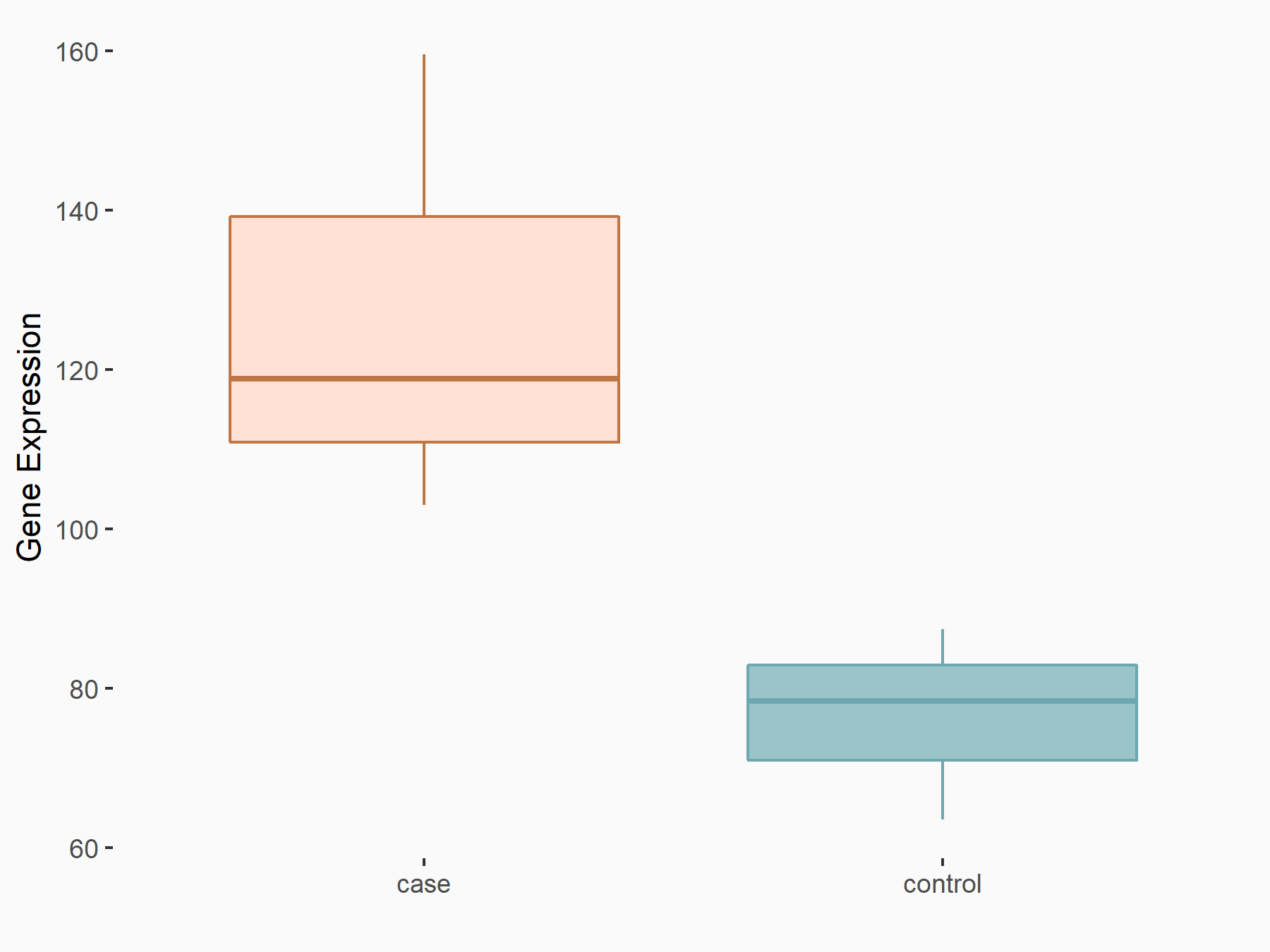 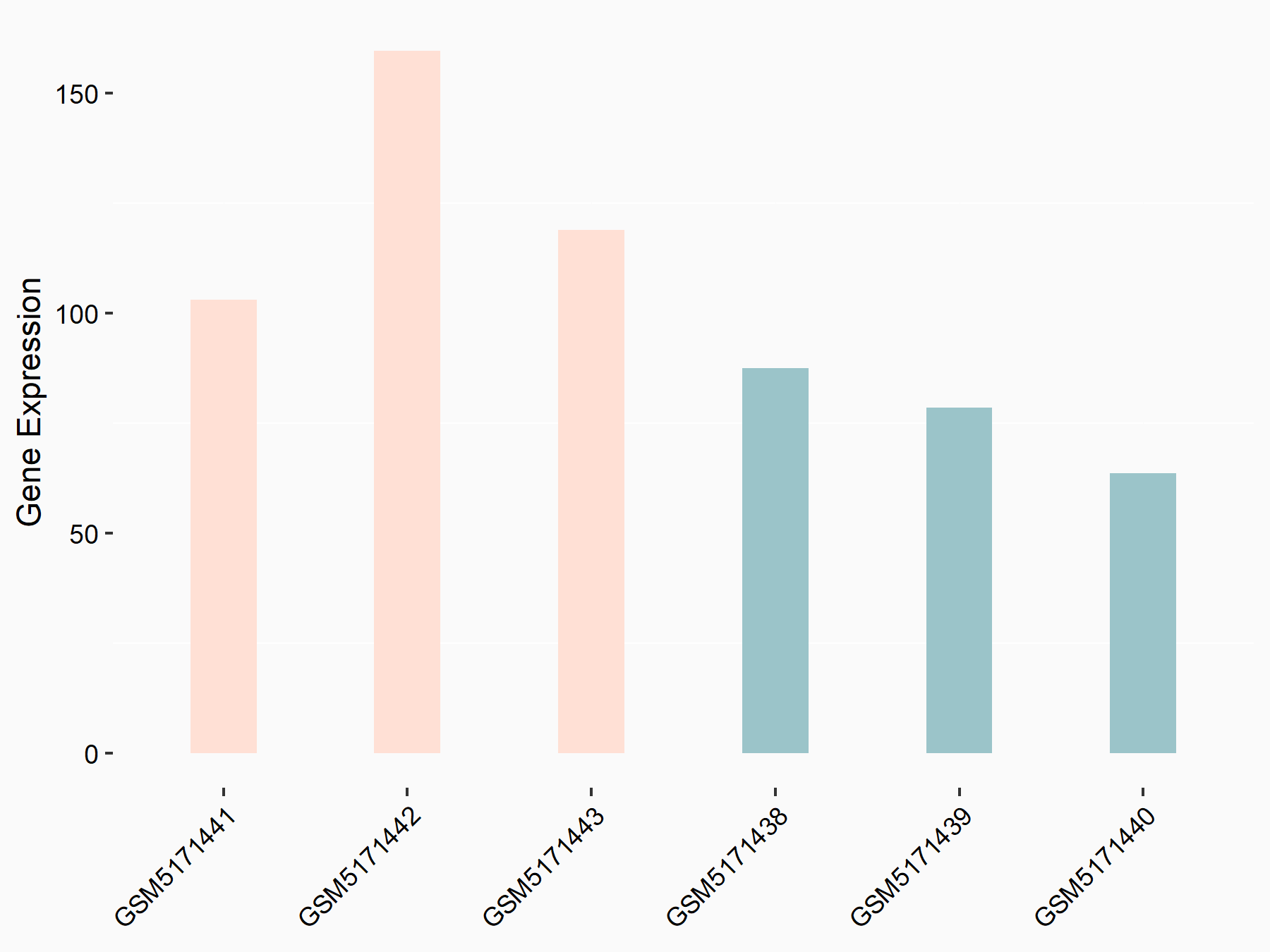 |
logFC: 7.14E-01 p-value: 2.43E-02 |
| More Results | Click to View More RNA-seq Results | |
Acute myocardial infarction [ICD-11: BA41]
| In total 1 item(s) under this disease | ||||
| Experiment 1 Reporting the m6A-centered Disease Response of This Target Gene | [4] | |||
| Responsed Disease | Acute myocardial infarction [ICD-11: BA41] | |||
| Target Regulation | Up regulation | |||
| Cell Process | Endoplasmic reticulum stress | |||
| Cell apoptosis | ||||
In-vitro Model |
AC16 [Human hybrid cardiomyocyte] | Normal | Homo sapiens | CVCL_4U18 |
| In-vivo Model | Left anterior descending coronary artery (LAD) was ligated for 20 minutes, followed by 48 h reperfusion. Controls underwent same procedures except LAD ligation. WTAP shRNA vector or its negative control (shNC) was injected into the left ventricular anterior wall 24 h before I/R. A pressure volume catheter was used for cardiac function assay. | |||
| Response Summary | Myocardial infarction (MI) is one of the leading causes of death. WTAP promoted myocardial I/R injury through promoting ER stress and cell apoptosis by regulating m6A modification of Cyclic AMP-dependent transcription factor ATF-4 (ATF4) mRNA. H/R effects on ER stress and apoptosis were all blocked by silencing of WTAP, promoted by WTAP overexpression, and ameliorated by administration of ER stress inhibitor, 4-PBA. | |||
Dual specificity protein phosphatase 6 (DUSP6)
| Representative RNA-seq result indicating the expression of this target gene regulated by WTAP | ||
| Cell Line | mouse embryonic stem cells | Mus musculus |
|
Treatment: WTAP-/- ESCs
Control: Wild type ESCs
|
GSE145309 | |
| Regulation |
  |
logFC: -6.99E-01 p-value: 7.61E-15 |
| More Results | Click to View More RNA-seq Results | |
Malignant haematopoietic neoplasm [ICD-11: 2B33]
| In total 1 item(s) under this disease | ||||
| Experiment 1 Reporting the m6A-centered Disease Response of This Target Gene | [5] | |||
| Responsed Disease | Malignant haematopoietic neoplasm [ICD-11: 2B33] | |||
| Responsed Drug | Cisplatin | Approved | ||
| Target Regulation | Up regulation | |||
| Cell Process | Cell apoptosis | |||
In-vitro Model |
Normal NK cells (CD3-negative lymphocytes) | |||
| SNK-6 | Nasal type extranodal NK/T-cell lymphoma | Homo sapiens | CVCL_A673 | |
| YTS | Lymphoblastic leukemia/lymphoma | Homo sapiens | CVCL_D324 | |
| Response Summary | m6A methyltransferase Wilms' tumor 1-associated protein facilitates cell proliferation and cisplatin resistance in NK/T cell lymphoma by regulating dual-specificity phosphatases 6 expression via m6A RNA methylation. WTAP enhanced Dual specificity protein phosphatase 6 (DUSP6) expression by increasing m6A levels of DUSP6 mRNA transcript, leading to oncogenic functions in NKTCL. | |||
Focal adhesion kinase 1 (Fak)
| Representative RNA-seq result indicating the expression of this target gene regulated by WTAP | ||
| Cell Line | mouse embryonic stem cells | Mus musculus |
|
Treatment: WTAP-/- ESCs
Control: Wild type ESCs
|
GSE145309 | |
| Regulation |
  |
logFC: 5.98E-01 p-value: 1.29E-24 |
| More Results | Click to View More RNA-seq Results | |
Pancreatic cancer [ICD-11: 2C10]
| In total 1 item(s) under this disease | ||||
| Experiment 1 Reporting the m6A-centered Disease Response of This Target Gene | [6] | |||
| Responsed Disease | Pancreatic cancer [ICD-11: 2C10] | |||
| Responsed Drug | Gemcitabine | Approved | ||
| Target Regulation | Up regulation | |||
| Pathway Response | PI3K-Akt signaling pathway | hsa04151 | ||
| Cell Process | RNA stability | |||
In-vitro Model |
T3M-4 | Pancreatic ductal adenocarcinoma | Homo sapiens | CVCL_4056 |
| PANC-1 | Pancreatic ductal adenocarcinoma | Homo sapiens | CVCL_0480 | |
| MIA PaCa-2 | Pancreatic ductal adenocarcinoma | Homo sapiens | CVCL_0428 | |
| hTERT-HPNE | Normal | Homo sapiens | CVCL_C466 | |
| HPDE6c7 | Normal | Homo sapiens | CVCL_0P38 | |
| BxPC-3 | Pancreatic ductal adenocarcinoma | Homo sapiens | CVCL_0186 | |
| AsPC-1 | Pancreatic ductal adenocarcinoma | Homo sapiens | CVCL_0152 | |
| In-vivo Model | Twenty-four female BALB/c athymic nude mice, which were 4-6 weeks old and weighed 20.0-25.0 g, were obtained from the Animal Research Center of PUMCH. WTAP-OE, WTAP-NC, shWTAP and shNC-lentivirus infected MIA PaCa-2 cells (5 × 10⁶) were suspended in 50 uL PBS and then injected subcapsularly into the pancreatic tissue by 1-mL syringes. | |||
| Response Summary | WTAP could promote migration/invasion and suppress chemo-sensitivity to gemcitabine in PC. Further mechanical investigation revealed that WTAP could bind to and stabilize Focal adhesion kinase 1 (Fak) mRNA which in turn activated the Fak-PI3K-AKT and Fak-Src-GRB2-Erk1/2 signaling pathways. | |||
Forkhead box protein M1 (FOXM1)
| Representative RNA-seq result indicating the expression of this target gene regulated by WTAP | ||
| Cell Line | mouse embryonic stem cells | Mus musculus |
|
Treatment: WTAP-/- ESCs
Control: Wild type ESCs
|
GSE145309 | |
| Regulation |
  |
logFC: -9.85E-01 p-value: 1.39E-67 |
| More Results | Click to View More RNA-seq Results | |
Osteosarcoma [ICD-11: 2B51]
| In total 1 item(s) under this disease | ||||
| Experiment 1 Reporting the m6A-centered Disease Response of This Target Gene | [7] | |||
| Responsed Disease | Osteosarcoma [ICD-11: 2B51] | |||
| Target Regulation | Up regulation | |||
In-vitro Model |
SaOS-2 | Osteosarcoma | Homo sapiens | CVCL_0548 |
| MG-63 | Osteosarcoma | Homo sapiens | CVCL_0426 | |
| hFOB 1.19 | Normal | Homo sapiens | CVCL_3708 | |
| In-vivo Model | In vivo animal assay, FOXD2-AS1 overexpression promoted the tumor growth in mice subcutaneous injection. | |||
| Response Summary | A remarkable m6A-modified site was found on the 3'-UTR of FOXD2-AS1, and m6A methyltransferase WTAP promoted the methylation modification, thus enhancing the stability of FOXD2-AS1 transcripts. m6A-modified FOXD2-AS1 accelerates the osteosarcoma progression through m6A manner, which provides new concepts for osteosarcoma tumorigenesis. FOXD2-AS1 interacted with downstream target FOXM1 mRNA through m6A sites, forming a FOXD2-AS1/m6A/Forkhead box protein M1 (FOXM1) complex to heighten FOXM1 mRNA stability. | |||
Hepatocyte growth factor receptor (c-Met/MET)
| Representative RNA-seq result indicating the expression of this target gene regulated by WTAP | ||
| Cell Line | mouse embryonic stem cells | Mus musculus |
|
Treatment: WTAP-/- ESCs
Control: Wild type ESCs
|
GSE145309 | |
| Regulation |
  |
logFC: -2.39E+00 p-value: 1.81E-38 |
| More Results | Click to View More RNA-seq Results | |
Lung cancer [ICD-11: 2C25]
| In total 1 item(s) under this disease | ||||
| Experiment 1 Reporting the m6A-centered Disease Response of This Target Gene | [8] | |||
| Responsed Disease | Non-small-cell lung carcinoma [ICD-11: 2C25.Y] | |||
| Responsed Drug | Crizotinib | Approved | ||
| Target Regulation | Up regulation | |||
| Pathway Response | EGFR tyrosine kinase inhibitor resistance | hsa01521 | ||
In-vitro Model |
HCC827 | Lung adenocarcinoma | Homo sapiens | CVCL_2063 |
| NCI-H661 | Lung large cell carcinoma | Homo sapiens | CVCL_1577 | |
| NCI-H596 | Lung adenosquamous carcinoma | Homo sapiens | CVCL_1571 | |
| NCI-H460 | Lung large cell carcinoma | Homo sapiens | CVCL_0459 | |
| NCI-H358 | Minimally invasive lung adenocarcinoma | Homo sapiens | CVCL_1559 | |
| NCI-H292 | Lung mucoepidermoid carcinoma | Homo sapiens | CVCL_0455 | |
| NCI-H1975 | Lung adenocarcinoma | Homo sapiens | CVCL_1511 | |
| NCI-H1650 | Minimally invasive lung adenocarcinoma | Homo sapiens | CVCL_1483 | |
| NCI-H1395 | Lung adenocarcinoma | Homo sapiens | CVCL_1467 | |
| EBC-1 | Lung squamous cell carcinoma | Homo sapiens | CVCL_2891 | |
| Calu-3 | Lung adenocarcinoma | Homo sapiens | CVCL_0609 | |
| A-549 | Lung adenocarcinoma | Homo sapiens | CVCL_0023 | |
| In-vivo Model | HCC827 (3×10⁶) cells suspended in 100 uL of PBS were injected into the left inguen of female Balb/c nude mice (body weight 18-20 g; age 6 weeks; Beijing Huafukang Bioscience Co., Inc.). When the tumor volumes reached 50-100 mm3 on the 10th posttransplantation day, the mice were randomized into four groups (10 mice per group) and were intragastrically administered vehicle (normal saline), crizotinib (25 mg/kg body weight), chidamide (5 mg/kg), or the combination of the two drugs daily for 21 days. The tumor volumes and body weights of the mice were measured every 3 days. | |||
| Response Summary | Chidamide could decrease Hepatocyte growth factor receptor (c-Met/MET) expression by inhibiting mRNA N6-methyladenosine (m6A) modification through the downregulation of METTL3 and WTAP expression, subsequently increasing the crizotinib sensitivity of NSCLC cells in a c-MET-/HGF-dependent manner. | |||
Hexokinase-2 (HK2)
| Representative RNA-seq result indicating the expression of this target gene regulated by WTAP | ||
| Cell Line | mouse embryonic stem cells | Mus musculus |
|
Treatment: WTAP-/- ESCs
Control: Wild type ESCs
|
GSE145309 | |
| Regulation |
  |
logFC: -8.37E-01 p-value: 2.23E-65 |
| More Results | Click to View More RNA-seq Results | |
Gastric cancer [ICD-11: 2B72]
| In total 1 item(s) under this disease | ||||
| Experiment 1 Reporting the m6A-centered Disease Response of This Target Gene | [9] | |||
| Responsed Disease | Gastric cancer [ICD-11: 2B72] | |||
| Target Regulation | Up regulation | |||
| Pathway Response | Glycolysis / Gluconeogenesis | hsa00010 | ||
| Cell Process | Glycolysis | |||
In-vitro Model |
SGC-7901 | Gastric carcinoma | Homo sapiens | CVCL_0520 |
| MGC-803 | Gastric mucinous adenocarcinoma | Homo sapiens | CVCL_5334 | |
| GES-1 | Normal | Homo sapiens | CVCL_EQ22 | |
| BGC-823 | Gastric carcinoma | Homo sapiens | CVCL_3360 | |
| AGS | Gastric adenocarcinoma | Homo sapiens | CVCL_0139 | |
| Response Summary | Oncogenic role of WTAP and its m6A-mediated regulation on gastric cancer Warburg effect, providing a novel approach and therapeutic target in gastric cancer. WTAP enhanced the stability of Hexokinase-2 (HK2) mRNA through binding with the 3'-UTR m6A site. | |||
Diffuse large B-cell lymphomas [ICD-11: 2A81]
| In total 1 item(s) under this disease | ||||
| Experiment 1 Reporting the m6A-centered Disease Response of This Target Gene | [24] | |||
| Responsed Disease | Diffuse large B-cell lymphomas [ICD-11: 2A81] | |||
In-vitro Model |
SU-DHL-8 | Diffuse large B-cell lymphoma germinal center B-cell type | Homo sapiens | CVCL_2207 |
LIM and SH3 domain protein 1 (LASP1)
| Representative RNA-seq result indicating the expression of this target gene regulated by WTAP | ||
| Cell Line | mice hepatocyte | Mus musculus |
|
Treatment: Wtap Hknockout mice hepatocyte
Control: Wtap flox/flox mice hepatocyte
|
GSE168850 | |
| Regulation |
  |
logFC: 9.34E-01 p-value: 1.43E-03 |
| More Results | Click to View More RNA-seq Results | |
Nasopharyngeal carcinoma [ICD-11: 2B6B]
| In total 1 item(s) under this disease | ||||
| Experiment 1 Reporting the m6A-centered Disease Response of This Target Gene | [10] | |||
| Responsed Disease | Nasopharyngeal carcinoma [ICD-11: 2B6B] | |||
| Target Regulation | Up regulation | |||
| Response Summary | WTAP-mediated m6A modification of LIM and SH3 domain protein 1 (LASP1) enhanced its stability relying on the m6A reader IGF2BP2-dependent pathway. Furthermore, DIAPH1-AS1 acted as a molecular adaptor that promoted MTDH-LASP1 complex formation and upregulated LASP1 expression, ultimately facilitating NPC growth and metastasis. | |||
Myc proto-oncogene protein (MYC)
| Representative RNA-seq result indicating the expression of this target gene regulated by WTAP | ||
| Cell Line | mice hepatocyte | Mus musculus |
|
Treatment: Wtap Hknockout mice hepatocyte
Control: Wtap flox/flox mice hepatocyte
|
GSE168850 | |
| Regulation |
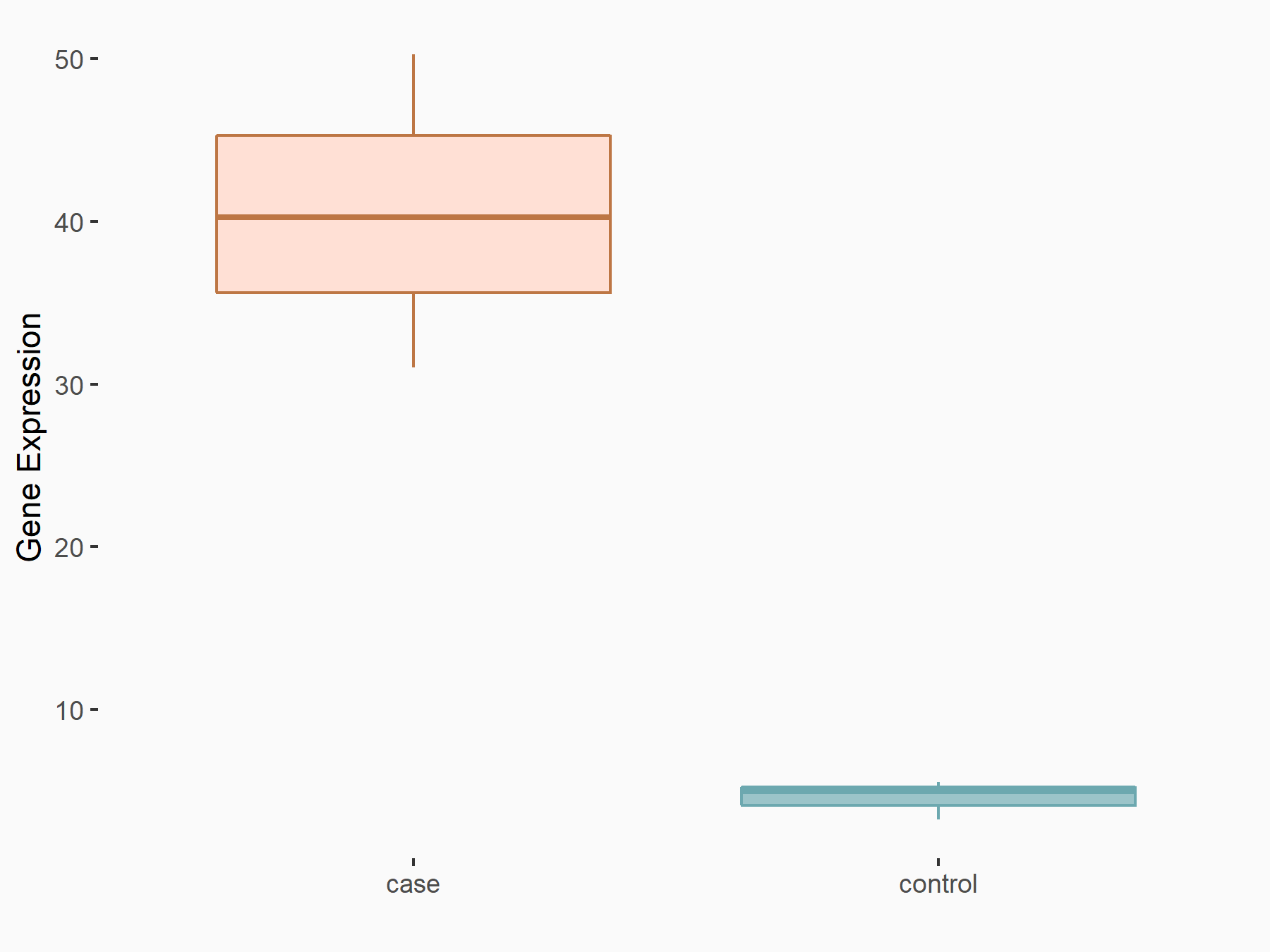 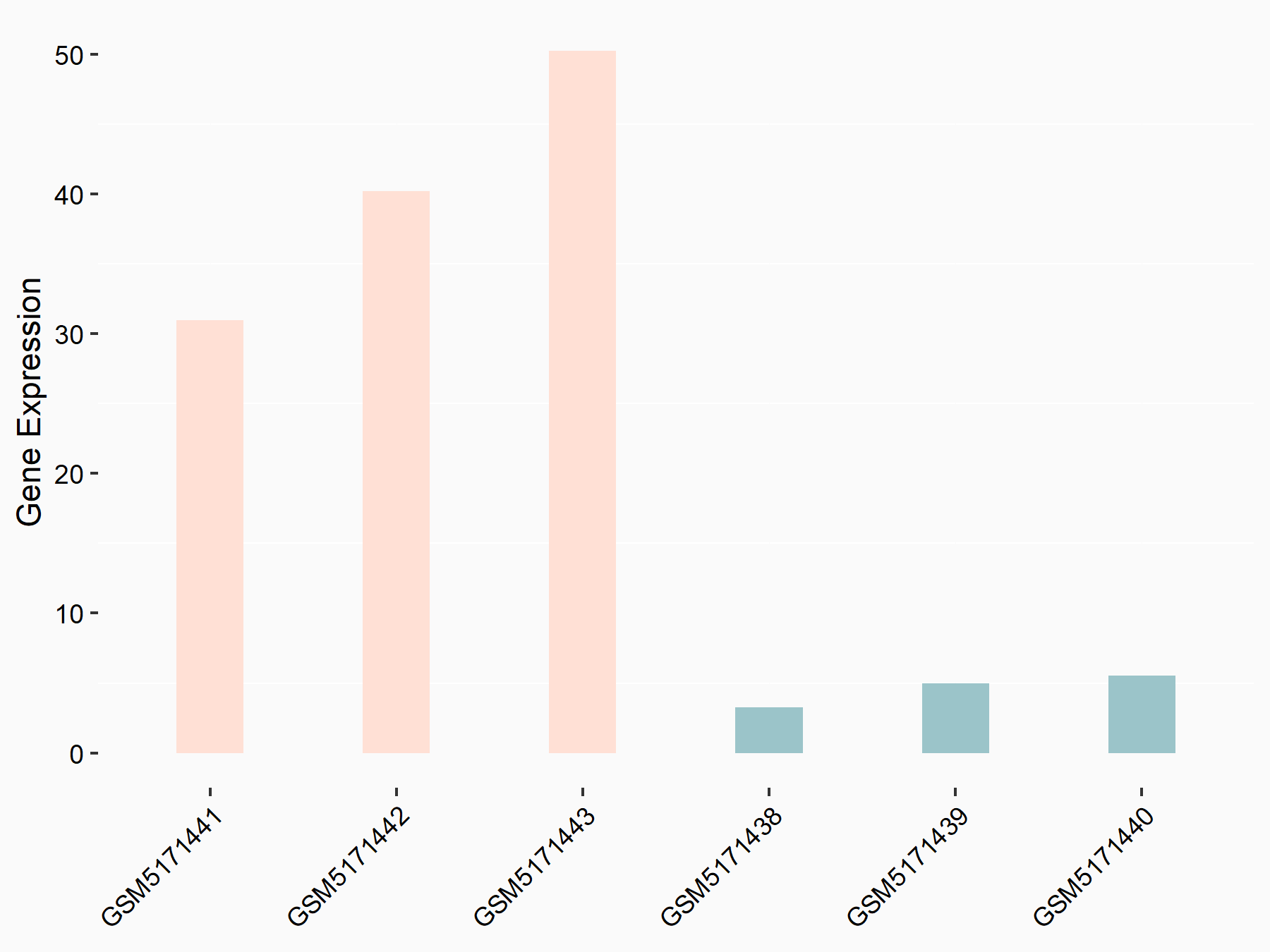 |
logFC: 2.89E+00 p-value: 1.82E-04 |
| More Results | Click to View More RNA-seq Results | |
Acute myeloid leukaemia [ICD-11: 2A60]
| In total 1 item(s) under this disease | ||||
| Experiment 1 Reporting the m6A-centered Disease Response of This Target Gene | [11] | |||
| Responsed Disease | Acute myeloid leukaemia [ICD-11: 2A60] | |||
| Responsed Drug | Daunorubicin | Approved | ||
| Target Regulation | Up regulation | |||
| Cell Process | Cell cycle | |||
| Cell proliferation | ||||
| Cell apoptosis | ||||
In-vitro Model |
K-562 | Chronic myelogenous leukemia | Homo sapiens | CVCL_0004 |
| MV4-11 | Childhood acute monocytic leukemia | Homo sapiens | CVCL_0064 | |
| Response Summary | WTAP made acute myeloid leukemia cells resistant to daunorubicin. In further investigations, m6A methylation level was downregulated when knocking down WTAP, and Myc proto-oncogene protein (MYC) was upregulated due to the decreased m6A methylation of MYC mRNA. | |||
Pancreatic cancer [ICD-11: 2C10]
| In total 1 item(s) under this disease | ||||
| Experiment 1 Reporting the m6A-centered Disease Response of This Target Gene | [27] | |||
| Responsed Disease | Pancreatic cancer [ICD-11: 2C10] | |||
| Responsed Drug | Gemcitabine | Approved | ||
| Target Regulation | Up regulation | |||
In-vitro Model |
PANC-1 | Pancreatic ductal adenocarcinoma | Homo sapiens | CVCL_0480 |
| CFPAC-1 | Cystic fibrosis | Homo sapiens | CVCL_1119 | |
| In-vivo Model | To evaluate the effect of gemcitabine on the tumor formation ability and gemcitabine/WTAP/MYC axis in vivo, we injected 2×10⁶ PANC1 cells at logarithmic growth phase into the axilla of 4-week-old nude mice for subcutaneous tumor formation. The mice were randomly divided into phosphate buffered saline (PBS) group and gemcitabine treatment group. PBS or gemcitabine was injected into the mice via the abdominal cavity at a concentration of 50 mg/kg once every 5 days. The tumor dimension was measured every 5 days. After 30 days, the tumors were excised and weighed to compare the tumor size and volume, WTAP and MYC mRNA and protein expression was detected by real-time quantitative reverse transcription polymerase chain reaction (qRT-PCR) and immunofluorescence. | |||
Nuclear factor NF-kappa-B p105 subunit (NF-Kappa-B/NFKB1)
| Representative RNA-seq result indicating the expression of this target gene regulated by WTAP | ||
| Cell Line | mice hepatocyte | Mus musculus |
|
Treatment: Wtap Hknockout mice hepatocyte
Control: Wtap flox/flox mice hepatocyte
|
GSE168850 | |
| Regulation |
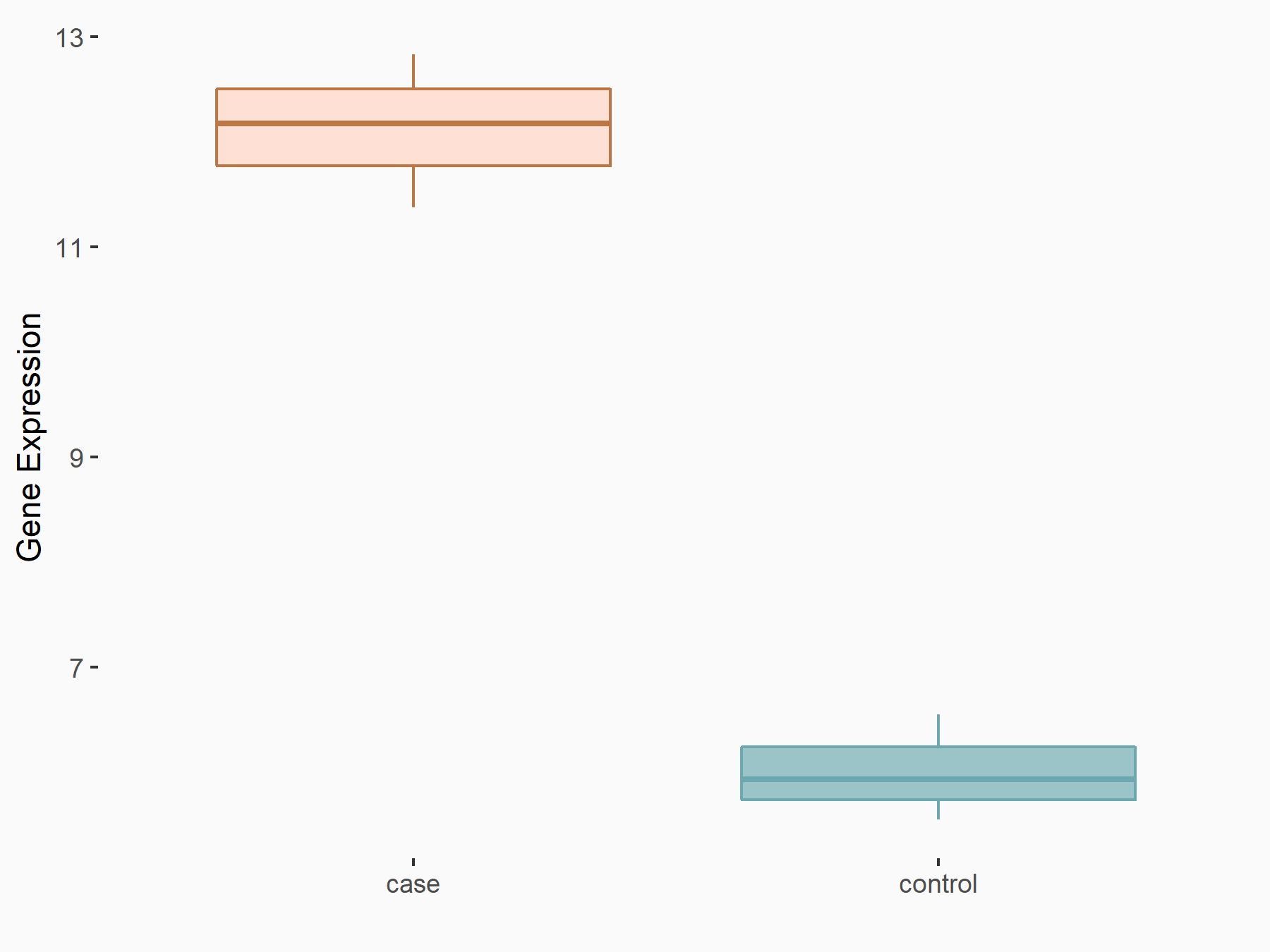 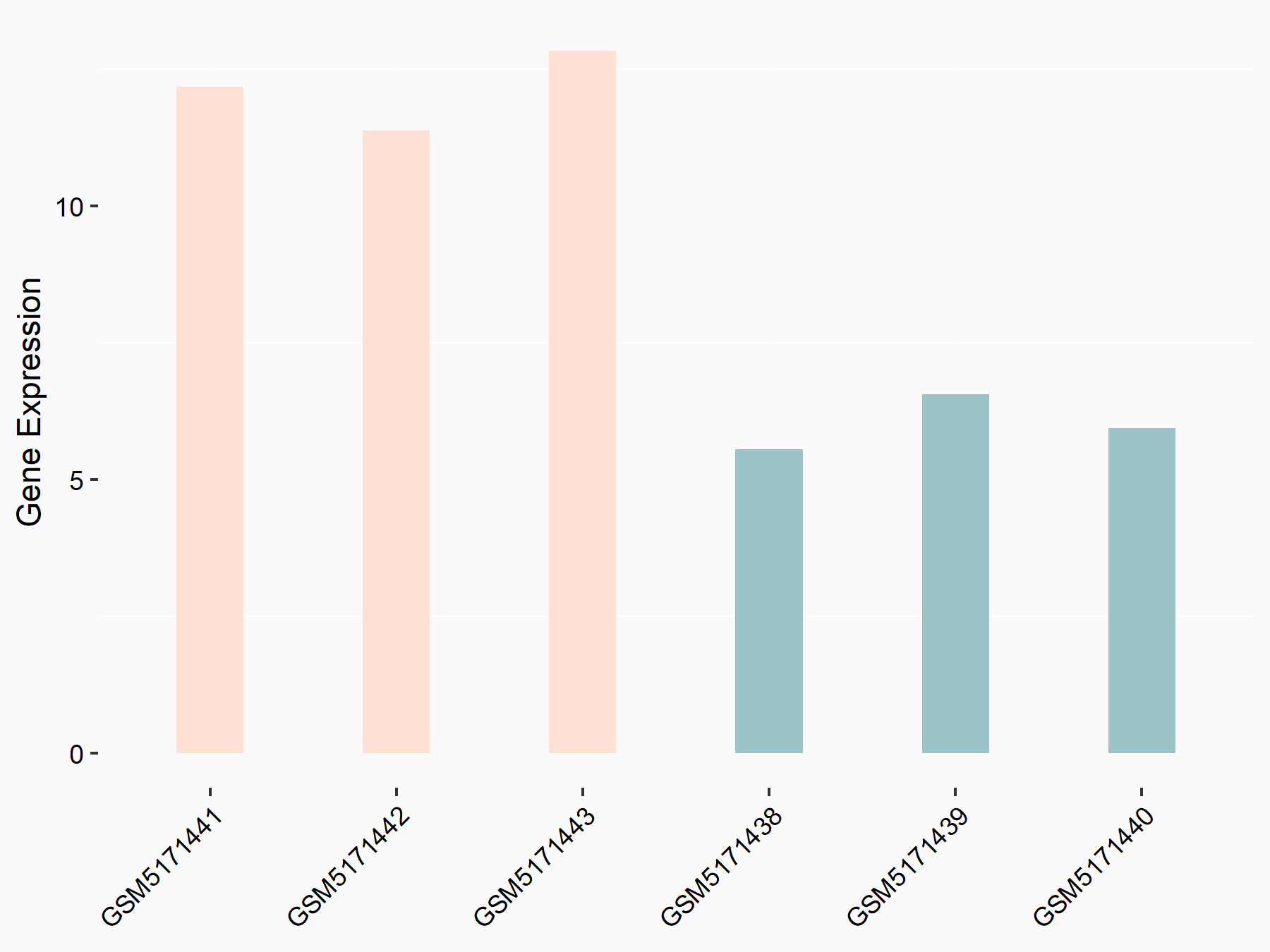 |
logFC: 9.05E-01 p-value: 1.07E-04 |
| More Results | Click to View More RNA-seq Results | |
Endometrial cancer [ICD-11: 2C76]
| In total 1 item(s) under this disease | ||||
| Experiment 1 Reporting the m6A-centered Disease Response of This Target Gene | [3] | |||
| Responsed Disease | Endometrial cancer [ICD-11: 2C76] | |||
| Pathway Response | NF-kappa B signaling pathway | hsa04064 | ||
| Apoptosis | hsa04210 | |||
| Cell Process | Cell proliferation | |||
| Cell migration | ||||
| Cell invasion | ||||
| Cell apoptosis | ||||
In-vitro Model |
Ishikawa | Endometrial adenocarcinoma | Homo sapiens | CVCL_2529 |
| HEC-1-A | Endometrial adenocarcinoma | Homo sapiens | CVCL_0293 | |
| Response Summary | WTAP could methylate 3'-UTR of CAV-1 and downregulate CAV-1 expression to activate Nuclear factor NF-kappa-B p105 subunit (NF-Kappa-B/NFKB1) signaling pathway in EC, which promoted EC progression. | |||
PI3-kinase subunit beta (PIK3CB)
| Representative RNA-seq result indicating the expression of this target gene regulated by WTAP | ||
| Cell Line | mice hepatocyte | Mus musculus |
|
Treatment: Wtap Hknockout mice hepatocyte
Control: Wtap flox/flox mice hepatocyte
|
GSE168850 | |
| Regulation |
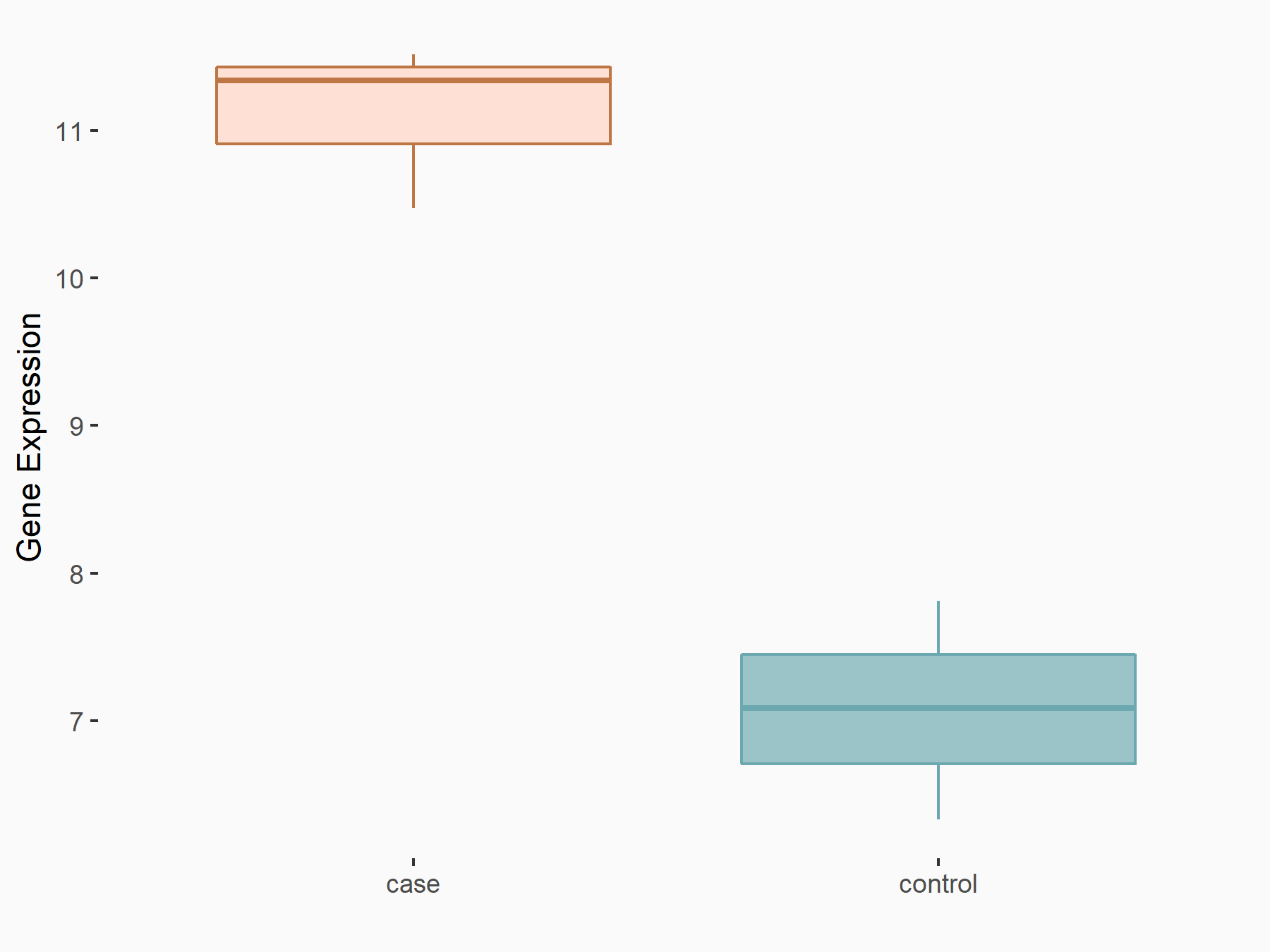 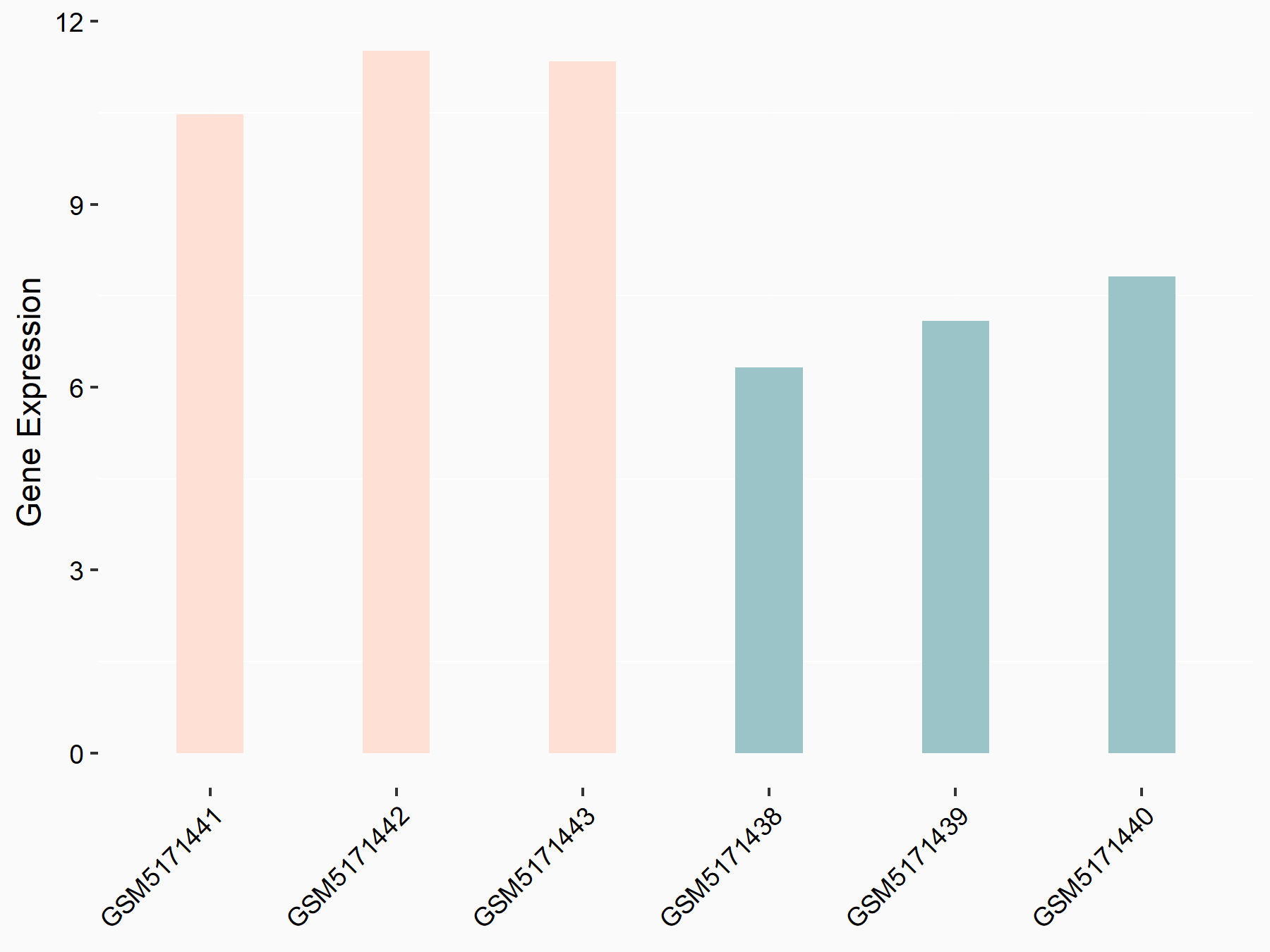 |
logFC: 5.88E-01 p-value: 1.20E-03 |
| More Results | Click to View More RNA-seq Results | |
Pancreatic cancer [ICD-11: 2C10]
| In total 1 item(s) under this disease | ||||
| Experiment 1 Reporting the m6A-centered Disease Response of This Target Gene | [12] | |||
| Responsed Disease | Pancreatic cancer [ICD-11: 2C10] | |||
| Responsed Drug | AZD6482 | Terminated | ||
| Target Regulation | Up regulation | |||
| Pathway Response | PI3K-Akt signaling pathway | hsa04151 | ||
| Glycolysis / Gluconeogenesis | hsa00010 | |||
| Cell Process | Glucose metabolism | |||
In-vitro Model |
BxPC-3 | Pancreatic ductal adenocarcinoma | Homo sapiens | CVCL_0186 |
| PANC-1 | Pancreatic ductal adenocarcinoma | Homo sapiens | CVCL_0480 | |
| In-vivo Model | Established cohorts of mice bearing tumour xenografts driven by PTEN-deficient BxPC-3 and PANC-1 cells with PIK3CB overexpression. When tumours grew to ~300 mm3, mice were grouped and administered with vehicle (DMSO) or KIN-193 via intraperitoneal injection (20 mg/kg) once daily. | |||
| Response Summary | N6-methyladenosine mRNA methylation of PIK3CB regulates AKT signalling to promote PTEN-deficient pancreatic cancer progression. Rs142933486 is significantly associated with the overall survival of PDAC by reducing the PIK3CB m6A level, which facilitated its mRNA and protein expression levels mediated by the m6A 'writer' complex (METTL13/METTL14/WTAP) and the m6A 'reader' YTHDF2. KIN-193, a PI3-kinase subunit beta (PIK3CB)-selective inhibitor, is shown to serve as an effective anticancer agent for blocking PTEN-deficient PDAC. | |||
Protein C-ets-1 (ETS1)
| Representative RNA-seq result indicating the expression of this target gene regulated by WTAP | ||
| Cell Line | mice hepatocyte | Mus musculus |
|
Treatment: Wtap Hknockout mice hepatocyte
Control: Wtap flox/flox mice hepatocyte
|
GSE168850 | |
| Regulation |
  |
logFC: 1.11E+00 p-value: 3.10E-03 |
| More Results | Click to View More RNA-seq Results | |
Liver cancer [ICD-11: 2C12]
| In total 1 item(s) under this disease | ||||
| Experiment 1 Reporting the m6A-centered Disease Response of This Target Gene | [13] | |||
| Responsed Disease | Hepatocellular carcinoma [ICD-11: 2C12.02] | |||
| Target Regulation | Down regulation | |||
| Pathway Response | Cell cycle | hsa04110 | ||
| Cell Process | Cell proliferation and tumor growth | |||
| Cell apoptosis | ||||
| Arrest cell cycle at G2/M phase | ||||
In-vitro Model |
HCCLM3 | Adult hepatocellular carcinoma | Homo sapiens | CVCL_6832 |
| Hep 3B2.1-7 | Childhood hepatocellular carcinoma | Homo sapiens | CVCL_0326 | |
| Huh-7 | Adult hepatocellular carcinoma | Homo sapiens | CVCL_0336 | |
| MHCC97-H | Adult hepatocellular carcinoma | Homo sapiens | CVCL_4972 | |
| PLC/PRF/5 | Adult hepatocellular carcinoma | Homo sapiens | CVCL_0485 | |
| QSG-7701 | Endocervical adenocarcinoma | Homo sapiens | CVCL_6944 | |
| SMMC-7721 | Endocervical adenocarcinoma | Homo sapiens | CVCL_0534 | |
| In-vivo Model | 3 × 10⁶ treated HCC cells resuspended in 100 uL PBS were subcutaneously injected to the left flank of the mice, which were randomly divided into several groups. Tumor sizes were measured every 3 to 5 days. | |||
| Response Summary | WTAP-guided m6A modification contributes to the progression of Hepatocellular carcinoma cells via the HuR-Protein C-ets-1 (ETS1)-p21/p27 axis. | |||
Rheumatoid arthritis [ICD-11: FA20]
| In total 1 item(s) under this disease | ||||
| Experiment 1 Reporting the m6A-centered Disease Response of This Target Gene | [31] | |||
| Responsed Disease | Rheumatoid arthritis [ICD-11: FA20] | |||
| Target Regulation | Down regulation | |||
Protein patched homolog 1 (PTCH1)
| Representative RNA-seq result indicating the expression of this target gene regulated by WTAP | ||
| Cell Line | mouse embryonic stem cells | Mus musculus |
|
Treatment: WTAP-/- ESCs
Control: Wild type ESCs
|
GSE145309 | |
| Regulation |
  |
logFC: 1.15E+00 p-value: 6.91E-68 |
| More Results | Click to View More RNA-seq Results | |
Hepatic fibrosis/cirrhosis [ICD-11: DB93]
| In total 1 item(s) under this disease | ||||
| Experiment 1 Reporting the m6A-centered Disease Response of This Target Gene | [14] | |||
| Responsed Disease | Hepatic fibrosis [ICD-11: DB93.0] | |||
| Responsed Drug | AcSDKP | Phase 2 | ||
| Target Regulation | Down regulation | |||
| Pathway Response | Hedgehog signaling pathway | hsa04340 | ||
| Cell Process | Cell apoptosis | |||
In-vitro Model |
HSC (Hematopoietic stem cell) | |||
| In-vivo Model | Male Sprague-Dawley rats (375-400 g) liver fibrosis was induced by subcutaneous injection of carbon tetrachloride (CCl4) and olive oil (a ratio of 2:3) twice per week. | |||
| Response Summary | AcSDKP in liver fibrosis via m6A modification and Hedgehog pathway, which helps us to shed light on the molecular mechanism in liver fibrosis progression. WTAP targeted the 3'-UTR of Protein patched homolog 1 (PTCH1) mRNA, and administration of AcSDKP reduced the stability of Ptch1 mRNA. | |||
Serine/threonine-protein kinase STK11 (STK11/LKB1)
| Representative RNA-seq result indicating the expression of this target gene regulated by WTAP | ||
| Cell Line | CD4+ T cells | Mus musculus |
|
Treatment: Wtap knockout CD4+ T cells
Control: Wild type CD4+ T cells
|
GSE188814 | |
| Regulation |
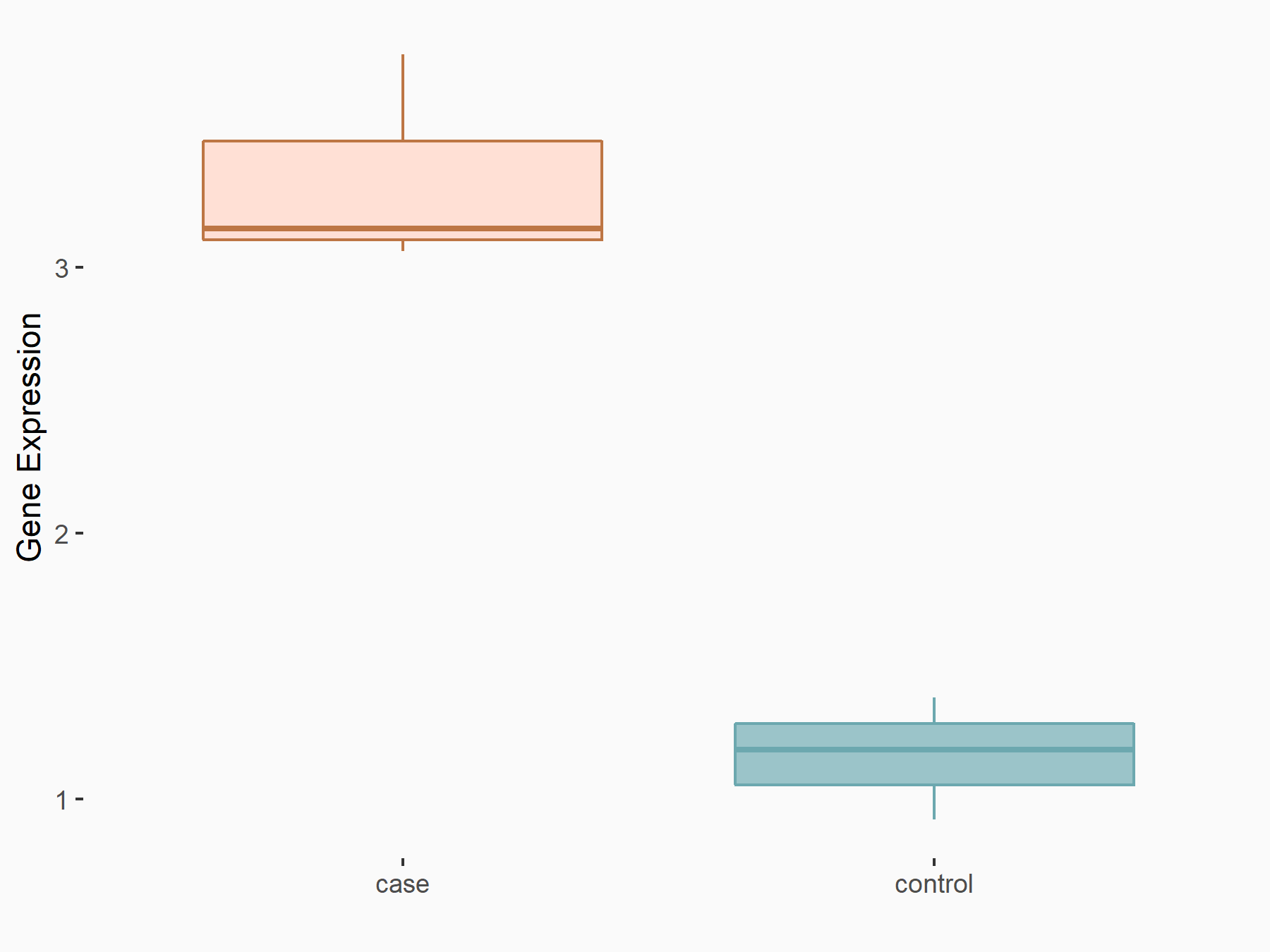 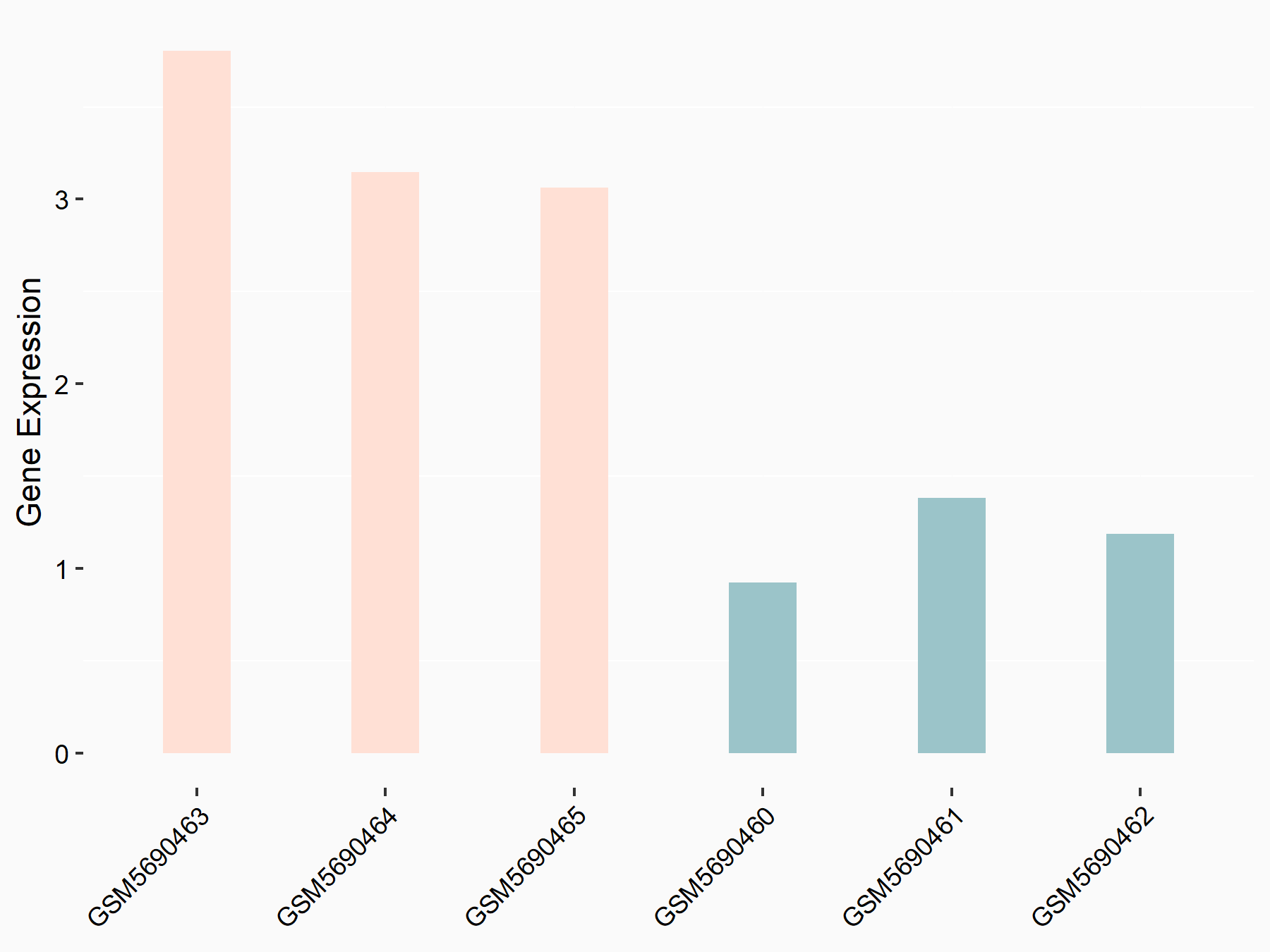 |
logFC: 1.01E+00 p-value: 6.29E-04 |
| More Results | Click to View More RNA-seq Results | |
Liver cancer [ICD-11: 2C12]
| In total 1 item(s) under this disease | ||||
| Experiment 1 Reporting the m6A-centered Disease Response of This Target Gene | [2] | |||
| Responsed Disease | Hepatocellular carcinoma [ICD-11: 2C12.02] | |||
| Target Regulation | Up regulation | |||
| Pathway Response | AMPK signaling pathway | hsa04152 | ||
| Autophagy | hsa04140 | |||
| Cell Process | Cell autophagy | |||
In-vitro Model |
BEL-7402 | Endocervical adenocarcinoma | Homo sapiens | CVCL_5492 |
| BEL-7404 | Endocervical adenocarcinoma | Homo sapiens | CVCL_6568 | |
| HEK293T | Normal | Homo sapiens | CVCL_0063 | |
| L-02 | Endocervical adenocarcinoma | Homo sapiens | CVCL_6926 | |
| SMMC-7721 | Endocervical adenocarcinoma | Homo sapiens | CVCL_0534 | |
| Response Summary | WTAP/Serine/threonine-protein kinase STK11 (STK11/LKB1)/AMPK axis in hepatocellular carcinoma cells acted as a key regulator, linking m6A with autophagy. WTAP-mediated m6A modification plays an important role in the regulation of autophagy in hepatocellular carcinoma cells, which provides a promising target for the treatment of hepatocellular carcinoma. | |||
Tumor necrosis factor receptor superfamily member 10A (TNFRSF10A)
| Representative RNA-seq result indicating the expression of this target gene regulated by WTAP | ||
| Cell Line | Human umbilical vein endothelial cells | Homo sapiens |
|
Treatment: siWTAP HUVECs
Control: siControl HUVECs
|
GSE167067 | |
| Regulation |
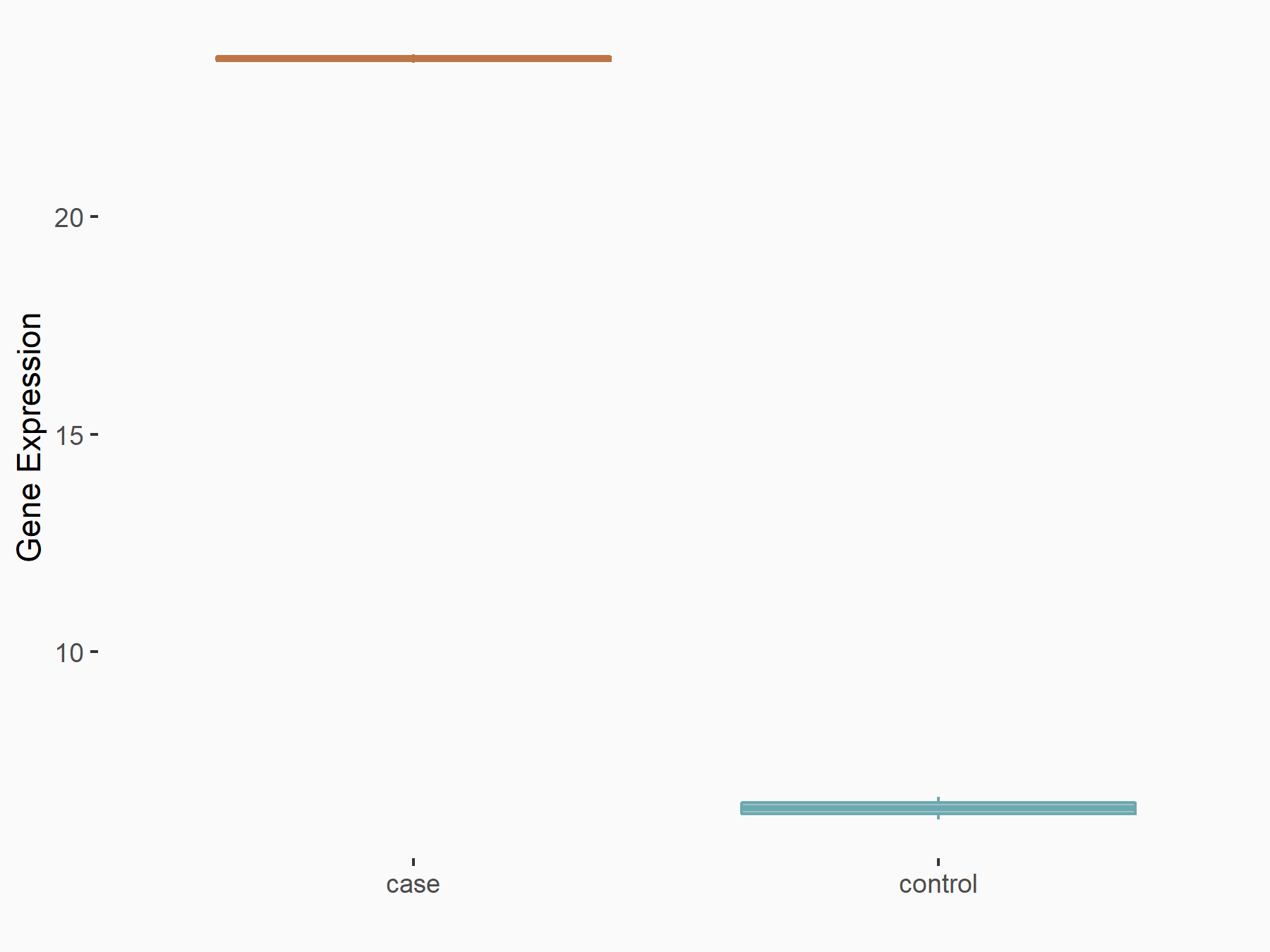 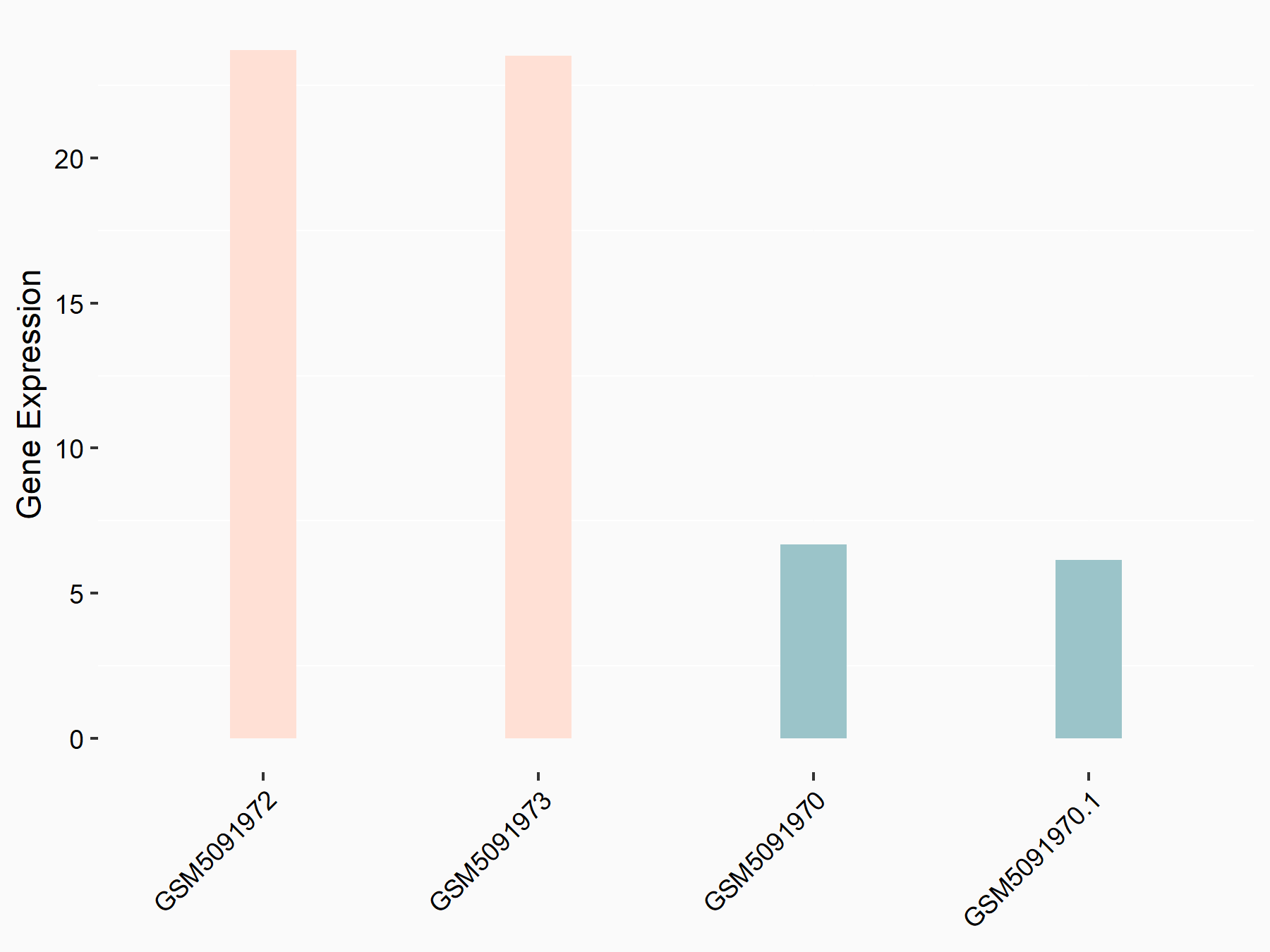 |
logFC: 1.73E+00 p-value: 1.15E-04 |
| More Results | Click to View More RNA-seq Results | |
Rheumatoid arthritis [ICD-11: FA20]
| In total 1 item(s) under this disease | ||||
| Experiment 1 Reporting the m6A-centered Disease Response of This Target Gene | [15] | |||
| Responsed Disease | Rheumatoid arthritis [ICD-11: FA20] | |||
| Pathway Response | JAK-STAT signaling pathway | hsa04630 | ||
| Cytokine-cytokine receptor interaction | hsa04060 | |||
| Cell Process | Cell proliferation | |||
| Cell apoptosis | ||||
In-vitro Model |
MH7A | Normal | Homo sapiens | CVCL_0427 |
| In-vivo Model | The rats were adaptively fed for 1 week and then subcutaneous injection of complete Freund's adjuvant into the left hindfoot toe to establish an adjuvant arthritis (AA) rat model. After induction of the immune response for 20 days, all rats were anesthetized by the intraperitoneal injection of 1% sodium pentobarbital (60 mg/kg) and sacrificed by exsanguination of the abdominal aorta. | |||
| Response Summary | This study established the transcriptional map of m6A in MH7A cells and revealed the potential relationship between RNA methylation modification and rheumatoid arthritis related genes. The results suggested that m6A modification was associated with the occurrence and course of RA to some extent. The validations of WTAP, RIPK2, JAK3 and Tumor necrosis factor receptor superfamily member 10A (TNFRSF10A) were in accordance with the m6A and RNA sequencing results. | |||
Tyrosine-protein kinase JAK3 (JAK3)
| Representative RNA-seq result indicating the expression of this target gene regulated by WTAP | ||
| Cell Line | Human umbilical vein endothelial cells | Homo sapiens |
|
Treatment: siWTAP HUVECs
Control: siControl HUVECs
|
GSE167067 | |
| Regulation |
  |
logFC: 1.47E+00 p-value: 6.40E-04 |
| More Results | Click to View More RNA-seq Results | |
Rheumatoid arthritis [ICD-11: FA20]
| In total 1 item(s) under this disease | ||||
| Experiment 1 Reporting the m6A-centered Disease Response of This Target Gene | [15] | |||
| Responsed Disease | Rheumatoid arthritis [ICD-11: FA20] | |||
| Pathway Response | JAK-STAT signaling pathway | hsa04630 | ||
| Cytokine-cytokine receptor interaction | hsa04060 | |||
| Cell Process | Cell proliferation | |||
| Cell apoptosis | ||||
In-vitro Model |
MH7A | Normal | Homo sapiens | CVCL_0427 |
| In-vivo Model | The rats were adaptively fed for 1 week and then subcutaneous injection of complete Freund's adjuvant into the left hindfoot toe to establish an adjuvant arthritis (AA) rat model. After induction of the immune response for 20 days, all rats were anesthetized by the intraperitoneal injection of 1% sodium pentobarbital (60 mg/kg) and sacrificed by exsanguination of the abdominal aorta. | |||
| Response Summary | This study established the transcriptional map of m6A in MH7A cells and revealed the potential relationship between RNA methylation modification and rheumatoid arthritis related genes. The results suggested that m6A modification was associated with the occurrence and course of RA to some extent. The validations of WTAP, RIPK2, Tyrosine-protein kinase JAK3 (JAK3) and TNFRSF10A were in accordance with the m6A and RNA sequencing results. | |||
Long intergenic non-protein coding RNA 657 (NORAD)
| Representative RNA-seq result indicating the expression of this target gene regulated by WTAP | ||
| Cell Line | Human umbilical vein endothelial cells | Homo sapiens |
|
Treatment: siWTAP HUVECs
Control: siControl HUVECs
|
GSE167067 | |
| Regulation |
  |
logFC: -7.45E-01 p-value: 4.90E-04 |
| More Results | Click to View More RNA-seq Results | |
Intervertebral disc degeneration [ICD-11: FA80]
| In total 1 item(s) under this disease | ||||
| Experiment 1 Reporting the m6A-centered Disease Response of This Target Gene | [16] | |||
| Responsed Disease | Intervertebral disc degeneration [ICD-11: FA80] | |||
| Pathway Response | Cellular senescence | hsa04218 | ||
| Cell Process | Cell senescence | |||
In-vitro Model |
Nucleus pulposus cells (NPCs) (Nucleus pulposus cells) | |||
| In-vivo Model | After 50g male NORAD-KO or C57 mice at age of 8 weeks were anesthetized with 3% (w/v) pentobarbital (2 ml/kg) and grouped randomly, investigators blinded to the group allocation performed the experiment. The disc levels in rat tail (Co6/7, 7/8, and 8/9) were located by palpation on the coccygeal vertebrae and confirmed by trial radiography. Needles (33-G) were used to puncture the annulus fibrosus layer though the tail skin, in parallel to the end plates. To ensure that the needle did not penetrate too deeply , the length of the needle was pre-determined according to the dimensions of annulus fibrosus and the NP , which were measured in a preliminary experiment and found to be approximately 4 mm. Five kinds of solution were prepared for intradisc injection, including AA V vector, AAV containing shPUM1, AAV containing shPUM2 for Norad KO mice, AAV vector, AAV containing shE2F3, AAVcontaining OE-E2F3 for WT mice. | |||
| Response Summary | Subsequent loss- and gain-of-function experiments reveal WTAP is increased in senescent nucleus pulposus cells, and significantly promotes Long intergenic non-protein coding RNA 657 (NORAD) m6A modification. This study shows interruption of NORAD m6A modification or the NORAD/PUMILIO/E2F3 axis could serve as a potential therapeutic target to inhibit the senescence of NPCs and development of intervertebral disc degeneration(IVDD). | |||
Apoptosis regulator Bcl-2 (BCL2)
Breast cancer [ICD-11: 2C60]
| In total 1 item(s) under this disease | ||||
| Experiment 1 Reporting the m6A-centered Disease Response of This Target Gene | [17] | |||
| Responsed Disease | Breast cancer [ICD-11: 2C60] | |||
In-vitro Model |
SK-BR-3 | Breast adenocarcinoma | Homo sapiens | CVCL_0033 |
| MDA-MB-468 | Breast adenocarcinoma | Homo sapiens | CVCL_0419 | |
| MDA-MB-231 | Breast adenocarcinoma | Homo sapiens | CVCL_0062 | |
| MCF-7 | Invasive breast carcinoma | Homo sapiens | CVCL_0031 | |
| MCF-10A | Normal | Homo sapiens | CVCL_0598 | |
| In-vivo Model | Injected into the mice of the flanks subcutaneously with shNC/shNRP1 MDA-MB-231(4 × 10⁶) cells. Using calipers to examined the tumors of length and width, calculated the volumes of tumors twice every week. After 14 days, divided BALB/c nude mice randomly into four groups: control, shNRP1, local IR, and shNRP1 + local IR. Within 15 to 20 days of tumor inoculation, radiation was given at a dose of 2 Gy per day (the treatment lasted for 5 days). All experimental mice were euthanized by intraperitoneally injecting 3% pentobarbital sodium (Sigma-Aldrich, USA) at the completion of 35 days. H&E staining and immunohistochemistry staining were performed on all tumor tissues. | |||
Autophagy protein 5 (ATG5)
Liver cancer [ICD-11: 2C12]
| In total 1 item(s) under this disease | ||||
| Experiment 1 Reporting the m6A-centered Disease Response of This Target Gene | [18] | |||
| Responsed Disease | Liver hepatocellular carcinoma [ICD-11: 2C12.02] | |||
| Target Regulation | Up regulation | |||
In-vitro Model |
Huh-7 | Adult hepatocellular carcinoma | Homo sapiens | CVCL_0336 |
| Hep-G2 | Hepatoblastoma | Homo sapiens | CVCL_0027 | |
| In-vivo Model | Four-week-old BALB/C-nu nude male mice were used for animal studies, and all animals were maintained in the specific pathogen-free (SPF) conditions at our institution. Huh-7 and stable YTHDC2 knockdown Huh-7 cells (approximately 1 × 10⁷) resuspended with 50 μl of PBS and 50 μl of stromal gel were injected subcutaneously into the axilla of BALB/c nude mice to establish the subcutaneous xenograft model. When the volume of xenograft tumors up to 100 mm3, the mice were randomly divided into six groups, with five mice in each group. Erastin and sorafenib were dissolved in 10 % DMSO and 90 % corn oil and injected intraperitoneally into the mice every other day. After 28 days, mice were deeply anesthetized by intraperitoneal injection of sodium thiopental before decapitation, followed by tumors extraction, and stored in a -80 °C refrigerator for subsequent experiments. There were no occurrences of mouse mortality throughout the entire experimental period. | |||
Cyclin-dependent kinase 2 (CDK2)
Kidney cancer [ICD-11: 2C90-2C91]
| In total 1 item(s) under this disease | ||||
| Experiment 1 Reporting the m6A-centered Disease Response of This Target Gene | [19] | |||
| Responsed Disease | Kidney cancer [ICD-11: 2C90-2C91] | |||
In-vitro Model |
786-O | Renal cell carcinoma | Homo sapiens | CVCL_1051 |
| Caki-1 | Clear cell renal cell carcinoma | Homo sapiens | CVCL_0234 | |
Eukaryotic translation initiation factor 2 subunit 1 (EIF2S1/eIF2-Alpha)
Pulmonary hypertension [ICD-11: BB01]
| In total 1 item(s) under this disease | ||||
| Experiment 1 Reporting the m6A-centered Disease Response of This Target Gene | [20] | |||
| Responsed Disease | Pulmonary arterial hypertension [ICD-11: BB01.0] | |||
| Target Regulation | Up regulation | |||
| In-vivo Model | Adult male Sprague-Dawley (150-200 g in body weight) rats were randomly divided into control or MCT/vehicle rats. Experimental rats were administered an intraperitoneal injection of monocrotaline (60 mg/kg, Sigma, 315-22-0), and their littermates were injected with saline. For GSK2606414 treatment, rats that underwent monocrotaline treatment were treated either with vehicle or GSK2606414 (10 mg/kg, Sigma, 1,337,531-89-1) by intraperitoneal injection per day. GSK2606414 was dissolved in a mixture of dimethyl sulfoxide (DMSO): polyethylene glycol (PEG) 400: distilled water (1: 4: 5). After 4 weeks, RV systolic blood pressure (RVSP) was measured with pressure transducers under anesthesia. The RV hypertrophy was analyzed as a ratio of RV to left ventricular and septal weight. Left lung tissues were fixed in 4% paraformaldehyde solution for the following histology staining; right lung tissues and pulmonary arteries were excised and immediately frozen in liquid nitrogen for other experiments. | |||
Eukaryotic translation initiation factor 3 subunit C (EIF3C)
Prostate cancer [ICD-11: 2C82]
| In total 1 item(s) under this disease | ||||
| Experiment 1 Reporting the m6A-centered Disease Response of This Target Gene | [21] | |||
| Responsed Disease | Prostate cancer [ICD-11: 2C82] | |||
| Target Regulation | Up regulation | |||
Forkhead box protein O1 (FOXO1)
Urinary/pelvic organs injury [ICD-11: NB92]
| In total 1 item(s) under this disease | ||||
| Experiment 1 Reporting the m6A-centered Disease Response of This Target Gene | [22] | |||
| Responsed Disease | Renal ischemia-reperfusion injury [ICD-11: NB92.0Y] | |||
| Target Regulation | Up regulation | |||
In-vitro Model |
HK-2 [Human kidney] | Normal | Homo sapiens | CVCL_0302 |
Forkhead box protein O3 (FOXO3)
Injury of heart [ICD-11: NB31]
| In total 1 item(s) under this disease | ||||
| Experiment 1 Reporting the m6A-centered Disease Response of This Target Gene | [23] | |||
| Responsed Disease | Myocardial injury [ICD-11: NB31.Z] | |||
| Target Regulation | Up regulation | |||
In-vitro Model |
H9c2(2-1) | Normal | Rattus norvegicus | CVCL_0286 |
| In-vivo Model | For exercise-trained rats, SD rats were treadmill trained 5 days per week continuing six weeks. In brief, exercise was carried out on a motor-driven treadmill, set at a 10.5% incline, 5 days per week for 6 weeks in an adjoining room maintained at 20 °C. Running duration and speed were gradually increased more than 22 days to 60 min at 30 m/min, corresponding to about 80% VO2 max, and maintained for 2-3 weeks. | |||
Homeobox-containing protein 1 (HMBOX1)
Osteosarcoma [ICD-11: 2B51]
| In total 1 item(s) under this disease | ||||
| Experiment 1 Reporting the m6A-centered Disease Response of This Target Gene | [25] | |||
| Responsed Disease | Osteosarcoma [ICD-11: 2B51] | |||
| Target Regulation | Down regulation | |||
| Pathway Response | PI3K-Akt signaling pathway | hsa04151 | ||
In-vitro Model |
U2OS | Osteosarcoma | Homo sapiens | CVCL_0042 |
| SJSA-1 | Osteosarcoma | Homo sapiens | CVCL_1697 | |
| MG-63 | Osteosarcoma | Homo sapiens | CVCL_0426 | |
| HOS | Osteosarcoma | Homo sapiens | CVCL_0312 | |
| hFOB 1.19 | Normal | Homo sapiens | CVCL_3708 | |
| 143B | Osteosarcoma | Homo sapiens | CVCL_2270 | |
| In-vivo Model | Nude mice (4 weeks, male) were used for tumor model.For the subcutaneous tumor model, 1 × 10⁶ shNC, shWTAP or shHMBOX1 or shWTAP/shHMBOX1 U2OS cells seeded into mice via subcutaneous injection. Tumor volume and tumor weight were measured to analyze tumor growth as previous described. For orthotopic xenograft tumor model, shNC, shWTAP, shHMBOX1, or shWTAP/shHMBOX1 U2OS cells were labeled with a luminescent dye and GFP, and injected into the cavity of the tibia of mice. Thirty days after injection, tumor growth was detected. For the metastasis model, the cells were injected into the tail vein, and the lung metastasis were detected 30 days after injection using in vivo bioluminescence imaging system. | |||
| Response Summary | Homeobox-containing protein 1 (HMBOX1) was identified as the target gene of WTAP, WTAP/HMBOX1 regulated osteosarcoma growth and metastasis via PI3K/AKT pathway. | |||
Metalloproteinase inhibitor 3 (TIMP3)
Intervertebral disc degeneration [ICD-11: FA80]
| In total 1 item(s) under this disease | ||||
| Experiment 1 Reporting the m6A-centered Disease Response of This Target Gene | [26] | |||
| Responsed Disease | Intervertebral disc degeneration [ICD-11: FA80] | |||
In-vitro Model |
Pten-/- P2 | Carcinoma of the mouse prostate gland | Mus musculus | CVCL_VQ83 |
| In-vivo Model | We also used surgery to cause spine instability in rats to observe IVD changes under abnormal stress (Figure 1f). X-ray scans 6 months after surgery showed that the lumbar vertebral sequence line was continuous, with no stenosis in various intervertebral foramen in the ctrl group. | |||
NACHT, LRR and PYD domains-containing protein 3 (NLRP3)
Chronic kidney disease [ICD-11: GB61]
| In total 1 item(s) under this disease | ||||
| Experiment 1 Reporting the m6A-centered Disease Response of This Target Gene | [28] | |||
| Responsed Disease | Diabetic nephropathy [ICD-11: GB61.Z] | |||
| Responsed Drug | SETDB1-TTD-IN-1 | Investigative | ||
| Target Regulation | Up regulation | |||
Nuclear factor erythroid 2-related factor 2 (NFE2L2)
Bladder cancer [ICD-11: 2C94]
| In total 1 item(s) under this disease | ||||
| Experiment 1 Reporting the m6A-centered Disease Response of This Target Gene | [29] | |||
| Responsed Disease | Bladder cancer [ICD-11: 2C94] | |||
| Target Regulation | Up regulation | |||
In-vitro Model |
SV-HUC-1 | Normal | Homo sapiens | CVCL_3798 |
| J82 | Bladder carcinoma | Homo sapiens | CVCL_0359 | |
| UM-UC-3 | Bladder carcinoma | Homo sapiens | CVCL_1783 | |
Prostaglandin G/H synthase 2 (Coll X/PTGS2)
Acute ischemic stroke [ICD-11: 8B11]
| In total 1 item(s) under this disease | ||||
| Experiment 1 Reporting the m6A-centered Disease Response of This Target Gene | [30] | |||
| Responsed Disease | Acute ischemic stroke [ICD-11: 8B11] | |||
In-vitro Model |
BV-2 | Normal | Mus musculus | CVCL_0182 |
| In-vivo Model | The mice underwent sevoflurane inhalation anesthesia (5% induction and 2% maintenance with spontaneous respiration in 50% O2; Baxter), and a neck incision was made to expose the left common carotid artery along with the internal and external carotid arteries through surgical means. A nylon monofilament coated with silicone rubber (602256PK10, Doccol Corporation) was introduced through an incision in the left external carotid artery. Subsequently, guided through the bifurcation into the internal carotid artery, the monofilament was advanced by approximately 11 mm to induce 90-min occlusion of the middle cerebral artery, followed by a 24-h reperfusion period. Mice in the sham-operated group underwent a matching surgical process, excluding the embolization stage. | |||
Putative C->U-editing enzyme APOBEC-4 (APOBEC4)
Ovarian cancer [ICD-11: 2C73]
| In total 1 item(s) under this disease | ||||
| Experiment 1 Reporting the m6A-centered Disease Response of This Target Gene | [32] | |||
| Responsed Disease | Ovarian cancer [ICD-11: 2C73] | |||
In-vitro Model |
HEY | Ovarian serous adenocarcinoma | Homo sapiens | CVCL_0297 |
| THP-1 | Childhood acute monocytic leukemia | Homo sapiens | CVCL_0006 | |
| Response Summary | Putative C->U-editing enzyme APOBEC-4 (APOBEC4) was found to be significantly correlated with m6A regulators such as WTAP, METTL14, ZC3H13, RBM15B, and FMR1. APOBEC3A was identified as a protective factor from comprehensive analyses based on the immune microenvironment and genomic instability of ovarian cancer. APOBEC3A had the potential to serve as a promising prognostic biomarker for foretelling the survival and immunotherapy response of ovarian cancer patients. | |||
Pyruvate dehydrogenase kinase isoform 4 (PDK4)
Colorectal cancer [ICD-11: 2B91]
| In total 1 item(s) under this disease | ||||
| Experiment 1 Reporting the m6A-centered Disease Response of This Target Gene | [33] | |||
| Responsed Disease | Colorectal cancer [ICD-11: 2B91] | |||
| Target Regulation | Down regulation | |||
In-vitro Model |
NCM460 | Normal | Homo sapiens | CVCL_0460 |
| HCT 116 | Colon carcinoma | Homo sapiens | CVCL_0291 | |
| HT-29 | Colon adenocarcinoma | Homo sapiens | CVCL_0320 | |
| In-vivo Model | The in vivo experiments were conducted in line with a previous report with some modifications [29]. Male BALB/c nude mice (6-week-old, n=48) were bought from Cavens (Changzhou, China) and housed in a spe cific pathogen-free condition. All mice were given a free diet with an alternating 12 h light/dark cycle. All mice were acclimated for 5 days prior to the commencement of the experiments. Then, the mice were divided into four groups: CRC group (n=12), shNC group (n=12), shPDK4 group (n=12), and shPDK4+shWTAP group (n=12). Mice in the CRC group received no treatment, while those in the other three groups received a subcutaneous injection of 1×10⁶ HCT116 cells (for six mice) and HT-29 cells (for six mice). Moreover, mice received the intervention with shNC in shNC group, shPDK in shPDK group, and shPDK and shWTAP together in the shPDK + shWTAP group. Then, the mice were normally reared for 4 weeks, and the tumor volume was calculated eve ry week as per the formula (volume = 3.14 × tumor length× tumor width2/6). | |||
Receptor-interacting serine/threonine-protein kinase 2 (RIPK2)
Rheumatoid arthritis [ICD-11: FA20]
| In total 1 item(s) under this disease | ||||
| Experiment 1 Reporting the m6A-centered Disease Response of This Target Gene | [15] | |||
| Responsed Disease | Rheumatoid arthritis [ICD-11: FA20] | |||
| Pathway Response | JAK-STAT signaling pathway | hsa04630 | ||
| Cytokine-cytokine receptor interaction | hsa04060 | |||
| Cell Process | Cell proliferation | |||
| Cell apoptosis | ||||
In-vitro Model |
MH7A | Normal | Homo sapiens | CVCL_0427 |
| In-vivo Model | The rats were adaptively fed for 1 week and then subcutaneous injection of complete Freund's adjuvant into the left hindfoot toe to establish an adjuvant arthritis (AA) rat model. After induction of the immune response for 20 days, all rats were anesthetized by the intraperitoneal injection of 1% sodium pentobarbital (60 mg/kg) and sacrificed by exsanguination of the abdominal aorta. | |||
| Response Summary | This study established the transcriptional map of m6A in MH7A cells and revealed the potential relationship between RNA methylation modification and rheumatoid arthritis related genes. The results suggested that m6A modification was associated with the occurrence and course of RA to some extent. The validations of WTAP, Receptor-interacting serine/threonine-protein kinase 2 (RIPK2), JAK3 and TNFRSF10A were in accordance with the m6A and RNA sequencing results. | |||
Signal transducer and activator of transcription 3 (STAT3)
Gastric cancer [ICD-11: 2B72]
| In total 1 item(s) under this disease | ||||
| Experiment 1 Reporting the m6A-centered Disease Response of This Target Gene | [34] | |||
| Responsed Disease | Gastric cancer [ICD-11: 2B72] | |||
In-vitro Model |
GES-1 | Normal | Homo sapiens | CVCL_EQ22 |
| AGS | Gastric adenocarcinoma | Homo sapiens | CVCL_0139 | |
| HGC-27 | Gastric carcinoma | Homo sapiens | CVCL_1279 | |
| In-vivo Model | Male nude mice (age: 4 weeks) were obtained from Charles River (Hangzhou, Zhejiang, China). For tumorigenesis analysis, AGS cells (1 × 10⁶) with stable knockdown of AGAP2-AS1 or scramble, were injected into mice. Next, we detected and measured the tumor volume each week. The weight of the tumor in each nude mouse was also measured at 4 weeks after injection. Immunohistochemistry (IHC) was used to detect Ki67- and caspase-3- positive cells in the tumor. | |||
Transcription factor p65 (RELA)
Inflammatory response [ICD-11: MG46]
| In total 1 item(s) under this disease | ||||
| Experiment 1 Reporting the m6A-centered Disease Response of This Target Gene | [35] | |||
| Responsed Disease | Inflammatory response [ICD-11: MG46] | |||
In-vitro Model |
THP-1 | Childhood acute monocytic leukemia | Homo sapiens | CVCL_0006 |
| HEK293T | Normal | Homo sapiens | CVCL_0063 | |
Transforming growth factor beta-1 proprotein (TGFB1)
Gastric cancer [ICD-11: 2B72]
| In total 1 item(s) under this disease | ||||
| Experiment 1 Reporting the m6A-centered Disease Response of This Target Gene | [36] | |||
| Responsed Disease | Gastric cancer [ICD-11: 2B72] | |||
| Target Regulation | Up regulation | |||
In-vitro Model |
MKN45 | Gastric adenocarcinoma | Homo sapiens | CVCL_0434 |
| AGS | Gastric adenocarcinoma | Homo sapiens | CVCL_0139 | |
Vascular endothelial growth factor A (VEGFA)
Colorectal cancer [ICD-11: 2B91]
| In total 1 item(s) under this disease | ||||
| Experiment 1 Reporting the m6A-centered Disease Response of This Target Gene | [37] | |||
| Responsed Disease | Colorectal cancer [ICD-11: 2B91] | |||
| Target Regulation | Up regulation | |||
In-vitro Model |
SW480 | Colon adenocarcinoma | Homo sapiens | CVCL_0546 |
| HCT 116 | Colon carcinoma | Homo sapiens | CVCL_0291 | |
| In-vivo Model | The cells were then washed with PBS and digested with trypsin. After counting, 1 × 10⁶ cells were injected subcutaneously into the flank regions of female BALB/c nude mice (4-6 weeks) to establish a subcutaneous implantation model. After 4 weeks, the volume and weight of the tumors were measured after the mice were sacrificed by CO2 inhalation and cervical dislocation. | |||
Placental development [ICD-11: XA90F8]
| In total 1 item(s) under this disease | ||||
| Experiment 1 Reporting the m6A-centered Disease Response of This Target Gene | [38] | |||
| Responsed Disease | Placental development [ICD-11: XA90F8] | |||
In-vitro Model |
JEG-3 | Gestational choriocarcinoma | Homo sapiens | CVCL_0363 |
| BeWo | Gestational choriocarcinoma | Homo sapiens | CVCL_0044 | |
| HEK293T | Normal | Homo sapiens | CVCL_0063 | |
| In-vivo Model | Sexually mature mice (older than 8 weeks of age) were mated and the vaginal plugs were confirmed the following morning. The day that a vaginal plug was observed was considered 0.5 days post coitum (0.5 dpc) or embryonic day 0.5 (E0.5). The uterus was cut along the side bearing the embryos and then cut open on the side opposite the placenta. Forceps were used to gently separate the uterus and the maternal surface of the placenta, and then the fetal surface of the placenta and the amniotic sac were separated. Dissected placentas and fetuses were photographed and weighted individually. | |||
DIAPH1 antisense RNA 1 (DIAPH1-AS1)
Nasopharyngeal carcinoma [ICD-11: 2B6B]
| In total 1 item(s) under this disease | ||||
| Experiment 1 Reporting the m6A-centered Disease Response of This Target Gene | [10] | |||
| Responsed Disease | Nasopharyngeal carcinoma [ICD-11: 2B6B] | |||
| Target Regulation | Up regulation | |||
| Response Summary | WTAP-mediated m6A modification of DIAPH1 antisense RNA 1 (DIAPH1-AS1) enhanced its stability relying on the m6A reader IGF2BP2-dependent pathway. Furthermore, DIAPH1-AS1 acted as a molecular adaptor that promoted MTDH-LASP1 complex formation and upregulated LASP1 expression, ultimately facilitating NPC growth and metastasis. | |||
DLGAP1 antisense RNA 1 (DLGAP1-AS1)
Breast cancer [ICD-11: 2C60]
| In total 1 item(s) under this disease | ||||
| Experiment 1 Reporting the m6A-centered Disease Response of This Target Gene | [39] | |||
| Responsed Disease | Breast cancer [ICD-11: 2C60] | |||
| Responsed Drug | Doxil | Approved | ||
| Target Regulation | Up regulation | |||
| Cell Process | Cell proliferation | |||
In-vitro Model |
ADR-resistant MCF-7 (MCF-7/ADR) cells (Human breast cancer doxorubicin-resistant cell line) | |||
| BT-549 | Invasive breast carcinoma | Homo sapiens | CVCL_1092 | |
| MCF-7 | Invasive breast carcinoma | Homo sapiens | CVCL_0031 | |
| MDA-MB-231 | Breast adenocarcinoma | Homo sapiens | CVCL_0062 | |
| MCF-10A | Normal | Homo sapiens | CVCL_0598 | |
| Response Summary | LncRNA DLGAP1-AS1 promotes BC ADR-resistance through WTAP/DLGAP1 antisense RNA 1 (DLGAP1-AS1)/miR-299-3p feedback loop in breast cancer. | |||
FOXD2 adjacent opposite strand RNA 1 (FOXD2-AS1)
Osteosarcoma [ICD-11: 2B51]
| In total 1 item(s) under this disease | ||||
| Experiment 1 Reporting the m6A-centered Disease Response of This Target Gene | [7] | |||
| Responsed Disease | Osteosarcoma [ICD-11: 2B51] | |||
| Target Regulation | Up regulation | |||
In-vitro Model |
SaOS-2 | Osteosarcoma | Homo sapiens | CVCL_0548 |
| MG-63 | Osteosarcoma | Homo sapiens | CVCL_0426 | |
| hFOB 1.19 | Normal | Homo sapiens | CVCL_3708 | |
| In-vivo Model | In vivo animal assay, FOXD2-AS1 overexpression promoted the tumor growth in mice subcutaneous injection. | |||
| Response Summary | A remarkable m6A-modified site was found on the 3'-UTR of FOXD2 adjacent opposite strand RNA 1 (FOXD2-AS1), and m6A methyltransferase WTAP promoted the methylation modification, thus enhancing the stability of FOXD2-AS1 transcripts. m6A-modified FOXD2-AS1 accelerates the osteosarcoma progression through m6A manner, which provides new concepts for osteosarcoma tumorigenesis. FOXD2-AS1 interacted with downstream target FOXM1 mRNA through m6A sites, forming a FOXD2-AS1/m6A/FOXM1 complex to heighten FOXM1 mRNA stability. | |||
hsa-miR-29b-3p
Low bone mass disorder [ICD-11: FB83]
| In total 1 item(s) under this disease | ||||
| Experiment 1 Reporting the m6A-centered Disease Response of This Target Gene | [40] | |||
| Responsed Disease | Osteoporosis [ICD-11: FB83.1] | |||
| Target Regulation | Up regulation | |||
In-vitro Model |
RAW 264.7 | Mouse leukemia | Mus musculus | CVCL_0493 |
| In-vivo Model | 15 L of an empty vector-carrying lentivirus (5 × 10⁷ copies/mL) was administered to the control group. The lentivirus as an in vivo delivery system can carry a luciferase transgene. The delivery system was injected into the marrow cavity of the femur 4 times at week 1, and luciferase expression in live mice was followed with a whole-animal fluorescence imaging system (IVIS Spectrum, USA) at 3 weeks post-injection. | |||
hsa_circ_0008399 (Circ_RBM3)
Bladder cancer [ICD-11: 2C94]
| In total 1 item(s) under this disease | ||||
| Experiment 1 Reporting the m6A-centered Disease Response of This Target Gene | [41] | |||
| Responsed Disease | Bladder cancer [ICD-11: 2C94] | |||
| Responsed Drug | Cisplatin | Approved | ||
| Target Regulation | Up regulation | |||
| Pathway Response | Protein export | hsa03060 | ||
| Cell Process | Eukaryotic translation | |||
| Cell apoptosis | ||||
In-vitro Model |
5637 | Bladder carcinoma | Homo sapiens | CVCL_0126 |
| RT-4 | Bladder carcinoma | Homo sapiens | CVCL_0036 | |
| UM-UC-3 | Bladder carcinoma | Homo sapiens | CVCL_1783 | |
| In-vivo Model | Chose 4-week-old female BALB/c nude mice for tumor xenograft experiments, which randomly were divided into four groups (n = 5 per group). Bladder cancer cells (3 × 10⁶) were subcutaneously injected into the right axilla of the nude mice. | |||
| Response Summary | Circ0008399 bound WTAP to promote formation of the WTAP/METTL3/METTL14 m6A methyltransferase complex, reduce cisplatin sensitivity in bladder cancer, implicating the potential therapeutic value of targeting this axis. | |||
5'-nucleotidase domain-containing protein 3 (NT5DC3)
Colon cancer [ICD-11: 2B90]
| In total 1 item(s) under this disease | ||||
| Experiment 1 Reporting the m6A-centered Disease Response of This Target Gene | [42] | |||
| Responsed Disease | Colon cancer [ICD-11: 2B90] | |||
In-vitro Model |
GES-1 | Normal | Homo sapiens | CVCL_EQ22 |
| MGC-803 | Gastric mucinous adenocarcinoma | Homo sapiens | CVCL_5334 | |
| HK2 | Normal | Acipenser baerii | CVCL_YE28 | |
| SW839 | Clear cell renal cell carcinoma | Homo sapiens | CVCL_3604 | |
| NCM460 | Normal | Homo sapiens | CVCL_0460 | |
| HT29 | Colon cancer | Mus musculus | CVCL_A8EZ | |
| HCT 116 | Colon carcinoma | Homo sapiens | CVCL_0291 | |
| SW620 | Colon adenocarcinoma | Homo sapiens | CVCL_0547 | |
AC026356.1
Liver cancer [ICD-11: 2C12]
| In total 1 item(s) under this disease | ||||
| Experiment 1 Reporting the m6A-centered Disease Response of This Target Gene | [43] | |||
| Responsed Disease | Liver hepatocellular carcinoma [ICD-11: 2C12.02] | |||
| Target Regulation | Up regulation | |||
In-vitro Model |
THLE-2 | Normal | Homo sapiens | CVCL_3803 |
| SNU-398 | Adult hepatocellular carcinoma | Homo sapiens | CVCL_0077 | |
| Huh-7 | Adult hepatocellular carcinoma | Homo sapiens | CVCL_0336 | |
| Hep 3B2.1-7 | Childhood hepatocellular carcinoma | Homo sapiens | CVCL_0326 | |
| HCCLM3 | Adult hepatocellular carcinoma | Homo sapiens | CVCL_6832 | |
| In-vivo Model | Indicated HCC cells were intrasplenically injected into 5-week-old male BALB/C athymic nude mice (SpePharm Biotechnology, Beijing, China). After being fed in specific pathogen free condition for 35 days, the mice were euthanized and the livers were resected and subjected to HE staining. | |||
Albumin (ALB)
Osteosarcoma [ICD-11: 2B51]
| In total 1 item(s) under this disease | ||||
| Experiment 1 Reporting the m6A-centered Disease Response of This Target Gene | [44] | |||
| Responsed Disease | Osteosarcoma [ICD-11: 2B51] | |||
| Target Regulation | Down regulation | |||
In-vitro Model |
HOS | Osteosarcoma | Homo sapiens | CVCL_0312 |
| U2OS | Osteosarcoma | Homo sapiens | CVCL_0042 | |
| hFOB 1.19 | Normal | Homo sapiens | CVCL_3708 | |
| In-vivo Model | Lentiviral vectors for sh-WTAP#1#2#NC were constructed and transfected into U2OS cells (1 × 10⁶ cells/100 μL) using Lipofectamine 3000 (Invitrogen), followed by subcutaneous injection into the right flank of mice. Tumor volume was measured at the time point of 1st, 2nd, 3rd, and 4th week. At the end of 4th week, the mice were anesthetized by pentobarbital sodium (50 mg/kg) with intraperitoneal injection and sacrificed using euthanasia method. | |||
Alpha-actinin-4 (ACTN4)
SARS-CoV-2 [ICD-11: XN109]
| In total 1 item(s) under this disease | ||||
| Experiment 1 Reporting the m6A-centered Disease Response of This Target Gene | [45] | |||
| Responsed Disease | SARS-CoV-2 [ICD-11: XN109] | |||
In-vitro Model |
A549-ACE2 | Lung adenocarcinoma | Homo sapiens | CVCL_C0Q5 |
| A549-ACE2 | Lung adenocarcinoma | Homo sapiens | CVCL_C0Q5 | |
|
Vero C1008
|
N.A. | Chlorocebus sabaeus | CVCL_0574 | |
| HEK293T | Normal | Homo sapiens | CVCL_0063 | |
Anillin (ANLN)
Placental development [ICD-11: XA90F8]
| In total 1 item(s) under this disease | ||||
| Experiment 1 Reporting the m6A-centered Disease Response of This Target Gene | [38] | |||
| Responsed Disease | Placental development [ICD-11: XA90F8] | |||
In-vitro Model |
JEG-3 | Gestational choriocarcinoma | Homo sapiens | CVCL_0363 |
| BeWo | Gestational choriocarcinoma | Homo sapiens | CVCL_0044 | |
| HEK293T | Normal | Homo sapiens | CVCL_0063 | |
| In-vivo Model | Sexually mature mice (older than 8 weeks of age) were mated and the vaginal plugs were confirmed the following morning. The day that a vaginal plug was observed was considered 0.5 days post coitum (0.5 dpc) or embryonic day 0.5 (E0.5). The uterus was cut along the side bearing the embryos and then cut open on the side opposite the placenta. Forceps were used to gently separate the uterus and the maternal surface of the placenta, and then the fetal surface of the placenta and the amniotic sac were separated. Dissected placentas and fetuses were photographed and weighted individually. | |||
BET1-like protein (BET1L)
Colorectal cancer [ICD-11: 2B91]
| In total 1 item(s) under this disease | ||||
| Experiment 1 Reporting the m6A-centered Disease Response of This Target Gene | [46] | |||
| Responsed Disease | Colorectal cancer [ICD-11: 2B91] | |||
In-vitro Model |
HCT 116 | Colon carcinoma | Homo sapiens | CVCL_0291 |
| SW620 | Colon adenocarcinoma | Homo sapiens | CVCL_0547 | |
| LoVo | Colon adenocarcinoma | Homo sapiens | CVCL_0399 | |
| DLD-1 | Colon adenocarcinoma | Homo sapiens | CVCL_0248 | |
| FHC | Normal | Homo sapiens | CVCL_3688 | |
| In-vivo Model | For subcutaneous xenotransplantation, 3- to 4-week-old male BALB/c nude mice were randomly divided into groups (8 mice per group) and injected in the back flank with 100 μL of 1.0 × 10⁷ suspended cells. | |||
Carbonic anhydrase 12 (CA12)
Osteoarthritis [ICD-11: FA05]
| In total 1 item(s) under this disease | ||||
| Experiment 1 Reporting the m6A-centered Disease Response of This Target Gene | [47] | |||
| Responsed Disease | Osteoarthritis [ICD-11: FA05] | |||
In-vitro Model |
CHON-001
|
N.A. | Homo sapiens | CVCL_C462 |
| In-vivo Model | After anesthesia, mice in the Sham group underwent a sham operation via an incision in the medial capsule of the knee joint (n = 6). Twelve C57BL/6 mice were separated into 2 groups: DMM and DMM + sh-WTAP.Adeno-associated virus 9 containing sh-WTAP (sh-WTAP) and its control virus (WZ Biosciences, Jinan, China) was administered to C57BL/6 J mice (10 μl, 1 × 10¹² vg/ml) by intra-articular injection. Three weeks later, the DMM surgery was performed to establish posttraumatic OA mouse models. The knee joints of the mice were collected for subsequent experiments at the eighth week after surgery. | |||
Caspase-8 (CASP8)
Lung cancer [ICD-11: 2C25]
| In total 1 item(s) under this disease | ||||
| Experiment 1 Reporting the m6A-centered Disease Response of This Target Gene | [48] | |||
| Responsed Disease | Lung cancer [ICD-11: 2C25] | |||
| Target Regulation | Up regulation | |||
In-vitro Model |
NCI-H226 | Pleural epithelioid mesothelioma | Homo sapiens | CVCL_1544 |
| NCI-H1703 | Lung squamous cell carcinoma | Homo sapiens | CVCL_1490 | |
| HCC827 | Lung adenocarcinoma | Homo sapiens | CVCL_2063 | |
| A-549 | Lung adenocarcinoma | Homo sapiens | CVCL_0023 | |
| HEK293T | Normal | Homo sapiens | CVCL_0063 | |
CCN family member 2 (CTGF)
Chronic kidney disease [ICD-11: GB61]
| In total 1 item(s) under this disease | ||||
| Experiment 1 Reporting the m6A-centered Disease Response of This Target Gene | [49] | |||
| Responsed Disease | Chronic kidney disease [ICD-11: GB61] | |||
| Target Regulation | Up regulation | |||
In-vitro Model |
SV40 MES 13
|
N.A. | Mus musculus | CVCL_5368 |
| NRK-52E | Normal | Rattus norvegicus | CVCL_0468 | |
Dickkopf-related protein 3 (DKK3)
Chronic kidney disease [ICD-11: GB61]
| In total 1 item(s) under this disease | ||||
| Experiment 1 Reporting the m6A-centered Disease Response of This Target Gene | [50] | |||
| Responsed Disease | Diabetic nephropathy [ICD-11: GB61.Z] | |||
In-vitro Model |
HK-2 [Human kidney] | Normal | Homo sapiens | CVCL_0302 |
| In-vivo Model | Female mice (8 weeks old, 20-25 g) on a C57BL/6J background were fasted for 12 h but were allowed to drink water freely. They were then injected intraperitoneally with 50 mg/kg body weight of freshly dissolved STZ in sterile PBS for four consecutive days. Mice were given sterile PBS alone in the same way as an untreated control. The mice's blood glucose levels were assessed two weeks after their most recent treatment. Mice that exhibited glucose levels greater than 201 mg/dL were classified as successful hyperglycemic models and were utilized in subsequent studies. Five months after the final dose of STZ, the mice were euthanized, and the renal tissues were collected for pathological examination to confirm the successful establishment of the model of diabetes nephropathy induced by hyperglycemia. All animal experiments were performed according to the guidelines of the Institutional Animal Care and Use Committee at the China Pharmaceutical University. Isoflurane was used to anesthetize mice. | |||
DNA (cytosine-5)-methyltransferase 1 (DNMT1)
Diabetic [ICD-11: 5A14]
| In total 1 item(s) under this disease | ||||
| Experiment 1 Reporting the m6A-centered Disease Response of This Target Gene | [51] | |||
| Responsed Disease | Diabetic [ICD-11: 5A14] | |||
In-vitro Model |
HUVEC-CS
|
N.A. | Homo sapiens | CVCL_0F27 |
| In-vivo Model | Eight-week-old male BALB/c mice were intraperitoneally injected with streptozotocin (50 mg/kg) for five days to induce diabetes. Two weeks post-injection, blood glucose levels were measured using a blood glucose monitor. Successful induction of diabetes was confirmed when the blood glucose level exceeded 16.7 mmol/L and was sustained for an additional four weeks before creating full-thickness cutaneous wounds. | |||
Exosome complex component RRP4 (EXOSC2)
Breast cancer [ICD-11: 2C60]
| In total 1 item(s) under this disease | ||||
| Experiment 1 Reporting the m6A-centered Disease Response of This Target Gene | [52] | |||
| Responsed Disease | Breast cancer [ICD-11: 2C60] | |||
| Target Regulation | Up regulation | |||
In-vitro Model |
MCF-10A | Normal | Homo sapiens | CVCL_0598 |
| MCF-7 | Invasive breast carcinoma | Homo sapiens | CVCL_0031 | |
| HCC1937 | Breast ductal carcinoma | Homo sapiens | CVCL_0290 | |
| BT-20 | Invasive breast carcinoma of no special type | Homo sapiens | CVCL_0178 | |
| In-vivo Model | EXOSC2 overexpression vector was transfected to MCF-7 cells, and stably infected cells (5 × 10⁶) were injected subcutaneously into the left axilla of mice to induce BC in vivo [22]. Tumor size was examined every 3 days and calculated according to the formula. | |||
Filamin-A (FLNA)
Colon cancer [ICD-11: 2B90]
| In total 1 item(s) under this disease | ||||
| Experiment 1 Reporting the m6A-centered Disease Response of This Target Gene | [53] | |||
| Responsed Disease | Colon cancer [ICD-11: 2B90] | |||
| Target Regulation | Down regulation | |||
In-vitro Model |
HCT 116 | Colon carcinoma | Homo sapiens | CVCL_0291 |
| SW620 | Colon adenocarcinoma | Homo sapiens | CVCL_0547 | |
| LoVo | Colon adenocarcinoma | Homo sapiens | CVCL_0399 | |
| HCoEpiC (Healthy colon epithelial HCoEpiC cells) | ||||
Flotillin-1 (FLOT1)
Brain cancer [ICD-11: 2A00]
| In total 1 item(s) under this disease | ||||
| Experiment 1 Reporting the m6A-centered Disease Response of This Target Gene | [54] | |||
| Responsed Disease | Glioma [ICD-11: 2A00.0] | |||
| Target Regulation | Up regulation | |||
In-vitro Model |
U-251MG | Astrocytoma | Homo sapiens | CVCL_0021 |
| T98G | Glioblastoma | Homo sapiens | CVCL_0556 | |
| U-87MG ATCC | Glioblastoma | Homo sapiens | CVCL_0022 | |
| U-118MG | Astrocytoma | Homo sapiens | CVCL_0633 | |
GNAS antisense RNA 1 (GNAS-AS1)
Acute myeloid leukaemia [ICD-11: 2A60]
| In total 1 item(s) under this disease | ||||
| Experiment 1 Reporting the m6A-centered Disease Response of This Target Gene | [55] | |||
| Responsed Disease | Acute myeloid leukaemia [ICD-11: 2A60] | |||
| Responsed Drug | Chidamide | Investigative | ||
In-vitro Model |
HL-60 | Adult acute myeloid leukemia | Homo sapiens | CVCL_0002 |
| HEL | Erythroleukemia | Homo sapiens | CVCL_0001 | |
| MOLM-13 | Adult acute myeloid leukemia | Homo sapiens | CVCL_2119 | |
| MV4-11 | Childhood acute monocytic leukemia | Homo sapiens | CVCL_0064 | |
| Kasumi-1 | Myeloid leukemia with maturation | Homo sapiens | CVCL_0589 | |
|
HS-5
|
N.A. | Homo sapiens | CVCL_3720 | |
| In-vivo Model | Subcutaneous tumorigenesis was induced in mice by subcutaneous transplantation of 1 × 10⁶ HL-60 cells. To stably overexpress GNAS-AS1, lentivirus-packaged OE-GNAS-AS1 (1 × 10⁸ plaque-forming units). When the tumor volume reached 150-200 mm3, mice in the control group were orally treated with 1% DMSO (containing 0.2% carboxymethylcellulose and 0.1% Tween 80). Mice in the Chidamide, Chidamide + OE-NC, and Chidamide + OE-GNAS-AS1 groups were orally treated with Chidamide (25 mg/kg body weight, formulated with 1% DMSO containing 0.2% carboxymethylcellulose and 0.1% Tween 80). All treatments were repeated three times a week and for two weeks. Tumor volume was recorded every 5 days. | |||
Histone-lysine N-methyltransferase SUV39H1 (SUV39H1)
Certain specified disorders of cornea [ICD-11: 9A78]
| In total 1 item(s) under this disease | ||||
| Experiment 1 Reporting the m6A-centered Disease Response of This Target Gene | [56] | |||
| Responsed Disease | Certain specified disorders of cornea [ICD-11: 9A78.0] | |||
In-vitro Model |
THP-1 | Childhood acute monocytic leukemia | Homo sapiens | CVCL_0006 |
hsa-miR-92b-5p
Osteoarthritis [ICD-11: FA05]
| In total 1 item(s) under this disease | ||||
| Experiment 1 Reporting the m6A-centered Disease Response of This Target Gene | [57] | |||
| Responsed Disease | Osteoarthritis [ICD-11: FA05] | |||
| Target Regulation | Down regulation | |||
| In-vivo Model | The male C57BL/6 mice (SPF, Eight-week-old) were randomly divided into four groups: sham (n = 6), model (n = 6), model + adeno-associated virus-negative control (AVV-shNC) (n = 6), and model + AVV-shWTAP groups (n = 6). After acclimating for one week, mice in other groups were treated with DMM surgery to induce OA as previously described except for the sham groups [19]. The mice in sham group were underwent only the skin of the right knee joint incision. The AAV-shNC and AAV-shWTAP were constructed by HANBIO (Shanghai, China). The AAV-shNC and AAV-shWTAP groups were intra-articularly injected with 10 μL of AAV-shNC and AAV-shWTAP (1 × 10¹³ vg/ml) through the medial parapatellar area at two weeks after the DMM operation, respectively. | |||
Interferon epsilon (IFNE)
Condyloma acuminata [ICD-11: 1A95]
| In total 1 item(s) under this disease | ||||
| Experiment 1 Reporting the m6A-centered Disease Response of This Target Gene | [58] | |||
| Responsed Disease | Condyloma acuminata [ICD-11: 1A95] | |||
In-vitro Model |
HaCaT | Normal | Homo sapiens | CVCL_0038 |
Interleukin-12 subunit beta (IL12B)
Inflammatory response [ICD-11: MG46]
| In total 1 item(s) under this disease | ||||
| Experiment 1 Reporting the m6A-centered Disease Response of This Target Gene | [59] | |||
| Responsed Disease | Inflammatory response [ICD-11: MG46] | |||
| Cell Process | RNA decay | |||
IQ motif and ankyrin repeat containing 1 (IQANK1)
Gastric cancer [ICD-11: 2B72]
| In total 1 item(s) under this disease | ||||
| Experiment 1 Reporting the m6A-centered Disease Response of This Target Gene | [60] | |||
| Responsed Disease | Gastric cancer [ICD-11: 2B72] | |||
| Target Regulation | Up regulation | |||
In-vitro Model |
SNU-1 | Gastric adenocarcinoma | Homo sapiens | CVCL_0099 |
| NCI-N87 | Gastric tubular adenocarcinoma | Homo sapiens | CVCL_1603 | |
| AGS | Gastric adenocarcinoma | Homo sapiens | CVCL_0139 | |
| GES-1 | Normal | Homo sapiens | CVCL_EQ22 | |
Lysine-specific demethylase 4B (KDM4B)
Acute myeloid leukaemia [ICD-11: 2A60]
| In total 1 item(s) under this disease | ||||
| Experiment 1 Reporting the m6A-centered Disease Response of This Target Gene | [61] | |||
| Responsed Disease | Acute myeloid leukaemia [ICD-11: 2A60] | |||
| Target Regulation | Down regulation | |||
T(8;21) acute myeloid leukemia [ICD-11: XH3CX5]
| In total 1 item(s) under this disease | ||||
| Experiment 1 Reporting the m6A-centered Disease Response of This Target Gene | [62] | |||
| Responsed Disease | T(8;21) acute myeloid leukemia [ICD-11: XH3CX5] | |||
| Target Regulation | Up regulation | |||
Metalloproteinase inhibitor 4 (TIMP4)
Osteoarthritis [ICD-11: FA05]
| In total 1 item(s) under this disease | ||||
| Experiment 1 Reporting the m6A-centered Disease Response of This Target Gene | [57] | |||
| Responsed Disease | Osteoarthritis [ICD-11: FA05] | |||
| Target Regulation | Up regulation | |||
| In-vivo Model | The male C57BL/6 mice (SPF, Eight-week-old) were randomly divided into four groups: sham (n = 6), model (n = 6), model + adeno-associated virus-negative control (AVV-shNC) (n = 6), and model + AVV-shWTAP groups (n = 6). After acclimating for one week, mice in other groups were treated with DMM surgery to induce OA as previously described except for the sham groups [19]. The mice in sham group were underwent only the skin of the right knee joint incision. The AAV-shNC and AAV-shWTAP were constructed by HANBIO (Shanghai, China). The AAV-shNC and AAV-shWTAP groups were intra-articularly injected with 10 μL of AAV-shNC and AAV-shWTAP (1 × 10¹⁴ vg/ml) through the medial parapatellar area at two weeks after the DMM operation, respectively. | |||
miR-181a
Low bone mass disorder [ICD-11: FB83]
| In total 1 item(s) under this disease | ||||
| Experiment 1 Reporting the m6A-centered Disease Response of This Target Gene | [63] | |||
| Responsed Disease | Osteoporosis [ICD-11: FB83.1] | |||
| Target Regulation | Up regulation | |||
miR-181c
Low bone mass disorder [ICD-11: FB83]
| In total 1 item(s) under this disease | ||||
| Experiment 1 Reporting the m6A-centered Disease Response of This Target Gene | [63] | |||
| Responsed Disease | Osteoporosis [ICD-11: FB83.1] | |||
| Target Regulation | Up regulation | |||
Mucolipin-1 (TRPML1)
Epilepsy due to structural or metabolic conditions or diseases [ICD-11: 8A60]
| In total 1 item(s) under this disease | ||||
| Experiment 1 Reporting the m6A-centered Disease Response of This Target Gene | [65] | |||
| Responsed Disease | Epilepsy due to structural or metabolic conditions or diseases [ICD-11: 8A60.5] | |||
In-vitro Model |
HT22 | Normal | Mus musculus | CVCL_0321 |
Nuclear protein 1 (NUPR1)
Triple-negative breast cancer [ICD-11: 2C6Z]
| In total 1 item(s) under this disease | ||||
| Experiment 1 Reporting the m6A-centered Disease Response of This Target Gene | [66] | |||
| Responsed Disease | Triple-negative breast cancer [ICD-11: 2C6Z] | |||
| Target Regulation | Up regulation | |||
In-vitro Model |
MCF-7 | Invasive breast carcinoma | Homo sapiens | CVCL_0031 |
| MDA-MB-231 | Breast adenocarcinoma | Homo sapiens | CVCL_0062 | |
| ZR75-30 | Breast cancer | Homo sapiens | CVCL_1661 | |
| T-47D | Invasive breast carcinoma | Homo sapiens | CVCL_0553 | |
| BT-549 | Invasive breast carcinoma | Homo sapiens | CVCL_1092 | |
| MCF-10A | Normal | Homo sapiens | CVCL_0598 | |
PHD finger protein 19 (PHF19)
T(8;21) acute myeloid leukemia [ICD-11: XH3CX5]
| In total 1 item(s) under this disease | ||||
| Experiment 1 Reporting the m6A-centered Disease Response of This Target Gene | [67] | |||
| Responsed Disease | T(8;21) acute myeloid leukemia [ICD-11: XH3CX5] | |||
| Target Regulation | Up regulation | |||
piRNA-17458
Cervical cancer [ICD-11: 2C77]
| In total 1 item(s) under this disease | ||||
| Experiment 1 Reporting the m6A-centered Disease Response of This Target Gene | [68] | |||
| Responsed Disease | Cervical cancer [ICD-11: 2C77] | |||
| Target Regulation | Up regulation | |||
In-vitro Model |
Ca Ski | Cervical squamous cell carcinoma | Homo sapiens | CVCL_1100 |
| SiHa | Cervical squamous cell carcinoma | Homo sapiens | CVCL_0032 | |
| End1/E6E7 | Normal | Homo sapiens | CVCL_3684 | |
| In-vivo Model | A total of 5×10⁶ Caski cells were subcutaneously injected into the left inguen of mice. When tumors were ~50 mm3±10% (day16). The mice were randomly divided into 4 groups and received piRNA-17458 mimic or piRNA-17458 inhibitor by intratumor injection for every 4 days for a total of five injections. On the 36th day, the tumor weight and lymph node metastasis of the nude mice were assessed after mice were euthanized. | |||
Protein S100-A9 (S100A9)
Atopic eczema [ICD-11: EA80]
| In total 1 item(s) under this disease | ||||
| Experiment 1 Reporting the m6A-centered Disease Response of This Target Gene | [69] | |||
| Responsed Disease | Atopic eczema [ICD-11: EA80] | |||
| Target Regulation | Up regulation | |||
In-vitro Model |
HaCaT | Normal | Homo sapiens | CVCL_0038 |
| HEK | Human papillomavirus-related cervical adenocarcinoma | Homo sapiens | CVCL_M624 | |
Retinoic Acid Receptor Alpha-Retinoic Acid Receptor Alpha (PML-RARalpha)
Malignant haematopoietic neoplasm [ICD-11: 2B33]
| In total 1 item(s) under this disease | ||||
| Experiment 1 Reporting the m6A-centered Disease Response of This Target Gene | [70] | |||
| Responsed Disease | Blood malignancies [ICD-11: 2B33.Y] | |||
| Target Regulation | Up regulation | |||
| Cell Process | Cell differentiation | |||
Serpin B3 (SERPINB3)
Atopic eczema [ICD-11: EA80]
| In total 1 item(s) under this disease | ||||
| Experiment 1 Reporting the m6A-centered Disease Response of This Target Gene | [69] | |||
| Responsed Disease | Atopic eczema [ICD-11: EA80] | |||
| Target Regulation | Up regulation | |||
In-vitro Model |
HaCaT | Normal | Homo sapiens | CVCL_0038 |
| HEK | Human papillomavirus-related cervical adenocarcinoma | Homo sapiens | CVCL_M624 | |
testis expressed 41 (TEX41)
Renal cell carcinoma [ICD-11: 2C90]
| In total 1 item(s) under this disease | ||||
| Experiment 1 Reporting the m6A-centered Disease Response of This Target Gene | [71] | |||
| Responsed Disease | Renal cell carcinoma [ICD-11: 2C90] | |||
| Target Regulation | Up regulation | |||
Transcription factor SOX-9 (SOX9)
Rheumatoid arthritis [ICD-11: FA20]
| In total 1 item(s) under this disease | ||||
| Experiment 1 Reporting the m6A-centered Disease Response of This Target Gene | [72] | |||
| Responsed Disease | Rheumatoid arthritis [ICD-11: FA20] | |||
Transmembrane protein 127 (TMEM127)
Breast cancer [ICD-11: 2C60]
| In total 1 item(s) under this disease | ||||
| Experiment 1 Reporting the m6A-centered Disease Response of This Target Gene | [73] | |||
| Responsed Disease | Breast cancer [ICD-11: 2C60] | |||
| Responsed Drug | Rapamycin | Approved | ||
| Target Regulation | Up regulation | |||
In-vitro Model |
MDA-MB-231 | Breast adenocarcinoma | Homo sapiens | CVCL_0062 |
| T-47D | Invasive breast carcinoma | Homo sapiens | CVCL_0553 | |
| HEK293T | Normal | Homo sapiens | CVCL_0063 | |
| In-vivo Model | Approximately 1 × 10⁶ viable MDA-MB-231 breast cancer cells were resuspended in 1:1 ratio in 50 μl medium and 50 μl matrigel (Corning, 354234) and injected orthotopically into the fourth mammary fat pad of each mouse. After injection, tumor size was measured twice a week using an electronic caliper. Tumor volumes were calculated with the formula: volume = (L × W2)/2, where L is the tumor length and W is the tumor width measured in millimeters. | |||
WW domain-containing transcription regulator protein 1 (WWTR1)
Acute myeloid leukaemia [ICD-11: 2A60]
| In total 1 item(s) under this disease | ||||
| Experiment 1 Reporting the m6A-centered Disease Response of This Target Gene | [74] | |||
| Responsed Disease | Acute myeloid leukaemia [ICD-11: 2A60] | |||
| Cell Process | Cell proliferation | |||
| Cell apoptosis | ||||
In-vitro Model |
Kasumi-1 | Myeloid leukemia with maturation | Homo sapiens | CVCL_0589 |
| MV4-11 | Childhood acute monocytic leukemia | Homo sapiens | CVCL_0064 | |
| Response Summary | MicroRNA 550a-1 mediated a decrease in m6A levels via targeting WTAP, which led to a further reduction in WWTR1 stability. Using gain- and loss-of-function approaches, we were able to determine that miR-550-1 disrupted the proliferation and tumorigenesis of acute myeloid leukemia cells at least in part via the direct targeting of WWTR1. | |||
Unspecific Target Gene
Brain cancer [ICD-11: 2A00]
| In total 1 item(s) under this disease | ||||
| Experiment 1 Reporting the m6A-centered Disease Response of This Target Gene | [76] | |||
| Responsed Disease | Brain cancer [ICD-11: 2A00] | |||
In-vitro Model |
U-87MG ATCC | Glioblastoma | Homo sapiens | CVCL_0022 |
| U-251MG | Astrocytoma | Homo sapiens | CVCL_0021 | |
| HEK293T | Normal | Homo sapiens | CVCL_0063 | |
| In-vivo Model | Each group contained 15 mice. Mice were injected subcutaneously with 3×10⁵ cells in the right axillary fossa. Tumor size was measured every five days until 60 days after injection. | |||
Gastric cancer [ICD-11: 2B72]
| In total 1 item(s) under this disease | ||||
| Experiment 1 Reporting the m6A-centered Disease Response of This Target Gene | [77] | |||
| Responsed Disease | Gastric cancer [ICD-11: 2B72] | |||
| Pathway Response | T cell receptor signaling pathway | hsa04660 | ||
| Cell Process | Immunity | |||
| Response Summary | Wilms' tumour 1-associated protein was highly expressed in gastric cancer, which indicated a poor prognosis, and WTAP expression served as an independent predictor of GC survival. High WTAP expression correlated with RNA methylation and that low expression correlated with a high T cell-related immune response. | |||
Ovarian cancer [ICD-11: 2C73]
| In total 1 item(s) under this disease | ||||
| Experiment 1 Reporting the m6A-centered Disease Response of This Target Gene | [78] | |||
| Responsed Disease | Ovarian cancer [ICD-11: 2C73] | |||
| Cell Process | Cell apoptosis | |||
In-vitro Model |
CRL-11731D cell line (Human ovarian cancer cell) | |||
| TOV-112D | Ovarian endometrioid adenocarcinoma | Homo sapiens | CVCL_3612 | |
| Response Summary | METTL3 can regulate m6A methylation independently of METTL14 and WTAP in endometrioid epithelial ovarian cancer. | |||
Hematological disorders [ICD-11: 3C0Z]
| In total 1 item(s) under this disease | ||||
| Experiment 1 Reporting the m6A-centered Disease Response of This Target Gene | [79] | |||
| Responsed Disease | Hematological disorders [ICD-11: 3C0Z] | |||
| Response Summary | This reviewed summarize and discuss recent findings regarding the biological functions and underlying mechanisms of m6A modification(i.e., the METTL3/METTL14/WTAP complex and other cofactor proteins) and the associated machinery in normal hematopoiesis and the initiation, progression, and drug response of acute myeloid leukemia (AML), a major subtype of leukemia usually associated with unfavorable prognosis. | |||
Obesity [ICD-11: 5B81]
| In total 1 item(s) under this disease | ||||
| Experiment 1 Reporting the m6A-centered Disease Response of This Target Gene | [80] | |||
| Responsed Disease | Obesity [ICD-11: 5B81] | |||
| Cell Process | Adipogenesis | |||
In-vitro Model |
3T3F442A | Normal | Mus musculus | CVCL_0122 |
| 3T3-L1 | Normal | Mus musculus | CVCL_0123 | |
| COS (From the African green monkey cell line (CV-1).) | ||||
| MEF (Mouse embryonic fibroblasts) | ||||
| In-vivo Model | Mice were anesthetized after 24 h of fasting, and 5 U of human insulin (Humalin R; Eli Lilly) was injected into the inferior vena cava. After 5 min, the liver and hind limb muscles were dissected and immediately frozen in liquid nitrogen. | |||
| Response Summary | WTAP, coupled with METTL3 and METTL14, is increased and distributed in nucleus by the induction of adipogenesis dependently on RNA in vitro Knockdown of each of these three proteins leads to cell cycle arrest and impaired adipogenesis associated with suppression of cyclin A2 upregulation during MCE, whose knockdown also impairs adipogenesis. | |||
Cerebrovascular diseases [ICD-11: 8B22]
| In total 1 item(s) under this disease | ||||
| Experiment 1 Reporting the m6A-centered Disease Response of This Target Gene | [81] | |||
| Responsed Disease | Arteriovenous malformation of cerebral vessels [ICD-11: 8B22.40] | |||
In-vitro Model |
HUVEC-C | Normal | Homo sapiens | CVCL_2959 |
| Response Summary | WTAP has been identified as a key subunit of the m6A methyltransferase complex, was down-regulated in brain arteriovenous malformations (AVMs) lesions. | |||
Presbycusis [ICD-11: AB54]
| In total 1 item(s) under this disease | ||||
| Experiment 1 Reporting the m6A-centered Disease Response of This Target Gene | [82] | |||
| Responsed Disease | Presbycusis [ICD-11: AB54] | |||
Diseases of the circulatory system [ICD-11: BE2Z]
| In total 1 item(s) under this disease | ||||
| Experiment 1 Reporting the m6A-centered Disease Response of This Target Gene | [83] | |||
| Responsed Disease | Diseases of the circulatory system [ICD-11: BE2Z] | |||
| Responsed Drug | Sunitinib | Approved | ||
In-vitro Model |
hiPSCs (Urinary epithelial cell-derived hiPSCs) | |||
| CMECs (Cardiac Microvascular Endothelial Cells ) | ||||
| CFs (Cardiac Fibroblasts) | ||||
| Response Summary | The RNA demethylase FTO was downregulated, whereas METTL14 and WTAP were upregulated. Furthermore, gain- and loss-of-function studies substantiated that FTO is cardioprotective in TKI(Sunitinib). | |||
Inflammatory response [ICD-11: MG46]
| In total 1 item(s) under this disease | ||||
| Experiment 1 Reporting the m6A-centered Disease Response of This Target Gene | [84] | |||
| Responsed Disease | Inflammatory response [ICD-11: MG46] | |||
In-vitro Model |
THP-1 | Childhood acute monocytic leukemia | Homo sapiens | CVCL_0006 |
| HEK293T | Normal | Homo sapiens | CVCL_0063 | |
Dual specificity protein phosphatase 6 (DUSP6)
| Representative RNA-seq result indicating the expression of this target gene regulated by WTAP | ||
| Cell Line | mouse embryonic stem cells | Mus musculus |
|
Treatment: WTAP-/- ESCs
Control: Wild type ESCs
|
GSE145309 | |
| Regulation |
|
logFC: -6.99E-01 p-value: 7.61E-15 |
| More Results | Click to View More RNA-seq Results | |
Cisplatin
[Approved]
| In total 1 item(s) under this drug | ||||
| Experiment 1 Reporting the m6A-centered Drug Response of This Target Gene | [5] | |||
| Responsed Disease | Malignant haematopoietic neoplasm | ICD-11: 2B33 | ||
| Target Regulation | Up regulation | |||
| Cell Process | Cell apoptosis | |||
| In-vitro Model | Normal NK cells (CD3-negative lymphocytes) | |||
| SNK-6 | Nasal type extranodal NK/T-cell lymphoma | Homo sapiens | CVCL_A673 | |
| YTS | Lymphoblastic leukemia/lymphoma | Homo sapiens | CVCL_D324 | |
| Response Summary | m6A methyltransferase Wilms' tumor 1-associated protein facilitates cell proliferation and cisplatin resistance in NK/T cell lymphoma by regulating dual-specificity phosphatases 6 expression via m6A RNA methylation. WTAP enhanced Dual specificity protein phosphatase 6 (DUSP6) expression by increasing m6A levels of DUSP6 mRNA transcript, leading to oncogenic functions in NKTCL. | |||
Focal adhesion kinase 1 (Fak)
| Representative RNA-seq result indicating the expression of this target gene regulated by WTAP | ||
| Cell Line | mouse embryonic stem cells | Mus musculus |
|
Treatment: WTAP-/- ESCs
Control: Wild type ESCs
|
GSE145309 | |
| Regulation |
|
logFC: 5.98E-01 p-value: 1.29E-24 |
| More Results | Click to View More RNA-seq Results | |
Gemcitabine
[Approved]
| In total 1 item(s) under this drug | ||||
| Experiment 1 Reporting the m6A-centered Drug Response of This Target Gene | [6] | |||
| Responsed Disease | Pancreatic cancer | ICD-11: 2C10 | ||
| Target Regulation | Up regulation | |||
| Pathway Response | PI3K-Akt signaling pathway | hsa04151 | ||
| Cell Process | RNA stability | |||
| In-vitro Model | T3M-4 | Pancreatic ductal adenocarcinoma | Homo sapiens | CVCL_4056 |
| PANC-1 | Pancreatic ductal adenocarcinoma | Homo sapiens | CVCL_0480 | |
| MIA PaCa-2 | Pancreatic ductal adenocarcinoma | Homo sapiens | CVCL_0428 | |
| hTERT-HPNE | Normal | Homo sapiens | CVCL_C466 | |
| HPDE6c7 | Normal | Homo sapiens | CVCL_0P38 | |
| BxPC-3 | Pancreatic ductal adenocarcinoma | Homo sapiens | CVCL_0186 | |
| AsPC-1 | Pancreatic ductal adenocarcinoma | Homo sapiens | CVCL_0152 | |
| In-vivo Model | Twenty-four female BALB/c athymic nude mice, which were 4-6 weeks old and weighed 20.0-25.0 g, were obtained from the Animal Research Center of PUMCH. WTAP-OE, WTAP-NC, shWTAP and shNC-lentivirus infected MIA PaCa-2 cells (5 × 10⁶) were suspended in 50 uL PBS and then injected subcapsularly into the pancreatic tissue by 1-mL syringes. | |||
| Response Summary | WTAP could promote migration/invasion and suppress chemo-sensitivity to gemcitabine in PC. Further mechanical investigation revealed that WTAP could bind to and stabilize Focal adhesion kinase 1 (Fak) mRNA which in turn activated the Fak-PI3K-AKT and Fak-Src-GRB2-Erk1/2 signaling pathways. | |||
Hepatocyte growth factor receptor (c-Met/MET)
| Representative RNA-seq result indicating the expression of this target gene regulated by WTAP | ||
| Cell Line | mouse embryonic stem cells | Mus musculus |
|
Treatment: WTAP-/- ESCs
Control: Wild type ESCs
|
GSE145309 | |
| Regulation |
|
logFC: -2.39E+00 p-value: 1.81E-38 |
| More Results | Click to View More RNA-seq Results | |
Crizotinib
[Approved]
| In total 1 item(s) under this drug | ||||
| Experiment 1 Reporting the m6A-centered Drug Response of This Target Gene | [8] | |||
| Responsed Disease | Non-small-cell lung carcinoma | ICD-11: 2C25.Y | ||
| Target Regulation | Up regulation | |||
| Pathway Response | EGFR tyrosine kinase inhibitor resistance | hsa01521 | ||
| In-vitro Model | HCC827 | Lung adenocarcinoma | Homo sapiens | CVCL_2063 |
| NCI-H661 | Lung large cell carcinoma | Homo sapiens | CVCL_1577 | |
| NCI-H596 | Lung adenosquamous carcinoma | Homo sapiens | CVCL_1571 | |
| NCI-H460 | Lung large cell carcinoma | Homo sapiens | CVCL_0459 | |
| NCI-H358 | Minimally invasive lung adenocarcinoma | Homo sapiens | CVCL_1559 | |
| NCI-H292 | Lung mucoepidermoid carcinoma | Homo sapiens | CVCL_0455 | |
| NCI-H1975 | Lung adenocarcinoma | Homo sapiens | CVCL_1511 | |
| NCI-H1650 | Minimally invasive lung adenocarcinoma | Homo sapiens | CVCL_1483 | |
| NCI-H1395 | Lung adenocarcinoma | Homo sapiens | CVCL_1467 | |
| EBC-1 | Lung squamous cell carcinoma | Homo sapiens | CVCL_2891 | |
| Calu-3 | Lung adenocarcinoma | Homo sapiens | CVCL_0609 | |
| A-549 | Lung adenocarcinoma | Homo sapiens | CVCL_0023 | |
| In-vivo Model | HCC827 (3×10⁶) cells suspended in 100 uL of PBS were injected into the left inguen of female Balb/c nude mice (body weight 18-20 g; age 6 weeks; Beijing Huafukang Bioscience Co., Inc.). When the tumor volumes reached 50-100 mm3 on the 10th posttransplantation day, the mice were randomized into four groups (10 mice per group) and were intragastrically administered vehicle (normal saline), crizotinib (25 mg/kg body weight), chidamide (5 mg/kg), or the combination of the two drugs daily for 21 days. The tumor volumes and body weights of the mice were measured every 3 days. | |||
| Response Summary | Chidamide could decrease Hepatocyte growth factor receptor (c-Met/MET) expression by inhibiting mRNA N6-methyladenosine (m6A) modification through the downregulation of METTL3 and WTAP expression, subsequently increasing the crizotinib sensitivity of NSCLC cells in a c-MET-/HGF-dependent manner. | |||
Myc proto-oncogene protein (MYC)
| Representative RNA-seq result indicating the expression of this target gene regulated by WTAP | ||
| Cell Line | mice hepatocyte | Mus musculus |
|
Treatment: Wtap Hknockout mice hepatocyte
Control: Wtap flox/flox mice hepatocyte
|
GSE168850 | |
| Regulation |
|
logFC: 2.89E+00 p-value: 1.82E-04 |
| More Results | Click to View More RNA-seq Results | |
Daunorubicin
[Approved]
| In total 1 item(s) under this drug | ||||
| Experiment 1 Reporting the m6A-centered Drug Response of This Target Gene | [11] | |||
| Responsed Disease | Acute myeloid leukaemia | ICD-11: 2A60 | ||
| Target Regulation | Up regulation | |||
| Cell Process | Cell cycle | |||
| Cell proliferation | ||||
| Cell apoptosis | ||||
| In-vitro Model | K-562 | Chronic myelogenous leukemia | Homo sapiens | CVCL_0004 |
| MV4-11 | Childhood acute monocytic leukemia | Homo sapiens | CVCL_0064 | |
| Response Summary | WTAP made acute myeloid leukemia cells resistant to daunorubicin. In further investigations, m6A methylation level was downregulated when knocking down WTAP, and Myc proto-oncogene protein (MYC) was upregulated due to the decreased m6A methylation of MYC mRNA. | |||
Gemcitabine
[Approved]
| In total 1 item(s) under this drug | ||||
| Experiment 1 Reporting the m6A-centered Drug Response of This Target Gene | [27] | |||
| Responsed Disease | Pancreatic cancer | ICD-11: 2C10 | ||
| Target Regulation | Up regulation | |||
| In-vitro Model | PANC-1 | Pancreatic ductal adenocarcinoma | Homo sapiens | CVCL_0480 |
| CFPAC-1 | Cystic fibrosis | Homo sapiens | CVCL_1119 | |
| In-vivo Model | To evaluate the effect of gemcitabine on the tumor formation ability and gemcitabine/WTAP/MYC axis in vivo, we injected 2×10⁶ PANC1 cells at logarithmic growth phase into the axilla of 4-week-old nude mice for subcutaneous tumor formation. The mice were randomly divided into phosphate buffered saline (PBS) group and gemcitabine treatment group. PBS or gemcitabine was injected into the mice via the abdominal cavity at a concentration of 50 mg/kg once every 5 days. The tumor dimension was measured every 5 days. After 30 days, the tumors were excised and weighed to compare the tumor size and volume, WTAP and MYC mRNA and protein expression was detected by real-time quantitative reverse transcription polymerase chain reaction (qRT-PCR) and immunofluorescence. | |||
PI3-kinase subunit beta (PIK3CB)
| Representative RNA-seq result indicating the expression of this target gene regulated by WTAP | ||
| Cell Line | mice hepatocyte | Mus musculus |
|
Treatment: Wtap Hknockout mice hepatocyte
Control: Wtap flox/flox mice hepatocyte
|
GSE168850 | |
| Regulation |
|
logFC: 5.88E-01 p-value: 1.20E-03 |
| More Results | Click to View More RNA-seq Results | |
AZD6482
[Terminated]
| In total 1 item(s) under this drug | ||||
| Experiment 1 Reporting the m6A-centered Drug Response of This Target Gene | [12] | |||
| Responsed Disease | Pancreatic cancer | ICD-11: 2C10 | ||
| Target Regulation | Up regulation | |||
| Pathway Response | PI3K-Akt signaling pathway | hsa04151 | ||
| Glycolysis / Gluconeogenesis | hsa00010 | |||
| Cell Process | Glucose metabolism | |||
| In-vitro Model | BxPC-3 | Pancreatic ductal adenocarcinoma | Homo sapiens | CVCL_0186 |
| PANC-1 | Pancreatic ductal adenocarcinoma | Homo sapiens | CVCL_0480 | |
| In-vivo Model | Established cohorts of mice bearing tumour xenografts driven by PTEN-deficient BxPC-3 and PANC-1 cells with PIK3CB overexpression. When tumours grew to ~300 mm3, mice were grouped and administered with vehicle (DMSO) or KIN-193 via intraperitoneal injection (20 mg/kg) once daily. | |||
| Response Summary | N6-methyladenosine mRNA methylation of PIK3CB regulates AKT signalling to promote PTEN-deficient pancreatic cancer progression. Rs142933486 is significantly associated with the overall survival of PDAC by reducing the PIK3CB m6A level, which facilitated its mRNA and protein expression levels mediated by the m6A 'writer' complex (METTL13/METTL14/WTAP) and the m6A 'reader' YTHDF2. KIN-193, a PI3-kinase subunit beta (PIK3CB)-selective inhibitor, is shown to serve as an effective anticancer agent for blocking PTEN-deficient PDAC. | |||
Protein patched homolog 1 (PTCH1)
| Representative RNA-seq result indicating the expression of this target gene regulated by WTAP | ||
| Cell Line | mouse embryonic stem cells | Mus musculus |
|
Treatment: WTAP-/- ESCs
Control: Wild type ESCs
|
GSE145309 | |
| Regulation |
|
logFC: 1.15E+00 p-value: 6.91E-68 |
| More Results | Click to View More RNA-seq Results | |
AcSDKP
[Phase 2]
| In total 1 item(s) under this drug | ||||
| Experiment 1 Reporting the m6A-centered Drug Response of This Target Gene | [14] | |||
| Responsed Disease | Hepatic fibrosis | ICD-11: DB93.0 | ||
| Target Regulation | Down regulation | |||
| Pathway Response | Hedgehog signaling pathway | hsa04340 | ||
| Cell Process | Cell apoptosis | |||
| In-vitro Model | HSC (Hematopoietic stem cell) | |||
| In-vivo Model | Male Sprague-Dawley rats (375-400 g) liver fibrosis was induced by subcutaneous injection of carbon tetrachloride (CCl4) and olive oil (a ratio of 2:3) twice per week. | |||
| Response Summary | AcSDKP in liver fibrosis via m6A modification and Hedgehog pathway, which helps us to shed light on the molecular mechanism in liver fibrosis progression. WTAP targeted the 3'-UTR of Protein patched homolog 1 (PTCH1) mRNA, and administration of AcSDKP reduced the stability of Ptch1 mRNA. | |||
NACHT, LRR and PYD domains-containing protein 3 (NLRP3)
SETDB1-TTD-IN-1
[Investigative]
| In total 1 item(s) under this drug | ||||
| Experiment 1 Reporting the m6A-centered Drug Response of This Target Gene | [28] | |||
| Responsed Disease | Diabetic nephropathy | ICD-11: GB61.Z | ||
| Target Regulation | Up regulation | |||
DLGAP1 antisense RNA 1 (DLGAP1-AS1)
Doxil
[Approved]
| In total 1 item(s) under this drug | ||||
| Experiment 1 Reporting the m6A-centered Drug Response of This Target Gene | [39] | |||
| Responsed Disease | Breast cancer | ICD-11: 2C60 | ||
| Target Regulation | Up regulation | |||
| Cell Process | Cell proliferation | |||
| In-vitro Model | ADR-resistant MCF-7 (MCF-7/ADR) cells (Human breast cancer doxorubicin-resistant cell line) | |||
| BT-549 | Invasive breast carcinoma | Homo sapiens | CVCL_1092 | |
| MCF-7 | Invasive breast carcinoma | Homo sapiens | CVCL_0031 | |
| MDA-MB-231 | Breast adenocarcinoma | Homo sapiens | CVCL_0062 | |
| MCF-10A | Normal | Homo sapiens | CVCL_0598 | |
| Response Summary | LncRNA DLGAP1-AS1 promotes BC ADR-resistance through WTAP/DLGAP1 antisense RNA 1 (DLGAP1-AS1)/miR-299-3p feedback loop in breast cancer. | |||
hsa_circ_0008399 (Circ_RBM3)
Cisplatin
[Approved]
| In total 1 item(s) under this drug | ||||
| Experiment 1 Reporting the m6A-centered Drug Response of This Target Gene | [41] | |||
| Responsed Disease | Bladder cancer | ICD-11: 2C94 | ||
| Target Regulation | Up regulation | |||
| Pathway Response | Protein export | hsa03060 | ||
| Cell Process | Eukaryotic translation | |||
| Cell apoptosis | ||||
| In-vitro Model | 5637 | Bladder carcinoma | Homo sapiens | CVCL_0126 |
| RT-4 | Bladder carcinoma | Homo sapiens | CVCL_0036 | |
| UM-UC-3 | Bladder carcinoma | Homo sapiens | CVCL_1783 | |
| In-vivo Model | Chose 4-week-old female BALB/c nude mice for tumor xenograft experiments, which randomly were divided into four groups (n = 5 per group). Bladder cancer cells (3 × 10⁶) were subcutaneously injected into the right axilla of the nude mice. | |||
| Response Summary | Circ0008399 bound WTAP to promote formation of the WTAP/METTL3/METTL14 m6A methyltransferase complex, reduce cisplatin sensitivity in bladder cancer, implicating the potential therapeutic value of targeting this axis. | |||
GNAS antisense RNA 1 (GNAS-AS1)
Chidamide
[Investigative]
| In total 1 item(s) under this drug | ||||
| Experiment 1 Reporting the m6A-centered Drug Response of This Target Gene | [55] | |||
| Responsed Disease | Acute myeloid leukaemia | ICD-11: 2A60 | ||
| In-vitro Model | HL-60 | Adult acute myeloid leukemia | Homo sapiens | CVCL_0002 |
| HEL | Erythroleukemia | Homo sapiens | CVCL_0001 | |
| MOLM-13 | Adult acute myeloid leukemia | Homo sapiens | CVCL_2119 | |
| MV4-11 | Childhood acute monocytic leukemia | Homo sapiens | CVCL_0064 | |
| Kasumi-1 | Myeloid leukemia with maturation | Homo sapiens | CVCL_0589 | |
|
HS-5
|
N.A. | Homo sapiens | CVCL_3720 | |
| In-vivo Model | Subcutaneous tumorigenesis was induced in mice by subcutaneous transplantation of 1 × 10⁶ HL-60 cells. To stably overexpress GNAS-AS1, lentivirus-packaged OE-GNAS-AS1 (1 × 10⁸ plaque-forming units). When the tumor volume reached 150-200 mm3, mice in the control group were orally treated with 1% DMSO (containing 0.2% carboxymethylcellulose and 0.1% Tween 80). Mice in the Chidamide, Chidamide + OE-NC, and Chidamide + OE-GNAS-AS1 groups were orally treated with Chidamide (25 mg/kg body weight, formulated with 1% DMSO containing 0.2% carboxymethylcellulose and 0.1% Tween 80). All treatments were repeated three times a week and for two weeks. Tumor volume was recorded every 5 days. | |||
Mitogen-activated protein kinase 13 (MAPK13)
Rapamycin
[Approved]
| In total 1 item(s) under this drug | ||||
| Experiment 1 Reporting the m6A-centered Drug Response of This Target Gene | [64] | |||
| Target Regulation | Down regulation | |||
| In-vitro Model | 621-101 | Lung lymphangioleiomyomatosis | Homo sapiens | CVCL_S879 |
|
HEK293-EBNA
|
N.A. | Homo sapiens | CVCL_6974 | |
| MCF-7 | Invasive breast carcinoma | Homo sapiens | CVCL_0031 | |
| BT-549 | Invasive breast carcinoma | Homo sapiens | CVCL_1092 | |
| UMB1949 | Kidney angiomyolipoma | Homo sapiens | CVCL_C471 | |
Transmembrane protein 127 (TMEM127)
Rapamycin
[Approved]
| In total 1 item(s) under this drug | ||||
| Experiment 1 Reporting the m6A-centered Drug Response of This Target Gene | [73] | |||
| Responsed Disease | Breast cancer | ICD-11: 2C60 | ||
| Target Regulation | Up regulation | |||
| In-vitro Model | MDA-MB-231 | Breast adenocarcinoma | Homo sapiens | CVCL_0062 |
| T-47D | Invasive breast carcinoma | Homo sapiens | CVCL_0553 | |
| HEK293T | Normal | Homo sapiens | CVCL_0063 | |
| In-vivo Model | Approximately 1 × 10⁶ viable MDA-MB-231 breast cancer cells were resuspended in 1:1 ratio in 50 μl medium and 50 μl matrigel (Corning, 354234) and injected orthotopically into the fourth mammary fat pad of each mouse. After injection, tumor size was measured twice a week using an electronic caliper. Tumor volumes were calculated with the formula: volume = (L × W2)/2, where L is the tumor length and W is the tumor width measured in millimeters. | |||
Unspecific Target Gene
Arsenite
[Phase 2]
| In total 1 item(s) under this drug | ||||
| Experiment 1 Reporting the m6A-centered Drug Response of This Target Gene | [75] | |||
| Cell Process | Cell apoptosis | |||
| In-vitro Model | HBE (Human bronchial epithelial cell line) | |||
| Response Summary | m6A modification on RNA was significantly increased in arsenite-transformed cells and this modification was synergistically regulated by METTL3, METTL14, WTAP and FTO. Demonstrated the significant role of m6A in the prevention of tumor occurrence and progression induced by arsenite. | |||
Sunitinib
[Approved]
| In total 1 item(s) under this drug | ||||
| Experiment 1 Reporting the m6A-centered Drug Response of This Target Gene | [83] | |||
| Responsed Disease | Diseases of the circulatory system | ICD-11: BE2Z | ||
| In-vitro Model | hiPSCs (Urinary epithelial cell-derived hiPSCs) | |||
| CMECs (Cardiac Microvascular Endothelial Cells ) | ||||
| CFs (Cardiac Fibroblasts) | ||||
| Response Summary | The RNA demethylase FTO was downregulated, whereas METTL14 and WTAP were upregulated. Furthermore, gain- and loss-of-function studies substantiated that FTO is cardioprotective in TKI(Sunitinib). | |||
Full List of Crosstalk(s) between m6A Modification and Epigenetic Regulation Related to This Regulator
RNA modification
m6A Target: X inactive specific transcript (XIST)
| In total 2 item(s) under this m6A target | ||
| Crosstalk ID: M6ACROT00425 | ||
| Epigenetic Regulator | Double-stranded RNA-specific editase 1 (ADARB1) | |
| Regulated Target | MicroRNA 21 (MIR21) | |
| Crosstalk relationship | m6A → A-to-I | |
| Crosstalk ID: M6ACROT00426 | ||
| Epigenetic Regulator | Interferon-inducible protein 4 (ADAR1) | |
| Regulated Target | MicroRNA 21 (MIR21) | |
| Crosstalk relationship | m6A → A-to-I | |
m6A Target: Cyclin-dependent kinase 6 (CDK6)
| In total 2 item(s) under this m6A target | ||
| Crosstalk ID: M6ACROT00457 | ||
| Epigenetic Regulator | Interferon-inducible protein 4 (ADAR1) | |
| Regulated Target | MicroRNA 149 (MIR149) | |
| Crosstalk relationship | A-to-I → m6A | |
| Crosstalk ID: M6ACROT00458 | ||
| Epigenetic Regulator | Methyltransferase-like protein 1 (METTL1) | |
| Regulated Target | MicroRNA 149 (MIR149) | |
| Crosstalk relationship | m7G → m6A | |
m6A Target: Cyclin-dependent kinase inhibitor 1B (CDKN1B/p27)
| In total 2 item(s) under this m6A target | ||
| Crosstalk ID: M6ACROT00501 | ||
| Epigenetic Regulator | Double-stranded RNA-specific editase 1 (ADARB1) | |
| Regulated Target | MicroRNA 222 (MIR222) | |
| Crosstalk relationship | A-to-I → m6A | |
| Crosstalk ID: M6ACROT00502 | ||
| Epigenetic Regulator | Interferon-inducible protein 4 (ADAR1) | |
| Regulated Target | MicroRNA 222 (MIR222) | |
| Crosstalk relationship | A-to-I → m6A | |
DNA modification
m6A Target: DNA (cytosine-5)-methyltransferase 1 (DNMT1)
| In total 1 item(s) under this m6A target | ||
| Crosstalk ID: M6ACROT02046 | ||
| Epigenetic Regulator | DNA (cytosine-5)-methyltransferase 1 (DNMT1) | |
| Crosstalk relationship | m6A → DNA modification | |
| Disease | Diabetic | |
m6A Target: WW domain-containing transcription regulator protein 1 (WWTR1)
| In total 1 item(s) under this m6A target | ||
| Crosstalk ID: M6ACROT02104 | ||
| Regulated Target | hsa-miR-550-1 | |
| Crosstalk relationship | DNA modification → m6A | |
| Disease | Acute myeloid leukaemia | |
m6A Target: GNAS antisense RNA 1 (GNAS-AS1)
| In total 1 item(s) under this m6A target | ||
| Crosstalk ID: M6ACROT02275 | ||
| Regulated Target | hsa-miR-550-1 | |
| Crosstalk relationship | DNA modification → m6A | |
| Disease | Acute myeloid leukaemia | |
| Drug | Chidamide | |
Histone modification
m6A Target: Interleukin-6 (IL-6)
| In total 1 item(s) under this m6A target | ||
| Crosstalk ID: M6ACROT03017 | ||
| Epigenetic Regulator | Lysine-specific demethylase 6B (KDM6B) | |
| Regulated Target | Histone H3 lysine 27 trimethylation (H3K27me3) | |
| Crosstalk relationship | Histone modification → m6A | |
| Disease | Inflammatory response | |
m6A Target: Histone-lysine N-methyltransferase SETD1A (SETD1A)
| In total 1 item(s) under this m6A target | ||
| Crosstalk ID: M6ACROT03033 | ||
| Epigenetic Regulator | Histone-lysine N-methyltransferase SETD1A (SETD1A) | |
| Regulated Target | Histone H3 lysine 4 trimethylation (H3K4me3) | |
| Crosstalk relationship | m6A → Histone modification | |
m6A Target: Histone-lysine N-methyltransferase SETD1B (SETD1B)
| In total 1 item(s) under this m6A target | ||
| Crosstalk ID: M6ACROT03034 | ||
| Epigenetic Regulator | Histone-lysine N-methyltransferase SETD1B (SETD1B) | |
| Regulated Target | Histone H3 lysine 4 trimethylation (H3K4me3) | |
| Crosstalk relationship | m6A → Histone modification | |
m6A Target: Histone-lysine N-methyltransferase 2D (KMT2D)
| In total 1 item(s) under this m6A target | ||
| Crosstalk ID: M6ACROT03035 | ||
| Epigenetic Regulator | Histone-lysine N-methyltransferase 2D (KMT2D) | |
| Regulated Target | Histone H3 lysine 4 trimethylation (H3K4me3) | |
| Crosstalk relationship | m6A → Histone modification | |
m6A Target: DIAPH1 antisense RNA 1 (DIAPH1-AS1)
| In total 1 item(s) under this m6A target | ||
| Crosstalk ID: M6ACROT03065 | ||
| Epigenetic Regulator | CREB-binding protein (CREBBP) | |
| Regulated Target | Histone H3 lysine 27 acetylation (H3K27ac) | |
| Crosstalk relationship | Histone modification → m6A | |
| Disease | Nasopharyngeal carcinoma | |
m6A Target: NACHT, LRR and PYD domains-containing protein 3 (NLRP3)
| In total 1 item(s) under this m6A target | ||
| Crosstalk ID: M6ACROT03095 | ||
| Epigenetic Regulator | Histone acetyltransferase p300 (P300) | |
| Regulated Target | Histone H3 lysine 27 acetylation (H3K27ac) | |
| Crosstalk relationship | Histone modification → m6A | |
| Disease | Diabetic nephropathy | |
| Drug | SETDB1-TTD-IN-1 | |
m6A Target: Lysine-specific demethylase 4B (KDM4B)
| In total 2 item(s) under this m6A target | ||
| Crosstalk ID: M6ACROT03181 | ||
| Epigenetic Regulator | Lysine-specific demethylase 4B (KDM4B) | |
| Regulated Target | Histone H3 lysine 9 trimethylation (H3K9me3) | |
| Crosstalk relationship | m6A → Histone modification | |
| Disease | Acute myeloid leukaemia | |
| Crosstalk ID: M6ACROT03227 | ||
| Epigenetic Regulator | Lysine-specific demethylase 4B (KDM4B) | |
| Crosstalk relationship | m6A → Histone modification | |
| Disease | T(8; 21) acute myeloid leukemia | |
m6A Target: testis expressed 41 (TEX41)
| In total 1 item(s) under this m6A target | ||
| Crosstalk ID: M6ACROT03196 | ||
| Epigenetic Regulator | Polycomb protein SUZ12 (SUZ12) | |
| Regulated Target | Histone H3 lysine 27 trimethylation (H3K27me3) | |
| Crosstalk relationship | m6A → Histone modification | |
| Disease | Renal cell carcinoma | |
m6A Target: PHD finger protein 19 (PHF19)
| In total 1 item(s) under this m6A target | ||
| Crosstalk ID: M6ACROT03224 | ||
| Epigenetic Regulator | Polycomb Repressive Complex 2 (PRC2) | |
| Regulated Target | Histone H3 lysine 27 trimethylation (H3K27me3) | |
| Crosstalk relationship | m6A → Histone modification | |
| Disease | T(8; 21) acute myeloid leukemia | |
m6A Target: LIM and SH3 domain protein 1 (LASP1)
| In total 1 item(s) under this m6A target | ||
| Crosstalk ID: M6ACROT03310 | ||
| Epigenetic Regulator | CREB-binding protein (CREBBP) | |
| Regulated Target | Histone H3 lysine 27 acetylation (H3K27ac) | |
| Crosstalk relationship | Histone modification → m6A | |
| Disease | Nasopharyngeal carcinoma | |
m6A Target: Dickkopf-related protein 3 (DKK3)
| In total 1 item(s) under this m6A target | ||
| Crosstalk ID: M6ACROT03353 | ||
| Epigenetic Regulator | Histone acetyltransferase p300 (P300) | |
| Regulated Target | Histone H3 lysine 27 acetylation (H3K27ac) | |
| Crosstalk relationship | Histone modification → m6A | |
| Disease | Diabetic nephropathy | |
| Drug | SETDB1-TTD-IN-1 | |
m6A Target: Long intergenic non-protein coding RNA 657 (NORAD)
| In total 1 item(s) under this m6A target | ||
| Crosstalk ID: M6ACROT05973 | ||
| Epigenetic Regulator | Lysine-specific demethylase 5A (KDM5A) | |
| Regulated Target | Histone H3 lysine 4 trimethylation (H3K4me3) | |
| Crosstalk relationship | Histone modification → m6A | |
| Disease | Intervertebral disc degeneration | |
m6A Target: Interleukin-12 subunit beta (IL12B)
| In total 1 item(s) under this m6A target | ||
| Crosstalk ID: M6ACROT05998 | ||
| Epigenetic Regulator | Lysine-specific demethylase 6B (KDM6B) | |
| Regulated Target | Histone H3 lysine 27 trimethylation (H3K27me3) | |
| Crosstalk relationship | Histone modification → m6A | |
| Disease | Inflammatory response | |
Non-coding RNA
m6A Target: Suppressor of cytokine signaling 2 (SOCS2)
| In total 1 item(s) under this m6A target | ||
| Crosstalk ID: M6ACROT05155 | ||
| Epigenetic Regulator | AC115619-22aa | |
| Regulated Target | Pre-mRNA-splicing regulator WTAP (WTAP) | |
| Crosstalk relationship | ncRNA → m6A | |
| Disease | Liver cancer | |
m6A Target: Beclin 1-associated autophagy-related key regulator (ATG14)
| In total 1 item(s) under this m6A target | ||
| Crosstalk ID: M6ACROT05156 | ||
| Epigenetic Regulator | AC115619-22aa | |
| Regulated Target | Pre-mRNA-splicing regulator WTAP (WTAP) | |
| Crosstalk relationship | ncRNA → m6A | |
| Disease | Liver cancer | |
m6A Target: Caspase-8 (CASP8)
| In total 1 item(s) under this m6A target | ||
| Crosstalk ID: M6ACROT05157 | ||
| Epigenetic Regulator | piR-27222 | |
| Regulated Target | Eukaryotic translation initiation factor 4B (EIF4B) | |
| Crosstalk relationship | ncRNA → m6A | |
| Disease | Lung cancer | |
m6A Target: CCN family member 2 (CTGF)
| In total 1 item(s) under this m6A target | ||
| Crosstalk ID: M6ACROT05186 | ||
| Epigenetic Regulator | AI662270 | |
| Regulated Target | Pre-mRNA-splicing regulator WTAP (WTAP) | |
| Crosstalk relationship | ncRNA → m6A | |
| Disease | Chronic kidney disease | |
m6A Target: Protein C-ets-1 (ETS1)
| In total 1 item(s) under this m6A target | ||
| Crosstalk ID: M6ACROT05221 | ||
| Epigenetic Regulator | hsa_circ_0066715 (Circ_CBLB) | |
| Regulated Target | Pre-mRNA-splicing regulator WTAP (WTAP) | |
| Crosstalk relationship | ncRNA → m6A | |
| Disease | Rheumatoid arthritis | |
m6A Target: Eukaryotic translation initiation factor 3 subunit C (EIF3C)
| In total 1 item(s) under this m6A target | ||
| Crosstalk ID: M6ACROT05265 | ||
| Epigenetic Regulator | Circ_PDE5A | |
| Regulated Target | Pre-mRNA-splicing regulator WTAP (WTAP) | |
| Crosstalk relationship | ncRNA → m6A | |
| Disease | Prostate cancer | |
m6A Target: DLGAP1 antisense RNA 1 (DLGAP1-AS1)
| In total 4 item(s) under this m6A target | ||
| Crosstalk ID: M6ACROT05284 | ||
| Epigenetic Regulator | DLGAP1 antisense RNA 1 (DLGAP1-AS1) | |
| Regulated Target | hsa-miR-299-3p | |
| Crosstalk relationship | m6A → ncRNA | |
| Disease | Breast cancer | |
| Drug | Adriamycin | |
| Crosstalk ID: M6ACROT05285 | ||
| Epigenetic Regulator | hsa-miR-299-3p | |
| Regulated Target | Pre-mRNA-splicing regulator WTAP (WTAP) | |
| Crosstalk relationship | ncRNA → m6A | |
| Disease | Breast cancer | |
| Drug | Adriamycin | |
| Crosstalk ID: M6ACROT05286 | ||
| Epigenetic Regulator | DLGAP1 antisense RNA 1 (DLGAP1-AS1) | |
| Regulated Target | hsa-miR-299-3p | |
| Crosstalk relationship | ncRNA → m6A | |
| Disease | Breast cancer | |
| Drug | Adriamycin | |
| Crosstalk ID: M6ACROT05546 | ||
| Epigenetic Regulator | DLGAP1 antisense RNA 1 (DLGAP1-AS1) | |
| Regulated Target | hsa-miR-299-3p | |
| Crosstalk relationship | m6A → ncRNA | |
| Disease | Breast cancer | |
| Drug | ADR | |
m6A Target: WW domain-containing transcription regulator protein 1 (WWTR1)
| In total 1 item(s) under this m6A target | ||
| Crosstalk ID: M6ACROT05321 | ||
| Epigenetic Regulator | hsa-miR-550-1 | |
| Regulated Target | Pre-mRNA-splicing regulator WTAP (WTAP) | |
| Crosstalk relationship | ncRNA → m6A | |
| Disease | Acute myeloid leukaemia | |
m6A Target: Signal transducer and activator of transcription 3 (STAT3)
| In total 1 item(s) under this m6A target | ||
| Crosstalk ID: M6ACROT05323 | ||
| Epigenetic Regulator | LOC10013.776 (AGAP2-AS1) | |
| Regulated Target | Pre-mRNA-splicing regulator WTAP (WTAP) | |
| Crosstalk relationship | ncRNA → m6A | |
| Disease | Gastric cancer | |
m6A Target: Hexokinase-2 (HK2)
| In total 1 item(s) under this m6A target | ||
| Crosstalk ID: M6ACROT05328 | ||
| Epigenetic Regulator | piR-30473 | |
| Regulated Target | Pre-mRNA-splicing regulator WTAP (WTAP) | |
| Crosstalk relationship | ncRNA → m6A | |
| Disease | Diffuse large B-cell lymphomas | |
m6A Target: Cyclin-dependent kinase 2 (CDK2)
| In total 1 item(s) under this m6A target | ||
| Crosstalk ID: M6ACROT05345 | ||
| Epigenetic Regulator | hsa-miR-501-3p | |
| Regulated Target | Pre-mRNA-splicing regulator WTAP (WTAP) | |
| Crosstalk relationship | ncRNA → m6A | |
| Disease | Kidney cancer | |
m6A Target: Transcription factor SOX-9 (SOX9)
| In total 1 item(s) under this m6A target | ||
| Crosstalk ID: M6ACROT05369 | ||
| Epigenetic Regulator | Circ_FTO | |
| Regulated Target | Methyltransferase-like protein 14 (METTL14) | |
| Crosstalk relationship | ncRNA → m6A | |
| Disease | Rheumatoid arthritis | |
m6A Target: X inactive specific transcript (XIST)
| In total 2 item(s) under this m6A target | ||
| Crosstalk ID: M6ACROT05457 | ||
| Epigenetic Regulator | X inactive specific transcript (XIST) | |
| Regulated Target | Glypican-4 (GPC4) | |
| Crosstalk relationship | m6A → ncRNA | |
| Crosstalk ID: M6ACROT06025 | ||
| Epigenetic Regulator | X inactive specific transcript (XIST) | |
| Regulated Target | Transcriptional regulator ATRX (ATRX) | |
| Crosstalk relationship | m6A → ncRNA | |
m6A Target: hsa_circ_0008399 (Circ_RBM3)
| In total 1 item(s) under this m6A target | ||
| Crosstalk ID: M6ACROT05529 | ||
| Epigenetic Regulator | hsa_circ_0008399 (Circ_RBM3) | |
| Regulated Target | Pre-mRNA-splicing regulator WTAP (WTAP) | |
| Crosstalk relationship | m6A → ncRNA | |
| Disease | Bladder cancer | |
| Drug | Cisplatin | |
m6A Target: Long intergenic non-protein coding RNA 657 (NORAD)
| In total 2 item(s) under this m6A target | ||
| Crosstalk ID: M6ACROT05557 | ||
| Epigenetic Regulator | Long intergenic non-protein coding RNA 657 (NORAD) | |
| Regulated Target | Pumilio homolog 1 (PUM1) | |
| Crosstalk relationship | m6A → ncRNA | |
| Disease | Intervertebral disc degeneration | |
| Crosstalk ID: M6ACROT05971 | ||
| Epigenetic Regulator | Long intergenic non-protein coding RNA 657 (NORAD) | |
| Regulated Target | Pumilio homolog 2 (PUM2) | |
| Crosstalk relationship | m6A → ncRNA | |
| Disease | Intervertebral disc degeneration | |
m6A Target: FOXD2 adjacent opposite strand RNA 1 (FOXD2-AS1)
| In total 1 item(s) under this m6A target | ||
| Crosstalk ID: M6ACROT05589 | ||
| Epigenetic Regulator | FOXD2 adjacent opposite strand RNA 1 (FOXD2-AS1) | |
| Regulated Target | Forkhead box protein M1 (FOXM1) | |
| Crosstalk relationship | m6A → ncRNA | |
| Disease | Osteosarcoma | |
m6A Target: DIAPH1 antisense RNA 1 (DIAPH1-AS1)
| In total 1 item(s) under this m6A target | ||
| Crosstalk ID: M6ACROT05601 | ||
| Epigenetic Regulator | DIAPH1 antisense RNA 1 (DIAPH1-AS1) | |
| Regulated Target | LIM and SH3 domain protein 1 (LASP1) | |
| Crosstalk relationship | m6A → ncRNA | |
| Disease | Nasopharyngeal carcinoma | |
m6A Target: IQ motif and ankyrin repeat containing 1 (IQANK1)
| In total 2 item(s) under this m6A target | ||
| Crosstalk ID: M6ACROT05645 | ||
| Epigenetic Regulator | IQ motif and ankyrin repeat containing 1 (IQANK1) | |
| Crosstalk relationship | m6A → ncRNA | |
| Disease | Gastric cancer | |
| Crosstalk ID: M6ACROT05825 | ||
| Epigenetic Regulator | IQ motif and ankyrin repeat containing 1 (IQANK1) | |
| Crosstalk relationship | m6A → ncRNA | |
| Disease | Gastric cancer | |
m6A Target: AC026356.1
| In total 1 item(s) under this m6A target | ||
| Crosstalk ID: M6ACROT05655 | ||
| Epigenetic Regulator | AC026356.1 | |
| Regulated Target | Interleukin-11 (IL11) | |
| Crosstalk relationship | m6A → ncRNA | |
| Disease | Liver cancer | |
m6A Target: GNAS antisense RNA 1 (GNAS-AS1)
| In total 2 item(s) under this m6A target | ||
| Crosstalk ID: M6ACROT05668 | ||
| Epigenetic Regulator | GNAS antisense RNA 1 (GNAS-AS1) | |
| Regulated Target | hsa-miR-34a-5p | |
| Crosstalk relationship | m6A → ncRNA | |
| Disease | Acute myeloid leukaemia | |
| Drug | Chidamide | |
| Crosstalk ID: M6ACROT05928 | ||
| Epigenetic Regulator | hsa-miR-34a-5p | |
| Regulated Target | Insulin like growth factor 2 mRNA binding protein 2 (IGF2BP2) | |
| Crosstalk relationship | m6A → ncRNA | |
| Disease | Acute myeloid leukaemia | |
| Drug | Chidamide | |
m6A Target: hsa-miR-29b-3p
| In total 1 item(s) under this m6A target | ||
| Crosstalk ID: M6ACROT05671 | ||
| Epigenetic Regulator | hsa-miR-29b-3p | |
| Regulated Target | Histone deacetylase 4 (HDAC4) | |
| Crosstalk relationship | m6A → ncRNA | |
| Disease | Osteoporosis | |
m6A Target: hsa-miR-92b-5p
| In total 1 item(s) under this m6A target | ||
| Crosstalk ID: M6ACROT05691 | ||
| Epigenetic Regulator | hsa-miR-92b-5p | |
| Regulated Target | Metalloproteinase inhibitor 4 (TIMP4) | |
| Crosstalk relationship | m6A → ncRNA | |
| Disease | Osteoarthritis | |
m6A Target: miR-181a
| In total 1 item(s) under this m6A target | ||
| Crosstalk ID: M6ACROT05752 | ||
| Epigenetic Regulator | miR-181a | |
| Regulated Target | Secreted frizzled related protein 1 (SFRP1) | |
| Crosstalk relationship | m6A → ncRNA | |
| Disease | Osteoporosis | |
m6A Target: miR-181c
| In total 1 item(s) under this m6A target | ||
| Crosstalk ID: M6ACROT05753 | ||
| Epigenetic Regulator | miR-181c | |
| Regulated Target | Secreted frizzled related protein 1 (SFRP1) | |
| Crosstalk relationship | m6A → ncRNA | |
| Disease | Osteoporosis | |
m6A Target: Circ_CMTM3
| In total 1 item(s) under this m6A target | ||
| Crosstalk ID: M6ACROT05762 | ||
| Epigenetic Regulator | Circ_CMTM3 | |
| Regulated Target | Insulin like growth factor 2 mRNA binding protein 1 (IGF2BP1) | |
| Crosstalk relationship | m6A → ncRNA | |
| Disease | Hepatocellular carcinoma | |
m6A Target: Urothelial cancer associated 1 (UCA1)
| In total 1 item(s) under this m6A target | ||
| Crosstalk ID: M6ACROT05816 | ||
| Epigenetic Regulator | Urothelial cancer associated 1 (UCA1) | |
| Crosstalk relationship | m6A → ncRNA | |
m6A Target: Retinoic Acid Receptor Alpha-Retinoic Acid Receptor Alpha (PML-RARalpha)
| In total 1 item(s) under this m6A target | ||
| Crosstalk ID: M6ACROT05880 | ||
| Epigenetic Regulator | Metastasis associated lung adenocarcinoma transcript 1 (MALAT1) | |
| Regulated Target | Pre-mRNA-splicing regulator WTAP (WTAP) | |
| Crosstalk relationship | ncRNA → m6A | |
| Disease | Blood malignancies | |
Xenobiotics Compound(s) Regulating the m6A Methylation Regulator
| Compound Name | 4-PBA | Phase 2 |
|---|---|---|
| Synonyms |
Benzenebutyric acid; Phenyl butanoate; Phenyl butyrate; HDInhib_000004; Butanoic acid, phenyl ester; Butyric acid, phenyl ester; FR-2080; Gamma-Phenylbutyric acid; Omega-Phenylbutanoic acid; GAMMA-PHENYL-BUTYRIC ACID; Butyric acid, 4-phenyl-(8CI); 1-Phenylbutyric acid; 4-PHENYL-BUTANOIC ACID; 4-PHENYLBUTYRIC ACID; 4-Phenylbutanoic acid; 4-phenylbutans; 4-phenylbutyrate
Click to Show/Hide
|
|
| External link | ||
| Description |
Myocardial infarction (MI) is one of the leading causes of death. WTAP promoted myocardial I/R injury through promoting ER stress and cell apoptosis by regulating m6A modification ofATF4 mRNA. H/R effects on ER stress and apoptosis were all blocked by silencing of WTAP, promoted by WTAP overexpression, and ameliorated by administration of ER stress inhibitor, 4-PBA.
|
[4] |
| Compound Name | 4-(dimethylamino)-N-[3-[[2-(4-oxochromen-7-yl)oxyacetyl]amino]phenyl]benzamide | Investigative |
| Synonyms |
CHEMBL4438748; BDBM50519662
Click to Show/Hide
|
|
| External link | ||
| Activity |
IC50=3141 nM
|
[85] |
References