
m6A Regulator Information
General Information of the m6A Regulator (ID: REG00004)
| Regulator Name | Heterogeneous nuclear ribonucleoproteins A2/B1 (HNRNPA2B1) | ||||
|---|---|---|---|---|---|
| Synonyms |
hnRNP A2/B1; HNRPA2B1
Click to Show/Hide
|
||||
| Gene Name | HNRNPA2B1 | ||||
| Sequence |
MEKTLETVPLERKKREKEQFRKLFIGGLSFETTEESLRNYYEQWGKLTDCVVMRDPASKR
SRGFGFVTFSSMAEVDAAMAARPHSIDGRVVEPKRAVAREESGKPGAHVTVKKLFVGGIK EDTEEHHLRDYFEEYGKIDTIEIITDRQSGKKRGFGFVTFDDHDPVDKIVLQKYHTINGH NAEVRKALSRQEMQEVQSSRSGRGGNFGFGDSRGGGGNFGPGPGSNFRGGSDGYGSGRGF GDGYNGYGGGPGGGNFGGSPGYGGGRGGYGGGGPGYGNQGGGYGGGYDNYGGGNYGSGNY NDFGNYNQQPSNYGPMKSGNFGGSRNMGGPYGGGNYGPGGSGGSGGYGGRSRY Click to Show/Hide
|
||||
| Function |
Heterogeneous nuclear ribonucleoprotein (hnRNP) that associates with nascent pre-mRNAs, packaging them into hnRNP particles. The hnRNP particle arrangement on nascent hnRNA is non-random and sequence-dependent and serves to condense and stabilize the transcripts and minimize tangling and knotting. Packaging plays a role in various processes such as transcription, pre-mRNA processing, RNA nuclear export, subcellular location, mRNA translation and stability of mature mRNAs. Forms hnRNP particles with at least 20 other different hnRNP and heterogeneous nuclear RNA in the nucleus. Involved in transport of specific mRNAs to the cytoplasm in oligodendrocytes and neurons: acts by specifically recognizing and binding the A2RE (21 nucleotide hnRNP A2 response element) or the A2RE11 (derivative 11 nucleotide oligonucleotide) sequence motifs present on some mRNAs, and promotes their transport to the cytoplasm. Specifically binds single-stranded telomeric DNA sequences, protecting telomeric DNA repeat against endonuclease digestion (By similarity). Also binds other RNA molecules, such as primary miRNA (pri-miRNAs): acts as a nuclear 'reader' of the N6-methyladenosine (m6A) mark by specifically recognizing and binding a subset of nuclear m6A-containing pri-miRNAs. Binding to m6A-containing pri-miRNAs promotes pri-miRNA processing by enhancing binding of DGCR8 to pri-miRNA transcripts. Involved in miRNA sorting into exosomes following sumoylation, possibly by binding (m6A)-containing pre-miRNAs. Acts as a regulator of efficiency of mRNA splicing, possibly by binding to m6A-containing pre-mRNAs. Plays a role in the splicing of pyruvate kinase PKM by binding repressively to sequences flanking PKM exon 9, inhibiting exon 9 inclusion and resulting in exon 10 inclusion and production of the PKM M2 isoform. Also plays a role in the activation of the innate immune response. Mechanistically, senses the presence of viral DNA in the nucleus, homodimerizes and is demethylated by JMJD6. In turn, translocates to the cytoplasm where it activates the TBK1-IRF3 pathway, leading to interferon alpha/beta production; (Microbial infection) Involved in the transport of HIV-1 genomic RNA out of the nucleus, to the microtubule organizing center (MTOC), and then from the MTOC to the cytoplasm: acts by specifically recognizing and binding the A2RE (21 nucleotide hnRNP A2 response element) sequence motifs present on HIV-1 genomic RNA, and promotes its transport.
Click to Show/Hide
|
||||
| Gene ID | 3181 | ||||
| Uniprot ID | |||||
| Regulator Type | WRITER ERASER READER | ||||
| Mechanism Diagram | Click to View the Original Diagram | ||||

|
|||||
| Target Genes | Click to View Potential Target Genes of This Regulator | ||||
Full List of Target Gene(s) of This m6A Regulator and Corresponding Disease/Drug Response(s)
HNRNPA2B1 can regulate the m6A methylation of following target genes, and result in corresponding disease/drug response(s). You can browse corresponding disease or drug response(s) resulted from the regulation of certain target gene.
Browse Target Gene related Disease
Browse Target Gene related Drug
ATP-citrate synthase (ACLY)
| Representative RNA-seq result indicating the expression of this target gene regulated by HNRNPA2B1 | ||
| Cell Line | HeLa cell line | Homo sapiens |
|
Treatment: HNRNPA2B1 knockdown HeLa cells
Control: HeLa cells
|
GSE70061 | |
| Regulation |
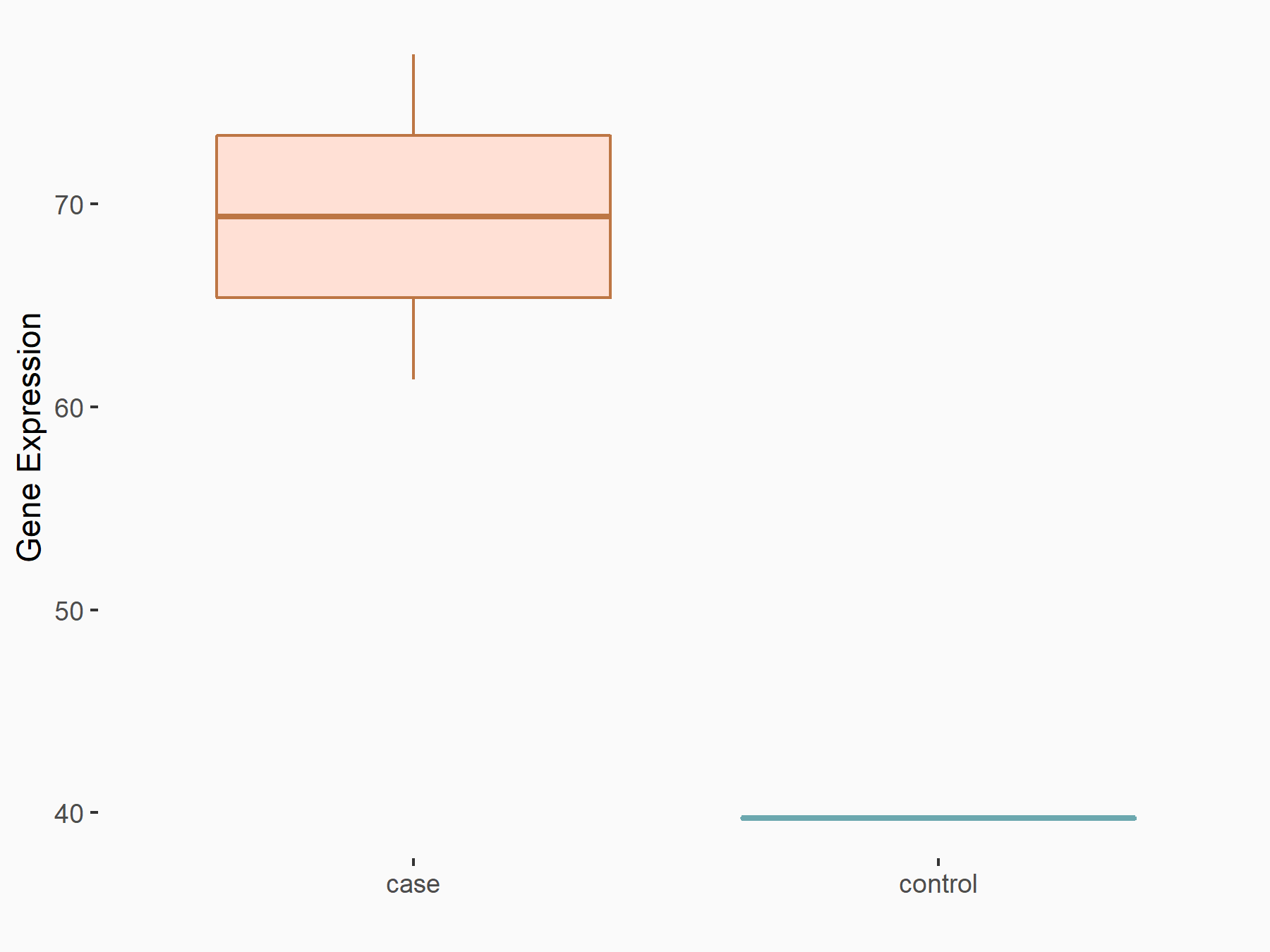 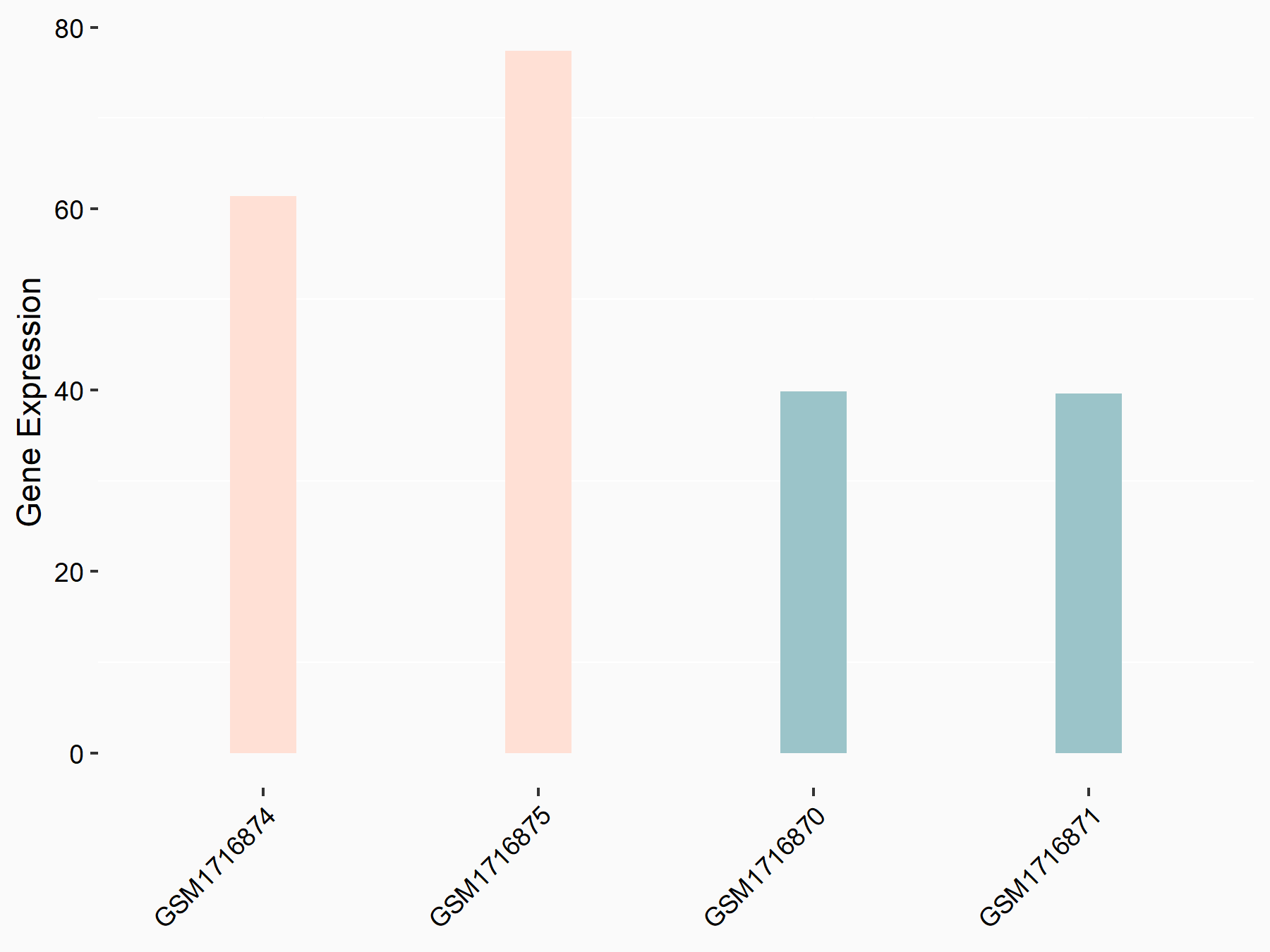 |
logFC: 7.79E-01 p-value: 2.27E-02 |
| More Results | Click to View More RNA-seq Results | |
Esophageal cancer [ICD-11: 2B70]
| In total 1 item(s) under this disease | ||||
| Experiment 1 Reporting the m6A-centered Disease Response of This Target Gene | [1] | |||
| Responsed Disease | Esophageal cancer [ICD-11: 2B70] | |||
| Target Regulation | Up regulation | |||
| Pathway Response | Metabolic pathways | hsa01100 | ||
| Cell Process | Fatty acid synthesis | |||
In-vitro Model |
TE-10 | Esophageal squamous cell carcinoma | Homo sapiens | CVCL_1760 |
| Eca-109 | Esophageal squamous cell carcinoma | Homo sapiens | CVCL_6898 | |
| Response Summary | The levels of m6A and its regulator HNRNPA2B1 were significantly increased in cancerous tissues of esophageal cancer(ESCA), and overexpression of HNRNPA2B1 promotes ESCA progression via up-regulation of de novo fatty acid synthetic enzymes ATP-citrate synthase (ACLY) and ACC1. | |||
E3 ubiquitin-protein ligase SIAH1 (SIAH1)
| Representative RNA-seq result indicating the expression of this target gene regulated by HNRNPA2B1 | ||
| Cell Line | c2c12 cell line | Mus musculus |
|
Treatment: HNRNPA2B1 knockout c2c12 cells
Control: WT c2c12 cells
|
GSE152467 | |
| Regulation |
  |
logFC: 1.19E+00 p-value: 5.63E-11 |
| More Results | Click to View More RNA-seq Results | |
Colorectal cancer [ICD-11: 2B91]
| In total 1 item(s) under this disease | ||||
| Experiment 1 Reporting the m6A-centered Disease Response of This Target Gene | [2] | |||
| Responsed Disease | Colorectal cancer [ICD-11: 2B91] | |||
| Target Regulation | Down regulation | |||
| Pathway Response | Proteasome | hsa03050 | ||
| Cell Process | Proteasomal degradation | |||
In-vitro Model |
DLD-1 | Colon adenocarcinoma | Homo sapiens | CVCL_0248 |
| HCT 15 | Colon adenocarcinoma | Homo sapiens | CVCL_0292 | |
| HCT 8 | Colon adenocarcinoma | Homo sapiens | CVCL_2478 | |
| RKO | Colon carcinoma | Homo sapiens | CVCL_0504 | |
| SW480 | Colon adenocarcinoma | Homo sapiens | CVCL_0546 | |
| In-vivo Model | HCT-15 RP11 stable overexpression or control cells (2 × 10⁶ per mouse) diluted in 100 uL normal medium + 100 uL Matrigel (BD Biosciences) were subcutaneously injected into immunodeficient mice to investigate tumour growth. | |||
| Response Summary | The RP11/hnRNPA2B1/mRNA complex accelerated the mRNA degradation of two E3 ligases, E3 ubiquitin-protein ligase SIAH1 (SIAH1) and Fbxo45, and subsequently prevented the proteasomal degradation of Zeb1. m6A can regulate the expression of RP11, further, RP11 regulated Siah1-Fbxo45/Zeb1 was involved in the development of Colorectal cancer. | |||
Ephrin type-B receptor 2 (ERK/EPHB2)
| Representative RNA-seq result indicating the expression of this target gene regulated by HNRNPA2B1 | ||
| Cell Line | MDA-MB-231 | Homo sapiens |
|
Treatment: HNRNPA2B1 knockdown MDA-MB-231 cells
Control: MDA-MB-231 cells
|
GSE70061 | |
| Regulation |
  |
logFC: 6.38E-01 p-value: 4.72E-02 |
| More Results | Click to View More RNA-seq Results | |
Colon cancer [ICD-11: 2B90]
| In total 1 item(s) under this disease | ||||
| Experiment 1 Reporting the m6A-centered Disease Response of This Target Gene | [3] | |||
| Responsed Disease | Colon cancer [ICD-11: 2B90] | |||
| Target Regulation | Up regulation | |||
| Pathway Response | MAPK signaling | hsa04010 | ||
| Apoptosis | hsa04210 | |||
| Cell Process | Arrest cell cycle at G0/G1 phase | |||
| Cell apoptosis | ||||
In-vitro Model |
HCT 116 | Colon carcinoma | Homo sapiens | CVCL_0291 |
| SW480 | Colon adenocarcinoma | Homo sapiens | CVCL_0546 | |
| In-vivo Model | Four-week-old male BALB/c nude mice (purchased from Lingchang company) were randomly divided into three groups, each group has five mice. Each of the mice was injected subcutaneously on the right lateral back with 1 × 10⁶ of each lentivirus infected SW480 cells in which hnRNPA2B1 was knocked out or negative control cells. Mice were killed at day 29, and tumors were then isolated, photographed. | |||
| Response Summary | hnRNPA2B1 promotes colon cancer progression via the MAPK pathway. hnRNPA2B1 is an upstream regulator of the Ephrin type-B receptor 2 (ERK/EPHB2)/MAPK pathway and inhibition of MAPK signaling blocked the effects of hnRNPA2B1. | |||
Hepatitis A virus cellular receptor 2 (HAVCR2)
| Representative RNA-seq result indicating the expression of this target gene regulated by HNRNPA2B1 | ||
| Cell Line | Motor neurons | Mus musculus |
|
Treatment: hnRNPA2/B1 mutated spinal cord
Control: Mouse spinal cord
|
GSE86043 | |
| Regulation |
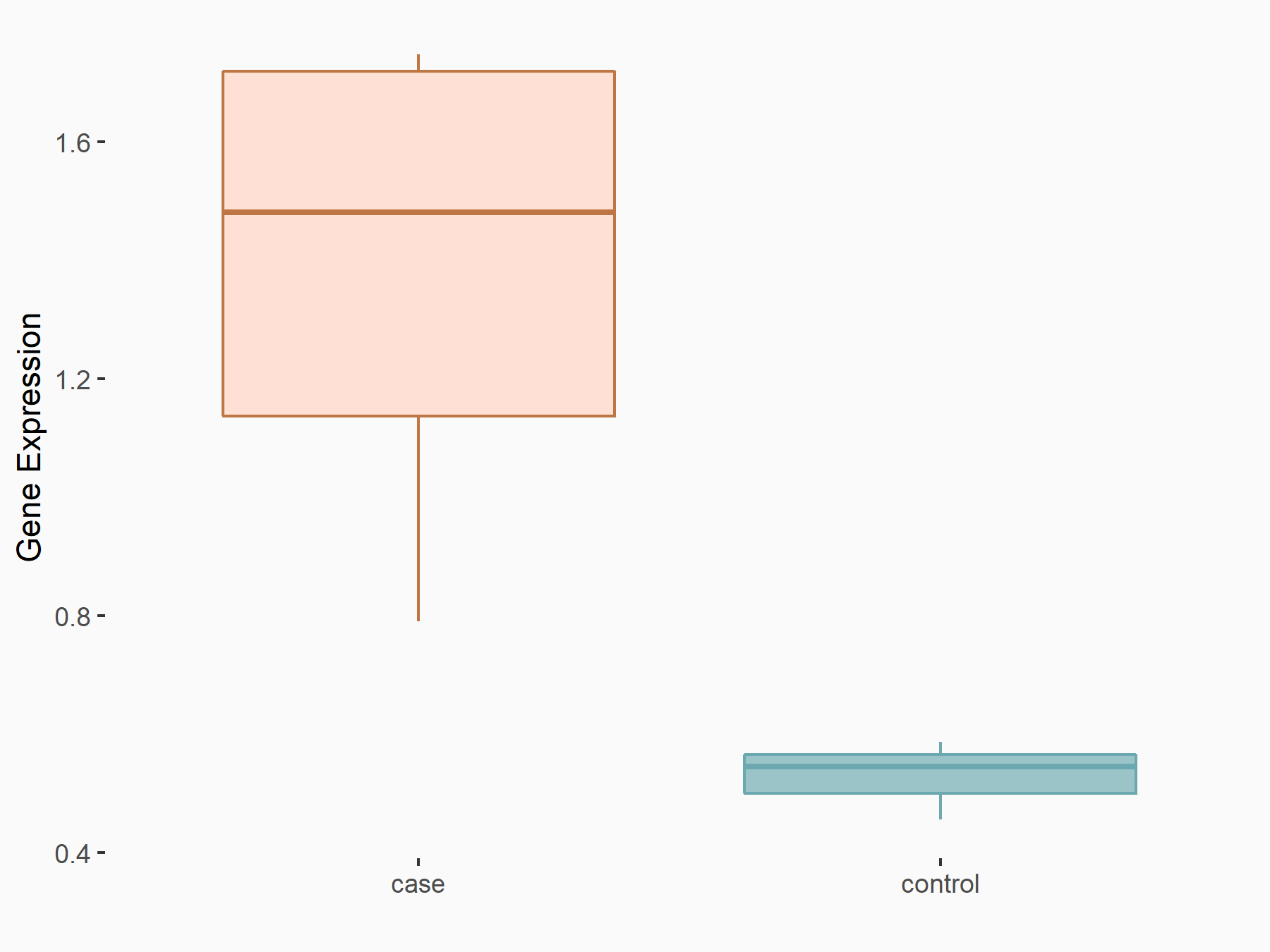 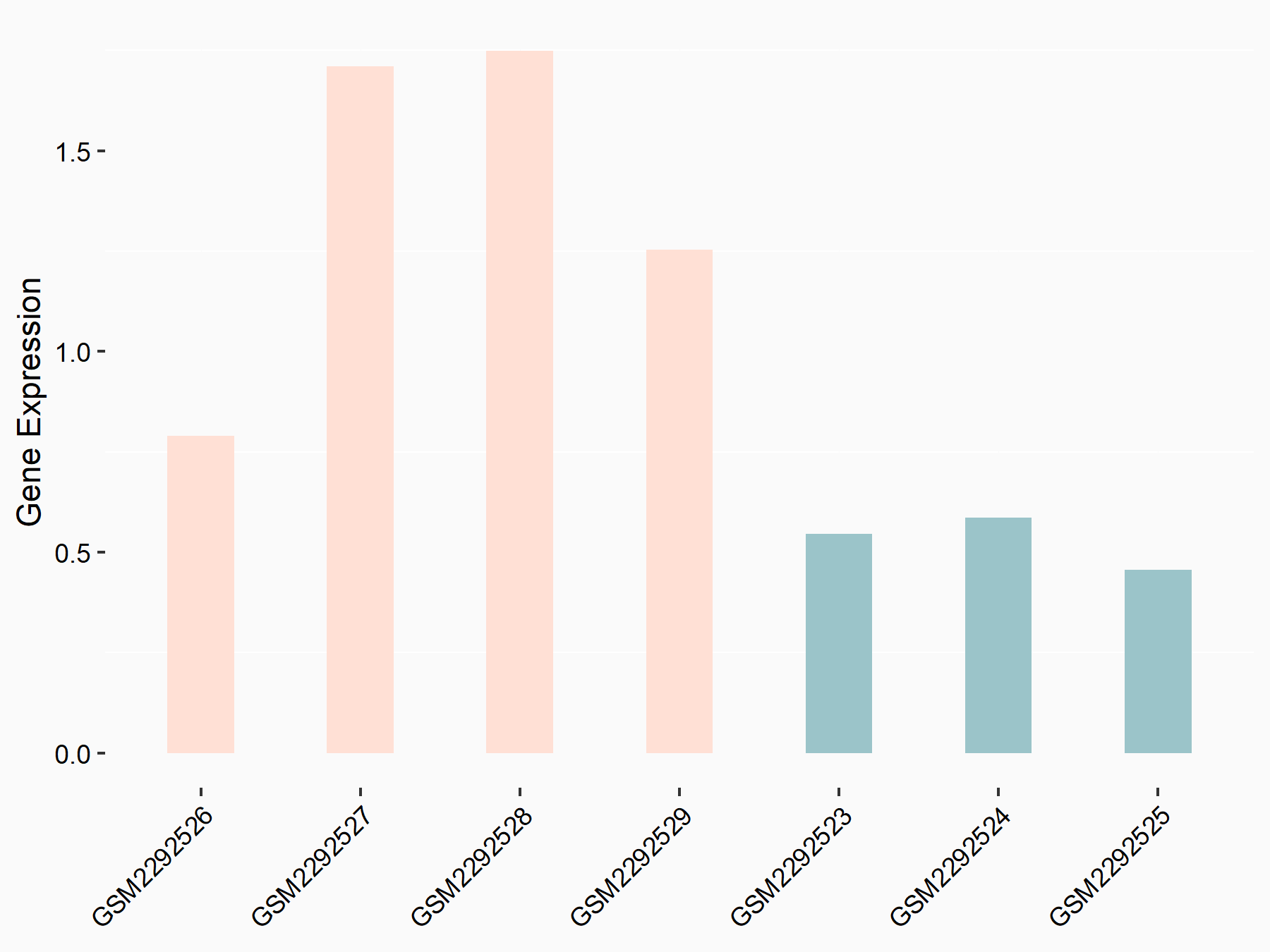 |
logFC: 6.16E-01 p-value: 1.29E-02 |
| More Results | Click to View More RNA-seq Results | |
Brain cancer [ICD-11: 2A00]
| In total 1 item(s) under this disease | ||||
| Experiment 1 Reporting the m6A-centered Disease Response of This Target Gene | [4] | |||
| Responsed Disease | Glioblastoma [ICD-11: 2A00.00] | |||
In-vitro Model |
U-87MG ATCC | Glioblastoma | Homo sapiens | CVCL_0022 |
| THP-1 | Childhood acute monocytic leukemia | Homo sapiens | CVCL_0006 | |
| Response Summary | HNRNPA2B1 and HNRNPC were extensively expressed in the Glioblastoma multiforme(GBM) microenvironment.m6A regulators promoted the stemness state in GBM cancer cells. Cell communication analysis identified genes in the GALECTIN signaling network in GBM samples, and expression of these genes (LGALS9, CD44, CD45, and Hepatitis A virus cellular receptor 2 (HAVCR2)) correlated with that of m6A regulators. | |||
RAC-gamma serine/threonine-protein kinase (AKT3)
| Representative RNA-seq result indicating the expression of this target gene regulated by HNRNPA2B1 | ||
| Cell Line | c2c12 cell line | Mus musculus |
|
Treatment: HNRNPA2B1 knockout c2c12 cells
Control: WT c2c12 cells
|
GSE152467 | |
| Regulation |
  |
logFC: -6.81E-01 p-value: 1.74E-03 |
| More Results | Click to View More RNA-seq Results | |
Multiple myeloma [ICD-11: 2A83]
| In total 1 item(s) under this disease | ||||
| Experiment 1 Reporting the m6A-centered Disease Response of This Target Gene | [5] | |||
| Responsed Disease | Multiple myeloma [ICD-11: 2A83.1] | |||
| Target Regulation | Up regulation | |||
| Pathway Response | Apoptosis | hsa04210 | ||
| Cell Process | Cell proliferation | |||
| Cell apoptosis | ||||
In-vitro Model |
NCI-H929 | Plasma cell myeloma | Homo sapiens | CVCL_1600 |
| Response Summary | m6A-dependent effect of HNRNPA2B1 on regulating AKT signaling pathway and the correlation between HNRNPA2B1 and multiple myeloma cell growth. HNRNPA2B1 recognized the m6A sites of ILF3 and enhanced the stability of ILF3 mRNA transcripts, while RAC-gamma serine/threonine-protein kinase (AKT3) downregulation by siRNA abrogated the cellular proliferation induced by HNRNPA2B1 overexpression. | |||
Receptor-type tyrosine-protein phosphatase C (CD45)
| Representative RNA-seq result indicating the expression of this target gene regulated by HNRNPA2B1 | ||
| Cell Line | MDA-MB-231 | Homo sapiens |
|
Treatment: HNRNPA2B1 knockdown MDA-MB-231 cells
Control: MDA-MB-231 cells
|
GSE70061 | |
| Regulation |
  |
logFC: -6.37E-01 p-value: 1.03E-02 |
| More Results | Click to View More RNA-seq Results | |
Brain cancer [ICD-11: 2A00]
| In total 1 item(s) under this disease | ||||
| Experiment 1 Reporting the m6A-centered Disease Response of This Target Gene | [4] | |||
| Responsed Disease | Glioblastoma [ICD-11: 2A00.00] | |||
In-vitro Model |
U-87MG ATCC | Glioblastoma | Homo sapiens | CVCL_0022 |
| THP-1 | Childhood acute monocytic leukemia | Homo sapiens | CVCL_0006 | |
| Response Summary | HNRNPA2B1 and HNRNPC were extensively expressed in the Glioblastoma multiforme(GBM) microenvironment.m6A regulators promoted the stemness state in GBM cancer cells. Cell communication analysis identified genes in the GALECTIN signaling network in GBM samples, and expression of these genes (LGALS9, CD44, Receptor-type tyrosine-protein phosphatase C (CD45), and HAVCR2) correlated with that of m6A regulators. | |||
Secreted frizzled-related protein 2 (SFRP2)
| Representative RNA-seq result indicating the expression of this target gene regulated by HNRNPA2B1 | ||
| Cell Line | c2c12 cell line | Mus musculus |
|
Treatment: HNRNPA2B1 knockout c2c12 cells
Control: WT c2c12 cells
|
GSE152467 | |
| Regulation |
  |
logFC: 9.22E+00 p-value: 5.06E-12 |
| More Results | Click to View More RNA-seq Results | |
Lung cancer [ICD-11: 2C25]
| In total 1 item(s) under this disease | ||||
| Experiment 1 Reporting the m6A-centered Disease Response of This Target Gene | [6] | |||
| Responsed Disease | Lung adenocarcinoma [ICD-11: 2C25.0] | |||
| Target Regulation | Down regulation | |||
| Pathway Response | Wnt signaling pathway | hsa04310 | ||
In-vitro Model |
NCI-H1975 | Lung adenocarcinoma | Homo sapiens | CVCL_1511 |
| A-549 | Lung adenocarcinoma | Homo sapiens | CVCL_0023 | |
| HEK293T | Normal | Homo sapiens | CVCL_0063 | |
| In-vivo Model | A549 cells were transfected with lentivirus-packaged sh-HNRNPA2B1 (lv-sh-HNRNPA2B1) or control (lv-shCtrl). Then, each mouse was injected subcutaneously with A549 cells of indicated transfection group to generate xenografts. The tumor volume ((width2 × length)/2) was evaluated 4 days a time until 28 days. | |||
| Response Summary | HNRNPA2B1 inhibits Secreted frizzled-related protein 2 (SFRP2) and activates Wnt-Beta/catenin via m6A-mediated maturing of miR-106b-5p to aggravate stemness and LUAD progression. | |||
Transcription factor 7-like 2 (TCF7L2)
| Representative RNA-seq result indicating the expression of this target gene regulated by HNRNPA2B1 | ||
| Cell Line | HeLa cell line | Homo sapiens |
|
Treatment: HNRNPA2B1 knockdown HeLa cells
Control: HeLa cells
|
GSE70061 | |
| Regulation |
  |
logFC: 2.87E+00 p-value: 4.26E-02 |
| More Results | Click to View More RNA-seq Results | |
Colorectal cancer [ICD-11: 2B91]
| In total 1 item(s) under this disease | ||||
| Experiment 1 Reporting the m6A-centered Disease Response of This Target Gene | [7] | |||
| Responsed Disease | Colorectal cancer [ICD-11: 2B91] | |||
| Responsed Drug | Cetuximab | Approved | ||
| Target Regulation | Up regulation | |||
| Pathway Response | Wnt signaling pathway | hsa04310 | ||
| Cell Process | Epithelial-mesenchymal transition | |||
In-vitro Model |
VACO 9P | Rectal adenocarcinoma | Homo sapiens | CVCL_5413 |
| T84 | Colon adenocarcinoma | Homo sapiens | CVCL_0555 | |
| SW948 | Colon adenocarcinoma | Homo sapiens | CVCL_0632 | |
| SW837 | Rectal adenocarcinoma | Homo sapiens | CVCL_1729 | |
| SW620 | Colon adenocarcinoma | Homo sapiens | CVCL_0547 | |
| SW480 | Colon adenocarcinoma | Homo sapiens | CVCL_0546 | |
| SW48 | Colon adenocarcinoma | Homo sapiens | CVCL_1724 | |
| SW403 | Colon adenocarcinoma | Homo sapiens | CVCL_0545 | |
| SW1116 | Colon adenocarcinoma | Homo sapiens | CVCL_0544 | |
| SK-CO-1 | Colon adenocarcinoma | Homo sapiens | CVCL_0626 | |
| RKO | Colon carcinoma | Homo sapiens | CVCL_0504 | |
| NCI-H716 | Cecum adenocarcinoma | Homo sapiens | CVCL_1581 | |
| NCI-H508 | Cecum adenocarcinoma | Homo sapiens | CVCL_1564 | |
| LS174T | Colon adenocarcinoma | Homo sapiens | CVCL_1384 | |
| LS123 | Colon adenocarcinoma | Homo sapiens | CVCL_1383 | |
| LoVo | Colon adenocarcinoma | Homo sapiens | CVCL_0399 | |
| LIM2405 | Cecum adenocarcinoma | Homo sapiens | CVCL_4437 | |
| LIM1215 | Colon adenocarcinoma | Homo sapiens | CVCL_2574 | |
| HuTu 80 | Duodenal adenocarcinoma | Homo sapiens | CVCL_1301 | |
| HT29 | Colon cancer | Mus musculus | CVCL_A8EZ | |
| HCT 8 | Colon adenocarcinoma | Homo sapiens | CVCL_2478 | |
| HCT 15 | Colon adenocarcinoma | Homo sapiens | CVCL_0292 | |
| HCT 116 | Colon carcinoma | Homo sapiens | CVCL_0291 | |
| GEO | Colon carcinoma | Homo sapiens | CVCL_0271 | |
| DLD-1 | Colon adenocarcinoma | Homo sapiens | CVCL_0248 | |
| DiFi | Colorectal carcinoma | Homo sapiens | CVCL_6895 | |
| COLO 320DM | Colon adenocarcinoma | Homo sapiens | CVCL_0219 | |
| COLO 205 | Colon adenocarcinoma | Homo sapiens | CVCL_0218 | |
| Caco-2 | Colon adenocarcinoma | Homo sapiens | CVCL_0025 | |
| In-vivo Model | Established subcutaneous xenografts in athymic nude mice with MIR100HGKOE4 CC-CR cells transduced with a luciferase-expressing lentiviral vector and then treated the mice with cetuximab. | |||
| Response Summary | MIR100HG and hnRNPA2B1 interact to control the transcriptional activity of Wnt signaling in CRC via regulation of Transcription factor 7-like 2 (TCF7L2) mRNA stability. These findings identified MIR100HG as a potent EMT inducer in CRC that contribute to cetuximab resistance and metastasis by activation of a MIR100HG/hnRNPA2B1/TCF7L2 feedback loop. | |||
Zinc finger E-box-binding homeobox 1 (ZEB1)
| Representative RNA-seq result indicating the expression of this target gene regulated by HNRNPA2B1 | ||
| Cell Line | c2c12 cell line | Mus musculus |
|
Treatment: HNRNPA2B1 knockout c2c12 cells
Control: WT c2c12 cells
|
GSE152467 | |
| Regulation |
  |
logFC: -7.64E-01 p-value: 1.43E-05 |
| More Results | Click to View More RNA-seq Results | |
Colorectal cancer [ICD-11: 2B91]
| In total 1 item(s) under this disease | ||||
| Experiment 1 Reporting the m6A-centered Disease Response of This Target Gene | [2] | |||
| Responsed Disease | Colorectal cancer [ICD-11: 2B91] | |||
| Target Regulation | Up regulation | |||
| Pathway Response | Proteasome | hsa03050 | ||
| Cell Process | Proteasomal degradation | |||
In-vitro Model |
DLD-1 | Colon adenocarcinoma | Homo sapiens | CVCL_0248 |
| HCT 15 | Colon adenocarcinoma | Homo sapiens | CVCL_0292 | |
| HCT 8 | Colon adenocarcinoma | Homo sapiens | CVCL_2478 | |
| RKO | Colon carcinoma | Homo sapiens | CVCL_0504 | |
| SW480 | Colon adenocarcinoma | Homo sapiens | CVCL_0546 | |
| In-vivo Model | HCT-15 RP11 stable overexpression or control cells (2 × 10⁶ per mouse) diluted in 100 uL normal medium + 100 uL Matrigel (BD Biosciences) were subcutaneously injected into immunodeficient mice to investigate tumour growth. | |||
| Response Summary | The RP11/hnRNPA2B1/mRNA complex accelerated the mRNA degradation of two E3 ligases, Siah1 and Fbxo45, and subsequently prevented the proteasomal degradation of Zinc finger E-box-binding homeobox 1 (ZEB1). m6A can regulate the expression of RP11, further, RP11 regulated Siah1-Fbxo45/Zeb1 was involved in the development of Colorectal cancer. | |||
Acetyl-CoA carboxylase 1 (ACC1/ACACA)
Esophageal cancer [ICD-11: 2B70]
| In total 1 item(s) under this disease | ||||
| Experiment 1 Reporting the m6A-centered Disease Response of This Target Gene | [1] | |||
| Responsed Disease | Esophageal cancer [ICD-11: 2B70] | |||
| Target Regulation | Up regulation | |||
| Pathway Response | Metabolic pathways | hsa01100 | ||
| Cell Process | Fatty acid synthesis | |||
In-vitro Model |
TE-10 | Esophageal squamous cell carcinoma | Homo sapiens | CVCL_1760 |
| Eca-109 | Esophageal squamous cell carcinoma | Homo sapiens | CVCL_6898 | |
| Response Summary | The levels of m6A and its regulator HNRNPA2B1 were significantly increased in cancerous tissues of esophageal cancer(ESCA), and overexpression of HNRNPA2B1 promotes ESCA progression via up-regulation of de novo fatty acid synthetic enzymes ACLY and Acetyl-CoA carboxylase 1 (ACC1/ACACA). | |||
CD44 antigen (CD44)
Brain cancer [ICD-11: 2A00]
| In total 1 item(s) under this disease | ||||
| Experiment 1 Reporting the m6A-centered Disease Response of This Target Gene | [4] | |||
| Responsed Disease | Glioblastoma [ICD-11: 2A00.00] | |||
In-vitro Model |
U-87MG ATCC | Glioblastoma | Homo sapiens | CVCL_0022 |
| THP-1 | Childhood acute monocytic leukemia | Homo sapiens | CVCL_0006 | |
| Response Summary | HNRNPA2B1 and HNRNPC were extensively expressed in the Glioblastoma multiforme(GBM) microenvironment.m6A regulators promoted the stemness state in GBM cancer cells. Cell communication analysis identified genes in the GALECTIN signaling network in GBM samples, and expression of these genes (LGALS9, CD44 antigen (CD44), CD45, and HAVCR2) correlated with that of m6A regulators. | |||
F-box/SPRY domain-containing protein 1 (FBXO45)
Colorectal cancer [ICD-11: 2B91]
| In total 1 item(s) under this disease | ||||
| Experiment 1 Reporting the m6A-centered Disease Response of This Target Gene | [2] | |||
| Responsed Disease | Colorectal cancer [ICD-11: 2B91] | |||
| Target Regulation | Down regulation | |||
| Pathway Response | Proteasome | hsa03050 | ||
| Cell Process | Proteasomal degradation | |||
In-vitro Model |
DLD-1 | Colon adenocarcinoma | Homo sapiens | CVCL_0248 |
| HCT 15 | Colon adenocarcinoma | Homo sapiens | CVCL_0292 | |
| HCT 8 | Colon adenocarcinoma | Homo sapiens | CVCL_2478 | |
| RKO | Colon carcinoma | Homo sapiens | CVCL_0504 | |
| SW480 | Colon adenocarcinoma | Homo sapiens | CVCL_0546 | |
| In-vivo Model | HCT-15 RP11 stable overexpression or control cells (2 × 10⁶ per mouse) diluted in 100 uL normal medium + 100 uL Matrigel (BD Biosciences) were subcutaneously injected into immunodeficient mice to investigate tumour growth. | |||
| Response Summary | The RP11/hnRNPA2B1/mRNA complex accelerated the mRNA degradation of two E3 ligases, Siah1 and F-box/SPRY domain-containing protein 1 (FBXO45), and subsequently prevented the proteasomal degradation of Zeb1. m6A can regulate the expression of RP11, further, RP11 regulated Siah1-Fbxo45/Zeb1 was involved in the development of Colorectal cancer. | |||
Forkhead box protein M1 (FOXM1)
Endometrial cancer [ICD-11: 2C76]
| In total 1 item(s) under this disease | ||||
| Experiment 1 Reporting the m6A-centered Disease Response of This Target Gene | [8] | |||
| Responsed Disease | Endometrial cancer [ICD-11: 2C76] | |||
| Responsed Drug | Cisplatin | Approved | ||
| Target Regulation | Up regulation | |||
In-vitro Model |
HEC-1-A | Endometrial adenocarcinoma | Homo sapiens | CVCL_0293 |
| ECC-1 | Endometrial Cancer | Homo sapiens | CVCL_7260 | |
| HEC-1-B | Endometrial adenocarcinoma | Homo sapiens | CVCL_0294 | |
Galectin-9 (LGALS9)
Brain cancer [ICD-11: 2A00]
| In total 1 item(s) under this disease | ||||
| Experiment 1 Reporting the m6A-centered Disease Response of This Target Gene | [4] | |||
| Responsed Disease | Glioblastoma [ICD-11: 2A00.00] | |||
In-vitro Model |
U-87MG ATCC | Glioblastoma | Homo sapiens | CVCL_0022 |
| THP-1 | Childhood acute monocytic leukemia | Homo sapiens | CVCL_0006 | |
| Response Summary | HNRNPA2B1 and HNRNPC were extensively expressed in the Glioblastoma multiforme(GBM) microenvironment.m6A regulators promoted the stemness state in GBM cancer cells. Cell communication analysis identified genes in the GALECTIN signaling network in GBM samples, and expression of these genes (Galectin-9 (LGALS9), CD44, CD45, and HAVCR2) correlated with that of m6A regulators. | |||
GTPase KRas (KRAS)
Pancreatic cancer [ICD-11: 2C10]
| In total 1 item(s) under this disease | ||||
| Experiment 1 Reporting the m6A-centered Disease Response of This Target Gene | [9] | |||
| Responsed Disease | Pancreatic ductal adenocarcinoma [ICD-11: 2C10.0] | |||
| Target Regulation | Up regulation | |||
| Pathway Response | Ras signaling pathway | hsa04014 | ||
In-vitro Model |
HPDE6c7 | Normal | Homo sapiens | CVCL_0P38 |
| HEK293T | Normal | Homo sapiens | CVCL_0063 | |
| HPAF-II | Pancreatic ductal adenocarcinoma | Homo sapiens | CVCL_0313 | |
| MPanc-96 | Pancreatic ductal adenocarcinoma | Homo sapiens | CVCL_7165 | |
| PANC-1 | Pancreatic ductal adenocarcinoma | Homo sapiens | CVCL_0480 | |
| PaTu 8902 | Pancreatic adenocarcinoma | Homo sapiens | CVCL_1845 | |
| PaTu 8988s | Pancreatic adenocarcinoma | Homo sapiens | CVCL_1846 | |
| SW1990 | Pancreatic adenocarcinoma | Homo sapiens | CVCL_1723 | |
| In-vivo Model | HPAF-II cells (2.0 × 10⁶ cells/site) stably transfected with sh-EGFP or sh-UCA1 were subcutaneously injected into 4-week-old nude mice to generate xenografts. The tumor volume was measured every week after injection and calculated using the following formula: length × (width2)/2. | |||
| Response Summary | UCA1 increases GTPase KRas (KRAS) phosphorylation by interacting with hnRNPA2B1 and that UCA1 functions as a molecular sponge for miR-590-3p to promote KRAS expression. the UCA1-KRAS axis plays a crucial role in pancreatic ductal adenocarcinoma progression and that UCA1 serves as a target for new PDAC therapies. | |||
Interleukin enhancer-binding factor 3 (ILF3)
Multiple myeloma [ICD-11: 2A83]
| In total 1 item(s) under this disease | ||||
| Experiment 1 Reporting the m6A-centered Disease Response of This Target Gene | [5] | |||
| Responsed Disease | Multiple myeloma [ICD-11: 2A83.1] | |||
| Target Regulation | Up regulation | |||
| Cell Process | Cell proliferation | |||
| Cell apoptosis | ||||
In-vitro Model |
NCI-H929 | Plasma cell myeloma | Homo sapiens | CVCL_1600 |
| Response Summary | m6A-dependent effect of HNRNPA2B1 on regulating AKT signaling pathway and the correlation between HNRNPA2B1 and multiple myeloma cell growth. HNRNPA2B1 recognized the m6A sites of Interleukin enhancer-binding factor 3 (ILF3) and enhanced the stability of ILF3 mRNA transcripts, while AKT3 downregulation by siRNA abrogated the cellular proliferation induced by HNRNPA2B1 overexpression. | |||
Mitogen-activated protein kinase 1 (MAPK/ERK2/MAPK1)
Colon cancer [ICD-11: 2B90]
| In total 1 item(s) under this disease | ||||
| Experiment 1 Reporting the m6A-centered Disease Response of This Target Gene | [3] | |||
| Responsed Disease | Colon cancer [ICD-11: 2B90] | |||
| Target Regulation | Up regulation | |||
| Pathway Response | MAPK signaling | hsa04010 | ||
| Cell Process | Arrest cell cycle at G0/G1 phase | |||
| Cell apoptosis | ||||
In-vitro Model |
HCT 116 | Colon carcinoma | Homo sapiens | CVCL_0291 |
| SW480 | Colon adenocarcinoma | Homo sapiens | CVCL_0546 | |
| In-vivo Model | Four-week-old male BALB/c nude mice (purchased from Lingchang company) were randomly divided into three groups, each group has five mice. Each of the mice was injected subcutaneously on the right lateral back with 1 × 10⁶ of each lentivirus infected SW480 cells in which hnRNPA2B1 was knocked out or negative control cells. Mice were killed at day 29, and tumors were then isolated, photographed. | |||
| Response Summary | hnRNPA2B1 promotes colon cancer progression via the MAPK pathway. hnRNPA2B1 is an upstream regulator of the ERK/Mitogen-activated protein kinase 1 (MAPK/ERK2/MAPK1) pathway and inhibition of MAPK signaling blocked the effects of hnRNPA2B1. | |||
Breast cancer [ICD-11: 2C60]
| In total 2 item(s) under this disease | ||||
| Experiment 1 Reporting the m6A-centered Disease Response of This Target Gene | [10] | |||
| Responsed Disease | Breast cancer [ICD-11: 2C60] | |||
| Responsed Drug | Fulvestrant | Approved | ||
| Target Regulation | Up regulation | |||
| Pathway Response | MAPK signaling pathway | hsa04010 | ||
| PI3K-Akt signaling pathway | hsa04151 | |||
| Cell Process | Cell migration and invasion | |||
In-vitro Model |
HCC1806 | Breast squamous cell carcinoma | Homo sapiens | CVCL_1258 |
| MCF-7 | Invasive breast carcinoma | Homo sapiens | CVCL_0031 | |
| MDA-MB-231 | Breast adenocarcinoma | Homo sapiens | CVCL_0062 | |
| MDA-MB-468 | Breast adenocarcinoma | Homo sapiens | CVCL_0419 | |
| T-47D | Invasive breast carcinoma | Homo sapiens | CVCL_0553 | |
| Response Summary | In breast cancer, modest stable overexpression of A2B1 in MCF-7 cells (MCF-7-A2B1 cells) resulted in tamoxifen and fulvestrant- resistance whereas knockdown of A2B1 in LCC9 and LY2 cells restored tamoxifen and fulvestrant, endocrine-sensitivity. MCF-7-A2B1 cells have increased ER-alpha and reduced miR-222-3p that targets ER-alpha. MCF-7-A2B1 have activated AKT and Mitogen-activated protein kinase 1 (MAPK/ERK2/MAPK1) that depend on A2B1 expression and are growth inhibited by inhibitors of these pathways. | |||
| Experiment 2 Reporting the m6A-centered Disease Response of This Target Gene | [10] | |||
| Responsed Disease | Breast cancer [ICD-11: 2C60] | |||
| Responsed Drug | Tamoxifen | Approved | ||
| Target Regulation | Up regulation | |||
| Pathway Response | MAPK signaling pathway | hsa04010 | ||
| PI3K-Akt signaling pathway | hsa04151 | |||
| Cell Process | Cell migration and invasion | |||
In-vitro Model |
HCC1806 | Breast squamous cell carcinoma | Homo sapiens | CVCL_1258 |
| MCF-7 | Invasive breast carcinoma | Homo sapiens | CVCL_0031 | |
| MDA-MB-231 | Breast adenocarcinoma | Homo sapiens | CVCL_0062 | |
| MDA-MB-468 | Breast adenocarcinoma | Homo sapiens | CVCL_0419 | |
| T-47D | Invasive breast carcinoma | Homo sapiens | CVCL_0553 | |
| Response Summary | In breast cancer, modest stable overexpression of A2B1 in MCF-7 cells (MCF-7-A2B1 cells) resulted in tamoxifen and fulvestrant - resistance whereas knockdown of A2B1 in LCC9 and LY2 cells restored tamoxifen and fulvestrant, endocrine-sensitivity. MCF-7-A2B1 cells have increased ER-alpha and reduced miR-222-3p that targets ER-alpha. MCF-7-A2B1 have activated AKT and Mitogen-activated protein kinase 1 (MAPK/ERK2/MAPK1) that depend on A2B1 expression and are growth inhibited by inhibitors of these pathways. | |||
Mothers against decapentaplegic homolog 2 (SMAD2)
Head and neck squamous carcinoma [ICD-11: 2B6E]
| In total 1 item(s) under this disease | ||||
| Experiment 1 Reporting the m6A-centered Disease Response of This Target Gene | [11] | |||
| Responsed Disease | Oral squamous cell carcinoma [ICD-11: 2B6E.0] | |||
| Target Regulation | Up regulation | |||
| Pathway Response | TGF-beta signaling pathway | hsa04350 | ||
In-vitro Model |
SCC-4 | Tongue squamous cell carcinoma | Homo sapiens | CVCL_1684 |
| CAL-27 | Tongue squamous cell carcinoma | Homo sapiens | CVCL_1107 | |
| Response Summary | HNRNPA2B1, as an m6A reader, is critical in OSCC development. Its expression is significantly associated with the prognosis of Oral Squamous Cell Carcinoma(OSCC). m6A acts as a proto-oncogene that promotes the OSCC proliferation, migration, and invasion through the EMT progression via the LINE-1/TGF-beta1/Snail/Mothers against decapentaplegic homolog 2 (SMAD2) signaling pathway. | |||
RAC-alpha serine/threonine-protein kinase (AKT1)
Breast cancer [ICD-11: 2C60]
| In total 2 item(s) under this disease | ||||
| Experiment 1 Reporting the m6A-centered Disease Response of This Target Gene | [10] | |||
| Responsed Disease | Breast cancer [ICD-11: 2C60] | |||
| Responsed Drug | Fulvestrant | Approved | ||
| Target Regulation | Up regulation | |||
| Pathway Response | MAPK signaling pathway | hsa04010 | ||
| PI3K-Akt signaling pathway | hsa04151 | |||
| Cell Process | Cell migration and invasion | |||
In-vitro Model |
HCC1806 | Breast squamous cell carcinoma | Homo sapiens | CVCL_1258 |
| MCF-7 | Invasive breast carcinoma | Homo sapiens | CVCL_0031 | |
| MDA-MB-231 | Breast adenocarcinoma | Homo sapiens | CVCL_0062 | |
| MDA-MB-468 | Breast adenocarcinoma | Homo sapiens | CVCL_0419 | |
| T-47D | Invasive breast carcinoma | Homo sapiens | CVCL_0553 | |
| Response Summary | In breast cancer, modest stable overexpression of A2B1 in MCF-7 cells (MCF-7-A2B1 cells) resulted in tamoxifen and fulvestrant- resistance whereas knockdown of A2B1 in LCC9 and LY2 cells restored tamoxifen and fulvestrant, endocrine-sensitivity. MCF-7-A2B1 cells have increased ER-alpha and reduced miR-222-3p that targets ER-alpha. MCF-7-A2B1 have activated RAC-alpha serine/threonine-protein kinase (AKT1) and MAPK that depend on A2B1 expression and are growth inhibited by inhibitors of these pathways. | |||
| Experiment 2 Reporting the m6A-centered Disease Response of This Target Gene | [10] | |||
| Responsed Disease | Breast cancer [ICD-11: 2C60] | |||
| Responsed Drug | Tamoxifen | Approved | ||
| Target Regulation | Up regulation | |||
| Pathway Response | MAPK signaling pathway | hsa04010 | ||
| PI3K-Akt signaling pathway | hsa04151 | |||
| Cell Process | Cell migration and invasion | |||
In-vitro Model |
HCC1806 | Breast squamous cell carcinoma | Homo sapiens | CVCL_1258 |
| MCF-7 | Invasive breast carcinoma | Homo sapiens | CVCL_0031 | |
| MDA-MB-231 | Breast adenocarcinoma | Homo sapiens | CVCL_0062 | |
| MDA-MB-468 | Breast adenocarcinoma | Homo sapiens | CVCL_0419 | |
| T-47D | Invasive breast carcinoma | Homo sapiens | CVCL_0553 | |
| Response Summary | In breast cancer, modest stable overexpression of A2B1 in MCF-7 cells (MCF-7-A2B1 cells) resulted in tamoxifen and fulvestrant - resistance whereas knockdown of A2B1 in LCC9 and LY2 cells restored tamoxifen and fulvestrant, endocrine-sensitivity. MCF-7-A2B1 cells have increased ER-alpha and reduced miR-222-3p that targets ER-alpha. MCF-7-A2B1 have activated RAC-alpha serine/threonine-protein kinase (AKT1) and MAPK that depend on A2B1 expression and are growth inhibited by inhibitors of these pathways. | |||
Ribonuclease 3 (DROSHA)
Breast cancer [ICD-11: 2C60]
| In total 2 item(s) under this disease | ||||
| Experiment 1 Reporting the m6A-centered Disease Response of This Target Gene | [12] | |||
| Responsed Disease | Breast cancer [ICD-11: 2C60] | |||
| Responsed Drug | Fulvestrant | Approved | ||
| Target Regulation | Up regulation | |||
| Pathway Response | TGF-beta signaling pathway | hsa04350 | ||
| Cell Process | Endocrine-resistance | |||
In-vitro Model |
MCF7/LCC9 | Invasive breast carcinoma | Homo sapiens | CVCL_DP52 |
| MCF-7 | Invasive breast carcinoma | Homo sapiens | CVCL_0031 | |
| Response Summary | HNRNPA2B1 is a reader of the N(6)-methyladenosine mark in primary-miRNAs and promotes Ribonuclease 3 (DROSHA) processing to precursor-miRNAs. HNRNPA2B1 downregulated miR-29a-3p, miR-29b-3p, and miR-222 and upregulated miR-1266-5p, miR-1268a, miR-671-3p. Transient overexpression of HNRNPA2/B1 reduced breast cancer cellMCF-7 sensitivity to 4-hydroxytamoxifen and fulvestrant, suggesting a role for HNRNPA2/B1 in endocrine-resistance. | |||
| Experiment 2 Reporting the m6A-centered Disease Response of This Target Gene | [12] | |||
| Responsed Disease | Breast cancer [ICD-11: 2C60] | |||
| Responsed Drug | Tamoxifen | Approved | ||
| Target Regulation | Up regulation | |||
| Pathway Response | TGF-beta signaling pathway | hsa04350 | ||
| Cell Process | Endocrine-resistance | |||
In-vitro Model |
MCF7/LCC9 | Invasive breast carcinoma | Homo sapiens | CVCL_DP52 |
| MCF-7 | Invasive breast carcinoma | Homo sapiens | CVCL_0031 | |
| Response Summary | HNRNPA2B1 is a reader of the N(6)-methyladenosine mark in primary-miRNAs and promotes Ribonuclease 3 (DROSHA) processing to precursor-miRNAs. HNRNPA2B1 downregulated miR-29a-3p, miR-29b-3p, and miR-222 and upregulated miR-1266-5p, miR-1268a, miR-671-3p. Transient overexpression of HNRNPA2/B1 reduced breast cancer cellMCF-7 sensitivity to 4-hydroxytamoxifen and fulvestrant, suggesting a role for HNRNPA2/B1 in endocrine-resistance. | |||
Transforming growth factor beta-1 proprotein (TGFB1)
Head and neck squamous carcinoma [ICD-11: 2B6E]
| In total 1 item(s) under this disease | ||||
| Experiment 1 Reporting the m6A-centered Disease Response of This Target Gene | [11] | |||
| Responsed Disease | Oral squamous cell carcinoma [ICD-11: 2B6E.0] | |||
| Target Regulation | Up regulation | |||
| Pathway Response | TGF-beta signaling pathway | hsa04350 | ||
In-vitro Model |
SCC-4 | Tongue squamous cell carcinoma | Homo sapiens | CVCL_1684 |
| CAL-27 | Tongue squamous cell carcinoma | Homo sapiens | CVCL_1107 | |
| Response Summary | HNRNPA2B1, as an m6A reader, is critical in OSCC development. Its expression is significantly associated with the prognosis of Oral Squamous Cell Carcinoma(OSCC). m6A acts as a proto-oncogene that promotes the OSCC proliferation, migration, and invasion through the EMT progression via the LINE-1/Transforming growth factor beta-1 proprotein (TGFB1)/Snail/Smad2 signaling pathway. | |||
U4/U6 small nuclear ribonucleoprotein Prp31 (PRPF31/RP11)
Colorectal cancer [ICD-11: 2B91]
| In total 1 item(s) under this disease | ||||
| Experiment 1 Reporting the m6A-centered Disease Response of This Target Gene | [2] | |||
| Responsed Disease | Colorectal cancer [ICD-11: 2B91] | |||
| Target Regulation | Up regulation | |||
| Pathway Response | Proteasome | hsa03050 | ||
| Cell Process | Proteasomal degradation | |||
In-vitro Model |
DLD-1 | Colon adenocarcinoma | Homo sapiens | CVCL_0248 |
| HCT 15 | Colon adenocarcinoma | Homo sapiens | CVCL_0292 | |
| HCT 8 | Colon adenocarcinoma | Homo sapiens | CVCL_2478 | |
| RKO | Colon carcinoma | Homo sapiens | CVCL_0504 | |
| SW480 | Colon adenocarcinoma | Homo sapiens | CVCL_0546 | |
| In-vivo Model | HCT-15 RP11 stable overexpression or control cells (2 × 10⁶ per mouse) diluted in 100 uL normal medium + 100 uL Matrigel (BD Biosciences) were subcutaneously injected into immunodeficient mice to investigate tumour growth. | |||
| Response Summary | The U4/U6 small nuclear ribonucleoprotein Prp31 (PRPF31/RP11)/hnRNPA2B1/mRNA complex accelerated the mRNA degradation of two E3 ligases, Siah1 and Fbxo45, and subsequently prevented the proteasomal degradation of Zeb1. m6A can regulate the expression of RP11, further, RP11 regulated Siah1-Fbxo45/Zeb1 was involved in the development of Colorectal cancer. | |||
Zinc finger protein SNAI1 (SNAI1)
Head and neck squamous carcinoma [ICD-11: 2B6E]
| In total 1 item(s) under this disease | ||||
| Experiment 1 Reporting the m6A-centered Disease Response of This Target Gene | [11] | |||
| Responsed Disease | Oral squamous cell carcinoma [ICD-11: 2B6E.0] | |||
| Target Regulation | Up regulation | |||
| Pathway Response | TGF-beta signaling pathway | hsa04350 | ||
In-vitro Model |
SCC-4 | Tongue squamous cell carcinoma | Homo sapiens | CVCL_1684 |
| CAL-27 | Tongue squamous cell carcinoma | Homo sapiens | CVCL_1107 | |
| Response Summary | HNRNPA2B1, as an m6A reader, is critical in OSCC development. Its expression is significantly associated with the prognosis of Oral Squamous Cell Carcinoma(OSCC). m6A acts as a proto-oncogene that promotes the OSCC proliferation, migration, and invasion through the EMT progression via the LINE-1/TGF-beta1/Zinc finger protein SNAI1 (SNAI1)/Smad2 signaling pathway. | |||
Maternally expressed 3 (MEG3)
Lung cancer [ICD-11: 2C25]
| In total 1 item(s) under this disease | ||||
| Experiment 1 Reporting the m6A-centered Disease Response of This Target Gene | [13] | |||
| Responsed Disease | Non-small cell lung cancer [ICD-11: 2C25.Y] | |||
| Target Regulation | Up regulation | |||
In-vitro Model |
PLA-801D | Lung giant cell carcinoma | Homo sapiens | CVCL_7110 |
| In-vivo Model | Male nude mice (6 weeks old) were purchased from the Shanghai Laboratory Animal Central (Shanghai, China). 95D cells (1 × 10⁷) transfected with sh-HNRNPA2B1 or sh-NC lentiviruses were injected subcutaneously into the right flanks of mice. After 8 weeks, the mice were sacrificed, and the xenografted tumors were collected for hematoxylin-eosin (HE) staining and IHC analysis. | |||
Urothelial cancer associated 1 (UCA1)
Pancreatic cancer [ICD-11: 2C10]
| In total 1 item(s) under this disease | ||||
| Experiment 1 Reporting the m6A-centered Disease Response of This Target Gene | [9] | |||
| Responsed Disease | Pancreatic ductal adenocarcinoma [ICD-11: 2C10.0] | |||
| Target Regulation | Up regulation | |||
| Pathway Response | Ras signaling pathway | hsa04014 | ||
In-vitro Model |
HPDE6c7 | Normal | Homo sapiens | CVCL_0P38 |
| HEK293T | Normal | Homo sapiens | CVCL_0063 | |
| HPAF-II | Pancreatic ductal adenocarcinoma | Homo sapiens | CVCL_0313 | |
| MPanc-96 | Pancreatic ductal adenocarcinoma | Homo sapiens | CVCL_7165 | |
| PANC-1 | Pancreatic ductal adenocarcinoma | Homo sapiens | CVCL_0480 | |
| PaTu 8902 | Pancreatic adenocarcinoma | Homo sapiens | CVCL_1845 | |
| PaTu 8988s | Pancreatic adenocarcinoma | Homo sapiens | CVCL_1846 | |
| SW1990 | Pancreatic adenocarcinoma | Homo sapiens | CVCL_1723 | |
| In-vivo Model | HPAF-II cells (2.0 × 10⁶ cells/site) stably transfected with sh-EGFP or sh-UCA1 were subcutaneously injected into 4-week-old nude mice to generate xenografts. The tumor volume was measured every week after injection and calculated using the following formula: length × (width2)/2. | |||
| Response Summary | Urothelial cancer associated 1 (UCA1) increases KRAS phosphorylation by interacting with hnRNPA2B1 and that UCA1 functions as a molecular sponge for miR-590-3p to promote KRAS expression. the UCA1-KRAS axis plays a crucial role in pancreatic ductal adenocarcinoma progression and that UCA1 serves as a target for new PDAC therapies. | |||
microRNA 211 (MIR211)
Adrenocortical carcinoma [ICD-11: 2D11]
| In total 1 item(s) under this disease | ||||
| Experiment 1 Reporting the m6A-centered Disease Response of This Target Gene | [14] | |||
| Responsed Disease | Adrenocortical carcinoma [ICD-11: 2D11] | |||
| Response Summary | Systematically analyzed 21 m6A regulators in adrenocortical carcinoma samples from The Cancer Genome Atlas (TCGA) and the Gene Expression Omnibus (GEO) database. Taking the intersection of these mRNAs and 21 m6A-related genes as potential functional molecules, these data indicated that 12 lncRNAs can dysregulate the behavior of microRNA 211 (MIR211) so that it promotes the expression of key m6A gene HNRNPA2B1. | |||
microRNA 222 (MIR222)
Breast cancer [ICD-11: 2C60]
| In total 2 item(s) under this disease | ||||
| Experiment 1 Reporting the m6A-centered Disease Response of This Target Gene | [12] | |||
| Responsed Disease | Breast cancer [ICD-11: 2C60] | |||
| Responsed Drug | Fulvestrant | Approved | ||
| Target Regulation | Down regulation | |||
| Pathway Response | TGF-beta signaling pathway | hsa04350 | ||
| Cell Process | Endocrine-resistance | |||
In-vitro Model |
MCF7/LCC9 | Invasive breast carcinoma | Homo sapiens | CVCL_DP52 |
| MCF-7 | Invasive breast carcinoma | Homo sapiens | CVCL_0031 | |
| Response Summary | HNRNPA2B1 is a reader of the N(6)-methyladenosine mark in primary-miRNAs and promotes DROSHA processing to precursor-miRNAs. HNRNPA2B1 downregulated miR-29a-3p, miR-29b-3p, and microRNA 222 (MIR222) and upregulated miR-1266-5p, miR-1268a, miR-671-3p. Transient overexpression of HNRNPA2/B1 reduced breast cancer cellMCF-7 sensitivity to 4-hydroxytamoxifen and fulvestrant, suggesting a role for HNRNPA2/B1 in endocrine-resistance. | |||
| Experiment 2 Reporting the m6A-centered Disease Response of This Target Gene | [12] | |||
| Responsed Disease | Breast cancer [ICD-11: 2C60] | |||
| Responsed Drug | Tamoxifen | Approved | ||
| Target Regulation | Down regulation | |||
| Pathway Response | TGF-beta signaling pathway | hsa04350 | ||
| Cell Process | Endocrine-resistance | |||
In-vitro Model |
MCF7/LCC9 | Invasive breast carcinoma | Homo sapiens | CVCL_DP52 |
| MCF-7 | Invasive breast carcinoma | Homo sapiens | CVCL_0031 | |
| Response Summary | HNRNPA2B1 is a reader of the N(6)-methyladenosine mark in primary-miRNAs and promotes DROSHA processing to precursor-miRNAs. HNRNPA2B1 downregulated miR-29a-3p, miR-29b-3p, and microRNA 222 (MIR222) and upregulated miR-1266-5p, miR-1268a, miR-671-3p. Transient overexpression of HNRNPA2/B1 reduced breast cancer cellMCF-7 sensitivity to 4-hydroxytamoxifen and fulvestrant, suggesting a role for HNRNPA2/B1 in endocrine-resistance. | |||
microRNA let-7b (MIRLET7B)
Lung cancer [ICD-11: 2C25]
| In total 1 item(s) under this disease | ||||
| Experiment 1 Reporting the m6A-centered Disease Response of This Target Gene | [15] | |||
| Responsed Disease | Lung cancer [ICD-11: 2C25] | |||
| Responsed Drug | Metformin | Approved | ||
| Pathway Response | Notch signaling pathway | hsa04330 | ||
In-vitro Model |
NCI-H1975 | Lung adenocarcinoma | Homo sapiens | CVCL_1511 |
| HCC827 | Lung adenocarcinoma | Homo sapiens | CVCL_2063 | |
| H1975OR (Osimertinib resistant H1975 cells) | ||||
| HCC827OR (Osimertinib resistant HCC827 cells) | ||||
| Response Summary | The participation of Metformin decreased the bindings of DNMT3a/b to the METTL3 promoter with the help of the readers of NKAP and HNRNPA2B1.the mediation of m6A formation on pri-Let-7b processing increased the mature microRNA let-7b (MIRLET7B), whose key role is to suppress the Notch signaling and to re-captivate the Osimertinib treatment.The findings open up future drug development, targeting this pathway for lung cancer patients. | |||
Mir-100-let-7a-2-mir-125b-1 cluster host gene (MIR100HG)
Colorectal cancer [ICD-11: 2B91]
| In total 1 item(s) under this disease | ||||
| Experiment 1 Reporting the m6A-centered Disease Response of This Target Gene | [7] | |||
| Responsed Disease | Colorectal cancer [ICD-11: 2B91] | |||
| Responsed Drug | Cetuximab | Approved | ||
| Target Regulation | Up regulation | |||
| Pathway Response | Wnt signaling pathway | hsa04310 | ||
| Cell Process | Epithelial-mesenchymal transition | |||
In-vitro Model |
VACO 9P | Rectal adenocarcinoma | Homo sapiens | CVCL_5413 |
| T84 | Colon adenocarcinoma | Homo sapiens | CVCL_0555 | |
| SW948 | Colon adenocarcinoma | Homo sapiens | CVCL_0632 | |
| SW837 | Rectal adenocarcinoma | Homo sapiens | CVCL_1729 | |
| SW620 | Colon adenocarcinoma | Homo sapiens | CVCL_0547 | |
| SW480 | Colon adenocarcinoma | Homo sapiens | CVCL_0546 | |
| SW48 | Colon adenocarcinoma | Homo sapiens | CVCL_1724 | |
| SW403 | Colon adenocarcinoma | Homo sapiens | CVCL_0545 | |
| SW1116 | Colon adenocarcinoma | Homo sapiens | CVCL_0544 | |
| SK-CO-1 | Colon adenocarcinoma | Homo sapiens | CVCL_0626 | |
| RKO | Colon carcinoma | Homo sapiens | CVCL_0504 | |
| NCI-H716 | Cecum adenocarcinoma | Homo sapiens | CVCL_1581 | |
| NCI-H508 | Cecum adenocarcinoma | Homo sapiens | CVCL_1564 | |
| LS174T | Colon adenocarcinoma | Homo sapiens | CVCL_1384 | |
| LS123 | Colon adenocarcinoma | Homo sapiens | CVCL_1383 | |
| LoVo | Colon adenocarcinoma | Homo sapiens | CVCL_0399 | |
| LIM2405 | Cecum adenocarcinoma | Homo sapiens | CVCL_4437 | |
| LIM1215 | Colon adenocarcinoma | Homo sapiens | CVCL_2574 | |
| HuTu 80 | Duodenal adenocarcinoma | Homo sapiens | CVCL_1301 | |
| HT29 | Colon cancer | Mus musculus | CVCL_A8EZ | |
| HCT 8 | Colon adenocarcinoma | Homo sapiens | CVCL_2478 | |
| HCT 15 | Colon adenocarcinoma | Homo sapiens | CVCL_0292 | |
| HCT 116 | Colon carcinoma | Homo sapiens | CVCL_0291 | |
| GEO | Colon carcinoma | Homo sapiens | CVCL_0271 | |
| DLD-1 | Colon adenocarcinoma | Homo sapiens | CVCL_0248 | |
| DiFi | Colorectal carcinoma | Homo sapiens | CVCL_6895 | |
| COLO 320DM | Colon adenocarcinoma | Homo sapiens | CVCL_0219 | |
| COLO 205 | Colon adenocarcinoma | Homo sapiens | CVCL_0218 | |
| Caco-2 | Colon adenocarcinoma | Homo sapiens | CVCL_0025 | |
| In-vivo Model | Established subcutaneous xenografts in athymic nude mice with MIR100HGKOE4 CC-CR cells transduced with a luciferase-expressing lentiviral vector and then treated the mice with cetuximab. | |||
| Response Summary | Mir-100-let-7a-2-mir-125b-1 cluster host gene (MIR100HG) and hnRNPA2B1 interact to control the transcriptional activity of Wnt signaling in CRC via regulation of TCF7L2 mRNA stability. These findings identified MIR100HG as a potent EMT inducer in CRC that will contribute to cetuximab resistance and metastasis by activation of a MIR100HG/hnRNPA2B1/TCF7L2 feedback loop. | |||
hsa-miR-1266-5p
Breast cancer [ICD-11: 2C60]
| In total 2 item(s) under this disease | ||||
| Experiment 1 Reporting the m6A-centered Disease Response of This Target Gene | [12] | |||
| Responsed Disease | Breast cancer [ICD-11: 2C60] | |||
| Responsed Drug | Fulvestrant | Approved | ||
| Target Regulation | Up regulation | |||
| Pathway Response | TGF-beta signaling pathway | hsa04350 | ||
| Cell Process | Endocrine-resistance | |||
In-vitro Model |
MCF7/LCC9 | Invasive breast carcinoma | Homo sapiens | CVCL_DP52 |
| MCF-7 | Invasive breast carcinoma | Homo sapiens | CVCL_0031 | |
| Response Summary | HNRNPA2B1 is a reader of the N(6)-methyladenosine mark in primary-miRNAs and promotes DROSHA processing to precursor-miRNAs. HNRNPA2B1 downregulated miR-29a-3p, miR-29b-3p, and miR-222 and upregulated hsa-miR-1266-5p, miR-1268a, miR-671-3p. Transient overexpression of HNRNPA2/B1 reduced breast cancer cellMCF-7 sensitivity to 4-hydroxytamoxifen and fulvestrant, suggesting a role for HNRNPA2/B1 in endocrine-resistance. | |||
| Experiment 2 Reporting the m6A-centered Disease Response of This Target Gene | [12] | |||
| Responsed Disease | Breast cancer [ICD-11: 2C60] | |||
| Responsed Drug | Tamoxifen | Approved | ||
| Target Regulation | Up regulation | |||
| Pathway Response | TGF-beta signaling pathway | hsa04350 | ||
| Cell Process | Endocrine-resistance | |||
In-vitro Model |
MCF7/LCC9 | Invasive breast carcinoma | Homo sapiens | CVCL_DP52 |
| MCF-7 | Invasive breast carcinoma | Homo sapiens | CVCL_0031 | |
| Response Summary | HNRNPA2B1 is a reader of the N(6)-methyladenosine mark in primary-miRNAs and promotes DROSHA processing to precursor-miRNAs. HNRNPA2B1 downregulated miR-29a-3p, miR-29b-3p, and miR-222 and upregulated hsa-miR-1266-5p, miR-1268a, miR-671-3p. Transient overexpression of HNRNPA2/B1 reduced breast cancer cellMCF-7 sensitivity to 4-hydroxytamoxifen and fulvestrant, suggesting a role for HNRNPA2/B1 in endocrine-resistance. | |||
hsa-miR-1268a
Breast cancer [ICD-11: 2C60]
| In total 2 item(s) under this disease | ||||
| Experiment 1 Reporting the m6A-centered Disease Response of This Target Gene | [12] | |||
| Responsed Disease | Breast cancer [ICD-11: 2C60] | |||
| Responsed Drug | Fulvestrant | Approved | ||
| Target Regulation | Up regulation | |||
| Pathway Response | TGF-beta signaling pathway | hsa04350 | ||
| Cell Process | Endocrine-resistance | |||
In-vitro Model |
MCF7/LCC9 | Invasive breast carcinoma | Homo sapiens | CVCL_DP52 |
| MCF-7 | Invasive breast carcinoma | Homo sapiens | CVCL_0031 | |
| Response Summary | HNRNPA2B1 is a reader of the N(6)-methyladenosine mark in primary-miRNAs and promotes DROSHA processing to precursor-miRNAs. HNRNPA2B1 downregulated miR-29a-3p, miR-29b-3p, and miR-222 and upregulated miR-1266-5p, hsa-miR-1268a, miR-671-3p. Transient overexpression of HNRNPA2/B1 reduced breast cancer cellMCF-7 sensitivity to 4-hydroxytamoxifen and fulvestrant, suggesting a role for HNRNPA2/B1 in endocrine-resistance. | |||
| Experiment 2 Reporting the m6A-centered Disease Response of This Target Gene | [12] | |||
| Responsed Disease | Breast cancer [ICD-11: 2C60] | |||
| Responsed Drug | Tamoxifen | Approved | ||
| Target Regulation | Up regulation | |||
| Pathway Response | TGF-beta signaling pathway | hsa04350 | ||
| Cell Process | Endocrine-resistance | |||
In-vitro Model |
MCF7/LCC9 | Invasive breast carcinoma | Homo sapiens | CVCL_DP52 |
| MCF-7 | Invasive breast carcinoma | Homo sapiens | CVCL_0031 | |
| Response Summary | HNRNPA2B1 is a reader of the N(6)-methyladenosine mark in primary-miRNAs and promotes DROSHA processing to precursor-miRNAs. HNRNPA2B1 downregulated miR-29a-3p, miR-29b-3p, and miR-222 and upregulated miR-1266-5p, hsa-miR-1268a, miR-671-3p. Transient overexpression of HNRNPA2/B1 reduced breast cancer cellMCF-7 sensitivity to 4-hydroxytamoxifen and fulvestrant, suggesting a role for HNRNPA2/B1 in endocrine-resistance. | |||
hsa-miR-29a-3p
Breast cancer [ICD-11: 2C60]
| In total 2 item(s) under this disease | ||||
| Experiment 1 Reporting the m6A-centered Disease Response of This Target Gene | [12] | |||
| Responsed Disease | Breast cancer [ICD-11: 2C60] | |||
| Responsed Drug | Fulvestrant | Approved | ||
| Target Regulation | Down regulation | |||
| Pathway Response | TGF-beta signaling pathway | hsa04350 | ||
| Cell Process | Endocrine-resistance | |||
In-vitro Model |
MCF7/LCC9 | Invasive breast carcinoma | Homo sapiens | CVCL_DP52 |
| MCF-7 | Invasive breast carcinoma | Homo sapiens | CVCL_0031 | |
| Response Summary | HNRNPA2B1 is a reader of the N(6)-methyladenosine mark in primary-miRNAs and promotes DROSHA processing to precursor-miRNAs. HNRNPA2B1 downregulated hsa-miR-29a-3p, miR-29b-3p, and miR-222 and upregulated miR-1266-5p, miR-1268a, miR-671-3p. Transient overexpression of HNRNPA2/B1 reduced breast cancer cellMCF-7 sensitivity to 4-hydroxytamoxifen and fulvestrant, suggesting a role for HNRNPA2/B1 in endocrine-resistance. | |||
| Experiment 2 Reporting the m6A-centered Disease Response of This Target Gene | [12] | |||
| Responsed Disease | Breast cancer [ICD-11: 2C60] | |||
| Responsed Drug | Tamoxifen | Approved | ||
| Target Regulation | Down regulation | |||
| Pathway Response | TGF-beta signaling pathway | hsa04350 | ||
| Cell Process | Endocrine-resistance | |||
In-vitro Model |
MCF7/LCC9 | Invasive breast carcinoma | Homo sapiens | CVCL_DP52 |
| MCF-7 | Invasive breast carcinoma | Homo sapiens | CVCL_0031 | |
| Response Summary | HNRNPA2B1 is a reader of the N(6)-methyladenosine mark in primary-miRNAs and promotes DROSHA processing to precursor-miRNAs. HNRNPA2B1 downregulated hsa-miR-29a-3p, miR-29b-3p, and miR-222 and upregulated miR-1266-5p, miR-1268a, miR-671-3p. Transient overexpression of HNRNPA2/B1 reduced breast cancer cellMCF-7 sensitivity to 4-hydroxytamoxifen and fulvestrant, suggesting a role for HNRNPA2/B1 in endocrine-resistance. | |||
hsa-miR-29b-3p
Breast cancer [ICD-11: 2C60]
| In total 2 item(s) under this disease | ||||
| Experiment 1 Reporting the m6A-centered Disease Response of This Target Gene | [12] | |||
| Responsed Disease | Breast cancer [ICD-11: 2C60] | |||
| Responsed Drug | Fulvestrant | Approved | ||
| Target Regulation | Down regulation | |||
| Pathway Response | TGF-beta signaling pathway | hsa04350 | ||
| Cell Process | Endocrine-resistance | |||
In-vitro Model |
MCF7/LCC9 | Invasive breast carcinoma | Homo sapiens | CVCL_DP52 |
| MCF-7 | Invasive breast carcinoma | Homo sapiens | CVCL_0031 | |
| Response Summary | HNRNPA2B1 is a reader of the N(6)-methyladenosine mark in primary-miRNAs and promotes DROSHA processing to precursor-miRNAs. HNRNPA2B1 downregulated miR-29a-3p, hsa-miR-29b-3p, and miR-222 and upregulated miR-1266-5p, miR-1268a, miR-671-3p. Transient overexpression of HNRNPA2/B1 reduced breast cancer cellMCF-7 sensitivity to 4-hydroxytamoxifen and fulvestrant, suggesting a role for HNRNPA2/B1 in endocrine-resistance. | |||
| Experiment 2 Reporting the m6A-centered Disease Response of This Target Gene | [12] | |||
| Responsed Disease | Breast cancer [ICD-11: 2C60] | |||
| Responsed Drug | Tamoxifen | Approved | ||
| Target Regulation | Down regulation | |||
| Pathway Response | TGF-beta signaling pathway | hsa04350 | ||
| Cell Process | Endocrine-resistance | |||
In-vitro Model |
MCF7/LCC9 | Invasive breast carcinoma | Homo sapiens | CVCL_DP52 |
| MCF-7 | Invasive breast carcinoma | Homo sapiens | CVCL_0031 | |
| Response Summary | HNRNPA2B1 is a reader of the N(6)-methyladenosine mark in primary-miRNAs and promotes DROSHA processing to precursor-miRNAs. HNRNPA2B1 downregulated miR-29a-3p, hsa-miR-29b-3p, and miR-222 and upregulated miR-1266-5p, miR-1268a, miR-671-3p. Transient overexpression of HNRNPA2/B1 reduced breast cancer cellMCF-7 sensitivity to 4-hydroxytamoxifen and fulvestrant, suggesting a role for HNRNPA2/B1 in endocrine-resistance. | |||
hsa-miR-671-3p
Breast cancer [ICD-11: 2C60]
| In total 2 item(s) under this disease | ||||
| Experiment 1 Reporting the m6A-centered Disease Response of This Target Gene | [12] | |||
| Responsed Disease | Breast cancer [ICD-11: 2C60] | |||
| Responsed Drug | Fulvestrant | Approved | ||
| Target Regulation | Up regulation | |||
| Pathway Response | TGF-beta signaling pathway | hsa04350 | ||
| Cell Process | Endocrine-resistance | |||
In-vitro Model |
MCF7/LCC9 | Invasive breast carcinoma | Homo sapiens | CVCL_DP52 |
| MCF-7 | Invasive breast carcinoma | Homo sapiens | CVCL_0031 | |
| Response Summary | HNRNPA2B1 is a reader of the N(6)-methyladenosine mark in primary-miRNAs and promotes DROSHA processing to precursor-miRNAs. HNRNPA2B1 downregulated miR-29a-3p, miR-29b-3p, and miR-222 and upregulated miR-1266-5p, miR-1268a, hsa-miR-671-3p. Transient overexpression of HNRNPA2/B1 reduced breast cancer cellMCF-7 sensitivity to 4-hydroxytamoxifen and fulvestrant, suggesting a role for HNRNPA2/B1 in endocrine-resistance. | |||
| Experiment 2 Reporting the m6A-centered Disease Response of This Target Gene | [12] | |||
| Responsed Disease | Breast cancer [ICD-11: 2C60] | |||
| Responsed Drug | Tamoxifen | Approved | ||
| Target Regulation | Up regulation | |||
| Pathway Response | TGF-beta signaling pathway | hsa04350 | ||
| Cell Process | Endocrine-resistance | |||
In-vitro Model |
MCF7/LCC9 | Invasive breast carcinoma | Homo sapiens | CVCL_DP52 |
| MCF-7 | Invasive breast carcinoma | Homo sapiens | CVCL_0031 | |
| Response Summary | HNRNPA2B1 is a reader of the N(6)-methyladenosine mark in primary-miRNAs and promotes DROSHA processing to precursor-miRNAs. HNRNPA2B1 downregulated miR-29a-3p, miR-29b-3p, and miR-222 and upregulated miR-1266-5p, miR-1268a, hsa-miR-671-3p. Transient overexpression of HNRNPA2/B1 reduced breast cancer cellMCF-7 sensitivity to 4-hydroxytamoxifen and fulvestrant, suggesting a role for HNRNPA2/B1 in endocrine-resistance. | |||
Cell division control protein 42 homolog (CDC42)
Gastric cancer [ICD-11: 2B72]
| In total 1 item(s) under this disease | ||||
| Experiment 1 Reporting the m6A-centered Disease Response of This Target Gene | [16] | |||
| Responsed Disease | Gastric cancer [ICD-11: 2B72] | |||
| Target Regulation | Up regulation | |||
In-vitro Model |
BGC-823 | Gastric carcinoma | Homo sapiens | CVCL_3360 |
| SGC-7901 | Gastric carcinoma | Homo sapiens | CVCL_0520 | |
| MGC-803 | Gastric mucinous adenocarcinoma | Homo sapiens | CVCL_5334 | |
| HGC-27 | Gastric carcinoma | Homo sapiens | CVCL_1279 | |
| MKN45 | Gastric adenocarcinoma | Homo sapiens | CVCL_0434 | |
| AGS | Gastric adenocarcinoma | Homo sapiens | CVCL_0139 | |
| GES-1 | Normal | Homo sapiens | CVCL_EQ22 | |
| HEK293T | Normal | Homo sapiens | CVCL_0063 | |
| In-vivo Model | GC pulmonary metastatic model was established by injecting MKN-45 cells transfected with LV Sh355 lentivirus or control LV ShNC lentivirus (2 × 10⁶ in 200 μl sterile 1 × PBS) into the caudal vein of 5-6-week-old male BALB/c nude mice (Shanghai Experimental Animal Center, China). The survival times of the two groups were recorded. One month after injection, mouse was injected with a corresponding amount of 15 mg/ml d-Luciferin (Yeasen, China) solution, 10 μl/g of body weight. Imaging analysis was performed 10-15 min after the intraperitoneal injection. | |||
Centromere protein F (CENPF)
Gastric cancer [ICD-11: 2B72]
| In total 1 item(s) under this disease | ||||
| Experiment 1 Reporting the m6A-centered Disease Response of This Target Gene | [17] | |||
| Responsed Disease | Gastric cancer [ICD-11: 2B72] | |||
| Target Regulation | Up regulation | |||
In-vitro Model |
HGC-27 | Gastric carcinoma | Homo sapiens | CVCL_1279 |
| AGS | Gastric adenocarcinoma | Homo sapiens | CVCL_0139 | |
| HUVEC-C | Normal | Homo sapiens | CVCL_2959 | |
| In-vivo Model | Stably transfected GC cells (1 × 10⁶) with sh-CENPF or CENPF overexpression were mixed in 0.1 mL PBS, and then were injected subcutaneously into the groin of 5-week-old BALB/C nude mice (n = 5 each group). After four weeks, the nude mice were sacrificed, and tumor tissues were dissected. Finally, the weight and volume of the tumors were measured. Tumor volume = length × width2 × 1/2.A total of 1 × 10⁶ luciferase labeled GC cells were injected into the spleen of 5-week-old BALB/C nude mice. After 4-5 weeks, bioluminescence signals of liver metastases were detected via an IVIS imaging system (PerkinElmer, Norwalk, Connecticut, USA). Liver tissues were removed for hematoxylin-eosin (HE) (Beyotime, Shanghai, China) stained sections to evaluate metastatic liver lesions. | |||
Cyclin-dependent kinase 19 (CDK19)
Ovarian cancer [ICD-11: 2C73]
| In total 1 item(s) under this disease | ||||
| Experiment 1 Reporting the m6A-centered Disease Response of This Target Gene | [18] | |||
| Responsed Disease | Ovarian cancer [ICD-11: 2C73] | |||
In-vitro Model |
SK-OV-3 | Ovarian serous cystadenocarcinoma | Homo sapiens | CVCL_0532 |
| ES2 | Ewing sarcoma | Homo sapiens | CVCL_AX39 | |
| A2780 | Ovarian endometrioid adenocarcinoma | Homo sapiens | CVCL_0134 | |
| Caov-3 | Ovarian serous adenocarcinoma | Homo sapiens | CVCL_0201 | |
| OVCAR-3 | Ovarian serous adenocarcinoma | Homo sapiens | CVCL_0465 | |
| OVCAR-4 | High grade ovarian serous adenocarcinoma | Homo sapiens | CVCL_1627 | |
Cysteine protease ATG4B (ATG4B)
Breast cancer [ICD-11: 2C60]
| In total 1 item(s) under this disease | ||||
| Experiment 1 Reporting the m6A-centered Disease Response of This Target Gene | [19] | |||
| Responsed Disease | Breast cancer [ICD-11: 2C60] | |||
| Responsed Drug | Olaparib | Approved | ||
| Target Regulation | Down regulation | |||
In-vitro Model |
MDA-MB-453 | Breast adenocarcinoma | Homo sapiens | CVCL_0418 |
| MDA-MB-231 | Breast adenocarcinoma | Homo sapiens | CVCL_0062 | |
| BT-549 | Invasive breast carcinoma | Homo sapiens | CVCL_1092 | |
| BT-20 | Invasive breast carcinoma of no special type | Homo sapiens | CVCL_0178 | |
| HCC1937 | Breast ductal carcinoma | Homo sapiens | CVCL_0290 | |
| SK-BR-3 | Breast adenocarcinoma | Homo sapiens | CVCL_0033 | |
| T-47D | Invasive breast carcinoma | Homo sapiens | CVCL_0553 | |
| MCF-7 | Invasive breast carcinoma | Homo sapiens | CVCL_0031 | |
| BT-474 | Invasive breast carcinoma | Homo sapiens | CVCL_0179 | |
| MCF-10A | Normal | Homo sapiens | CVCL_0598 | |
hsa-miR-93-5p
Prostate cancer [ICD-11: 2C82]
| In total 1 item(s) under this disease | ||||
| Experiment 1 Reporting the m6A-centered Disease Response of This Target Gene | [20] | |||
| Responsed Disease | Prostate cancer [ICD-11: 2C82] | |||
| Target Regulation | Down regulation | |||
| In-vivo Model | Male four-week-old BALB/C nude mice were inoculated subcutaneously in the right axilla with 1×10⁶ HNRNPA2B1 knockout or negative control DU145 cells. Xenograft tumor growth was recorded weekly by measuring the width (W) and length (L) of the tumor with vernier calipers and calculating the tumor volume (V, mm3) using the formula V = W2 × L × 0.52. Xenograft tumors were harvested and weighed five weeks after cell injection. | |||
LINE-1 (LINE-1)
Head and neck squamous carcinoma [ICD-11: 2B6E]
| In total 1 item(s) under this disease | ||||
| Experiment 1 Reporting the m6A-centered Disease Response of This Target Gene | [11] | |||
| Responsed Disease | Oral squamous cell carcinoma [ICD-11: 2B6E.0] | |||
| Target Regulation | Up regulation | |||
| Pathway Response | TGF-beta signaling pathway | hsa04350 | ||
In-vitro Model |
SCC-4 | Tongue squamous cell carcinoma | Homo sapiens | CVCL_1684 |
| CAL-27 | Tongue squamous cell carcinoma | Homo sapiens | CVCL_1107 | |
| Response Summary | HNRNPA2B1, as an m6A reader, is critical in OSCC development. Its expression is significantly associated with the prognosis of Oral Squamous Cell Carcinoma(OSCC). m6A acts as a proto-oncogene that promotes the OSCC proliferation, migration, and invasion through the EMT progression via the LINE-1 (LINE-1)/TGF-beta1/Snail/Smad2 signaling pathway. | |||
long intergenic non-protein coding RNA 1234 (LINC01234)
Lung cancer [ICD-11: 2C25]
| In total 1 item(s) under this disease | ||||
| Experiment 1 Reporting the m6A-centered Disease Response of This Target Gene | [21] | |||
| Responsed Disease | Non-small cell lung cancer [ICD-11: 2C25.Y] | |||
In-vitro Model |
SPC-A1 | Endocervical adenocarcinoma | Homo sapiens | CVCL_6955 |
| A-549 | Lung adenocarcinoma | Homo sapiens | CVCL_0023 | |
MicroRNA-92a
Colorectal cancer [ICD-11: 2B91]
| In total 1 item(s) under this disease | ||||
| Experiment 1 Reporting the m6A-centered Disease Response of This Target Gene | [22] | |||
| Responsed Disease | Colorectal cancer [ICD-11: 2B91] | |||
| Target Regulation | Up regulation | |||
In-vitro Model |
RKO | Colon carcinoma | Homo sapiens | CVCL_0504 |
| SW480 | Colon adenocarcinoma | Homo sapiens | CVCL_0546 | |
| HCT 116 | Colon carcinoma | Homo sapiens | CVCL_0291 | |
Phosphoenolpyruvate carboxykinase, cytosolic [GTP] (PCK1)
Liver cancer [ICD-11: 2C12]
| In total 1 item(s) under this disease | ||||
| Experiment 1 Reporting the m6A-centered Disease Response of This Target Gene | [23] | |||
| Responsed Disease | Liver hepatocellular carcinoma [ICD-11: 2C12.02] | |||
| Target Regulation | Down regulation | |||
In-vitro Model |
HEK293T | Normal | Homo sapiens | CVCL_0063 |
| Huh-7 | Adult hepatocellular carcinoma | Homo sapiens | CVCL_0336 | |
| MHCC97-H | Adult hepatocellular carcinoma | Homo sapiens | CVCL_4972 | |
| Hep-G2 | Hepatoblastoma | Homo sapiens | CVCL_0027 | |
| In-vivo Model | The mice were randomly divided into two groups of six mice per group. Huh7 cells infected with lentivirus containing hnRNPA2B1-sgRNA or NT sgRNA were injected right-back of each mouse. And 1 × 10⁶ cells were injected into each mouse. 28 days after injection cells, the mice were sacrificed, and the tumors were isolated and photographed. All animals were approved by the Institutional Animal Care and Ethics Committee of Renji Hospital, with a maximum allowable tumor volume of 2000 mm3. | |||
Polyadenylate-binding protein 1 (PABPC1)
Gastric cancer [ICD-11: 2B72]
| In total 1 item(s) under this disease | ||||
| Experiment 1 Reporting the m6A-centered Disease Response of This Target Gene | [24] | |||
| Responsed Disease | Gastric cancer [ICD-11: 2B72] | |||
| Target Regulation | Up regulation | |||
In-vitro Model |
MKN45 | Gastric adenocarcinoma | Homo sapiens | CVCL_0434 |
| AGS | Gastric adenocarcinoma | Homo sapiens | CVCL_0139 | |
| In-vivo Model | Female BALB/C-nude mice (5 to 6 weeks old) were used for in vivo subcutaneous xenograft tumor and liver metastasis models. MKN-45 cells (6 × 10⁶) transfected with Control or sh-hnRNPA2B1 lentiviruses were injected subcutaneously into the right flank of nude mice. After 1 week of inoculation, mice were randomly divided into four groups (4 mice/group) and treated as follow: 1) Control with PBS treatment; 2) Control with CDDP treatment; 3) sh-hnRNPA2B1 with PBS treatment; 4) sh-hnRNPA2B1 with CDDP treatment. CDDP was delivered 3 mg/kg per 3 days, intraperitoneally. The effect was determined by tumor volume and tumor weight. The volume(mm3) = length × width2 × 0.5.For the liver metastasis model, mice were randomly divided into 2 groups (n = 4 per group) and 2 × 10⁶ MKN-45 cells were injected into the spleen of the BALB/c nude mice. After 2 months, the mice were sacrificed to harvest liver/tumor tissues for analysis. The animal experiments were approved by the Ethics Committee of Shanghai Sixth People's Hospital. | |||
RAF proto-oncogene serine/threonine-protein kinase (RAF1)
Colorectal cancer [ICD-11: 2B91]
| In total 1 item(s) under this disease | ||||
| Experiment 1 Reporting the m6A-centered Disease Response of This Target Gene | [25] | |||
| Responsed Disease | Colorectal cancer [ICD-11: 2B91] | |||
In-vitro Model |
HCT 116 | Colon carcinoma | Homo sapiens | CVCL_0291 |
| SW480 | Colon adenocarcinoma | Homo sapiens | CVCL_0546 | |
Regulation of nuclear pre-mRNA domain-containing protein 1B (RPRD1B)
Gastric cancer [ICD-11: 2B72]
| In total 1 item(s) under this disease | ||||
| Experiment 1 Reporting the m6A-centered Disease Response of This Target Gene | [26] | |||
| Responsed Disease | Gastric cancer [ICD-11: 2B72] | |||
| Target Regulation | Up regulation | |||
In-vitro Model |
GES-1 | Normal | Homo sapiens | CVCL_EQ22 |
| MKN28 | Gastric tubular adenocarcinoma | Homo sapiens | CVCL_1416 | |
| MGC-803 | Gastric mucinous adenocarcinoma | Homo sapiens | CVCL_5334 | |
| BGC-823 | Gastric carcinoma | Homo sapiens | CVCL_3360 | |
| HGC-27 | Gastric carcinoma | Homo sapiens | CVCL_1279 | |
| SGC-7901 | Gastric carcinoma | Homo sapiens | CVCL_0520 | |
| AGS | Gastric adenocarcinoma | Homo sapiens | CVCL_0139 | |
| NCI-N87 | Gastric tubular adenocarcinoma | Homo sapiens | CVCL_1603 | |
| In-vivo Model | 4-6 weeks old male BALB/c nude mice were used in present study. Lymph node metastasis animal model was established by injecting 2 × 10⁵ RPRD1B-overexpressed HGC27 and shRPRD1B-transfected AGS cells into right hind footpad of nude mice, respectively. | |||
Unspecific Target Gene
Prostate cancer [ICD-11: 2C82]
| In total 1 item(s) under this disease | ||||
| Experiment 1 Reporting the m6A-centered Disease Response of This Target Gene | [27] | |||
| Responsed Disease | Prostate cancer [ICD-11: 2C82] | |||
| Cell Process | Cell migration | |||
| Cell invasion | ||||
In-vitro Model |
PC-3 | Prostate carcinoma | Homo sapiens | CVCL_0035 |
| DU145 | Prostate carcinoma | Homo sapiens | CVCL_0105 | |
| Response Summary | Knockdown of HNRNPA2B1 or FTO prominently inhibited prostate cancer cells migration and invasion in vitro experiment. Determined CBLL1, FTO, YTHDC1, HNRNPA2B1 as crucial m6A regulators of prostate cancer. | |||
Transcription factor 7-like 2 (TCF7L2)
| Representative RNA-seq result indicating the expression of this target gene regulated by HNRNPA2B1 | ||
| Cell Line | HeLa cell line | Homo sapiens |
|
Treatment: HNRNPA2B1 knockdown HeLa cells
Control: HeLa cells
|
GSE70061 | |
| Regulation |
|
logFC: 2.87E+00 p-value: 4.26E-02 |
| More Results | Click to View More RNA-seq Results | |
Cetuximab
[Approved]
| In total 1 item(s) under this drug | ||||
| Experiment 1 Reporting the m6A-centered Drug Response of This Target Gene | [7] | |||
| Responsed Disease | Colorectal cancer | ICD-11: 2B91 | ||
| Target Regulation | Up regulation | |||
| Pathway Response | Wnt signaling pathway | hsa04310 | ||
| Cell Process | Epithelial-mesenchymal transition | |||
| In-vitro Model | VACO 9P | Rectal adenocarcinoma | Homo sapiens | CVCL_5413 |
| T84 | Colon adenocarcinoma | Homo sapiens | CVCL_0555 | |
| SW948 | Colon adenocarcinoma | Homo sapiens | CVCL_0632 | |
| SW837 | Rectal adenocarcinoma | Homo sapiens | CVCL_1729 | |
| SW620 | Colon adenocarcinoma | Homo sapiens | CVCL_0547 | |
| SW480 | Colon adenocarcinoma | Homo sapiens | CVCL_0546 | |
| SW48 | Colon adenocarcinoma | Homo sapiens | CVCL_1724 | |
| SW403 | Colon adenocarcinoma | Homo sapiens | CVCL_0545 | |
| SW1116 | Colon adenocarcinoma | Homo sapiens | CVCL_0544 | |
| SK-CO-1 | Colon adenocarcinoma | Homo sapiens | CVCL_0626 | |
| RKO | Colon carcinoma | Homo sapiens | CVCL_0504 | |
| NCI-H716 | Cecum adenocarcinoma | Homo sapiens | CVCL_1581 | |
| NCI-H508 | Cecum adenocarcinoma | Homo sapiens | CVCL_1564 | |
| LS174T | Colon adenocarcinoma | Homo sapiens | CVCL_1384 | |
| LS123 | Colon adenocarcinoma | Homo sapiens | CVCL_1383 | |
| LoVo | Colon adenocarcinoma | Homo sapiens | CVCL_0399 | |
| LIM2405 | Cecum adenocarcinoma | Homo sapiens | CVCL_4437 | |
| LIM1215 | Colon adenocarcinoma | Homo sapiens | CVCL_2574 | |
| HuTu 80 | Duodenal adenocarcinoma | Homo sapiens | CVCL_1301 | |
| HT29 | Colon cancer | Mus musculus | CVCL_A8EZ | |
| HCT 8 | Colon adenocarcinoma | Homo sapiens | CVCL_2478 | |
| HCT 15 | Colon adenocarcinoma | Homo sapiens | CVCL_0292 | |
| HCT 116 | Colon carcinoma | Homo sapiens | CVCL_0291 | |
| GEO | Colon carcinoma | Homo sapiens | CVCL_0271 | |
| DLD-1 | Colon adenocarcinoma | Homo sapiens | CVCL_0248 | |
| DiFi | Colorectal carcinoma | Homo sapiens | CVCL_6895 | |
| COLO 320DM | Colon adenocarcinoma | Homo sapiens | CVCL_0219 | |
| COLO 205 | Colon adenocarcinoma | Homo sapiens | CVCL_0218 | |
| Caco-2 | Colon adenocarcinoma | Homo sapiens | CVCL_0025 | |
| In-vivo Model | Established subcutaneous xenografts in athymic nude mice with MIR100HGKOE4 CC-CR cells transduced with a luciferase-expressing lentiviral vector and then treated the mice with cetuximab. | |||
| Response Summary | MIR100HG and hnRNPA2B1 interact to control the transcriptional activity of Wnt signaling in CRC via regulation of Transcription factor 7-like 2 (TCF7L2) mRNA stability. These findings identified MIR100HG as a potent EMT inducer in CRC that contribute to cetuximab resistance and metastasis by activation of a MIR100HG/hnRNPA2B1/TCF7L2 feedback loop. | |||
Forkhead box protein M1 (FOXM1)
Cisplatin
[Approved]
| In total 1 item(s) under this drug | ||||
| Experiment 1 Reporting the m6A-centered Drug Response of This Target Gene | [8] | |||
| Responsed Disease | Endometrial cancer | ICD-11: 2C76 | ||
| Target Regulation | Up regulation | |||
| In-vitro Model | HEC-1-A | Endometrial adenocarcinoma | Homo sapiens | CVCL_0293 |
| ECC-1 | Endometrial Cancer | Homo sapiens | CVCL_7260 | |
| HEC-1-B | Endometrial adenocarcinoma | Homo sapiens | CVCL_0294 | |
Mitogen-activated protein kinase 1 (MAPK/ERK2/MAPK1)
Fulvestrant
[Approved]
| In total 1 item(s) under this drug | ||||
| Experiment 1 Reporting the m6A-centered Drug Response of This Target Gene | [10] | |||
| Responsed Disease | Breast cancer | ICD-11: 2C60 | ||
| Target Regulation | Up regulation | |||
| Pathway Response | MAPK signaling pathway | hsa04010 | ||
| PI3K-Akt signaling pathway | hsa04151 | |||
| Cell Process | Cell migration and invasion | |||
| In-vitro Model | HCC1806 | Breast squamous cell carcinoma | Homo sapiens | CVCL_1258 |
| MCF-7 | Invasive breast carcinoma | Homo sapiens | CVCL_0031 | |
| MDA-MB-231 | Breast adenocarcinoma | Homo sapiens | CVCL_0062 | |
| MDA-MB-468 | Breast adenocarcinoma | Homo sapiens | CVCL_0419 | |
| T-47D | Invasive breast carcinoma | Homo sapiens | CVCL_0553 | |
| Response Summary | In breast cancer, modest stable overexpression of A2B1 in MCF-7 cells (MCF-7-A2B1 cells) resulted in tamoxifen and fulvestrant- resistance whereas knockdown of A2B1 in LCC9 and LY2 cells restored tamoxifen and fulvestrant, endocrine-sensitivity. MCF-7-A2B1 cells have increased ER-alpha and reduced miR-222-3p that targets ER-alpha. MCF-7-A2B1 have activated AKT and Mitogen-activated protein kinase 1 (MAPK/ERK2/MAPK1) that depend on A2B1 expression and are growth inhibited by inhibitors of these pathways. | |||
Tamoxifen
[Approved]
| In total 1 item(s) under this drug | ||||
| Experiment 1 Reporting the m6A-centered Drug Response of This Target Gene | [10] | |||
| Responsed Disease | Breast cancer | ICD-11: 2C60 | ||
| Target Regulation | Up regulation | |||
| Pathway Response | MAPK signaling pathway | hsa04010 | ||
| PI3K-Akt signaling pathway | hsa04151 | |||
| Cell Process | Cell migration and invasion | |||
| In-vitro Model | HCC1806 | Breast squamous cell carcinoma | Homo sapiens | CVCL_1258 |
| MCF-7 | Invasive breast carcinoma | Homo sapiens | CVCL_0031 | |
| MDA-MB-231 | Breast adenocarcinoma | Homo sapiens | CVCL_0062 | |
| MDA-MB-468 | Breast adenocarcinoma | Homo sapiens | CVCL_0419 | |
| T-47D | Invasive breast carcinoma | Homo sapiens | CVCL_0553 | |
| Response Summary | In breast cancer, modest stable overexpression of A2B1 in MCF-7 cells (MCF-7-A2B1 cells) resulted in tamoxifen and fulvestrant - resistance whereas knockdown of A2B1 in LCC9 and LY2 cells restored tamoxifen and fulvestrant, endocrine-sensitivity. MCF-7-A2B1 cells have increased ER-alpha and reduced miR-222-3p that targets ER-alpha. MCF-7-A2B1 have activated AKT and Mitogen-activated protein kinase 1 (MAPK/ERK2/MAPK1) that depend on A2B1 expression and are growth inhibited by inhibitors of these pathways. | |||
RAC-alpha serine/threonine-protein kinase (AKT1)
Fulvestrant
[Approved]
| In total 1 item(s) under this drug | ||||
| Experiment 1 Reporting the m6A-centered Drug Response of This Target Gene | [10] | |||
| Responsed Disease | Breast cancer | ICD-11: 2C60 | ||
| Target Regulation | Up regulation | |||
| Pathway Response | MAPK signaling pathway | hsa04010 | ||
| PI3K-Akt signaling pathway | hsa04151 | |||
| Cell Process | Cell migration and invasion | |||
| In-vitro Model | HCC1806 | Breast squamous cell carcinoma | Homo sapiens | CVCL_1258 |
| MCF-7 | Invasive breast carcinoma | Homo sapiens | CVCL_0031 | |
| MDA-MB-231 | Breast adenocarcinoma | Homo sapiens | CVCL_0062 | |
| MDA-MB-468 | Breast adenocarcinoma | Homo sapiens | CVCL_0419 | |
| T-47D | Invasive breast carcinoma | Homo sapiens | CVCL_0553 | |
| Response Summary | In breast cancer, modest stable overexpression of A2B1 in MCF-7 cells (MCF-7-A2B1 cells) resulted in tamoxifen and fulvestrant- resistance whereas knockdown of A2B1 in LCC9 and LY2 cells restored tamoxifen and fulvestrant, endocrine-sensitivity. MCF-7-A2B1 cells have increased ER-alpha and reduced miR-222-3p that targets ER-alpha. MCF-7-A2B1 have activated RAC-alpha serine/threonine-protein kinase (AKT1) and MAPK that depend on A2B1 expression and are growth inhibited by inhibitors of these pathways. | |||
Tamoxifen
[Approved]
| In total 1 item(s) under this drug | ||||
| Experiment 1 Reporting the m6A-centered Drug Response of This Target Gene | [10] | |||
| Responsed Disease | Breast cancer | ICD-11: 2C60 | ||
| Target Regulation | Up regulation | |||
| Pathway Response | MAPK signaling pathway | hsa04010 | ||
| PI3K-Akt signaling pathway | hsa04151 | |||
| Cell Process | Cell migration and invasion | |||
| In-vitro Model | HCC1806 | Breast squamous cell carcinoma | Homo sapiens | CVCL_1258 |
| MCF-7 | Invasive breast carcinoma | Homo sapiens | CVCL_0031 | |
| MDA-MB-231 | Breast adenocarcinoma | Homo sapiens | CVCL_0062 | |
| MDA-MB-468 | Breast adenocarcinoma | Homo sapiens | CVCL_0419 | |
| T-47D | Invasive breast carcinoma | Homo sapiens | CVCL_0553 | |
| Response Summary | In breast cancer, modest stable overexpression of A2B1 in MCF-7 cells (MCF-7-A2B1 cells) resulted in tamoxifen and fulvestrant - resistance whereas knockdown of A2B1 in LCC9 and LY2 cells restored tamoxifen and fulvestrant, endocrine-sensitivity. MCF-7-A2B1 cells have increased ER-alpha and reduced miR-222-3p that targets ER-alpha. MCF-7-A2B1 have activated RAC-alpha serine/threonine-protein kinase (AKT1) and MAPK that depend on A2B1 expression and are growth inhibited by inhibitors of these pathways. | |||
Ribonuclease 3 (DROSHA)
Fulvestrant
[Approved]
| In total 1 item(s) under this drug | ||||
| Experiment 1 Reporting the m6A-centered Drug Response of This Target Gene | [12] | |||
| Responsed Disease | Breast cancer | ICD-11: 2C60 | ||
| Target Regulation | Up regulation | |||
| Pathway Response | TGF-beta signaling pathway | hsa04350 | ||
| Cell Process | Endocrine-resistance | |||
| In-vitro Model | MCF7/LCC9 | Invasive breast carcinoma | Homo sapiens | CVCL_DP52 |
| MCF-7 | Invasive breast carcinoma | Homo sapiens | CVCL_0031 | |
| Response Summary | HNRNPA2B1 is a reader of the N(6)-methyladenosine mark in primary-miRNAs and promotes Ribonuclease 3 (DROSHA) processing to precursor-miRNAs. HNRNPA2B1 downregulated miR-29a-3p, miR-29b-3p, and miR-222 and upregulated miR-1266-5p, miR-1268a, miR-671-3p. Transient overexpression of HNRNPA2/B1 reduced breast cancer cellMCF-7 sensitivity to 4-hydroxytamoxifen and fulvestrant, suggesting a role for HNRNPA2/B1 in endocrine-resistance. | |||
Tamoxifen
[Approved]
| In total 1 item(s) under this drug | ||||
| Experiment 1 Reporting the m6A-centered Drug Response of This Target Gene | [12] | |||
| Responsed Disease | Breast cancer | ICD-11: 2C60 | ||
| Target Regulation | Up regulation | |||
| Pathway Response | TGF-beta signaling pathway | hsa04350 | ||
| Cell Process | Endocrine-resistance | |||
| In-vitro Model | MCF7/LCC9 | Invasive breast carcinoma | Homo sapiens | CVCL_DP52 |
| MCF-7 | Invasive breast carcinoma | Homo sapiens | CVCL_0031 | |
| Response Summary | HNRNPA2B1 is a reader of the N(6)-methyladenosine mark in primary-miRNAs and promotes Ribonuclease 3 (DROSHA) processing to precursor-miRNAs. HNRNPA2B1 downregulated miR-29a-3p, miR-29b-3p, and miR-222 and upregulated miR-1266-5p, miR-1268a, miR-671-3p. Transient overexpression of HNRNPA2/B1 reduced breast cancer cellMCF-7 sensitivity to 4-hydroxytamoxifen and fulvestrant, suggesting a role for HNRNPA2/B1 in endocrine-resistance. | |||
microRNA 222 (MIR222)
Fulvestrant
[Approved]
| In total 1 item(s) under this drug | ||||
| Experiment 1 Reporting the m6A-centered Drug Response of This Target Gene | [12] | |||
| Responsed Disease | Breast cancer | ICD-11: 2C60 | ||
| Target Regulation | Down regulation | |||
| Pathway Response | TGF-beta signaling pathway | hsa04350 | ||
| Cell Process | Endocrine-resistance | |||
| In-vitro Model | MCF7/LCC9 | Invasive breast carcinoma | Homo sapiens | CVCL_DP52 |
| MCF-7 | Invasive breast carcinoma | Homo sapiens | CVCL_0031 | |
| Response Summary | HNRNPA2B1 is a reader of the N(6)-methyladenosine mark in primary-miRNAs and promotes DROSHA processing to precursor-miRNAs. HNRNPA2B1 downregulated miR-29a-3p, miR-29b-3p, and microRNA 222 (MIR222) and upregulated miR-1266-5p, miR-1268a, miR-671-3p. Transient overexpression of HNRNPA2/B1 reduced breast cancer cellMCF-7 sensitivity to 4-hydroxytamoxifen and fulvestrant, suggesting a role for HNRNPA2/B1 in endocrine-resistance. | |||
Tamoxifen
[Approved]
| In total 1 item(s) under this drug | ||||
| Experiment 1 Reporting the m6A-centered Drug Response of This Target Gene | [12] | |||
| Responsed Disease | Breast cancer | ICD-11: 2C60 | ||
| Target Regulation | Down regulation | |||
| Pathway Response | TGF-beta signaling pathway | hsa04350 | ||
| Cell Process | Endocrine-resistance | |||
| In-vitro Model | MCF7/LCC9 | Invasive breast carcinoma | Homo sapiens | CVCL_DP52 |
| MCF-7 | Invasive breast carcinoma | Homo sapiens | CVCL_0031 | |
| Response Summary | HNRNPA2B1 is a reader of the N(6)-methyladenosine mark in primary-miRNAs and promotes DROSHA processing to precursor-miRNAs. HNRNPA2B1 downregulated miR-29a-3p, miR-29b-3p, and microRNA 222 (MIR222) and upregulated miR-1266-5p, miR-1268a, miR-671-3p. Transient overexpression of HNRNPA2/B1 reduced breast cancer cellMCF-7 sensitivity to 4-hydroxytamoxifen and fulvestrant, suggesting a role for HNRNPA2/B1 in endocrine-resistance. | |||
microRNA let-7b (MIRLET7B)
Metformin
[Approved]
| In total 1 item(s) under this drug | ||||
| Experiment 1 Reporting the m6A-centered Drug Response of This Target Gene | [15] | |||
| Responsed Disease | Lung cancer | ICD-11: 2C25 | ||
| Pathway Response | Notch signaling pathway | hsa04330 | ||
| In-vitro Model | NCI-H1975 | Lung adenocarcinoma | Homo sapiens | CVCL_1511 |
| HCC827 | Lung adenocarcinoma | Homo sapiens | CVCL_2063 | |
| H1975OR (Osimertinib resistant H1975 cells) | ||||
| HCC827OR (Osimertinib resistant HCC827 cells) | ||||
| Response Summary | The participation of Metformin decreased the bindings of DNMT3a/b to the METTL3 promoter with the help of the readers of NKAP and HNRNPA2B1.the mediation of m6A formation on pri-Let-7b processing increased the mature microRNA let-7b (MIRLET7B), whose key role is to suppress the Notch signaling and to re-captivate the Osimertinib treatment.The findings open up future drug development, targeting this pathway for lung cancer patients. | |||
Mir-100-let-7a-2-mir-125b-1 cluster host gene (MIR100HG)
Cetuximab
[Approved]
| In total 1 item(s) under this drug | ||||
| Experiment 1 Reporting the m6A-centered Drug Response of This Target Gene | [7] | |||
| Responsed Disease | Colorectal cancer | ICD-11: 2B91 | ||
| Target Regulation | Up regulation | |||
| Pathway Response | Wnt signaling pathway | hsa04310 | ||
| Cell Process | Epithelial-mesenchymal transition | |||
| In-vitro Model | VACO 9P | Rectal adenocarcinoma | Homo sapiens | CVCL_5413 |
| T84 | Colon adenocarcinoma | Homo sapiens | CVCL_0555 | |
| SW948 | Colon adenocarcinoma | Homo sapiens | CVCL_0632 | |
| SW837 | Rectal adenocarcinoma | Homo sapiens | CVCL_1729 | |
| SW620 | Colon adenocarcinoma | Homo sapiens | CVCL_0547 | |
| SW480 | Colon adenocarcinoma | Homo sapiens | CVCL_0546 | |
| SW48 | Colon adenocarcinoma | Homo sapiens | CVCL_1724 | |
| SW403 | Colon adenocarcinoma | Homo sapiens | CVCL_0545 | |
| SW1116 | Colon adenocarcinoma | Homo sapiens | CVCL_0544 | |
| SK-CO-1 | Colon adenocarcinoma | Homo sapiens | CVCL_0626 | |
| RKO | Colon carcinoma | Homo sapiens | CVCL_0504 | |
| NCI-H716 | Cecum adenocarcinoma | Homo sapiens | CVCL_1581 | |
| NCI-H508 | Cecum adenocarcinoma | Homo sapiens | CVCL_1564 | |
| LS174T | Colon adenocarcinoma | Homo sapiens | CVCL_1384 | |
| LS123 | Colon adenocarcinoma | Homo sapiens | CVCL_1383 | |
| LoVo | Colon adenocarcinoma | Homo sapiens | CVCL_0399 | |
| LIM2405 | Cecum adenocarcinoma | Homo sapiens | CVCL_4437 | |
| LIM1215 | Colon adenocarcinoma | Homo sapiens | CVCL_2574 | |
| HuTu 80 | Duodenal adenocarcinoma | Homo sapiens | CVCL_1301 | |
| HT29 | Colon cancer | Mus musculus | CVCL_A8EZ | |
| HCT 8 | Colon adenocarcinoma | Homo sapiens | CVCL_2478 | |
| HCT 15 | Colon adenocarcinoma | Homo sapiens | CVCL_0292 | |
| HCT 116 | Colon carcinoma | Homo sapiens | CVCL_0291 | |
| GEO | Colon carcinoma | Homo sapiens | CVCL_0271 | |
| DLD-1 | Colon adenocarcinoma | Homo sapiens | CVCL_0248 | |
| DiFi | Colorectal carcinoma | Homo sapiens | CVCL_6895 | |
| COLO 320DM | Colon adenocarcinoma | Homo sapiens | CVCL_0219 | |
| COLO 205 | Colon adenocarcinoma | Homo sapiens | CVCL_0218 | |
| Caco-2 | Colon adenocarcinoma | Homo sapiens | CVCL_0025 | |
| In-vivo Model | Established subcutaneous xenografts in athymic nude mice with MIR100HGKOE4 CC-CR cells transduced with a luciferase-expressing lentiviral vector and then treated the mice with cetuximab. | |||
| Response Summary | Mir-100-let-7a-2-mir-125b-1 cluster host gene (MIR100HG) and hnRNPA2B1 interact to control the transcriptional activity of Wnt signaling in CRC via regulation of TCF7L2 mRNA stability. These findings identified MIR100HG as a potent EMT inducer in CRC that will contribute to cetuximab resistance and metastasis by activation of a MIR100HG/hnRNPA2B1/TCF7L2 feedback loop. | |||
hsa-miR-1266-5p
Fulvestrant
[Approved]
| In total 1 item(s) under this drug | ||||
| Experiment 1 Reporting the m6A-centered Drug Response of This Target Gene | [12] | |||
| Responsed Disease | Breast cancer | ICD-11: 2C60 | ||
| Target Regulation | Up regulation | |||
| Pathway Response | TGF-beta signaling pathway | hsa04350 | ||
| Cell Process | Endocrine-resistance | |||
| In-vitro Model | MCF7/LCC9 | Invasive breast carcinoma | Homo sapiens | CVCL_DP52 |
| MCF-7 | Invasive breast carcinoma | Homo sapiens | CVCL_0031 | |
| Response Summary | HNRNPA2B1 is a reader of the N(6)-methyladenosine mark in primary-miRNAs and promotes DROSHA processing to precursor-miRNAs. HNRNPA2B1 downregulated miR-29a-3p, miR-29b-3p, and miR-222 and upregulated hsa-miR-1266-5p, miR-1268a, miR-671-3p. Transient overexpression of HNRNPA2/B1 reduced breast cancer cellMCF-7 sensitivity to 4-hydroxytamoxifen and fulvestrant, suggesting a role for HNRNPA2/B1 in endocrine-resistance. | |||
Tamoxifen
[Approved]
| In total 1 item(s) under this drug | ||||
| Experiment 1 Reporting the m6A-centered Drug Response of This Target Gene | [12] | |||
| Responsed Disease | Breast cancer | ICD-11: 2C60 | ||
| Target Regulation | Up regulation | |||
| Pathway Response | TGF-beta signaling pathway | hsa04350 | ||
| Cell Process | Endocrine-resistance | |||
| In-vitro Model | MCF7/LCC9 | Invasive breast carcinoma | Homo sapiens | CVCL_DP52 |
| MCF-7 | Invasive breast carcinoma | Homo sapiens | CVCL_0031 | |
| Response Summary | HNRNPA2B1 is a reader of the N(6)-methyladenosine mark in primary-miRNAs and promotes DROSHA processing to precursor-miRNAs. HNRNPA2B1 downregulated miR-29a-3p, miR-29b-3p, and miR-222 and upregulated hsa-miR-1266-5p, miR-1268a, miR-671-3p. Transient overexpression of HNRNPA2/B1 reduced breast cancer cellMCF-7 sensitivity to 4-hydroxytamoxifen and fulvestrant, suggesting a role for HNRNPA2/B1 in endocrine-resistance. | |||
hsa-miR-1268a
Fulvestrant
[Approved]
| In total 1 item(s) under this drug | ||||
| Experiment 1 Reporting the m6A-centered Drug Response of This Target Gene | [12] | |||
| Responsed Disease | Breast cancer | ICD-11: 2C60 | ||
| Target Regulation | Up regulation | |||
| Pathway Response | TGF-beta signaling pathway | hsa04350 | ||
| Cell Process | Endocrine-resistance | |||
| In-vitro Model | MCF7/LCC9 | Invasive breast carcinoma | Homo sapiens | CVCL_DP52 |
| MCF-7 | Invasive breast carcinoma | Homo sapiens | CVCL_0031 | |
| Response Summary | HNRNPA2B1 is a reader of the N(6)-methyladenosine mark in primary-miRNAs and promotes DROSHA processing to precursor-miRNAs. HNRNPA2B1 downregulated miR-29a-3p, miR-29b-3p, and miR-222 and upregulated miR-1266-5p, hsa-miR-1268a, miR-671-3p. Transient overexpression of HNRNPA2/B1 reduced breast cancer cellMCF-7 sensitivity to 4-hydroxytamoxifen and fulvestrant, suggesting a role for HNRNPA2/B1 in endocrine-resistance. | |||
Tamoxifen
[Approved]
| In total 1 item(s) under this drug | ||||
| Experiment 1 Reporting the m6A-centered Drug Response of This Target Gene | [12] | |||
| Responsed Disease | Breast cancer | ICD-11: 2C60 | ||
| Target Regulation | Up regulation | |||
| Pathway Response | TGF-beta signaling pathway | hsa04350 | ||
| Cell Process | Endocrine-resistance | |||
| In-vitro Model | MCF7/LCC9 | Invasive breast carcinoma | Homo sapiens | CVCL_DP52 |
| MCF-7 | Invasive breast carcinoma | Homo sapiens | CVCL_0031 | |
| Response Summary | HNRNPA2B1 is a reader of the N(6)-methyladenosine mark in primary-miRNAs and promotes DROSHA processing to precursor-miRNAs. HNRNPA2B1 downregulated miR-29a-3p, miR-29b-3p, and miR-222 and upregulated miR-1266-5p, hsa-miR-1268a, miR-671-3p. Transient overexpression of HNRNPA2/B1 reduced breast cancer cellMCF-7 sensitivity to 4-hydroxytamoxifen and fulvestrant, suggesting a role for HNRNPA2/B1 in endocrine-resistance. | |||
hsa-miR-29a-3p
Fulvestrant
[Approved]
| In total 1 item(s) under this drug | ||||
| Experiment 1 Reporting the m6A-centered Drug Response of This Target Gene | [12] | |||
| Responsed Disease | Breast cancer | ICD-11: 2C60 | ||
| Target Regulation | Down regulation | |||
| Pathway Response | TGF-beta signaling pathway | hsa04350 | ||
| Cell Process | Endocrine-resistance | |||
| In-vitro Model | MCF7/LCC9 | Invasive breast carcinoma | Homo sapiens | CVCL_DP52 |
| MCF-7 | Invasive breast carcinoma | Homo sapiens | CVCL_0031 | |
| Response Summary | HNRNPA2B1 is a reader of the N(6)-methyladenosine mark in primary-miRNAs and promotes DROSHA processing to precursor-miRNAs. HNRNPA2B1 downregulated hsa-miR-29a-3p, miR-29b-3p, and miR-222 and upregulated miR-1266-5p, miR-1268a, miR-671-3p. Transient overexpression of HNRNPA2/B1 reduced breast cancer cellMCF-7 sensitivity to 4-hydroxytamoxifen and fulvestrant, suggesting a role for HNRNPA2/B1 in endocrine-resistance. | |||
Tamoxifen
[Approved]
| In total 1 item(s) under this drug | ||||
| Experiment 1 Reporting the m6A-centered Drug Response of This Target Gene | [12] | |||
| Responsed Disease | Breast cancer | ICD-11: 2C60 | ||
| Target Regulation | Down regulation | |||
| Pathway Response | TGF-beta signaling pathway | hsa04350 | ||
| Cell Process | Endocrine-resistance | |||
| In-vitro Model | MCF7/LCC9 | Invasive breast carcinoma | Homo sapiens | CVCL_DP52 |
| MCF-7 | Invasive breast carcinoma | Homo sapiens | CVCL_0031 | |
| Response Summary | HNRNPA2B1 is a reader of the N(6)-methyladenosine mark in primary-miRNAs and promotes DROSHA processing to precursor-miRNAs. HNRNPA2B1 downregulated hsa-miR-29a-3p, miR-29b-3p, and miR-222 and upregulated miR-1266-5p, miR-1268a, miR-671-3p. Transient overexpression of HNRNPA2/B1 reduced breast cancer cellMCF-7 sensitivity to 4-hydroxytamoxifen and fulvestrant, suggesting a role for HNRNPA2/B1 in endocrine-resistance. | |||
hsa-miR-29b-3p
Fulvestrant
[Approved]
| In total 1 item(s) under this drug | ||||
| Experiment 1 Reporting the m6A-centered Drug Response of This Target Gene | [12] | |||
| Responsed Disease | Breast cancer | ICD-11: 2C60 | ||
| Target Regulation | Down regulation | |||
| Pathway Response | TGF-beta signaling pathway | hsa04350 | ||
| Cell Process | Endocrine-resistance | |||
| In-vitro Model | MCF7/LCC9 | Invasive breast carcinoma | Homo sapiens | CVCL_DP52 |
| MCF-7 | Invasive breast carcinoma | Homo sapiens | CVCL_0031 | |
| Response Summary | HNRNPA2B1 is a reader of the N(6)-methyladenosine mark in primary-miRNAs and promotes DROSHA processing to precursor-miRNAs. HNRNPA2B1 downregulated miR-29a-3p, hsa-miR-29b-3p, and miR-222 and upregulated miR-1266-5p, miR-1268a, miR-671-3p. Transient overexpression of HNRNPA2/B1 reduced breast cancer cellMCF-7 sensitivity to 4-hydroxytamoxifen and fulvestrant, suggesting a role for HNRNPA2/B1 in endocrine-resistance. | |||
Tamoxifen
[Approved]
| In total 1 item(s) under this drug | ||||
| Experiment 1 Reporting the m6A-centered Drug Response of This Target Gene | [12] | |||
| Responsed Disease | Breast cancer | ICD-11: 2C60 | ||
| Target Regulation | Down regulation | |||
| Pathway Response | TGF-beta signaling pathway | hsa04350 | ||
| Cell Process | Endocrine-resistance | |||
| In-vitro Model | MCF7/LCC9 | Invasive breast carcinoma | Homo sapiens | CVCL_DP52 |
| MCF-7 | Invasive breast carcinoma | Homo sapiens | CVCL_0031 | |
| Response Summary | HNRNPA2B1 is a reader of the N(6)-methyladenosine mark in primary-miRNAs and promotes DROSHA processing to precursor-miRNAs. HNRNPA2B1 downregulated miR-29a-3p, hsa-miR-29b-3p, and miR-222 and upregulated miR-1266-5p, miR-1268a, miR-671-3p. Transient overexpression of HNRNPA2/B1 reduced breast cancer cellMCF-7 sensitivity to 4-hydroxytamoxifen and fulvestrant, suggesting a role for HNRNPA2/B1 in endocrine-resistance. | |||
hsa-miR-671-3p
Fulvestrant
[Approved]
| In total 1 item(s) under this drug | ||||
| Experiment 1 Reporting the m6A-centered Drug Response of This Target Gene | [12] | |||
| Responsed Disease | Breast cancer | ICD-11: 2C60 | ||
| Target Regulation | Up regulation | |||
| Pathway Response | TGF-beta signaling pathway | hsa04350 | ||
| Cell Process | Endocrine-resistance | |||
| In-vitro Model | MCF7/LCC9 | Invasive breast carcinoma | Homo sapiens | CVCL_DP52 |
| MCF-7 | Invasive breast carcinoma | Homo sapiens | CVCL_0031 | |
| Response Summary | HNRNPA2B1 is a reader of the N(6)-methyladenosine mark in primary-miRNAs and promotes DROSHA processing to precursor-miRNAs. HNRNPA2B1 downregulated miR-29a-3p, miR-29b-3p, and miR-222 and upregulated miR-1266-5p, miR-1268a, hsa-miR-671-3p. Transient overexpression of HNRNPA2/B1 reduced breast cancer cellMCF-7 sensitivity to 4-hydroxytamoxifen and fulvestrant, suggesting a role for HNRNPA2/B1 in endocrine-resistance. | |||
Tamoxifen
[Approved]
| In total 1 item(s) under this drug | ||||
| Experiment 1 Reporting the m6A-centered Drug Response of This Target Gene | [12] | |||
| Responsed Disease | Breast cancer | ICD-11: 2C60 | ||
| Target Regulation | Up regulation | |||
| Pathway Response | TGF-beta signaling pathway | hsa04350 | ||
| Cell Process | Endocrine-resistance | |||
| In-vitro Model | MCF7/LCC9 | Invasive breast carcinoma | Homo sapiens | CVCL_DP52 |
| MCF-7 | Invasive breast carcinoma | Homo sapiens | CVCL_0031 | |
| Response Summary | HNRNPA2B1 is a reader of the N(6)-methyladenosine mark in primary-miRNAs and promotes DROSHA processing to precursor-miRNAs. HNRNPA2B1 downregulated miR-29a-3p, miR-29b-3p, and miR-222 and upregulated miR-1266-5p, miR-1268a, hsa-miR-671-3p. Transient overexpression of HNRNPA2/B1 reduced breast cancer cellMCF-7 sensitivity to 4-hydroxytamoxifen and fulvestrant, suggesting a role for HNRNPA2/B1 in endocrine-resistance. | |||
Cysteine protease ATG4B (ATG4B)
Olaparib
[Approved]
| In total 1 item(s) under this drug | ||||
| Experiment 1 Reporting the m6A-centered Drug Response of This Target Gene | [19] | |||
| Responsed Disease | Breast cancer | ICD-11: 2C60 | ||
| Target Regulation | Down regulation | |||
| In-vitro Model | MDA-MB-453 | Breast adenocarcinoma | Homo sapiens | CVCL_0418 |
| MDA-MB-231 | Breast adenocarcinoma | Homo sapiens | CVCL_0062 | |
| BT-549 | Invasive breast carcinoma | Homo sapiens | CVCL_1092 | |
| BT-20 | Invasive breast carcinoma of no special type | Homo sapiens | CVCL_0178 | |
| HCC1937 | Breast ductal carcinoma | Homo sapiens | CVCL_0290 | |
| SK-BR-3 | Breast adenocarcinoma | Homo sapiens | CVCL_0033 | |
| T-47D | Invasive breast carcinoma | Homo sapiens | CVCL_0553 | |
| MCF-7 | Invasive breast carcinoma | Homo sapiens | CVCL_0031 | |
| BT-474 | Invasive breast carcinoma | Homo sapiens | CVCL_0179 | |
| MCF-10A | Normal | Homo sapiens | CVCL_0598 | |
Full List of Crosstalk(s) between m6A Modification and Epigenetic Regulation Related to This Regulator
RNA modification
m6A Target: Cyclin-dependent kinase 6 (CDK6)
| In total 2 item(s) under this m6A target | ||
| Crosstalk ID: M6ACROT00459 | ||
| Epigenetic Regulator | Interferon-inducible protein 4 (ADAR1) | |
| Regulated Target | MicroRNA 149 (MIR149) | |
| Crosstalk relationship | A-to-I → m6A | |
| Crosstalk ID: M6ACROT00460 | ||
| Epigenetic Regulator | Methyltransferase-like protein 1 (METTL1) | |
| Regulated Target | MicroRNA 149 (MIR149) | |
| Crosstalk relationship | m7G → m6A | |
m6A Target: Zinc finger protein SNAI1 (SNAI1)
| In total 1 item(s) under this m6A target | ||
| Crosstalk ID: M6ACROT00483 | ||
| Epigenetic Regulator | Fat mass and obesity-associated protein (FTO) | |
| Regulated Target | hsa-mir-22 | |
| Crosstalk relationship | m6Am → m6A | |
m6A Target: Cyclin-dependent kinase inhibitor 1B (CDKN1B/p27)
| In total 2 item(s) under this m6A target | ||
| Crosstalk ID: M6ACROT00493 | ||
| Epigenetic Regulator | Double-stranded RNA-specific editase 1 (ADARB1) | |
| Regulated Target | MicroRNA 222 (MIR222) | |
| Crosstalk relationship | A-to-I → m6A | |
| Crosstalk ID: M6ACROT00494 | ||
| Epigenetic Regulator | Interferon-inducible protein 4 (ADAR1) | |
| Regulated Target | MicroRNA 222 (MIR222) | |
| Crosstalk relationship | A-to-I → m6A | |
m6A Target: microRNA 93 (MIR93)
| In total 3 item(s) under this m6A target | ||
| Crosstalk ID: M6ACROT00581 | ||
| Epigenetic Regulator | Interferon-inducible protein 4 (ADAR1) | |
| Regulated Target | Signal transducer and activator of transcription 3 (STAT3) | |
| Crosstalk relationship | m6A → A-to-I | |
| Crosstalk ID: M6ACROT00582 | ||
| Epigenetic Regulator | Fat mass and obesity-associated protein (FTO) | |
| Regulated Target | Signal transducer and activator of transcription 3 (STAT3) | |
| Crosstalk relationship | m6A → m6Am | |
| Crosstalk ID: M6ACROT00583 | ||
| Epigenetic Regulator | Y-box-binding protein 1 (YBX1) | |
| Regulated Target | Ras GTPase-activating protein-binding protein 1 (G3BP1) | |
| Crosstalk relationship | m6A → m5C | |
m6A Target: hsa-mir-18a
| In total 4 item(s) under this m6A target | ||
| Crosstalk ID: M6ACROT00641 | ||
| Epigenetic Regulator | Y-box-binding protein 1 (YBX1) | |
| Regulated Target | Growth arrest specific 5 (GAS5) | |
| Crosstalk relationship | m5C → m6A | |
| Crosstalk ID: M6ACROT00643 | ||
| Epigenetic Regulator | Methylcytosine dioxygenase TET1 (TET1) | |
| Regulated Target | Mutated in multiple advanced cancers 1 (PTEN) | |
| Crosstalk relationship | m6A → m5C | |
| Crosstalk ID: M6ACROT00645 | ||
| Epigenetic Regulator | Methylcytosine dioxygenase TET2 (TET2) | |
| Regulated Target | Mutated in multiple advanced cancers 1 (PTEN) | |
| Crosstalk relationship | m6A → m5C | |
| Crosstalk ID: M6ACROT00647 | ||
| Epigenetic Regulator | Methylcytosine dioxygenase TET3 (TET3) | |
| Regulated Target | Mutated in multiple advanced cancers 1 (PTEN) | |
| Crosstalk relationship | m6A → m5C | |
m6A Target: hsa-mir-106b
| In total 4 item(s) under this m6A target | ||
| Crosstalk ID: M6ACROT00651 | ||
| Epigenetic Regulator | Y-box-binding protein 1 (YBX1) | |
| Regulated Target | Growth arrest specific 5 (GAS5) | |
| Crosstalk relationship | m5C → m6A | |
| Crosstalk ID: M6ACROT00652 | ||
| Epigenetic Regulator | Methylcytosine dioxygenase TET1 (TET1) | |
| Regulated Target | Mutated in multiple advanced cancers 1 (PTEN) | |
| Crosstalk relationship | m6A → m5C | |
| Crosstalk ID: M6ACROT00653 | ||
| Epigenetic Regulator | Methylcytosine dioxygenase TET2 (TET2) | |
| Regulated Target | Mutated in multiple advanced cancers 1 (PTEN) | |
| Crosstalk relationship | m6A → m5C | |
| Crosstalk ID: M6ACROT00654 | ||
| Epigenetic Regulator | Methylcytosine dioxygenase TET3 (TET3) | |
| Regulated Target | Mutated in multiple advanced cancers 1 (PTEN) | |
| Crosstalk relationship | m6A → m5C | |
m6A Target: hsa-mir-20a
| In total 4 item(s) under this m6A target | ||
| Crosstalk ID: M6ACROT00666 | ||
| Epigenetic Regulator | Y-box-binding protein 1 (YBX1) | |
| Regulated Target | Ribonucleotide reductase regulatory subunit M2 (RRM2) | |
| Crosstalk relationship | m6A → m5C | |
| Crosstalk ID: M6ACROT00668 | ||
| Epigenetic Regulator | Y-box-binding protein 1 (YBX1) | |
| Regulated Target | 72 kDa type IV collagenase (MMP2) | |
| Crosstalk relationship | m6A → m5C | |
| Crosstalk ID: M6ACROT00670 | ||
| Epigenetic Regulator | H/ACA ribonucleoprotein complex subunit DKC1 (DKC1) | |
| Regulated Target | 72 kDa type IV collagenase (MMP2) | |
| Crosstalk relationship | m6A → Pseudouridine | |
| Crosstalk ID: M6ACROT00672 | ||
| Epigenetic Regulator | Fat mass and obesity-associated protein (FTO) | |
| Regulated Target | Metastasis associated lung adenocarcinoma transcript 1 (MALAT1) | |
| Crosstalk relationship | m6Am → m6A | |
m6A Target: hsa-mir-425
| In total 1 item(s) under this m6A target | ||
| Crosstalk ID: M6ACROT00677 | ||
| Epigenetic Regulator | Fat mass and obesity-associated protein (FTO) | |
| Regulated Target | Metastasis associated lung adenocarcinoma transcript 1 (MALAT1) | |
| Crosstalk relationship | m6Am → m6A | |
DNA modification
m6A Target: microRNA let-7b (MIRLET7B)
| In total 4 item(s) under this m6A target | ||
| Crosstalk ID: M6ACROT02060 | ||
| Epigenetic Regulator | Cysteine methyltransferase DNMT3A (DNMT3A) | |
| Regulated Target | Methyltransferase-like protein 3 (METTL3) | |
| Crosstalk relationship | DNA modification → m6A | |
| Disease | Lung cancer | |
| Drug | Metformin | |
| Crosstalk ID: M6ACROT02063 | ||
| Epigenetic Regulator | DNA (cytosine-5)-methyltransferase 3B (DNMT3B) | |
| Regulated Target | Methyltransferase-like protein 3 (METTL3) | |
| Crosstalk relationship | DNA modification → m6A | |
| Disease | Lung cancer | |
| Drug | Metformin | |
| Crosstalk ID: M6ACROT02066 | ||
| Epigenetic Regulator | Cysteine methyltransferase DNMT3A (DNMT3A) | |
| Regulated Target | Methyltransferase-like protein 3 (METTL3) | |
| Crosstalk relationship | DNA modification → m6A | |
| Disease | Lung cancer | |
| Drug | Osimertinib | |
| Crosstalk ID: M6ACROT02069 | ||
| Epigenetic Regulator | DNA (cytosine-5)-methyltransferase 3B (DNMT3B) | |
| Regulated Target | Methyltransferase-like protein 3 (METTL3) | |
| Crosstalk relationship | DNA modification → m6A | |
| Disease | Lung cancer | |
| Drug | Osimertinib | |
Histone modification
m6A Target: Cyclic GMP-AMP synthase (CGAS)
| In total 1 item(s) under this m6A target | ||
| Crosstalk ID: M6ACROT03074 | ||
| Epigenetic Regulator | Bifunctional arginine demethylase and lysyl-hydroxylase JMJD6 (JMJD6) | |
| Regulated Target | Heterogeneous nuclear ribonucleoprotein A2/B1 (HNRNPA2B1) | |
| Crosstalk relationship | Histone modification → m6A | |
m6A Target: Gamma-interferon-inducible protein 16 (IFI16)
| In total 1 item(s) under this m6A target | ||
| Crosstalk ID: M6ACROT03075 | ||
| Epigenetic Regulator | Bifunctional arginine demethylase and lysyl-hydroxylase JMJD6 (JMJD6) | |
| Regulated Target | Heterogeneous nuclear ribonucleoprotein A2/B1 (HNRNPA2B1) | |
| Crosstalk relationship | Histone modification → m6A | |
m6A Target: Stimulator of interferon genes protein (STING1)
| In total 1 item(s) under this m6A target | ||
| Crosstalk ID: M6ACROT03076 | ||
| Epigenetic Regulator | Bifunctional arginine demethylase and lysyl-hydroxylase JMJD6 (JMJD6) | |
| Regulated Target | Heterogeneous nuclear ribonucleoprotein A2/B1 (HNRNPA2B1) | |
| Crosstalk relationship | Histone modification → m6A | |
m6A Target: Cell division control protein 42 homolog (CDC42)
| In total 1 item(s) under this m6A target | ||
| Crosstalk ID: M6ACROT03208 | ||
| Epigenetic Regulator | Histone acetyltransferase p300 (P300) | |
| Regulated Target | Histone H3 lysine 27 acetylation (H3K27ac) | |
| Crosstalk relationship | Histone modification → m6A | |
| Disease | Gastric cancer | |
Non-coding RNA
m6A Target: RAF proto-oncogene serine/threonine-protein kinase (RAF1)
| In total 1 item(s) under this m6A target | ||
| Crosstalk ID: M6ACROT05009 | ||
| Epigenetic Regulator | H19 imprinted maternally expressed transcript (H19) | |
| Regulated Target | Heterogeneous nuclear ribonucleoprotein A2/B1 (HNRNPA2B1) | |
| Crosstalk relationship | ncRNA → m6A | |
| Disease | Colorectal cancer | |
m6A Target: long intergenic non-protein coding RNA 1234 (LINC01234)
| In total 1 item(s) under this m6A target | ||
| Crosstalk ID: M6ACROT05020 | ||
| Epigenetic Regulator | hsa-miR-106b-5p | |
| Regulated Target | Cryptochrome circadian regulator 2 (CRY2) | |
| Crosstalk relationship | m6A → ncRNA | |
| Disease | Non-small cell lung cancer | |
m6A Target: Insulin-like growth factor 1 receptor (IGF1R)
| In total 1 item(s) under this m6A target | ||
| Crosstalk ID: M6ACROT05083 | ||
| Epigenetic Regulator | Downregulated RNA in cancer, inhibitor of cell invasion and migration (DRAIC) | |
| Regulated Target | Heterogeneous nuclear ribonucleoprotein A2/B1 (HNRNPA2B1) | |
| Crosstalk relationship | ncRNA → m6A | |
m6A Target: Regulation of nuclear pre-mRNA domain-containing protein 1B (RPRD1B)
| In total 1 item(s) under this m6A target | ||
| Crosstalk ID: M6ACROT05122 | ||
| Epigenetic Regulator | Nuclear paraspeckle assembly transcript 1 (NEAT1) | |
| Regulated Target | Heterogeneous nuclear ribonucleoprotein A2/B1 (HNRNPA2B1) | |
| Crosstalk relationship | ncRNA → m6A | |
| Disease | Gastric cancer | |
m6A Target: hsa-miR-29a-3p
| In total 4 item(s) under this m6A target | ||
| Crosstalk ID: M6ACROT05129 | ||
| Epigenetic Regulator | Prostate cancer associated transcript 6 (PCAT6) | |
| Regulated Target | Heterogeneous nuclear ribonucleoprotein A2/B1 (HNRNPA2B1) | |
| Crosstalk relationship | ncRNA → m6A | |
| Disease | Breast cancer | |
| Drug | Fulvestrant | |
| Crosstalk ID: M6ACROT05136 | ||
| Epigenetic Regulator | Prostate cancer associated transcript 6 (PCAT6) | |
| Regulated Target | Heterogeneous nuclear ribonucleoprotein A2/B1 (HNRNPA2B1) | |
| Crosstalk relationship | ncRNA → m6A | |
| Disease | Liver cancer | |
| Drug | Sorafenib | |
| Crosstalk ID: M6ACROT05383 | ||
| Epigenetic Regulator | hsa-miR-29a-3p | |
| Crosstalk relationship | m6A → ncRNA | |
| Disease | Breast cancer | |
| Drug | Tamoxifen | |
| Crosstalk ID: M6ACROT05389 | ||
| Epigenetic Regulator | hsa-miR-29a-3p | |
| Crosstalk relationship | m6A → ncRNA | |
| Disease | Breast cancer | |
| Drug | Fulvestrant | |
m6A Target: hsa-miR-29b-3p
| In total 4 item(s) under this m6A target | ||
| Crosstalk ID: M6ACROT05130 | ||
| Epigenetic Regulator | Prostate cancer associated transcript 6 (PCAT6) | |
| Regulated Target | Heterogeneous nuclear ribonucleoprotein A2/B1 (HNRNPA2B1) | |
| Crosstalk relationship | ncRNA → m6A | |
| Disease | Breast cancer | |
| Drug | Fulvestrant | |
| Crosstalk ID: M6ACROT05137 | ||
| Epigenetic Regulator | Prostate cancer associated transcript 6 (PCAT6) | |
| Regulated Target | Heterogeneous nuclear ribonucleoprotein A2/B1 (HNRNPA2B1) | |
| Crosstalk relationship | ncRNA → m6A | |
| Disease | Liver cancer | |
| Drug | Sorafenib | |
| Crosstalk ID: M6ACROT05384 | ||
| Epigenetic Regulator | hsa-miR-29b-3p | |
| Crosstalk relationship | m6A → ncRNA | |
| Disease | Breast cancer | |
| Drug | Tamoxifen | |
| Crosstalk ID: M6ACROT05390 | ||
| Epigenetic Regulator | hsa-miR-29b-3p | |
| Crosstalk relationship | m6A → ncRNA | |
| Disease | Breast cancer | |
| Drug | Fulvestrant | |
m6A Target: microRNA 222 (MIR222)
| In total 4 item(s) under this m6A target | ||
| Crosstalk ID: M6ACROT05131 | ||
| Epigenetic Regulator | Prostate cancer associated transcript 6 (PCAT6) | |
| Regulated Target | Heterogeneous nuclear ribonucleoprotein A2/B1 (HNRNPA2B1) | |
| Crosstalk relationship | ncRNA → m6A | |
| Disease | Breast cancer | |
| Drug | Fulvestrant | |
| Crosstalk ID: M6ACROT05138 | ||
| Epigenetic Regulator | Prostate cancer associated transcript 6 (PCAT6) | |
| Regulated Target | Heterogeneous nuclear ribonucleoprotein A2/B1 (HNRNPA2B1) | |
| Crosstalk relationship | ncRNA → m6A | |
| Disease | Breast cancer | |
| Drug | Adriamycin | |
| Crosstalk ID: M6ACROT05385 | ||
| Epigenetic Regulator | MicroRNA 222 (MIR222) | |
| Crosstalk relationship | m6A → ncRNA | |
| Disease | Breast cancer | |
| Drug | Tamoxifen | |
| Crosstalk ID: M6ACROT05391 | ||
| Epigenetic Regulator | MicroRNA 222 (MIR222) | |
| Crosstalk relationship | m6A → ncRNA | |
| Disease | Breast cancer | |
| Drug | Fulvestrant | |
m6A Target: hsa-miR-1266-5p
| In total 4 item(s) under this m6A target | ||
| Crosstalk ID: M6ACROT05132 | ||
| Epigenetic Regulator | Prostate cancer associated transcript 6 (PCAT6) | |
| Regulated Target | Heterogeneous nuclear ribonucleoprotein A2/B1 (HNRNPA2B1) | |
| Crosstalk relationship | ncRNA → m6A | |
| Disease | Breast cancer | |
| Drug | Fulvestrant | |
| Crosstalk ID: M6ACROT05139 | ||
| Epigenetic Regulator | Prostate cancer associated transcript 6 (PCAT6) | |
| Regulated Target | Heterogeneous nuclear ribonucleoprotein A2/B1 (HNRNPA2B1) | |
| Crosstalk relationship | ncRNA → m6A | |
| Disease | Breast cancer | |
| Drug | Tamoxifen | |
| Crosstalk ID: M6ACROT05386 | ||
| Epigenetic Regulator | hsa-miR-1266-5p | |
| Crosstalk relationship | m6A → ncRNA | |
| Disease | Breast cancer | |
| Drug | Tamoxifen | |
| Crosstalk ID: M6ACROT05392 | ||
| Epigenetic Regulator | hsa-miR-1266-5p | |
| Crosstalk relationship | m6A → ncRNA | |
| Disease | Breast cancer | |
| Drug | Fulvestrant | |
m6A Target: hsa-miR-1268a
| In total 4 item(s) under this m6A target | ||
| Crosstalk ID: M6ACROT05133 | ||
| Epigenetic Regulator | Prostate cancer associated transcript 6 (PCAT6) | |
| Regulated Target | Heterogeneous nuclear ribonucleoprotein A2/B1 (HNRNPA2B1) | |
| Crosstalk relationship | ncRNA → m6A | |
| Disease | Breast cancer | |
| Drug | Fulvestrant | |
| Crosstalk ID: M6ACROT05140 | ||
| Epigenetic Regulator | Prostate cancer associated transcript 6 (PCAT6) | |
| Regulated Target | Heterogeneous nuclear ribonucleoprotein A2/B1 (HNRNPA2B1) | |
| Crosstalk relationship | ncRNA → m6A | |
| Disease | Breast cancer | |
| Drug | Tamoxifen | |
| Crosstalk ID: M6ACROT05387 | ||
| Epigenetic Regulator | hsa-miR-1268a | |
| Crosstalk relationship | m6A → ncRNA | |
| Disease | Breast cancer | |
| Drug | Tamoxifen | |
| Crosstalk ID: M6ACROT05393 | ||
| Epigenetic Regulator | hsa-miR-1268a | |
| Crosstalk relationship | m6A → ncRNA | |
| Disease | Breast cancer | |
| Drug | Fulvestrant | |
m6A Target: hsa-miR-671-3p
| In total 4 item(s) under this m6A target | ||
| Crosstalk ID: M6ACROT05134 | ||
| Epigenetic Regulator | Prostate cancer associated transcript 6 (PCAT6) | |
| Regulated Target | Heterogeneous nuclear ribonucleoprotein A2/B1 (HNRNPA2B1) | |
| Crosstalk relationship | ncRNA → m6A | |
| Disease | Breast cancer | |
| Drug | Fulvestrant | |
| Crosstalk ID: M6ACROT05141 | ||
| Epigenetic Regulator | Prostate cancer associated transcript 6 (PCAT6) | |
| Regulated Target | Heterogeneous nuclear ribonucleoprotein A2/B1 (HNRNPA2B1) | |
| Crosstalk relationship | ncRNA → m6A | |
| Disease | Breast cancer | |
| Drug | Tamoxifen | |
| Crosstalk ID: M6ACROT05388 | ||
| Epigenetic Regulator | hsa-miR-671-3p | |
| Crosstalk relationship | m6A → ncRNA | |
| Disease | Breast cancer | |
| Drug | Tamoxifen | |
| Crosstalk ID: M6ACROT05394 | ||
| Epigenetic Regulator | hsa-miR-671-3p | |
| Crosstalk relationship | m6A → ncRNA | |
| Disease | Breast cancer | |
| Drug | Fulvestrant | |
m6A Target: Ribonuclease 3 (DROSHA)
| In total 2 item(s) under this m6A target | ||
| Crosstalk ID: M6ACROT05135 | ||
| Epigenetic Regulator | Prostate cancer associated transcript 6 (PCAT6) | |
| Regulated Target | Heterogeneous nuclear ribonucleoprotein A2/B1 (HNRNPA2B1) | |
| Crosstalk relationship | ncRNA → m6A | |
| Disease | Breast cancer | |
| Drug | Tamoxifen | |
| Crosstalk ID: M6ACROT05142 | ||
| Epigenetic Regulator | Prostate cancer associated transcript 6 (PCAT6) | |
| Regulated Target | Heterogeneous nuclear ribonucleoprotein A2/B1 (HNRNPA2B1) | |
| Crosstalk relationship | ncRNA → m6A | |
| Disease | Breast cancer | |
| Drug | Fulvestrant | |
m6A Target: RAC-alpha serine/threonine-protein kinase (AKT1)
| In total 2 item(s) under this m6A target | ||
| Crosstalk ID: M6ACROT05143 | ||
| Epigenetic Regulator | Prostate cancer associated transcript 6 (PCAT6) | |
| Regulated Target | Heterogeneous nuclear ribonucleoprotein A2/B1 (HNRNPA2B1) | |
| Crosstalk relationship | ncRNA → m6A | |
| Disease | Breast cancer | |
| Drug | Tamoxifen | |
| Crosstalk ID: M6ACROT05145 | ||
| Epigenetic Regulator | Prostate cancer associated transcript 6 (PCAT6) | |
| Regulated Target | Heterogeneous nuclear ribonucleoprotein A2/B1 (HNRNPA2B1) | |
| Crosstalk relationship | ncRNA → m6A | |
| Disease | Breast cancer | |
| Drug | Fulvestrant | |
m6A Target: Mitogen-activated protein kinase 1 (MAPK/ERK2/MAPK1)
| In total 2 item(s) under this m6A target | ||
| Crosstalk ID: M6ACROT05144 | ||
| Epigenetic Regulator | Prostate cancer associated transcript 6 (PCAT6) | |
| Regulated Target | Heterogeneous nuclear ribonucleoprotein A2/B1 (HNRNPA2B1) | |
| Crosstalk relationship | ncRNA → m6A | |
| Disease | Breast cancer | |
| Drug | Tamoxifen | |
| Crosstalk ID: M6ACROT05146 | ||
| Epigenetic Regulator | Prostate cancer associated transcript 6 (PCAT6) | |
| Regulated Target | Heterogeneous nuclear ribonucleoprotein A2/B1 (HNRNPA2B1) | |
| Crosstalk relationship | ncRNA → m6A | |
| Disease | Breast cancer | |
| Drug | Fulvestrant | |
m6A Target: Cysteine protease ATG4B (ATG4B)
| In total 1 item(s) under this m6A target | ||
| Crosstalk ID: M6ACROT05147 | ||
| Epigenetic Regulator | Prostate cancer associated transcript 6 (PCAT6) | |
| Regulated Target | Heterogeneous nuclear ribonucleoprotein A2/B1 (HNRNPA2B1) | |
| Crosstalk relationship | ncRNA → m6A | |
| Disease | Breast cancer | |
| Drug | Olaparib | |
m6A Target: Transcription factor 7-like 2 (TCF7L2)
| In total 1 item(s) under this m6A target | ||
| Crosstalk ID: M6ACROT05276 | ||
| Epigenetic Regulator | Mir-100-let-7a-2-mir-125b-1 cluster host gene (MIR100HG) | |
| Regulated Target | Heterogeneous nuclear ribonucleoprotein A2/B1 (HNRNPA2B1) | |
| Crosstalk relationship | ncRNA → m6A | |
| Disease | Colorectal cancer | |
| Drug | Cetuximab | |
m6A Target: Maternally expressed 3 (MEG3)
| In total 2 item(s) under this m6A target | ||
| Crosstalk ID: M6ACROT05283 | ||
| Epigenetic Regulator | Long intergenic non-protein coding RNA 1833 (LINC01833) | |
| Regulated Target | Heterogeneous nuclear ribonucleoprotein A2/B1 (HNRNPA2B1) | |
| Crosstalk relationship | ncRNA → m6A | |
| Disease | Non-small cell lung cancer | |
| Crosstalk ID: M6ACROT05676 | ||
| Epigenetic Regulator | Maternally expressed 3 (MEG3) | |
| Regulated Target | hsa-miR-21-5p | |
| Crosstalk relationship | m6A → ncRNA | |
| Disease | Non-small cell lung cancer | |
m6A Target: E3 ubiquitin-protein ligase SIAH1 (SIAH1)
| In total 1 item(s) under this m6A target | ||
| Crosstalk ID: M6ACROT05295 | ||
| Epigenetic Regulator | RP11-138 J23.1 (RP11) | |
| Regulated Target | Heterogeneous nuclear ribonucleoprotein A2/B1 (HNRNPA2B1) | |
| Crosstalk relationship | ncRNA → m6A | |
| Disease | Colorectal cancer | |
m6A Target: F-box/SPRY domain-containing protein 1 (FBXO45)
| In total 1 item(s) under this m6A target | ||
| Crosstalk ID: M6ACROT05296 | ||
| Epigenetic Regulator | RP11-138 J23.1 (RP11) | |
| Regulated Target | Heterogeneous nuclear ribonucleoprotein A2/B1 (HNRNPA2B1) | |
| Crosstalk relationship | ncRNA → m6A | |
| Disease | Colorectal cancer | |
m6A Target: Cell division control protein 42 homolog (CDC42)
| In total 1 item(s) under this m6A target | ||
| Crosstalk ID: M6ACROT05309 | ||
| Epigenetic Regulator | Long intergenic non-protein coding RNA 355 (LINC00355) | |
| Regulated Target | Heterogeneous nuclear ribonucleoprotein A2/B1 (HNRNPA2B1) | |
| Crosstalk relationship | ncRNA → m6A | |
| Disease | Gastric cancer | |
m6A Target: Cyclin-dependent kinase 19 (CDK19)
| In total 1 item(s) under this m6A target | ||
| Crosstalk ID: M6ACROT05310 | ||
| Epigenetic Regulator | hsa-miR-30c-5p | |
| Regulated Target | Heterogeneous nuclear ribonucleoprotein A2/B1 (HNRNPA2B1) | |
| Crosstalk relationship | ncRNA → m6A | |
| Disease | Ovarian cancer | |
m6A Target: Urothelial cancer associated 1 (UCA1)
| In total 1 item(s) under this m6A target | ||
| Crosstalk ID: M6ACROT05377 | ||
| Epigenetic Regulator | Urothelial cancer associated 1 (UCA1) | |
| Regulated Target | hsa-miR-590-3p | |
| Crosstalk relationship | m6A → ncRNA | |
| Disease | Pancreatic ductal adenocarcinoma | |
m6A Target: microRNA let-7b (MIRLET7B)
| In total 1 item(s) under this m6A target | ||
| Crosstalk ID: M6ACROT05551 | ||
| Epigenetic Regulator | MicroRNA let-7b (MIRLET7B) | |
| Crosstalk relationship | m6A → ncRNA | |
| Disease | Lung cancer | |
| Drug | Metformin | |
m6A Target: hsa-miR-93-5p
| In total 1 item(s) under this m6A target | ||
| Crosstalk ID: M6ACROT05674 | ||
| Epigenetic Regulator | hsa-miR-93-5p | |
| Regulated Target | FERM domain containing 6 (FRMD6) | |
| Crosstalk relationship | m6A → ncRNA | |
| Disease | Prostate cancer | |
m6A Target: microRNA-92a
| In total 1 item(s) under this m6A target | ||
| Crosstalk ID: M6ACROT05766 | ||
| Epigenetic Regulator | MicroRNA-92a | |
| Crosstalk relationship | m6A → ncRNA | |
| Disease | Colorectal cancer | |
m6A Target: Long intergenic non-protein coding RNA 1234 (LINC01234)
| In total 5 item(s) under this m6A target | ||
| Crosstalk ID: M6ACROT05795 | ||
| Epigenetic Regulator | Long intergenic non-protein coding RNA 1234 (LINC01234) | |
| Regulated Target | hsa-mir-106b | |
| Crosstalk relationship | m6A → ncRNA | |
| Disease | Non-small cell lung cancer | |
| Crosstalk ID: M6ACROT05797 | ||
| Epigenetic Regulator | Long intergenic non-protein coding RNA 1234 (LINC01234) | |
| Regulated Target | MIR17 | |
| Crosstalk relationship | m6A → ncRNA | |
| Disease | Non-small cell lung cancer | |
| Crosstalk ID: M6ACROT05798 | ||
| Epigenetic Regulator | Long intergenic non-protein coding RNA 1234 (LINC01234) | |
| Regulated Target | MIR362 | |
| Crosstalk relationship | m6A → ncRNA | |
| Disease | Non-small cell lung cancer | |
| Crosstalk ID: M6ACROT05799 | ||
| Epigenetic Regulator | Long intergenic non-protein coding RNA 1234 (LINC01234) | |
| Regulated Target | MIR374A | |
| Crosstalk relationship | m6A → ncRNA | |
| Disease | Non-small cell lung cancer | |
| Crosstalk ID: M6ACROT05800 | ||
| Epigenetic Regulator | Long intergenic non-protein coding RNA 1234 (LINC01234) | |
| Regulated Target | hsa-mir-425 | |
| Crosstalk relationship | m6A → ncRNA | |
| Disease | Non-small cell lung cancer | |
m6A Target: hsa-mir-106b
| In total 2 item(s) under this m6A target | ||
| Crosstalk ID: M6ACROT05796 | ||
| Epigenetic Regulator | hsa-mir-106b | |
| Regulated Target | Cryptochrome circadian regulator 2 (CRY2) | |
| Crosstalk relationship | m6A → ncRNA | |
| Disease | Non-small cell lung cancer | |
| Crosstalk ID: M6ACROT05807 | ||
| Epigenetic Regulator | hsa-mir-106b | |
| Crosstalk relationship | m6A → ncRNA | |
m6A Target: pri-miR-17
| In total 1 item(s) under this m6A target | ||
| Crosstalk ID: M6ACROT05808 | ||
| Epigenetic Regulator | MIR17 | |
| Crosstalk relationship | m6A → ncRNA | |
m6A Target: hsa-mir-18a
| In total 1 item(s) under this m6A target | ||
| Crosstalk ID: M6ACROT05809 | ||
| Epigenetic Regulator | hsa-mir-18a | |
| Crosstalk relationship | m6A → ncRNA | |
m6A Target: hsa-mir-20a
| In total 1 item(s) under this m6A target | ||
| Crosstalk ID: M6ACROT05810 | ||
| Epigenetic Regulator | hsa-mir-20a | |
| Crosstalk relationship | m6A → ncRNA | |
m6A Target: microRNA 93 (MIR93)
| In total 1 item(s) under this m6A target | ||
| Crosstalk ID: M6ACROT05811 | ||
| Epigenetic Regulator | MicroRNA 93 (MIR93) | |
| Crosstalk relationship | m6A → ncRNA | |
Xenobiotics Compound(s) Regulating the m6A Methylation Regulator
| Compound Name | TL13-68 | Investigative |
|---|---|---|
| Synonyms |
TL13-68; CHEMBL4129274; BDBM50269622; HY-136849; CS-0134015
Click to Show/Hide
|
|
| External link | ||
| Activity |
IC50=33 nM
|
[28] |
References