
m6A Target Gene Information
General Information of the m6A Target Gene (ID: M6ATAR00413)
Full List of m6A Methylation Regulator of This Target Gene and Corresponding Disease/Drug Response(s)
SCARF1
can be regulated by the following regulator(s), and cause disease/drug response(s). You can browse detail information of regulator(s) or disease/drug response(s).
Browse Regulator
Browse Disease
RNA demethylase ALKBH5 (ALKBH5) [ERASER]
| Representative RNA-seq result indicating the expression of this target gene regulated by ALKBH5 | ||
| Cell Line | NOMO-1 cell line | Homo sapiens |
|
Treatment: shALKBH5 NOMO-1 cells
Control: shNS NOMO-1 cells
|
GSE144968 | |
| Regulation |
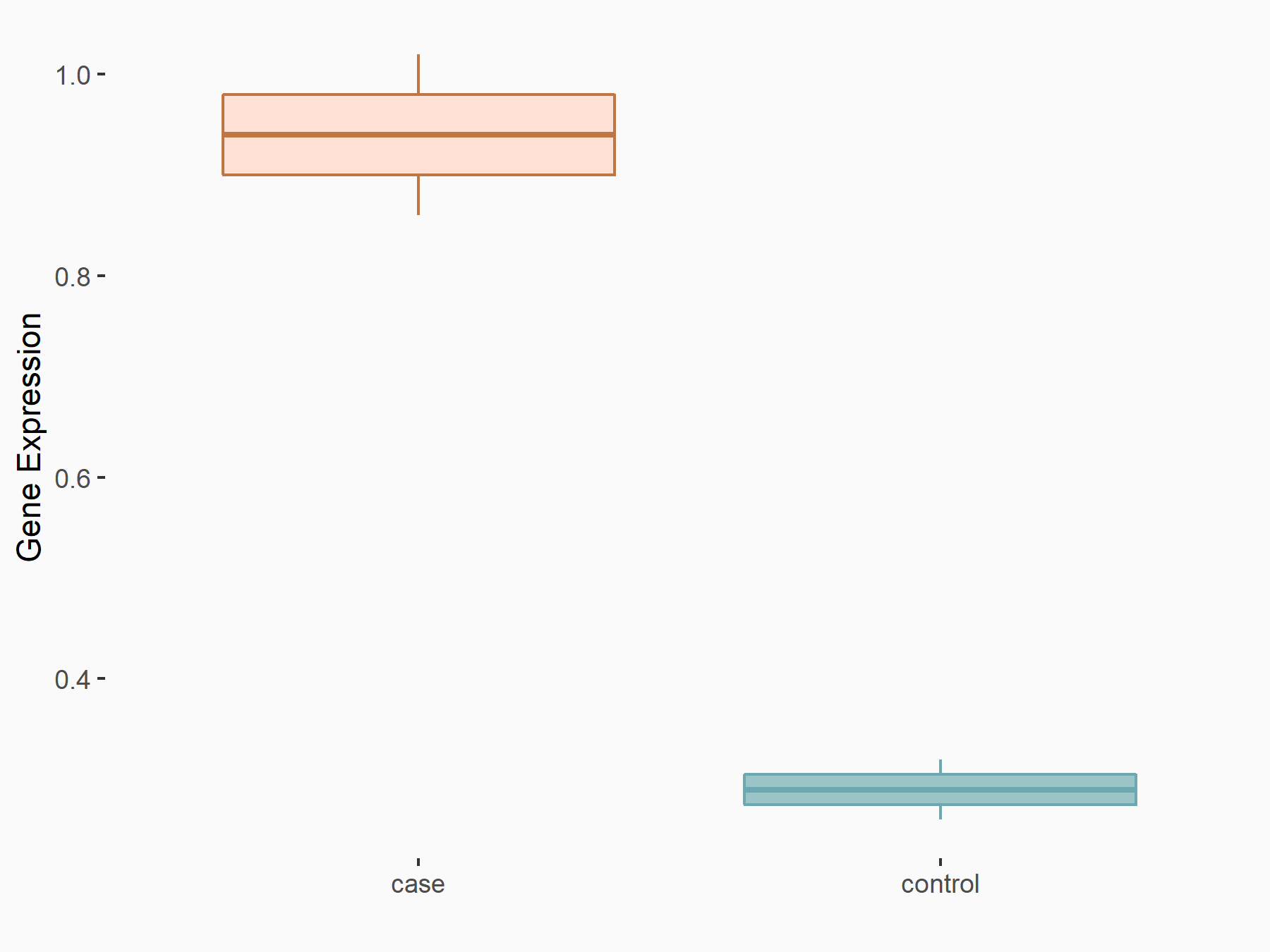 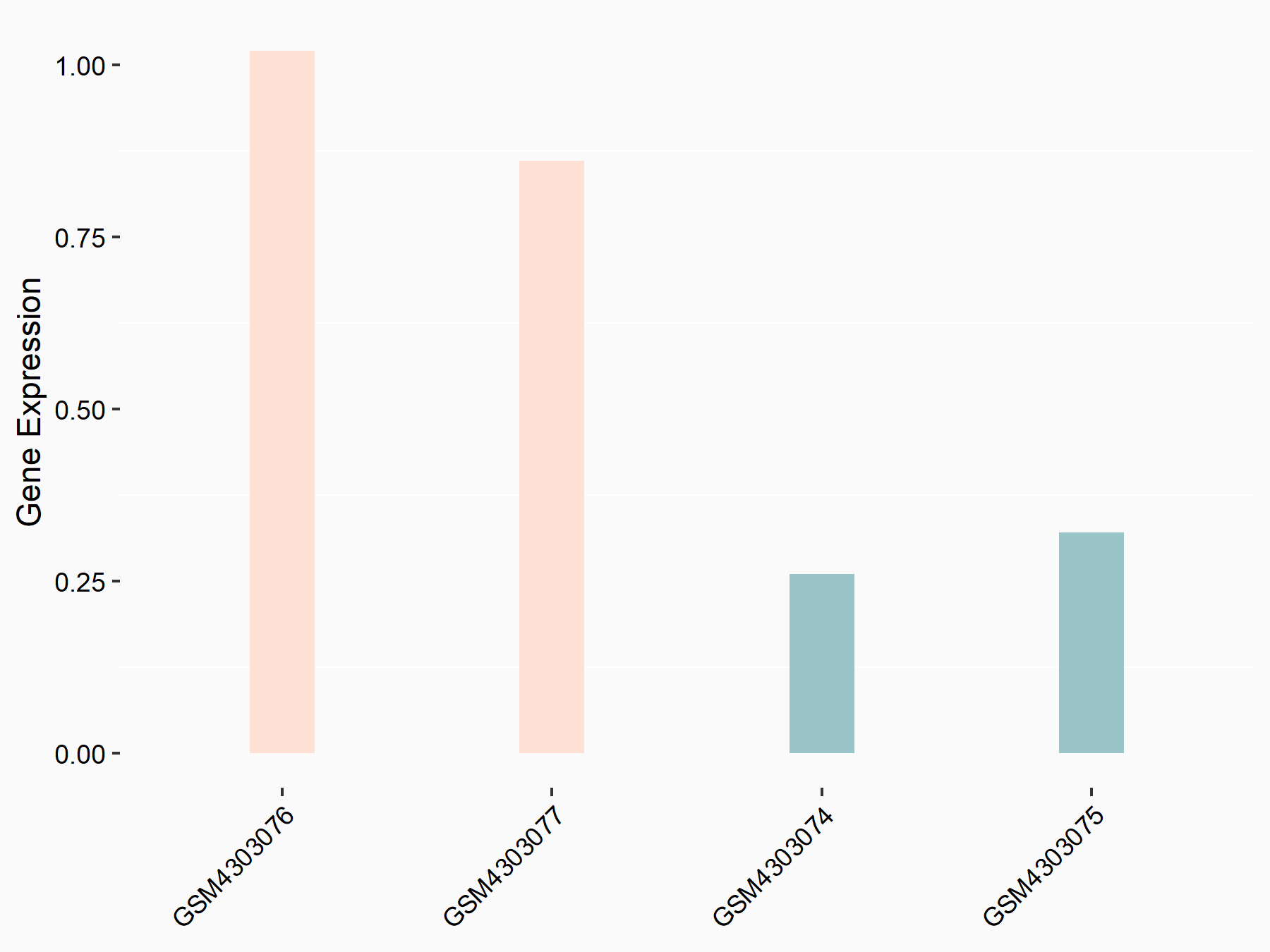 |
logFC: 5.88E-01 p-value: 6.33E-03 |
| More Results | Click to View More RNA-seq Results | |
| In total 1 item(s) under this regulator | ||||
| Experiment 1 Reporting the m6A Methylation Regulator of This Target Gene | [1] | |||
| Response Summary | IOX1, which is an inhibitor of ALKBH5, was loaded on HSSS to form HSSS-I, which could effectively ameliorate cardiac dysfunction in acute myocardial infarction. The surface-modified bioengineered ferritin nanocage targeted the dying cells in the infarct area under the guidance of Scavenger receptor class F member 1 (SCARF1). These cells were then phagocytosed through recognition of their TfR1 receptor. | |||
| Responsed Disease | Acute myocardial infarction | ICD-11: BA41 | ||
| Cell Process | Lysosomal escape | |||
| In-vivo Model | Wild-type C57 (female, 12-16 weeks old), ALKBH5 /- mice (female and male, 12-16 weeks old), and SPF-grade SD rats (female, 180-230 g) were used to establish the AMI model.Sodium pentobarbital diluted to 10 mg/mL was used to anesthetize the mice or rat at the dose of 50 mg/kg through an intraperitoneal injection. By using a small animal ventilator with endotracheal intubation, thoracotomy was performed at the left fourth intercostal region. The heart was exposed, and the left anterior descending coronary artery (LCA) was occluded through a 6-0 silk suture that was placed 2-3 mm distal to the origin of the LCA with a slipknot. The apical region turned white, and ST segment elevation and T wave inversion of ECG showed that the AMI model was successfully established. Forty-five minutes after ischemia, the slipknot was released, and the ischemic region was reperfused. PBS (0.2 ml), HSSS (23.5 mg/kg, 0.2 ml), IOX1 (10 mg/kg, 0.2 ml), and HSSS-I (33.5 mg/kg, containing 10 mg/kg IOX1, 0.2 ml) were administered through caudal vein injection for 14 days at the frequency of one time per day. | |||
Acute myocardial infarction [ICD-11: BA41]
| In total 1 item(s) under this disease | ||||
| Experiment 1 Reporting the m6A-centered Disease Response | [1] | |||
| Response Summary | IOX1, which is an inhibitor of ALKBH5, was loaded on HSSS to form HSSS-I, which could effectively ameliorate cardiac dysfunction in acute myocardial infarction. The surface-modified bioengineered ferritin nanocage targeted the dying cells in the infarct area under the guidance of Scavenger receptor class F member 1 (SCARF1). These cells were then phagocytosed through recognition of their TfR1 receptor. | |||
| Responsed Disease | Acute myocardial infarction [ICD-11: BA41] | |||
| Target Regulator | RNA demethylase ALKBH5 (ALKBH5) | ERASER | ||
| Cell Process | Lysosomal escape | |||
| In-vivo Model | Wild-type C57 (female, 12-16 weeks old), ALKBH5 /- mice (female and male, 12-16 weeks old), and SPF-grade SD rats (female, 180-230 g) were used to establish the AMI model.Sodium pentobarbital diluted to 10 mg/mL was used to anesthetize the mice or rat at the dose of 50 mg/kg through an intraperitoneal injection. By using a small animal ventilator with endotracheal intubation, thoracotomy was performed at the left fourth intercostal region. The heart was exposed, and the left anterior descending coronary artery (LCA) was occluded through a 6-0 silk suture that was placed 2-3 mm distal to the origin of the LCA with a slipknot. The apical region turned white, and ST segment elevation and T wave inversion of ECG showed that the AMI model was successfully established. Forty-five minutes after ischemia, the slipknot was released, and the ischemic region was reperfused. PBS (0.2 ml), HSSS (23.5 mg/kg, 0.2 ml), IOX1 (10 mg/kg, 0.2 ml), and HSSS-I (33.5 mg/kg, containing 10 mg/kg IOX1, 0.2 ml) were administered through caudal vein injection for 14 days at the frequency of one time per day. | |||
RNA Modification Sequencing Data Associated with the Target (ID: M6ATAR00413)
| In total 1 m6A sequence/site(s) in this target gene | |||
| mod ID: M6ASITE029328 | Click to Show/Hide the Full List | ||
| mod site | chr17:1633966-1633967:- | [2] | |
| Sequence | GTATAGTTTGCAAATTTTCTACAGTGAACATTCTTTTTTAC | ||
| Motif Score | 2.078666667 | ||
| Cell/Tissue List | liver | ||
| Seq Type List | m6A-REF-seq | ||
| Transcript ID List | ENST00000263071.9; rmsk_4614356; ENST00000434376.6 | ||
| External Link | RMBase: m6A_site_340140 | ||
References